Mint Districts Food

Regenerative Food Brands Worth Knowing

Regenerative agriculture is not a trend — it is a response to decades of industrial farming that has stripped topsoil, killed biodiversity, and locked carbon into the atmosphere instead of the ground. The brands here are doing the harder work: sourcing from farms that use cover cropping, rotational grazing, and polyculture to build soil organic matter. Some carry Regenerative Organic Certified (ROC) status, the most rigorous third-party standard available. Others partner directly with the Savory Institute or Kiss the Ground. What they all share is a belief that the best food is grown on living soil — and that it actually tastes better because of it.

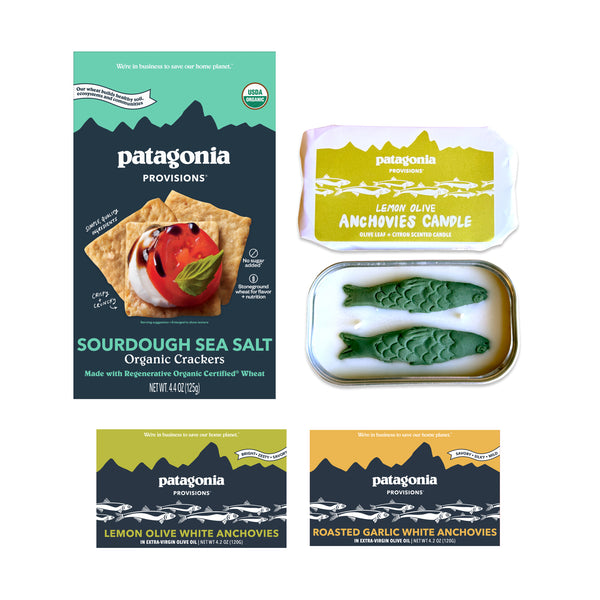
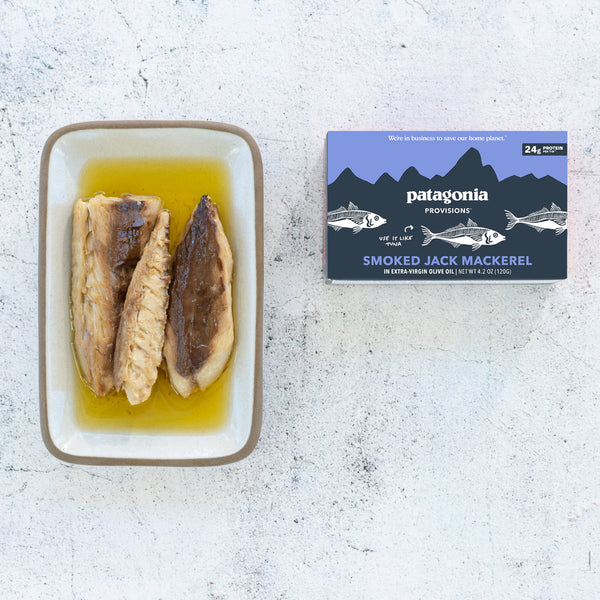
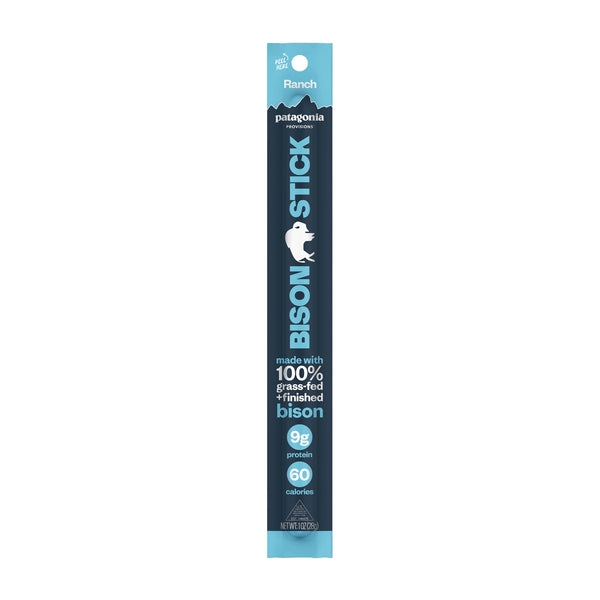
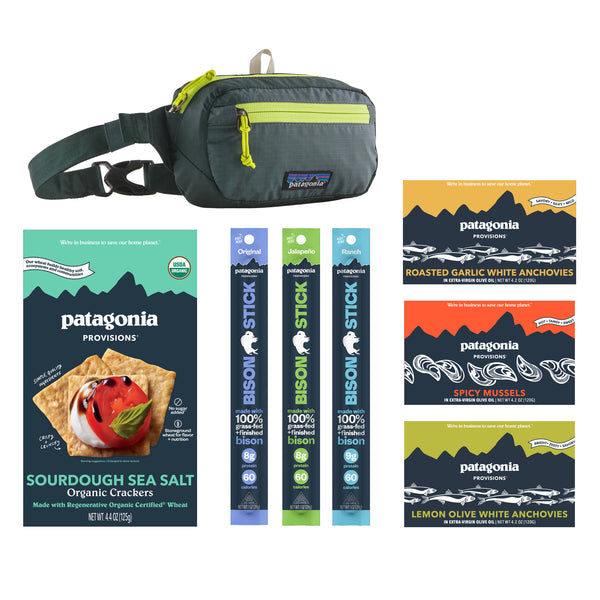
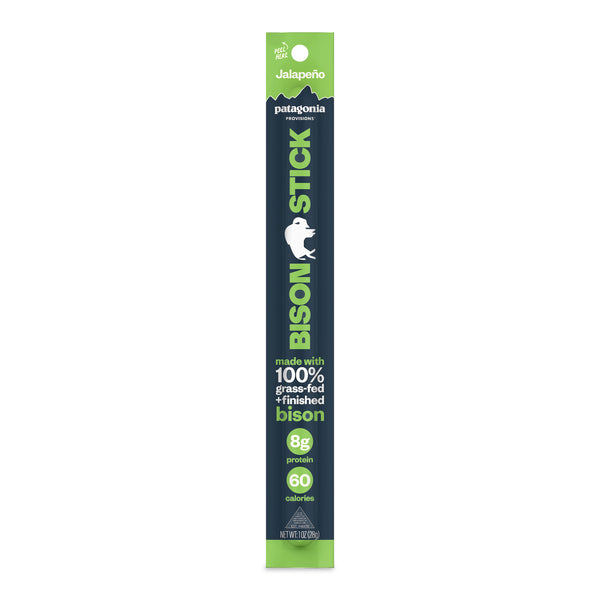
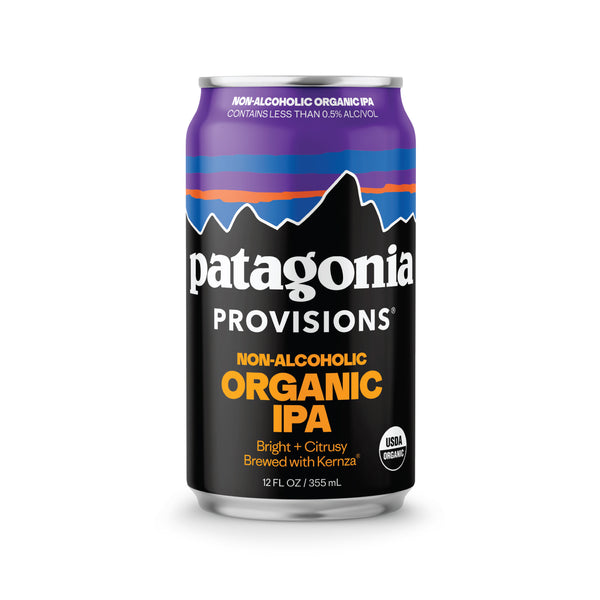
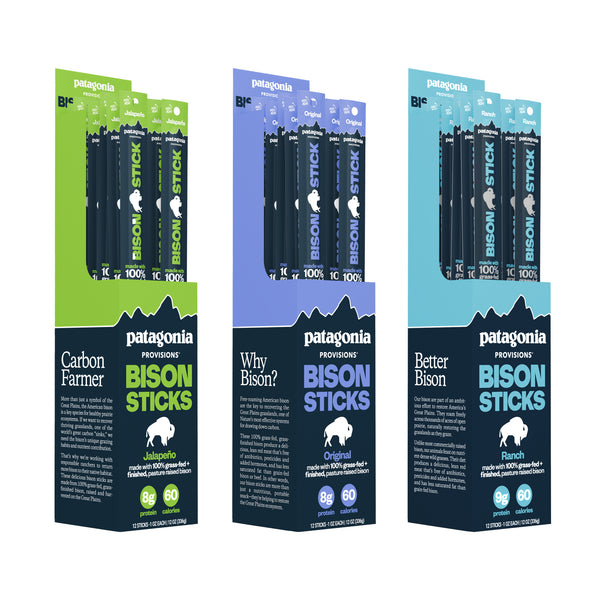
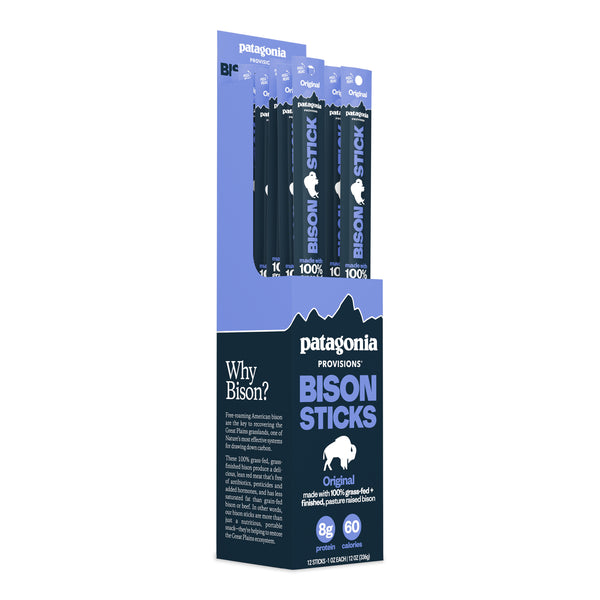
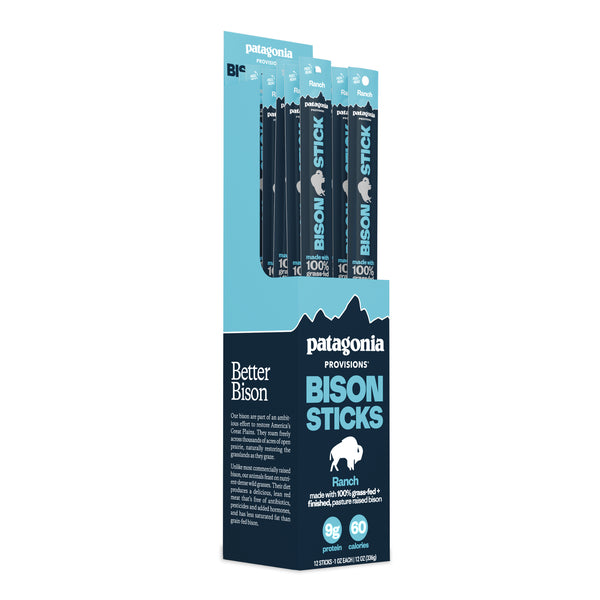
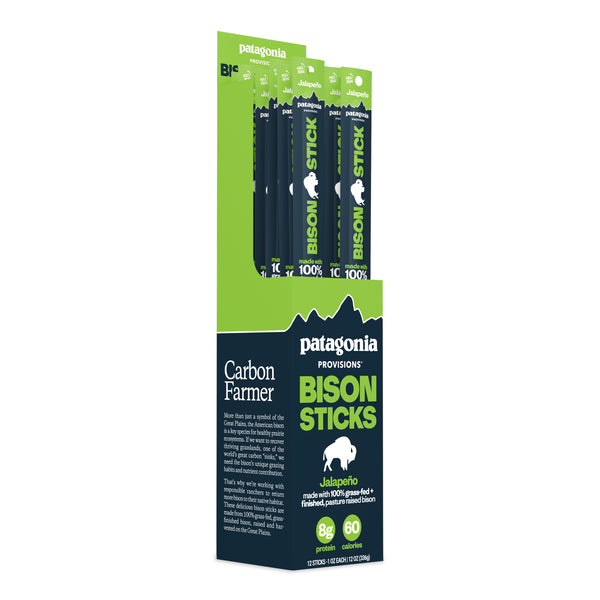
Patagonia Provisions

Food

The outdoor brand's food line — wild-caught salmon, organic soups, and regeneratively grown ingredients that walk the talk.

Patagonia Provisions launched in 2013 as an extension of the outdoor brand's environmental mission into the food supply chain. Every product is sourced to strict environmental standards: their salmon is wild-caught from MSC-certified fisheries, their beans are grown using regenerative dryland farming that sequesters carbon, and their kernza grain products source from an actual perennial grain developed to rebuild prairie ecosystems. Their Shopify store sells direct nationwide and is one of the few food brands where the sourcing notes are as interesting as the food itself.
Enter Store

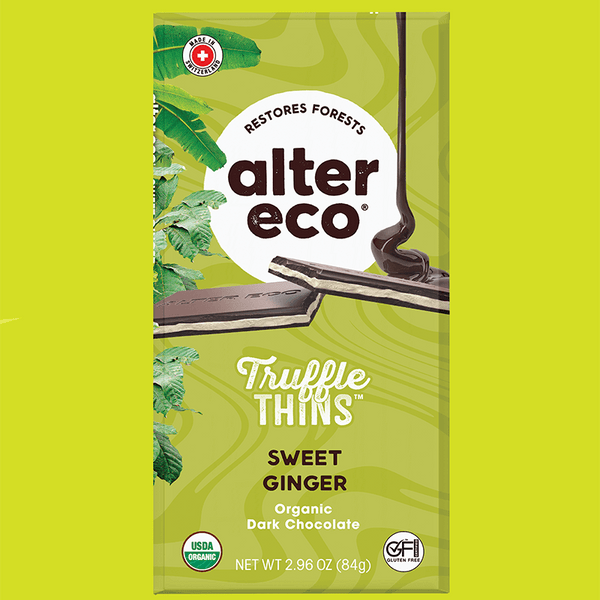
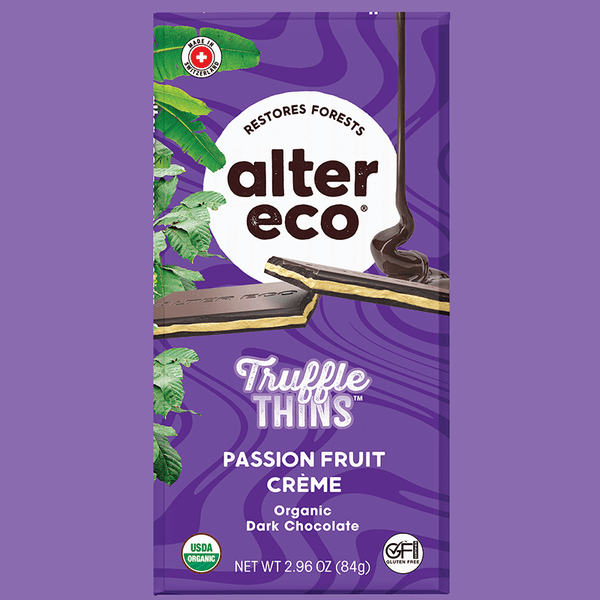
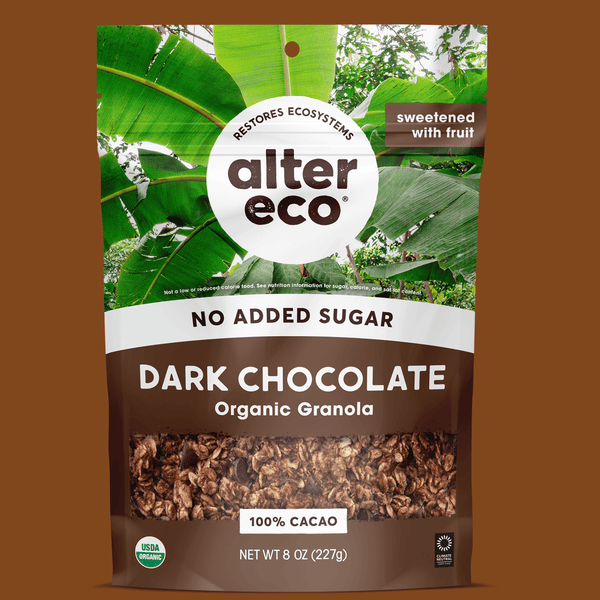
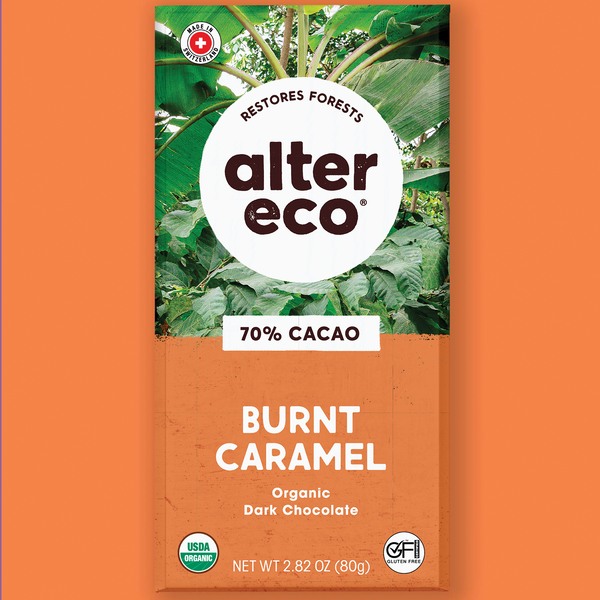
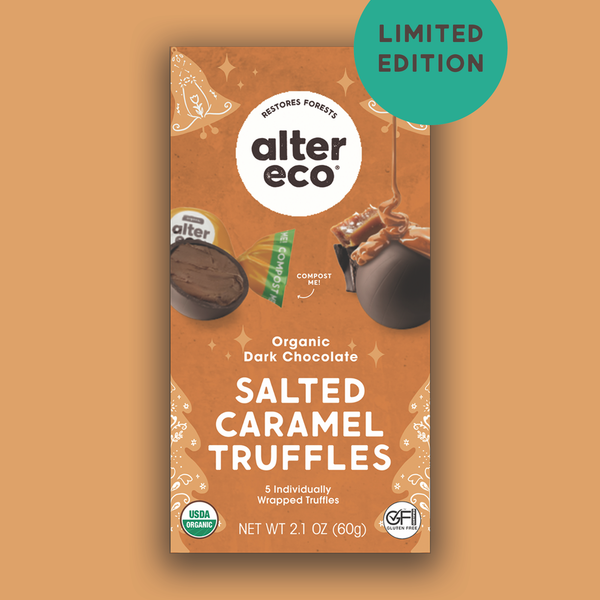
Alter Eco

Food

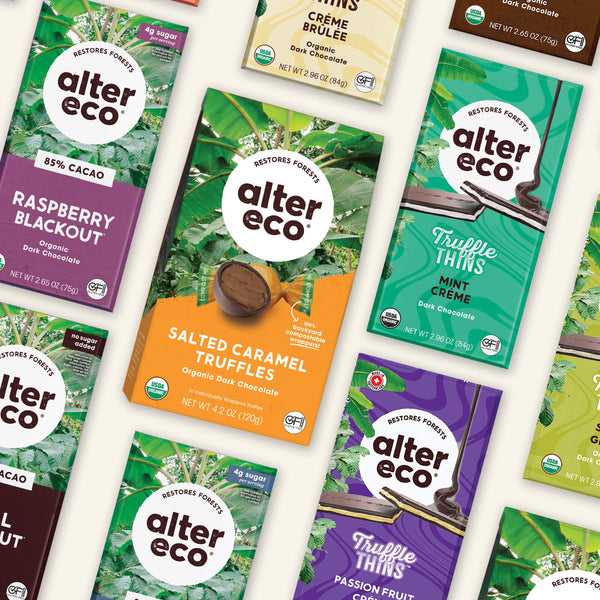
Fair trade, regenerative organic chocolate and pantry goods from small-scale farming cooperatives around the world.
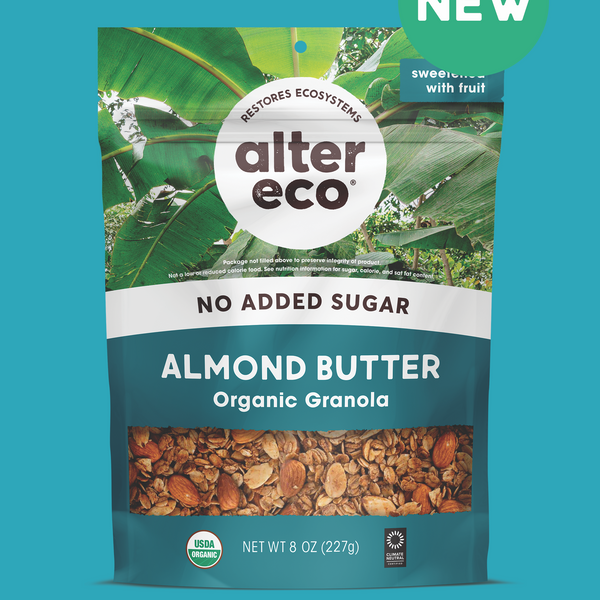
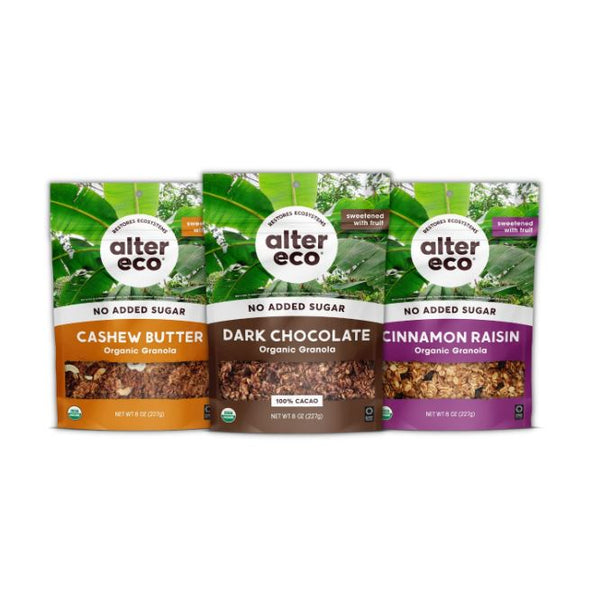
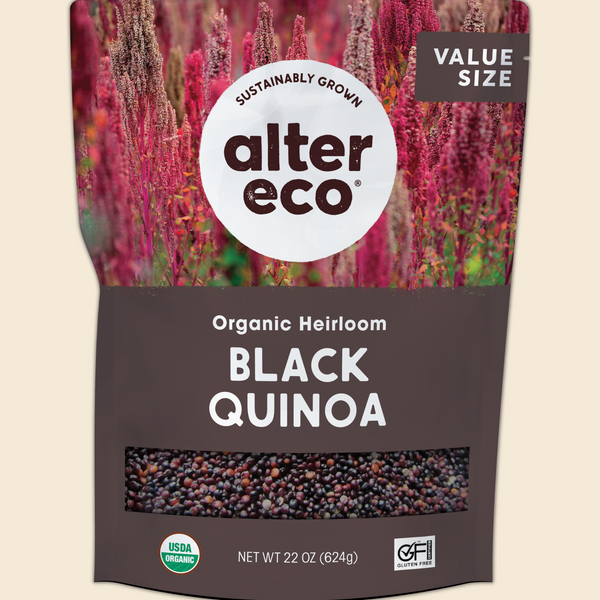
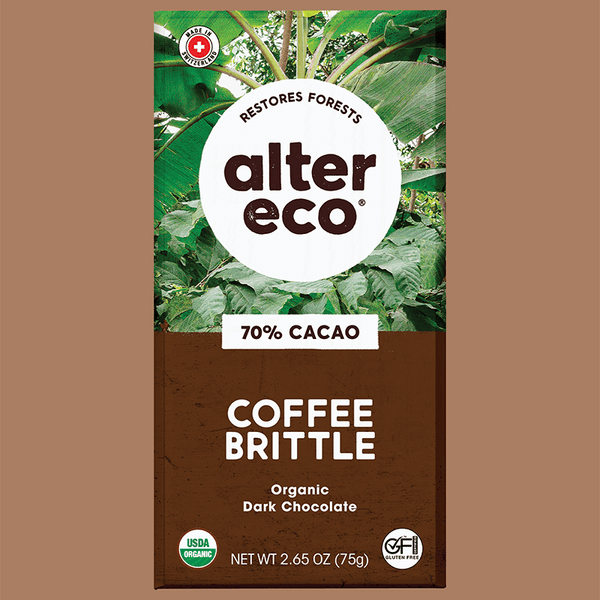
Alter Eco was one of the first mainstream food brands to pursue Regenerative Organic Certification, sourcing cacao from cooperatives in Ecuador and Peru where agroforestry practices have measurably increased canopy cover and soil carbon. Their chocolate truffles and bars are among the most decorated in the category. They also carry quinoa, rice, and coconut products, all to the same sourcing standard. DTC via Shopify with regular subscription discounts — and the truffle boxes make genuinely impressive gifts.

Enter Store

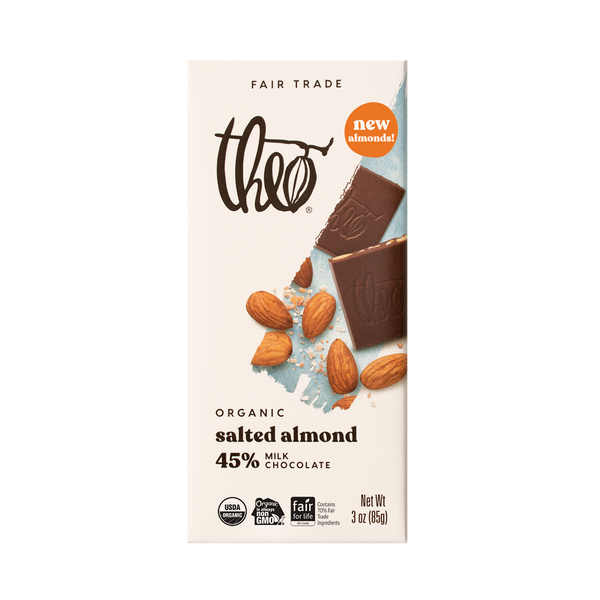
Theo Chocolate

Food

Seattle's organic and fair trade chocolate factory — bean-to-bar with a deep commitment to farmer relationships.

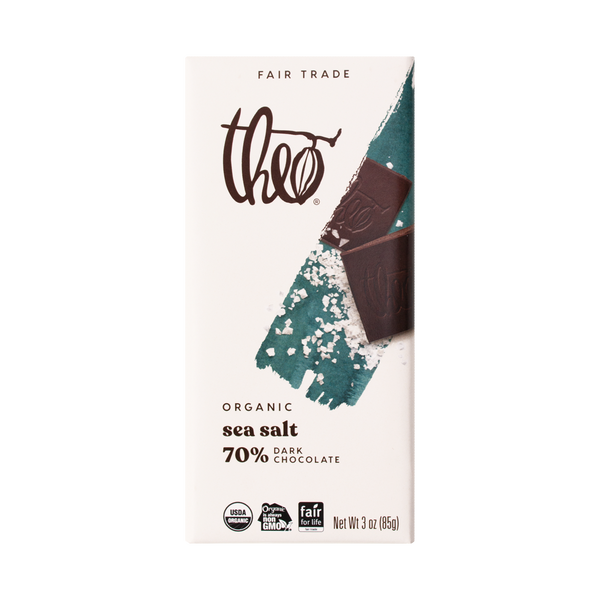
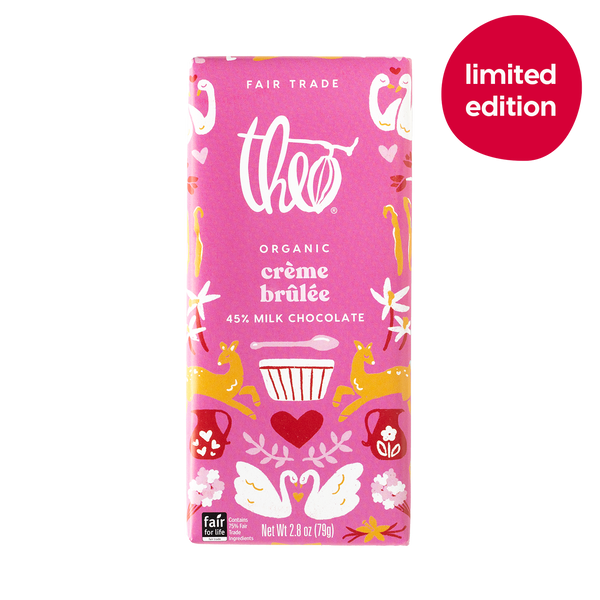
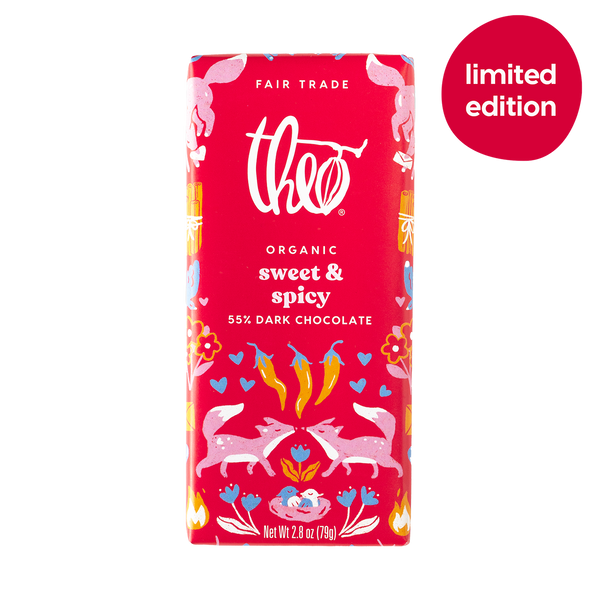
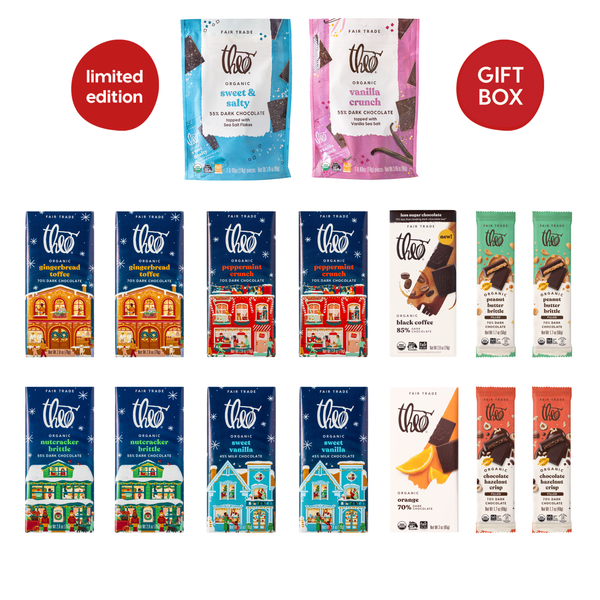
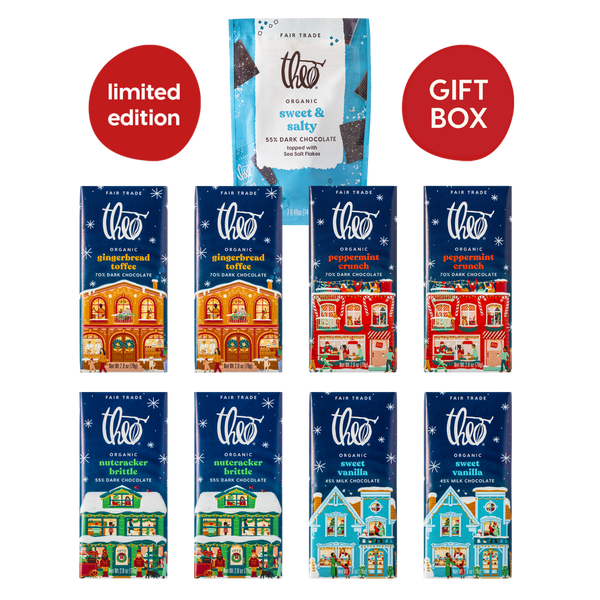
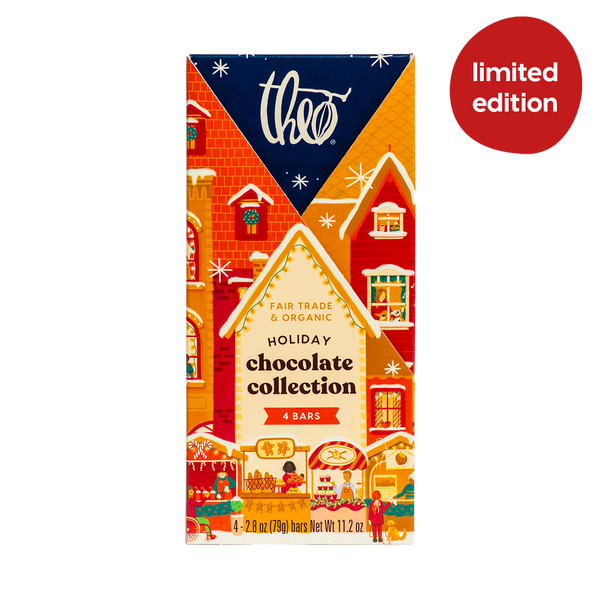
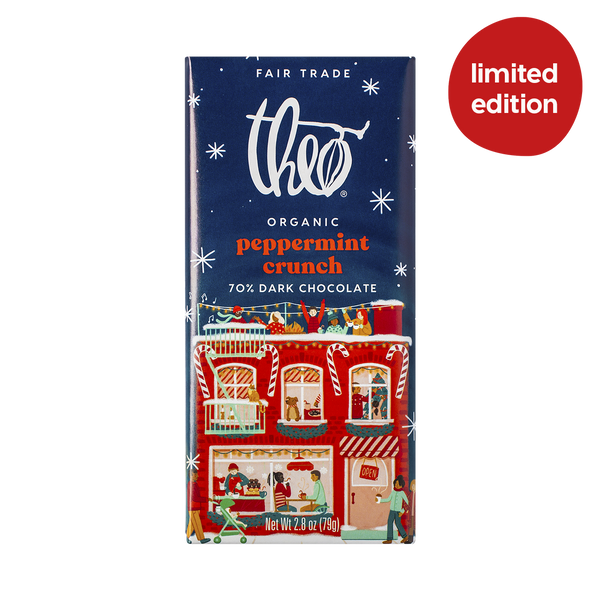
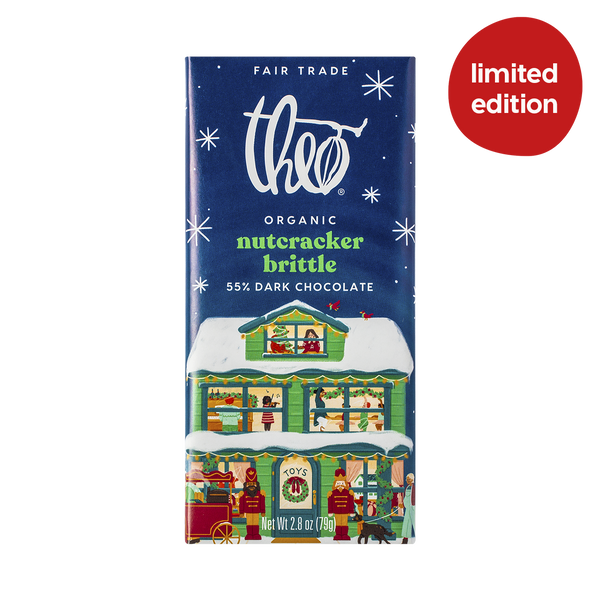
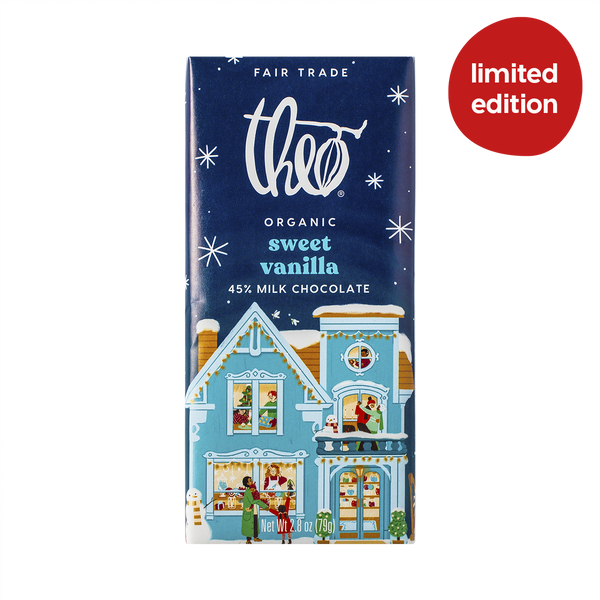
Theo Chocolate in Seattle was the first organic, fair trade certified bean-to-bar chocolate factory in the United States, opening in 2006. They source directly from farmer cooperatives in the Democratic Republic of Congo and Peru, with long-term contracts that fund education and infrastructure in farming communities. Their cacao is grown using shade-grown agroforestry methods that support biodiversity and soil health. The Shopify store sells bars, baking chocolate, and gift sets — all made in-house at their Fremont factory.

Enter Store

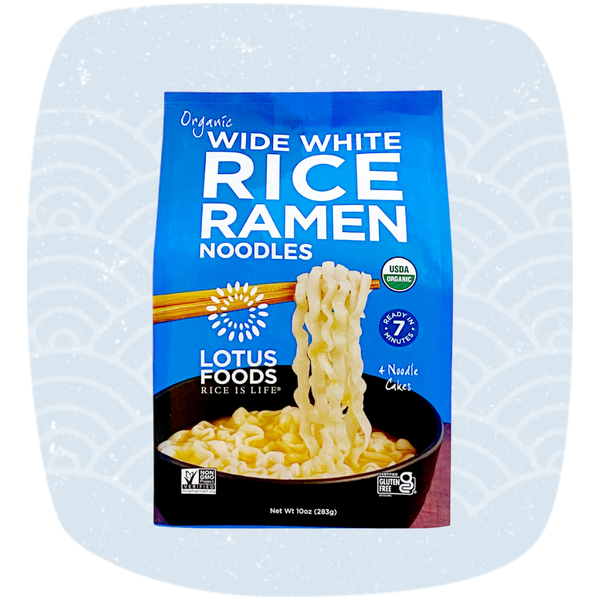
Lotus Foods

Food

Heirloom and heritage rice varieties grown using water-conserving regenerative methods — rice that is better for the planet and for dinner.

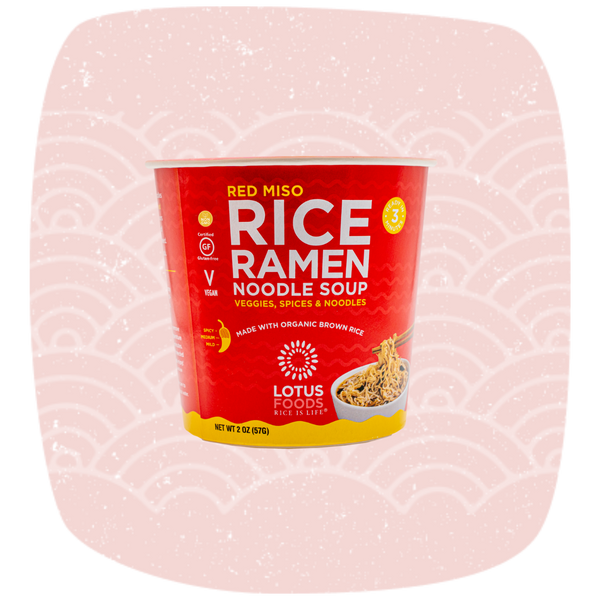
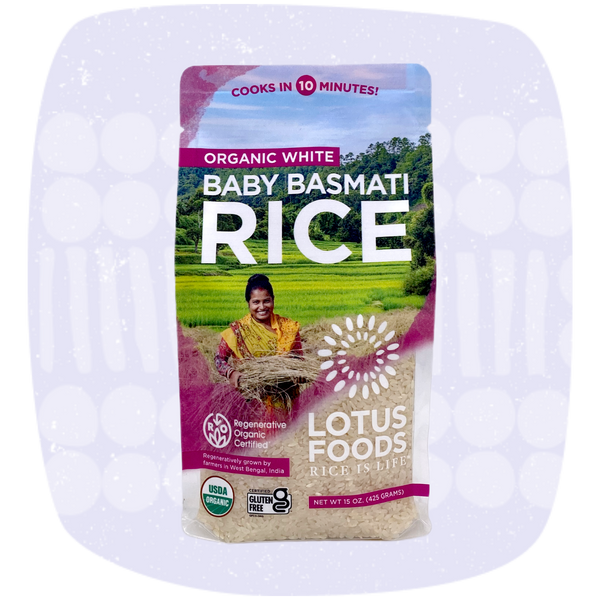
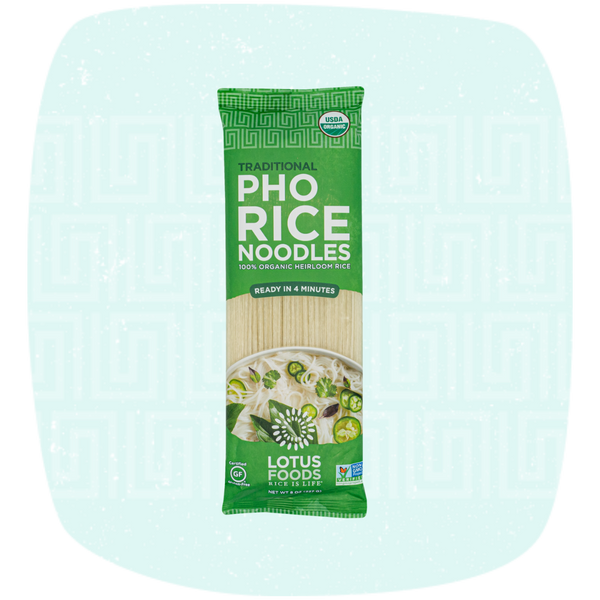
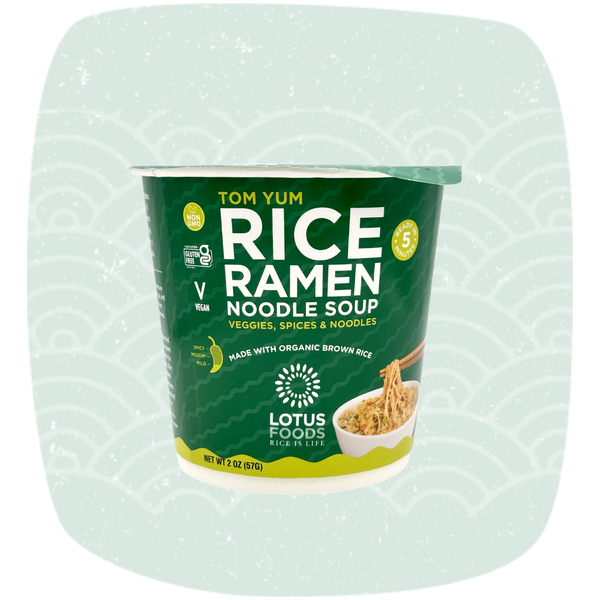
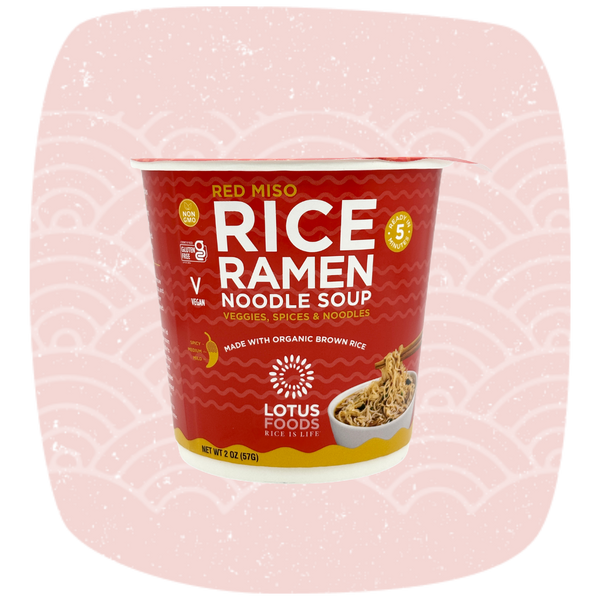
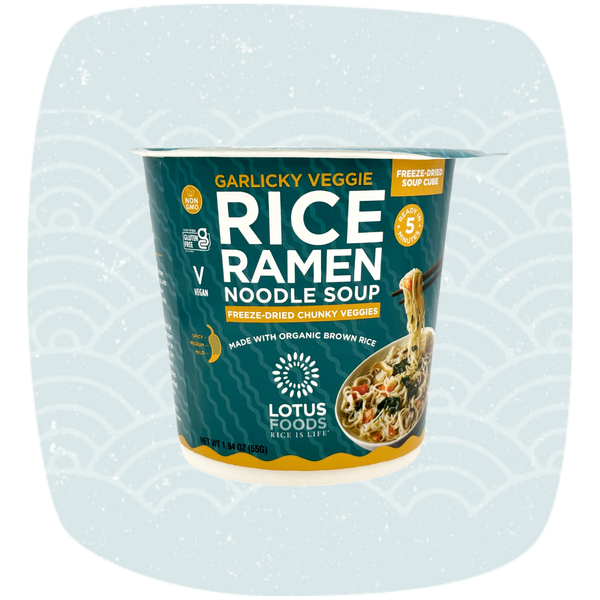
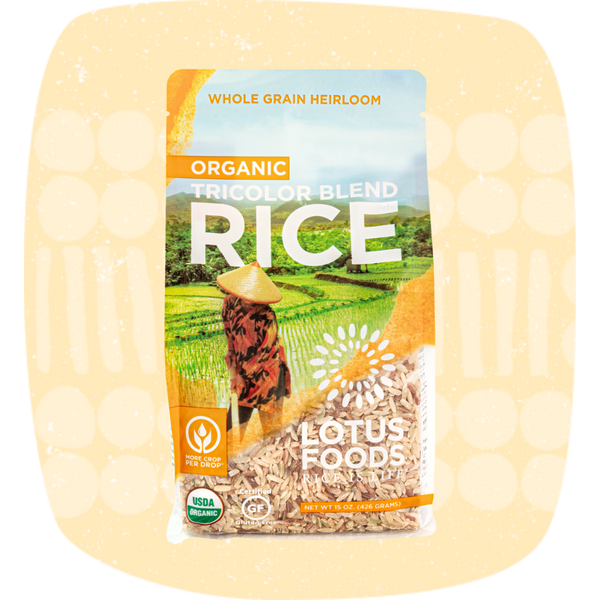
Lotus Foods pioneered the adoption of the System of Rice Intensification (SRI) in their supply chain — a regenerative method that grows rice without continuous flooding, reducing water use by up to 50% and methane emissions significantly. They source heirloom and heritage varieties from smallholder farmers in Madagascar, India, Indonesia, and Cambodia. Their Shopify store offers everything from rice ramen and rice cakes to bulk heirloom grain varieties. A rare food brand where the agricultural method is core to the product story, not marketing afterthought.

Enter Store

Lundberg Family Farms

Food

California family rice farm with 80+ years of organic and sustainable grain growing — rice cakes, chips, and pantry staples done right.

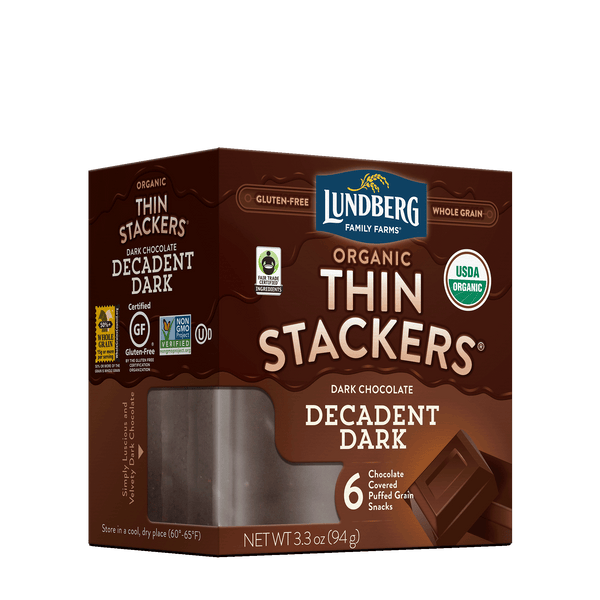
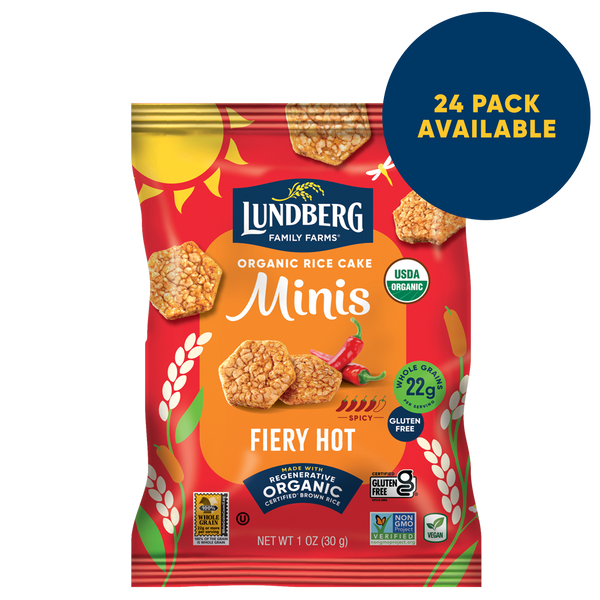
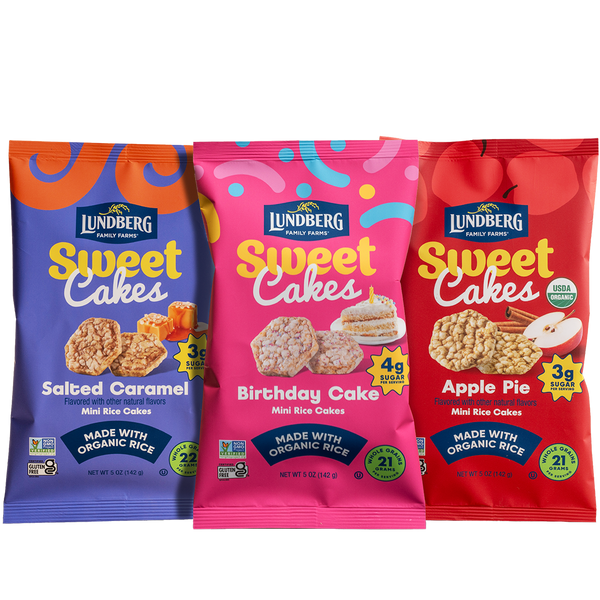
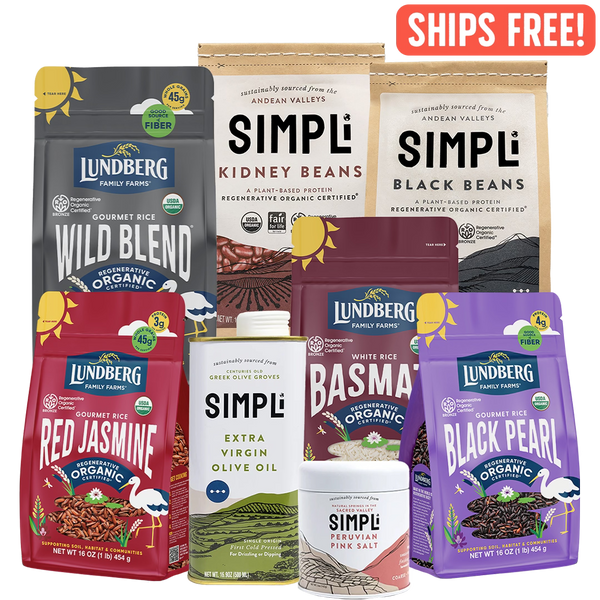
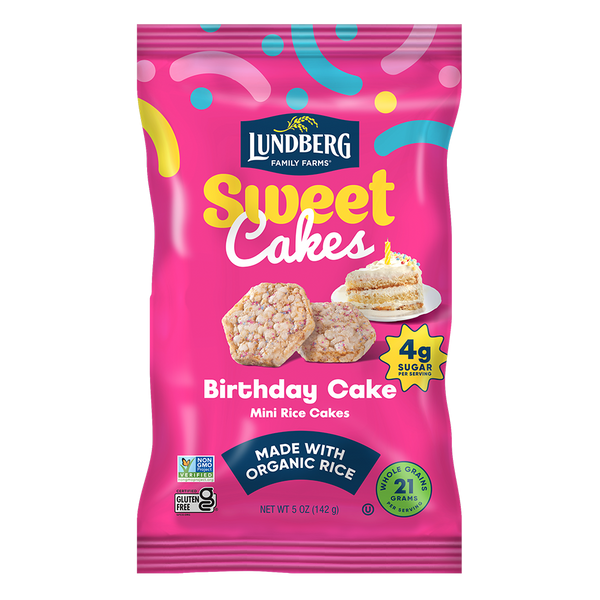
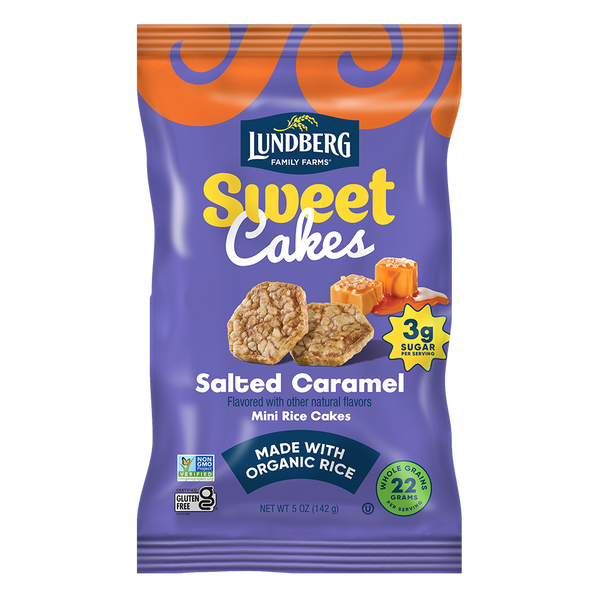
The Lundberg family has been farming rice in the Sacramento Valley since 1937, and has operated organically since before organic certification existed. Today the farm is a leader in rice straw management (instead of burning fields, they flood them to decompose straw, supporting migratory birds and soil biology), cover cropping, and water stewardship. Their Shopify store carries rice cakes, rice chips, frozen risottos, and bulk rice varieties — accessible price points for a pantry staple that genuinely comes from better farming.

Enter Store

Tanka Bar

Food

Native American buffalo and cranberry bars rooted in Lakota food traditions and regenerative Plains land management.

Tanka Bar is founded and majority-owned by members of the Oglala Lakota Nation, built around the traditional pemmican recipe of dried buffalo and chokecherries. Their buffalo is sourced from Native American ranchers practicing land stewardship rooted in pre-industrial grazing traditions — which happen to align closely with modern holistic grazing science. Every Tanka purchase directly supports indigenous economic sovereignty and the restoration of bison herds to the Great Plains. The Shopify store is small but focused, with bar variety packs and bulk options.

Enter Store

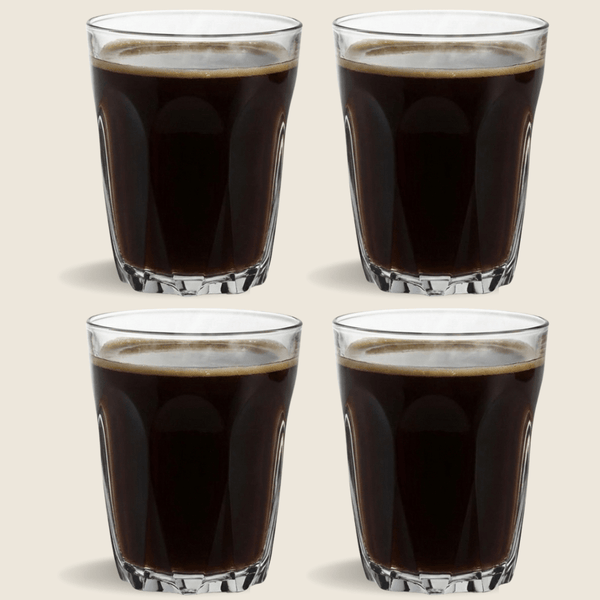
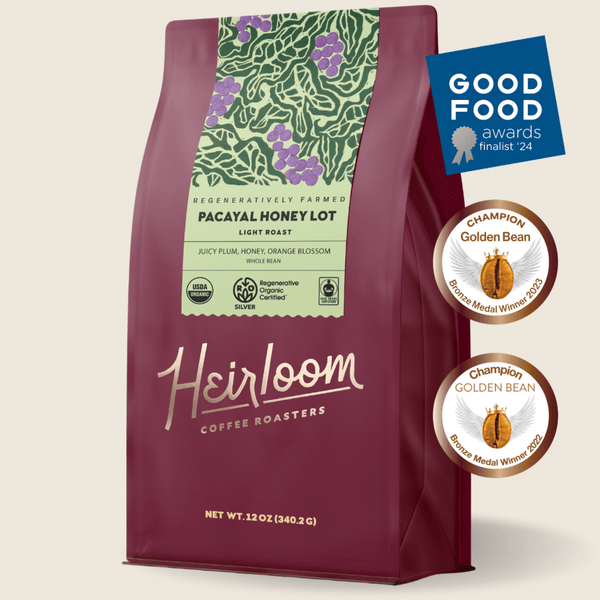
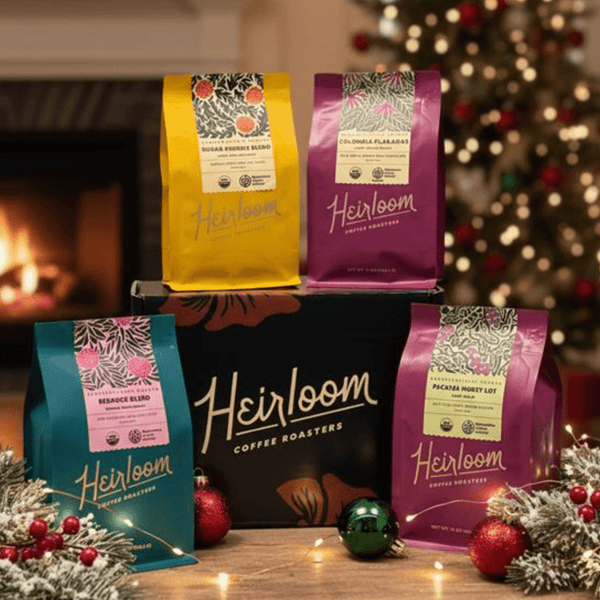
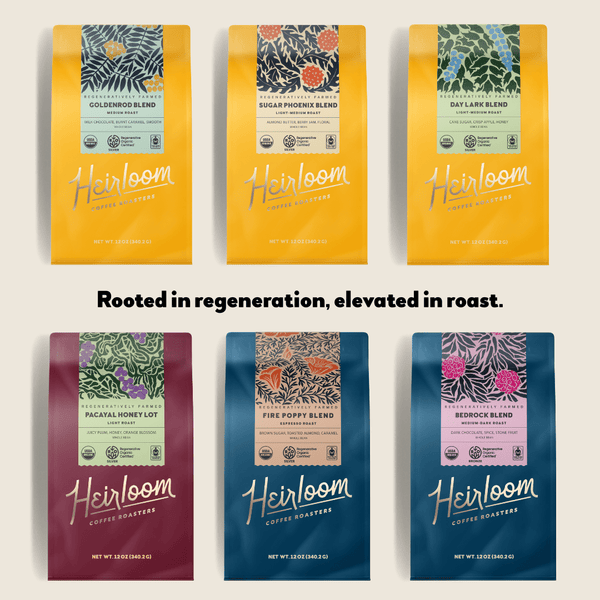
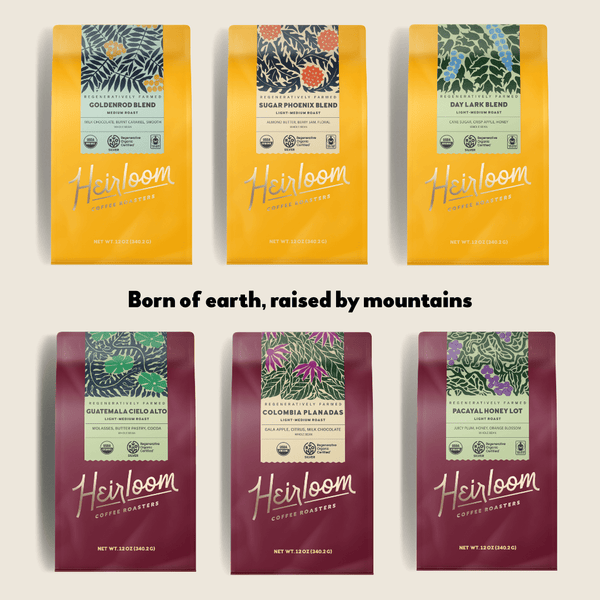
Heirloom Coffee Roasters

Food

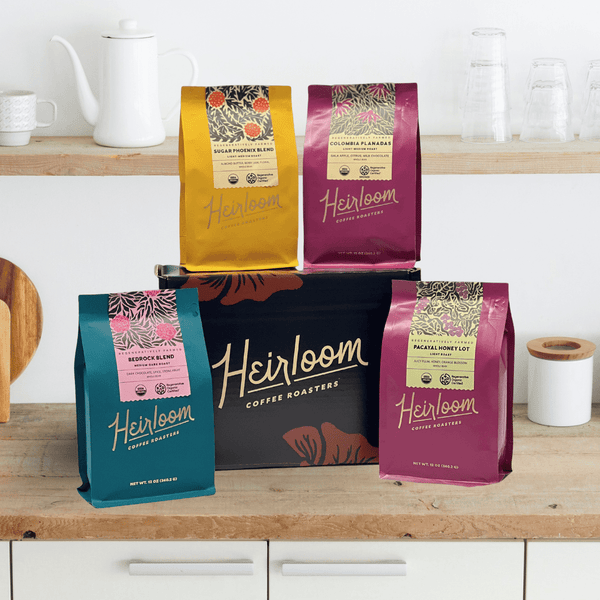
The first Regenerative Organic Certified coffee roaster — sourcing from cooperatives where regenerative practices are contractually required.

Heirloom Coffee Roasters earned Regenerative Organic Certification for their supply chain, making them one of a small number of roasters where the ROC seal means every step from farm to bag has been audited. They work directly with cooperatives in Guatemala and Honduras, where farmers use composting, shade-grown agroforestry, and reduced-chemical methods under contractual obligation — not voluntary aspiration. Their Shopify store sells single-origin roasts with detailed lot notes, and the flavor complexity that comes from regen-farmed cacao translates directly to their coffee.

Enter Store

About This District

Navigating regenerative food labels requires a short glossary. Regenerative Organic Certified (ROC) is the gold standard — it layers organic certification with additional requirements for soil health, animal welfare, and farmer fairness. Look for the sunflower-and-leaf ROC seal. Brands that say "supports regenerative agriculture" without third-party verification are doing something, but less verifiable. For chocolate: look for brands sourcing from cooperatives using agroforestry — cacao grown under a forest canopy builds biodiversity, sequesters carbon, and produces more complex flavor than monoculture plantations. Alter Eco and Theo Chocolate are the best-known examples. For grains and rice: Lundberg Family Farms and Lotus Foods both source from farms practicing methods that reduce water use and methane emissions — Lotus Foods specifically pioneered the System of Rice Intensification (SRI), which requires no flooding. For coffee: Heirloom Coffee Roasters holds formal ROC certification — one of the first coffee roasters to do so. They work directly with cooperatives where regenerative practices are contractually required, not aspirational. For snacks: Tanka Bar uses buffalo meat from Native American ranches with deep roots in holistic land stewardship — every purchase supports indigenous food sovereignty alongside regenerative land management. Order direct when possible: these brands price DTC competitively with specialty grocery, and buying direct routes more margin to the farmers doing the work.