Mint Districts Food

Small Batch Fermented Food Brands Worth Knowing

The industrialization of fermented food killed something important. When a sauerkraut factory processes ten thousand pounds of cabbage a day using starter cultures and climate-controlled tanks, what you get is technically fermented, technically safe, and nutritionally negligible. The brands in this district do it the old way: wild cultures, ceramic crocks, salt and time. The result is genuinely alive food — unpredictable, funky, and dense with the kind of microbial complexity that a probiotic capsule cannot replicate. These are small-batch makers who understand that the best fermentation is fundamentally a slow process, and that you cannot rush a good kraut.

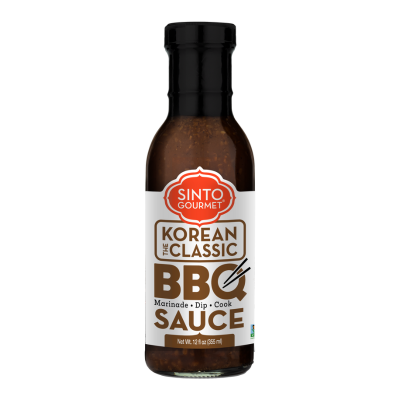
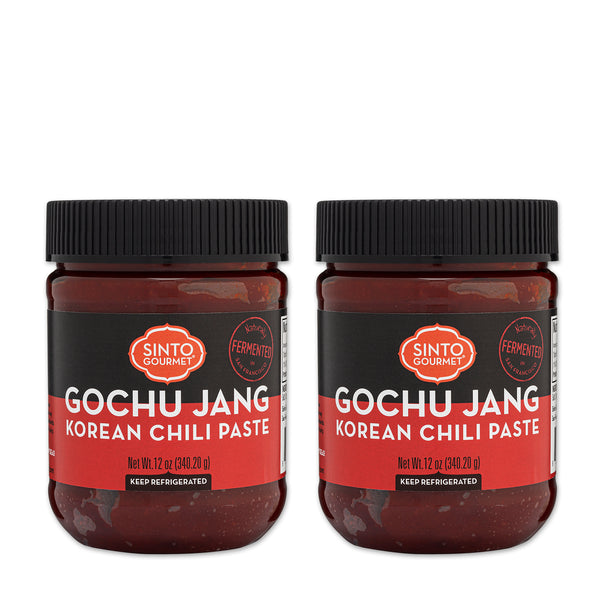
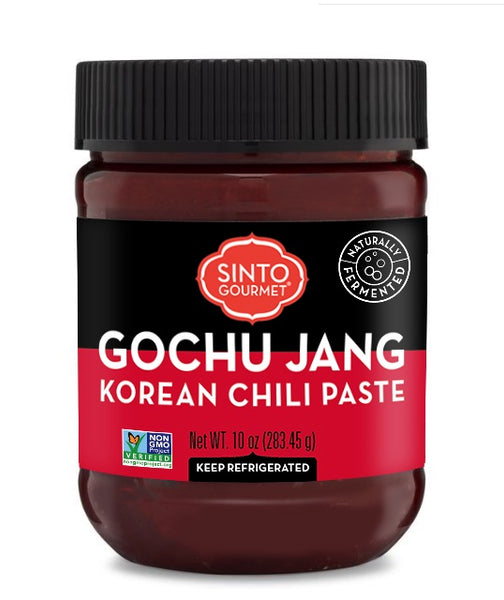
Sinto Gourmet

Food

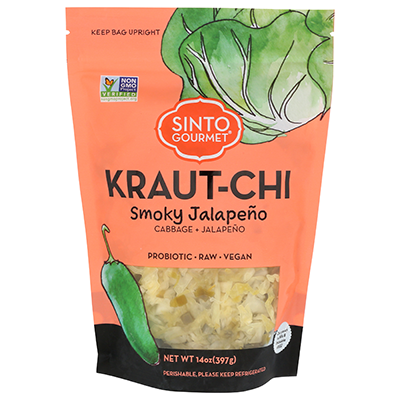
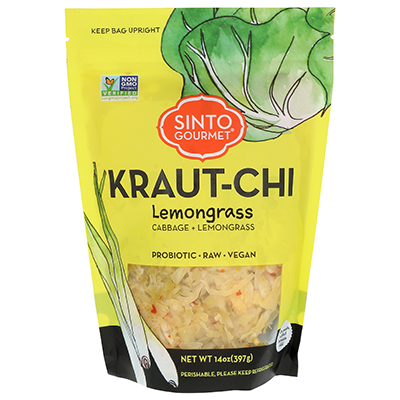
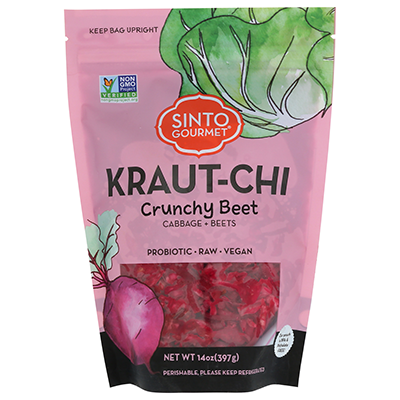
Kraut-Chi: where Korean kimchi meets German sauerkraut.

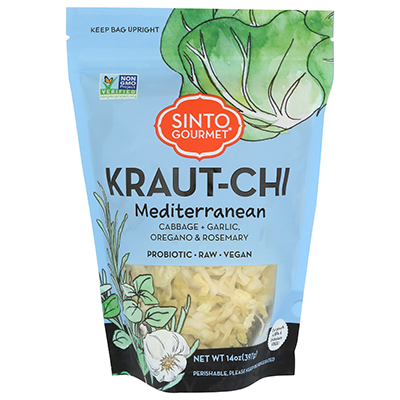
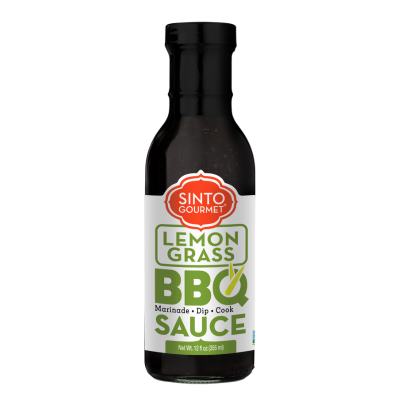
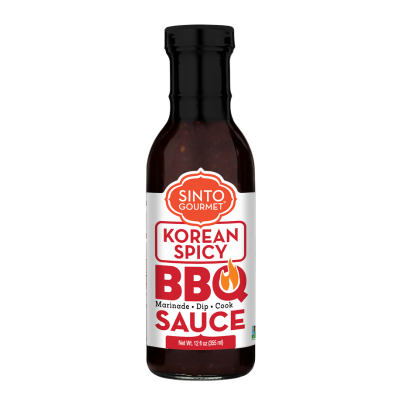
Sinto Gourmet was founded in Atlanta by Susan Hwang, a Korean-American food entrepreneur who grew up eating kimchi and wanted to create something that bridged the two great fermented cabbage traditions. Their Kraut-Chi is exactly what it sounds like — a hybrid of kimchi and sauerkraut fermented using traditional lacto-fermentation methods. The result is tangier than kimchi, funkier than kraut, and genuinely interesting as a condiment.
Enter Store

Olive My Pickle

Food

Raw, alive fermented vegetables shipped cold to your door.

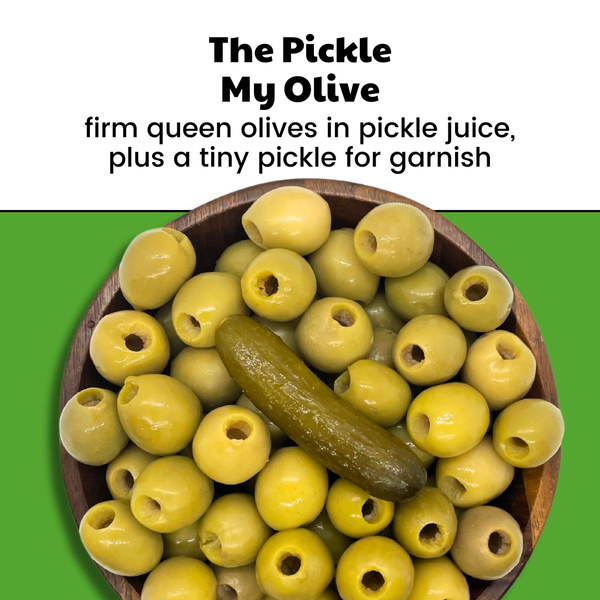
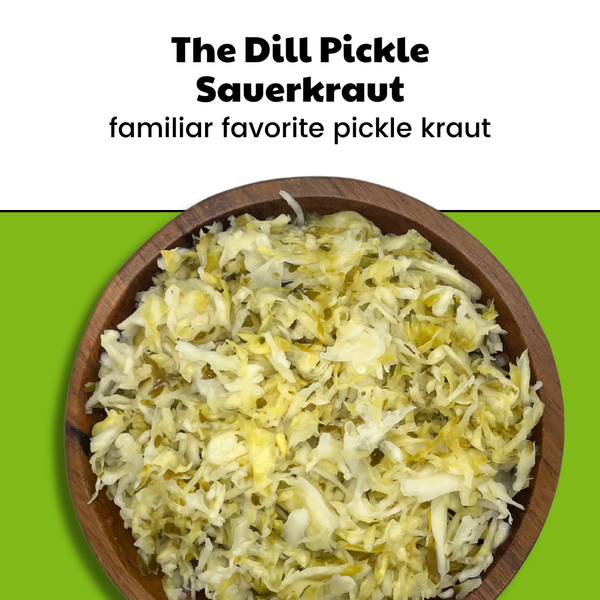
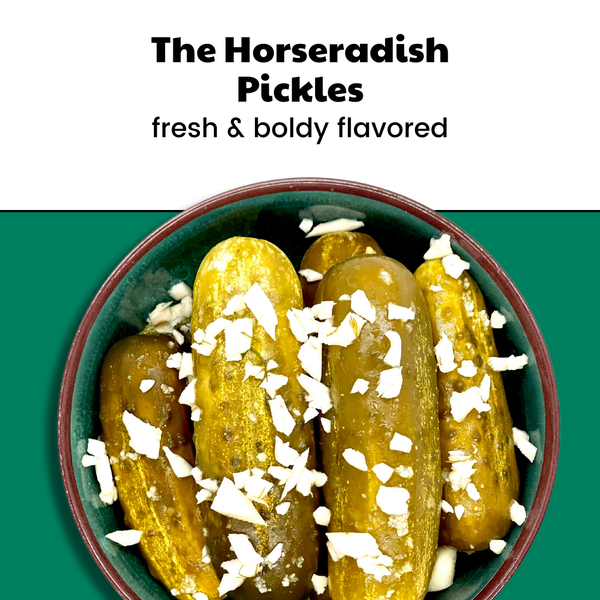
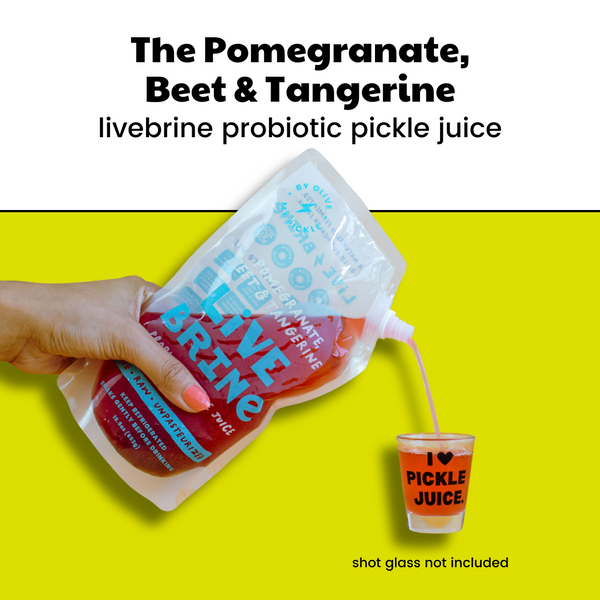
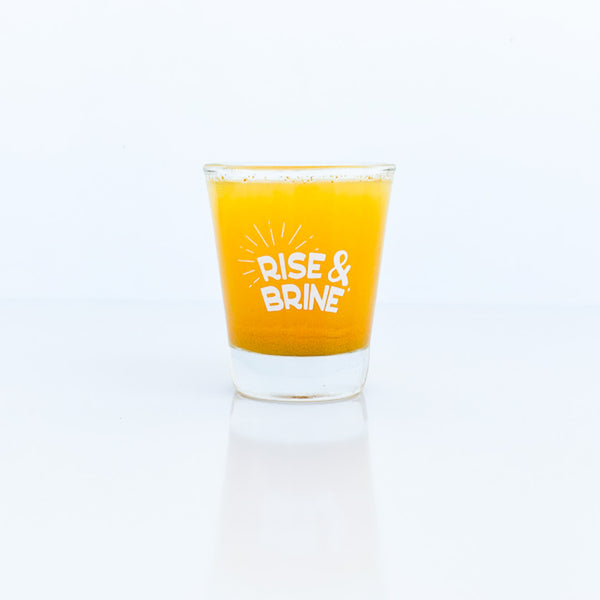
Olive My Pickle operates out of Jacksonville, Florida and has been making raw, lacto-fermented vegetables since 2010. Their range covers sauerkraut, kimchi, pickled vegetables, and pickle juice shots — all unpasteurized and packed with live cultures. They ship nationwide with refrigerated packaging, and their variety packs are one of the best ways to explore the fermented vegetable category without committing to a case of something you might not love.

Enter Store

Oregon Brine Works

Food

Small-batch kvass and pickles from the Pacific Northwest.
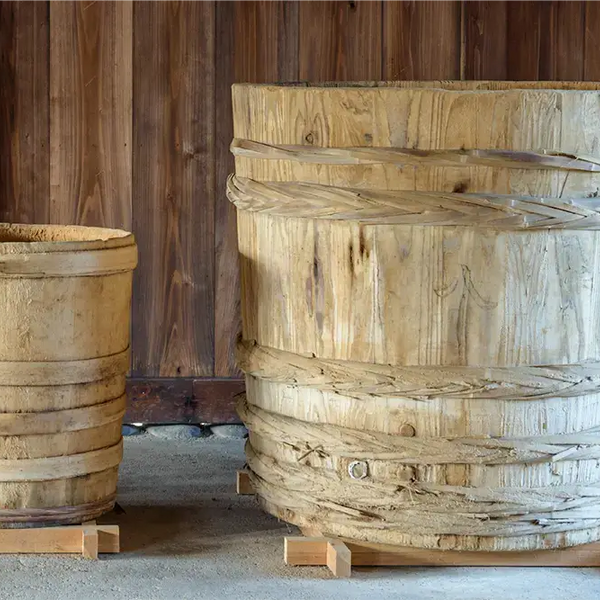
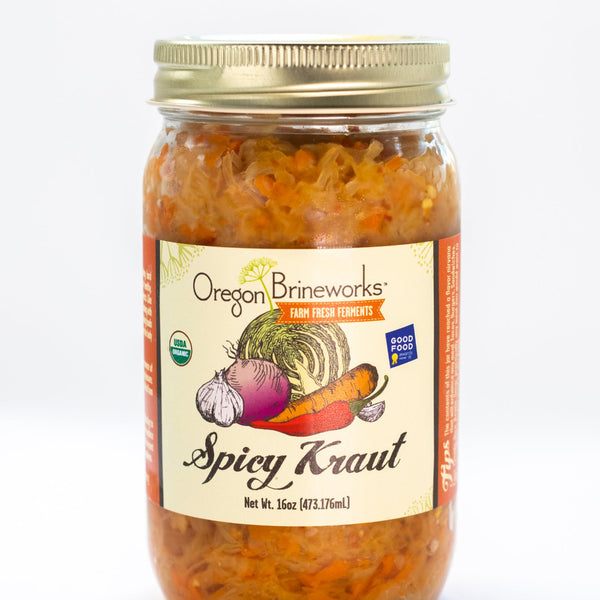
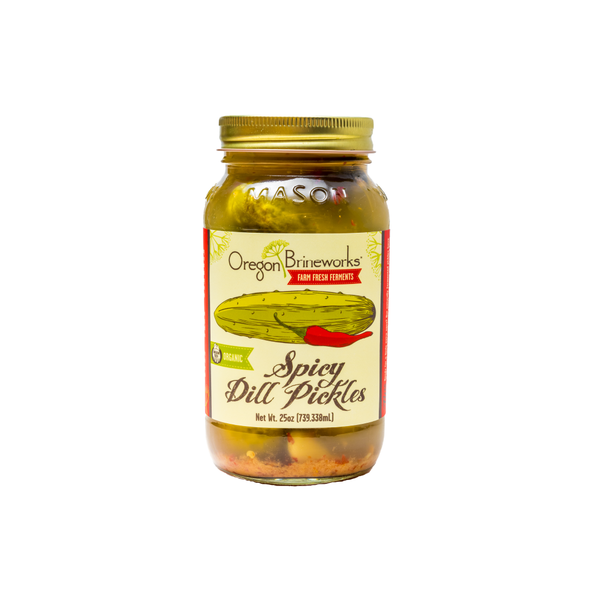
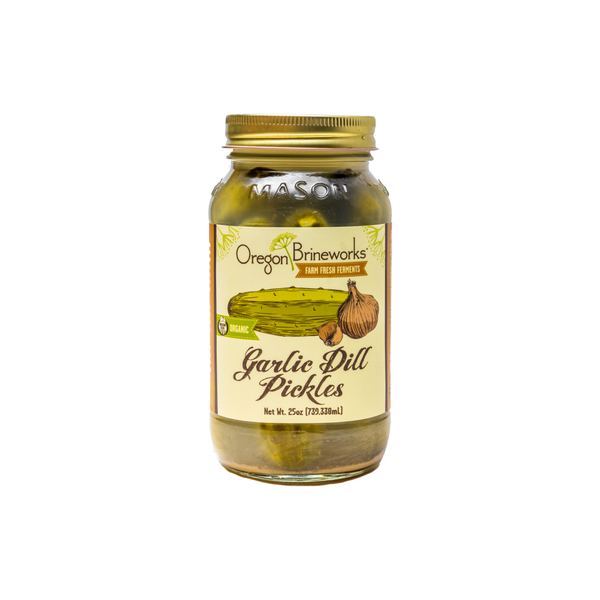
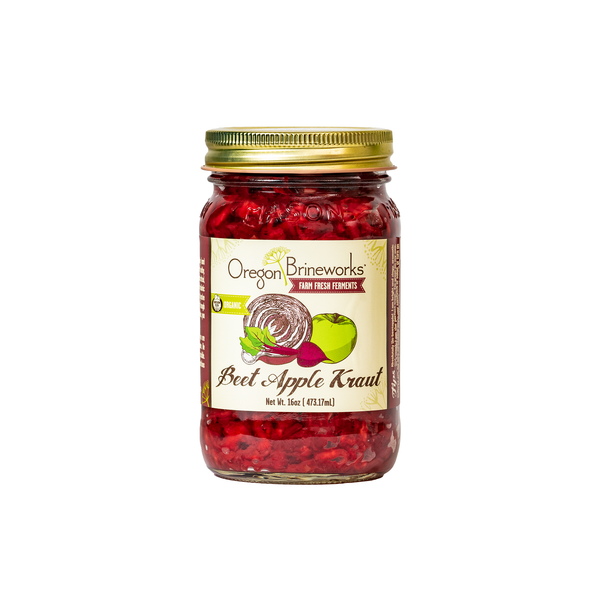
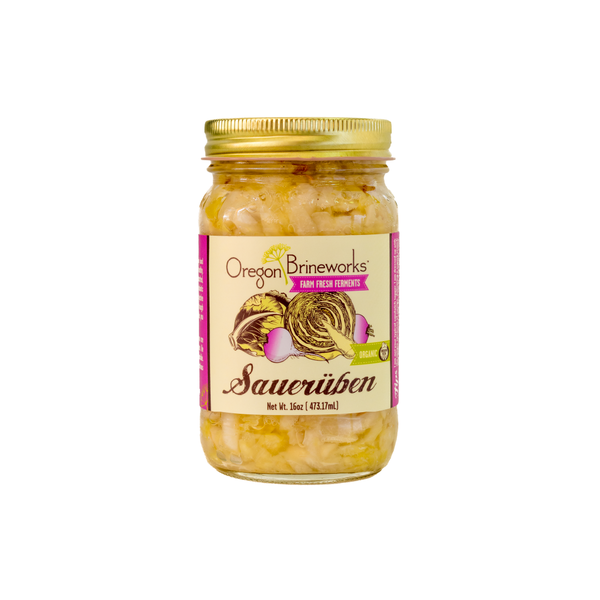
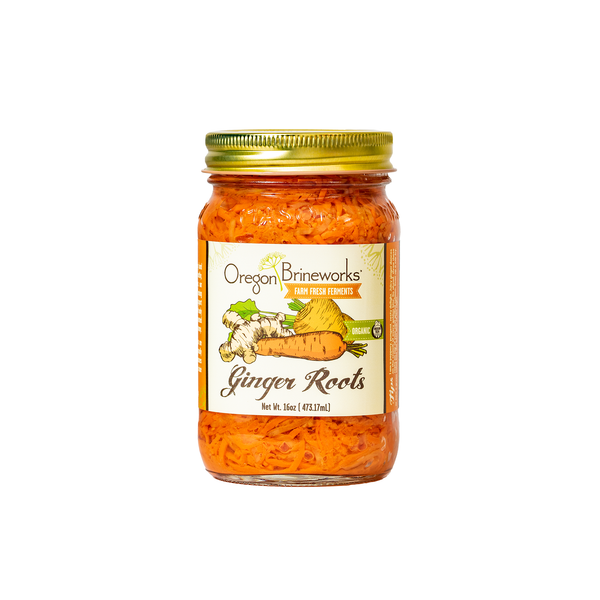
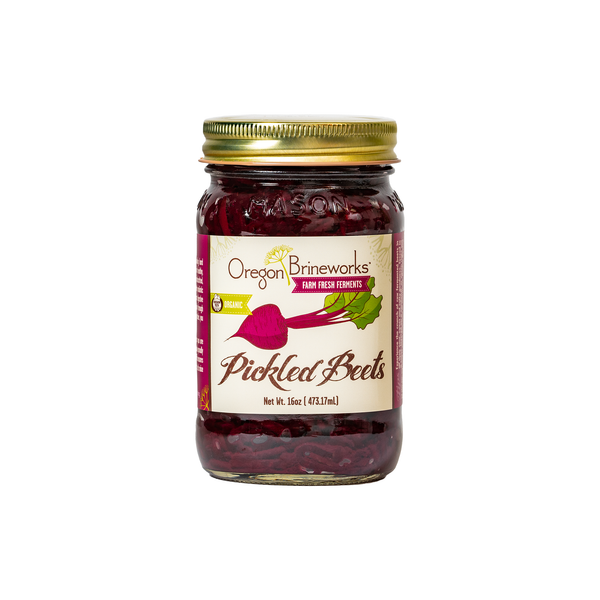
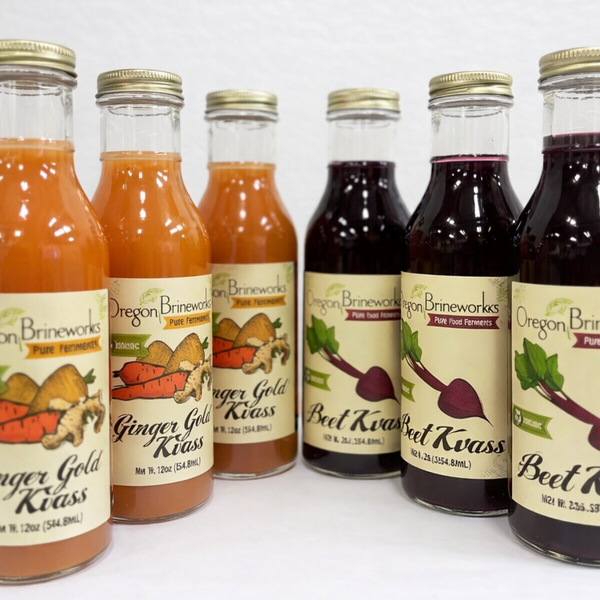
Oregon Brine Works makes kvass — a lacto-fermented beet beverage with Eastern European roots — alongside traditional dill pickles and fermented vegetables from their production facility in the Pacific Northwest. Their small-batch approach means seasonal availability and genuine variation batch to batch. Kvass is one of the most underappreciated fermented beverages, and Oregon Brine Works makes some of the best available through DTC channels.
Enter Store

Bushwick Kitchen

Food

Fermented heat that upgrades everything on your counter.

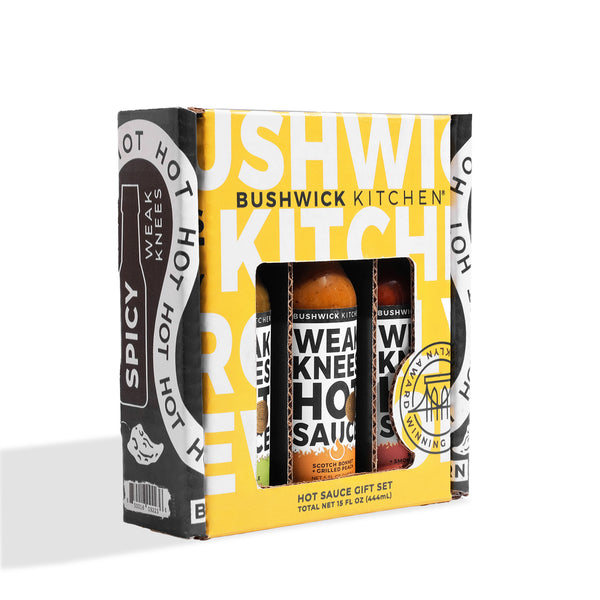
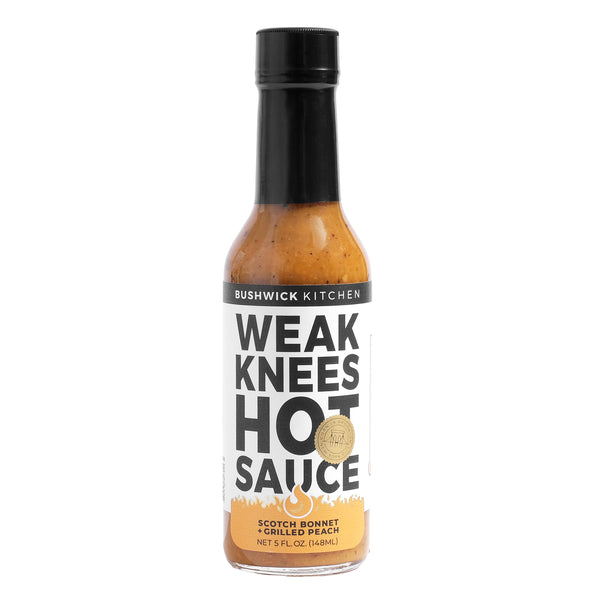
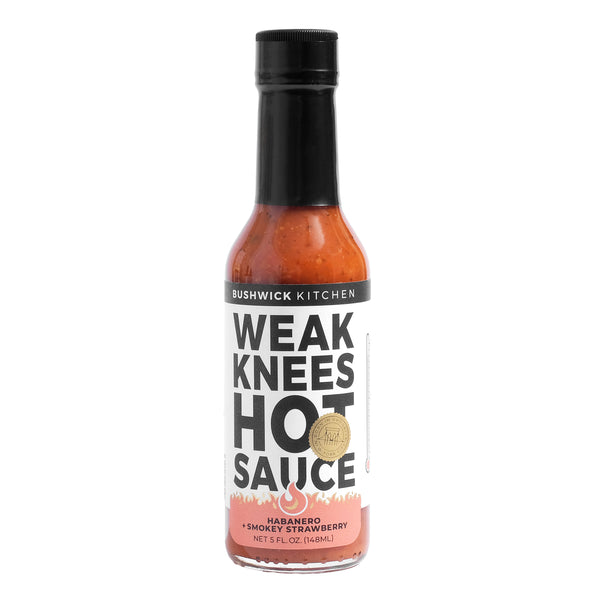
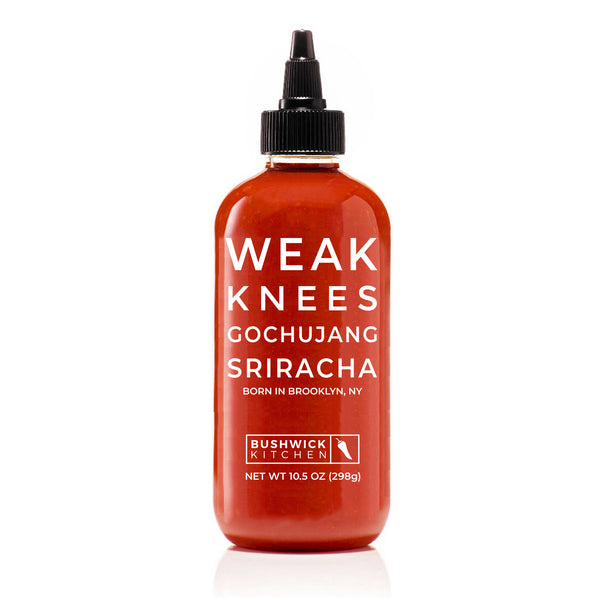
Started in Brooklyn in 2014, Bushwick Kitchen built their early reputation on spiced honeys before expanding into fermented hot sauces — including their Weak Knees Gochujang Sriracha, which uses fermented gochujang as the base. Gochujang is a traditional Korean fermented chili paste with a depth of flavor that fresh-pepper hot sauces simply cannot match. Bushwick Kitchen brings it into a format that works on everything from eggs to noodles.

Enter Store

Britt's Fermented Foods

Food

Oak barrel krauts made the way your great-grandmother would recognize.

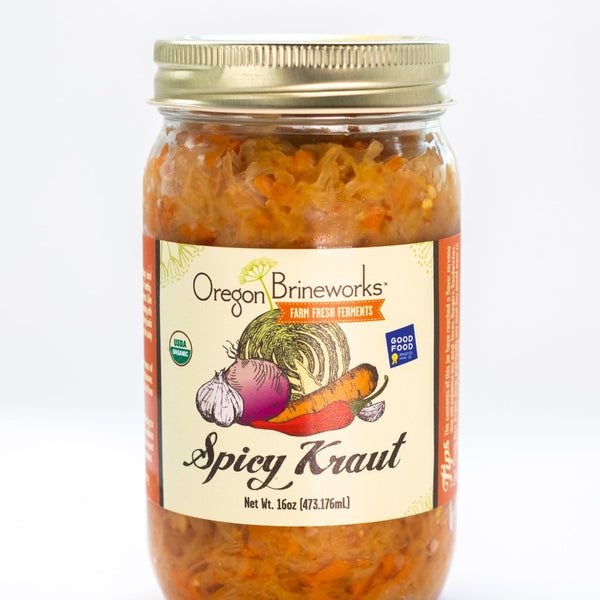
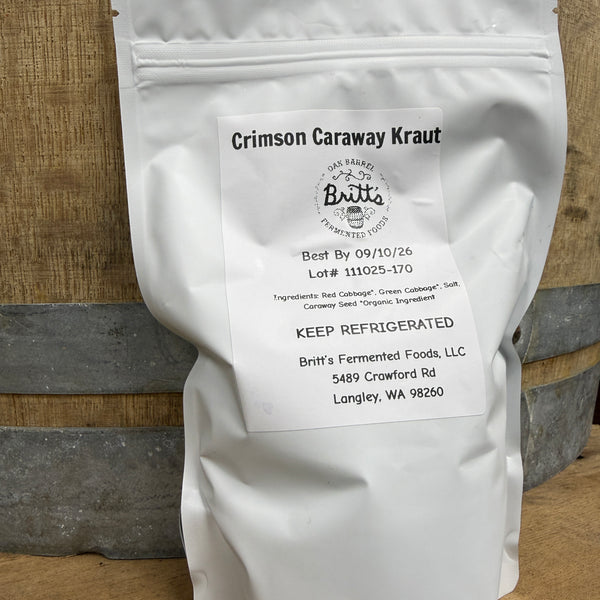
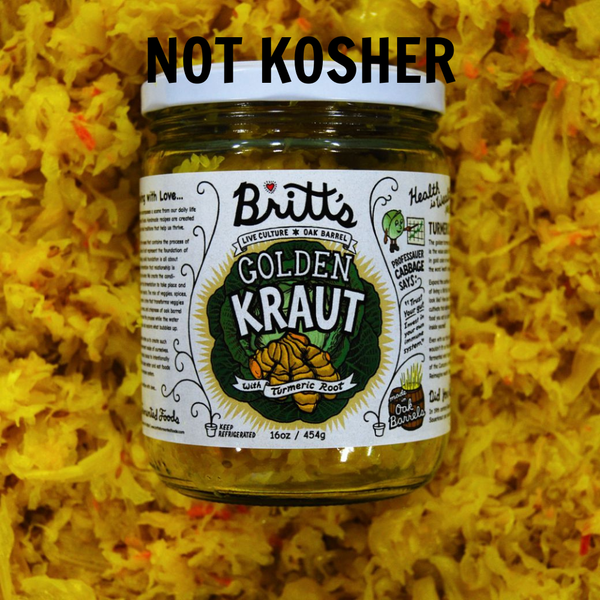
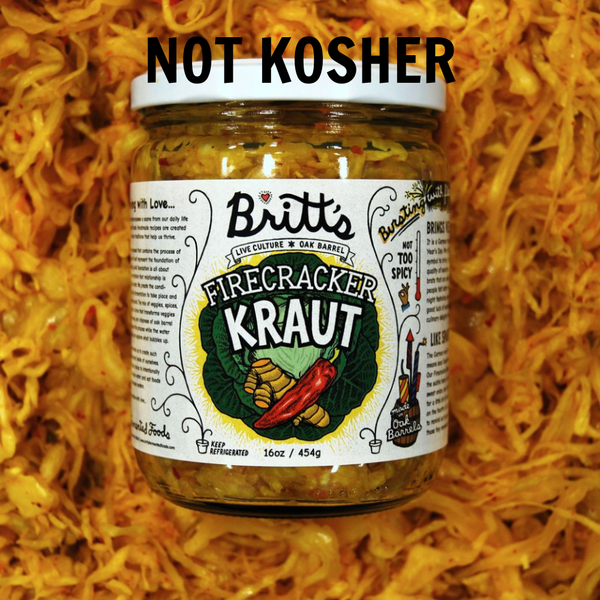
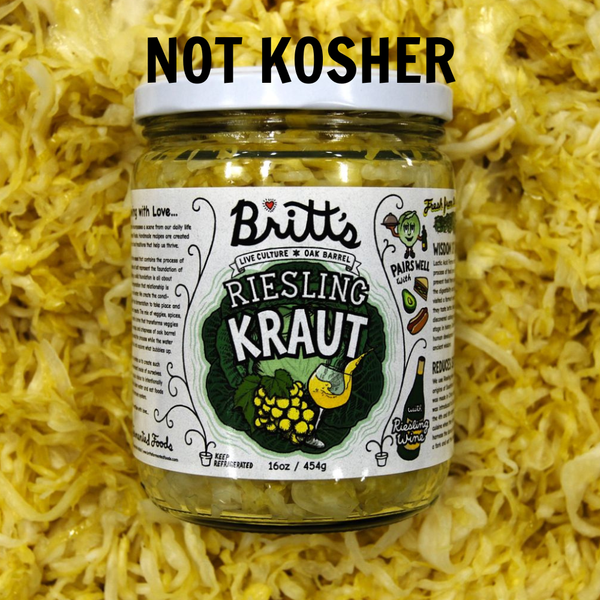
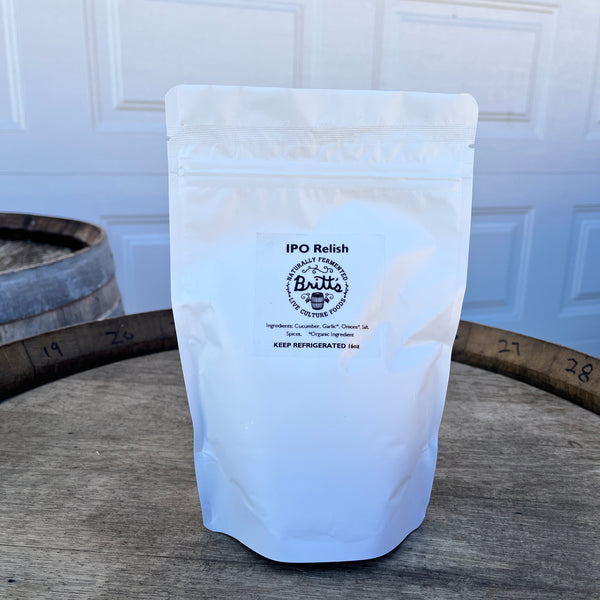
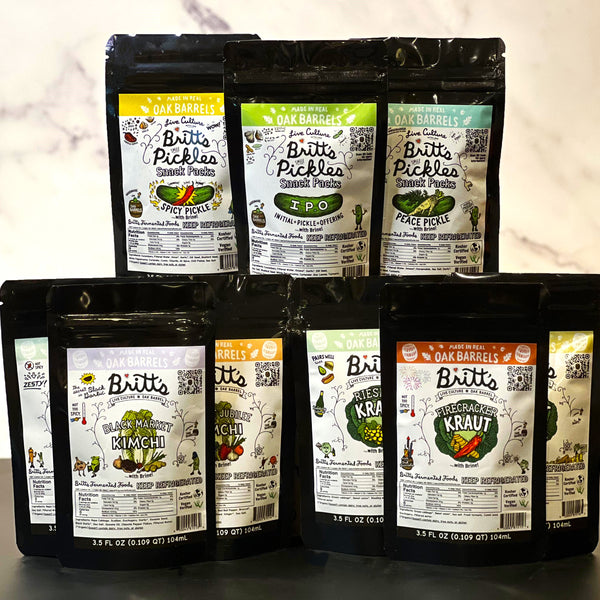
Britt's Fermented Foods is a Pacific Northwest company making sauerkraut and fermented vegetable products using small-batch, traditionally fermented methods. Their Crimson Caraway Kraut and Golden Kraut are standout products — made with whole, raw ingredients and fermented using wild cultures without starter cultures or shortcuts. They ship refrigerated and their products are reliably live on arrival.

Enter Store

Marukome USA

Food

Traditional Japanese miso from a brand with 170 years of practice.

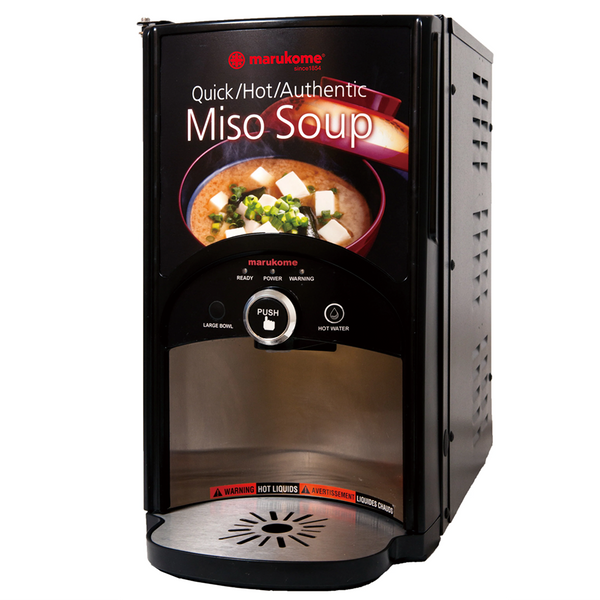
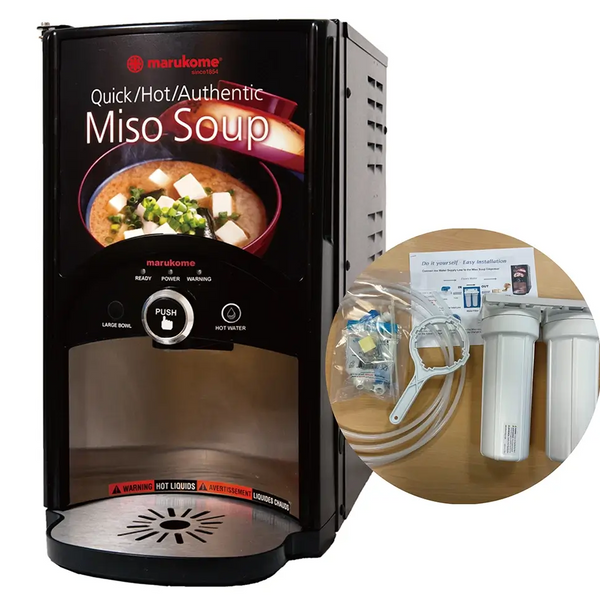
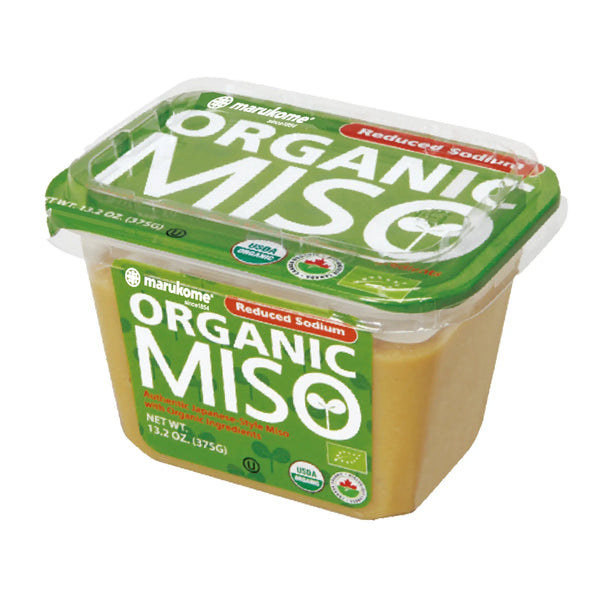
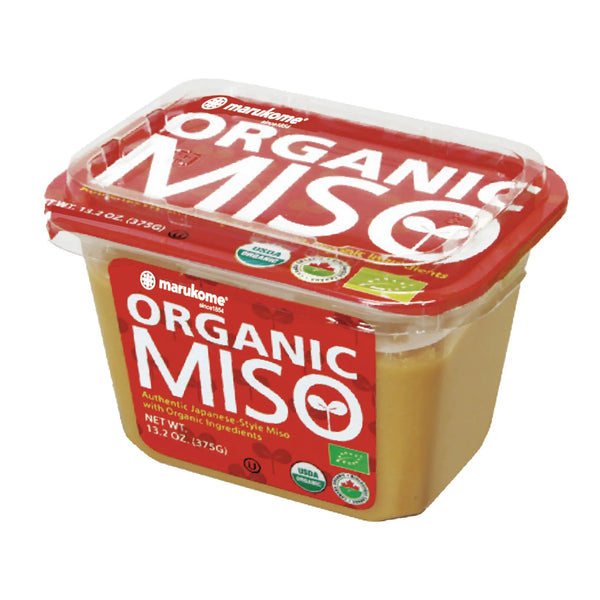
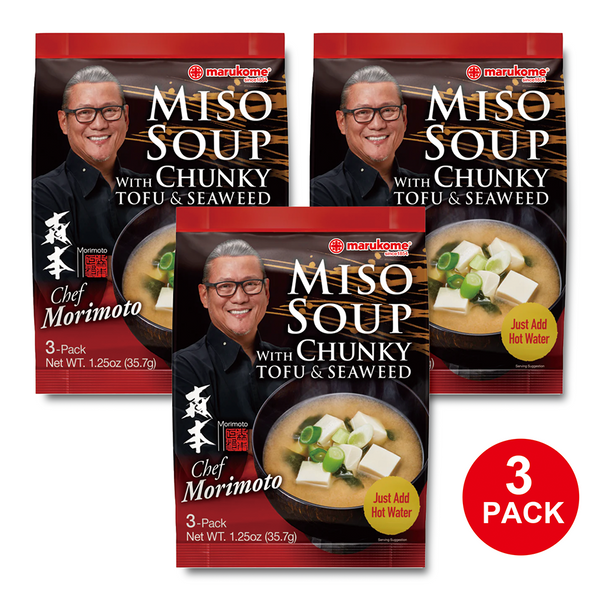
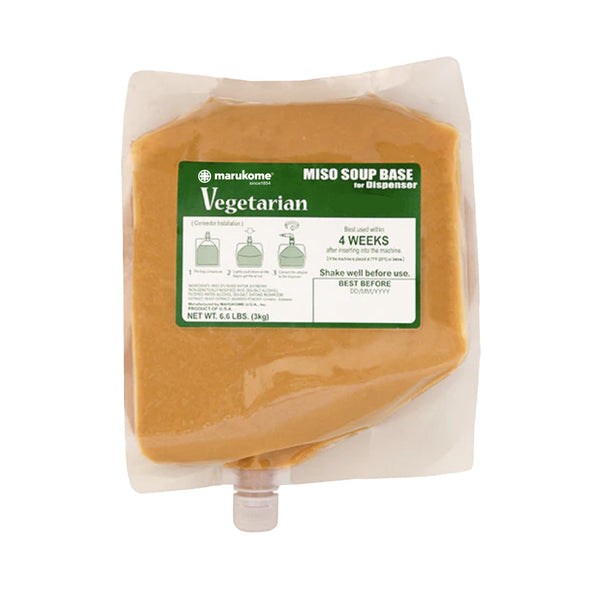
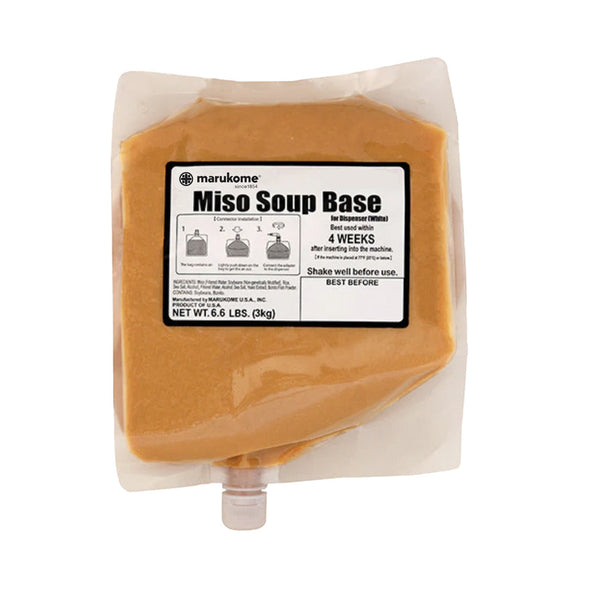
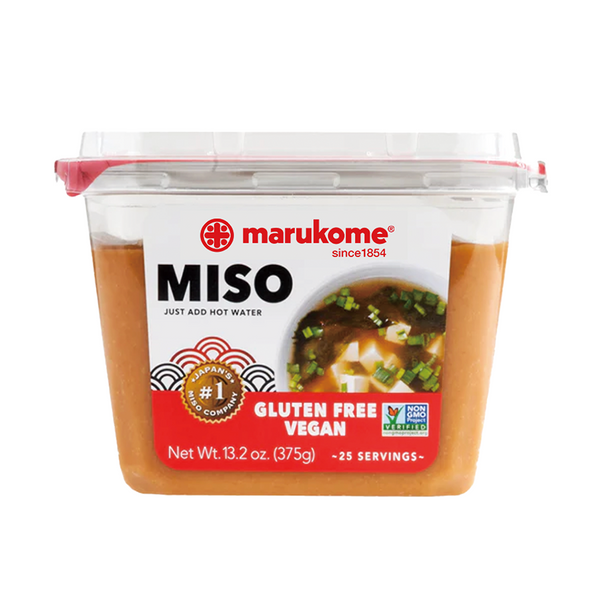
Marukome was founded in Nagano, Japan in 1854 and has been making miso — one of Japan's most fundamental fermented ingredients — for over 170 years. Their US operation brings organic miso paste and miso soup products to North American kitchens through DTC channels, alongside their innovative miso soup dispensers. Miso is among the most versatile fermented ingredients in the pantry: good for soup, marinades, glazes, and salad dressing.

Enter Store

About This District

Shopping small-batch fermented foods online requires understanding what you are actually buying. Most of the best brands ship refrigerated, which means they are selling live cultures rather than shelf-stable pasteurized products — look for this as a quality signal. Raw and unpasteurized means the fermentation cultures are still active, and that is what makes fermented food worth eating from a gut-health perspective. For sauerkraut and kimchi, look for short ingredient lists: cabbage, salt, maybe vegetables and spice. If there is vinegar in the ingredients, it is not fermented — it is pickled. Real fermented sauerkraut gets its sourness from lactic acid produced by the bacteria, not from vinegar. Sinto Gourmet and Britt's Fermented Foods are both excellent representatives of the kraut category, with Sinto's Kraut-Chi hybrids offering a particularly approachable entry point for people who find straight kraut too intense. For miso, Marukome USA brings Japanese tradition to a DTC format — their organic miso paste is a pantry staple worth keeping. Oregon Brine Works makes kvass, a lacto-fermented beet beverage that sits at the intersection of fermented food and functional drink. Bushwick Kitchen's gochujang-based sauces bring fermented heat to condiment form. Start with a variety pack from Olive My Pickle if you are new to fermented vegetables — their range covers the basics at quality that is hard to find in retail.