Mint Districts Food

Small-Batch Specialty Coffee Roasters Worth Ordering From

Specialty coffee in 2025 has finally separated itself from the caffeination category. These roasters aren't shipping blends designed to survive a year on a shelf — they're sending you this season's harvest from a named farm in Huila or Yirgacheffe, roasted within the last two weeks, priced honestly. The common thread is sourcing seriousness: every brand here can tell you the altitude, the variety, and the processing method of what you're about to brew. If you've been drinking grocery store coffee because you assumed the alternatives were pretentious or expensive, these are the roasters that change that assumption.

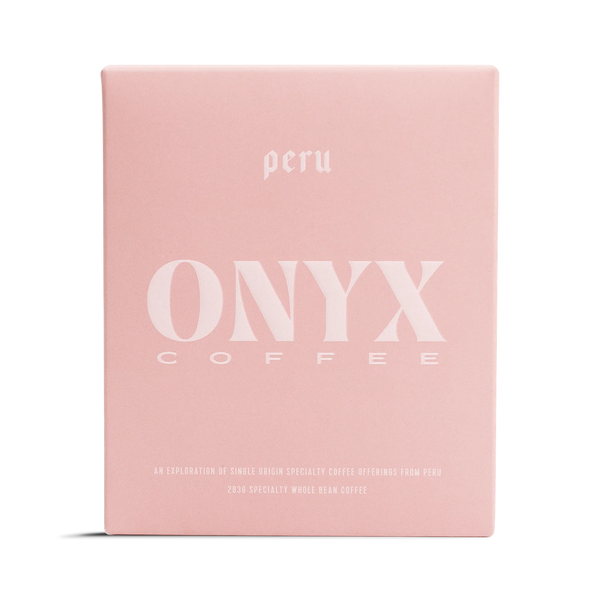
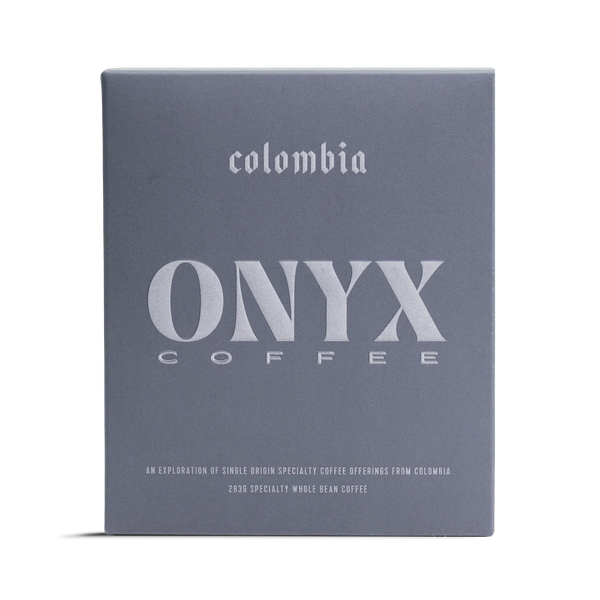
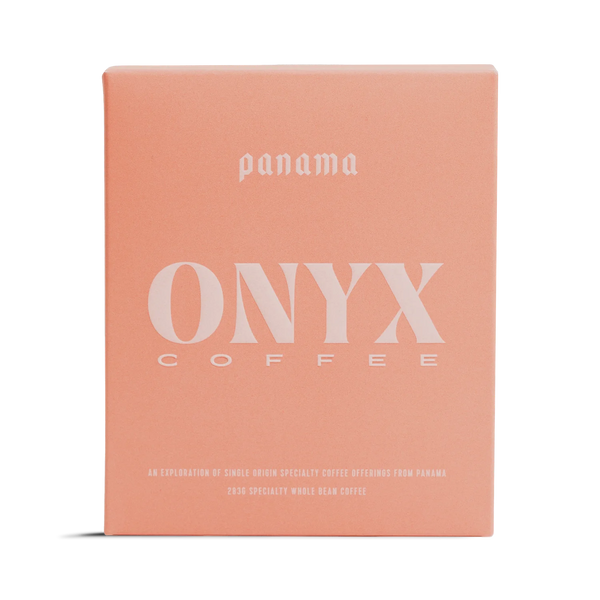
Onyx Coffee Lab

Food

SCA award-winning light roasts from Bentonville. Sourcing-obsessed, processing-precise.

Jon and Andrea Allen started Onyx in 2012 in Bentonville, Arkansas — not a conventional specialty coffee city. That outsider position shaped their approach: compete on quality, not geography. Their sourcing team travels to Ethiopia, Colombia, and El Salvador to buy directly from specific lots, and their roast profiles are calibrated to the variety and processing method of each coffee. Multiple SCA Good Food Awards. Consistently in the top tier of specialty roasters for washed light roasts.
Enter Store

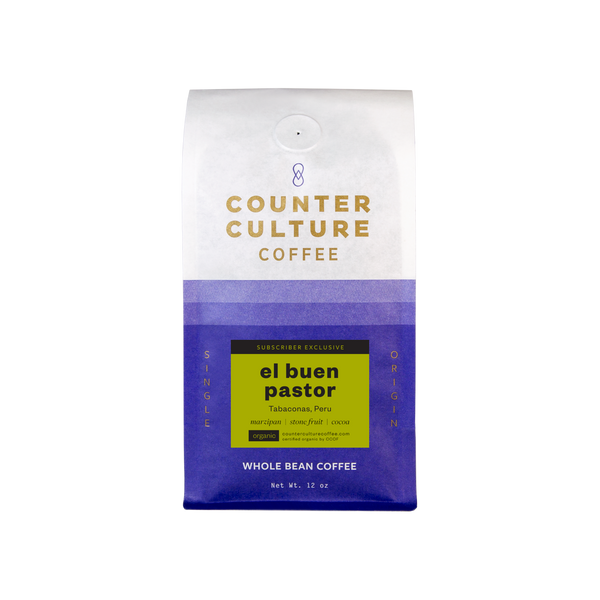
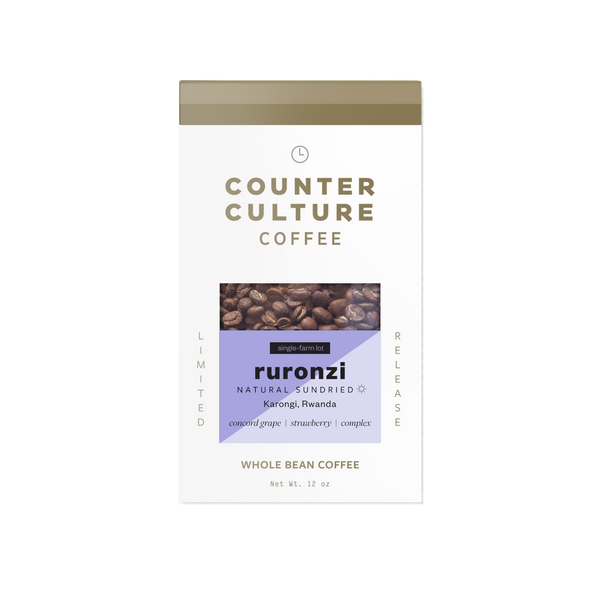
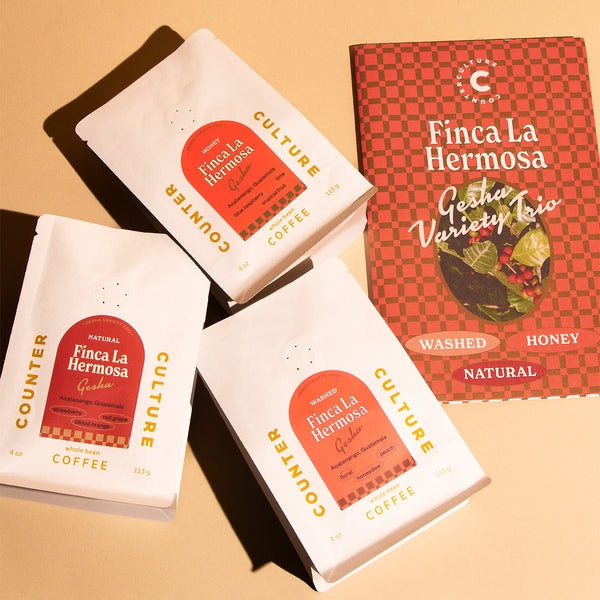
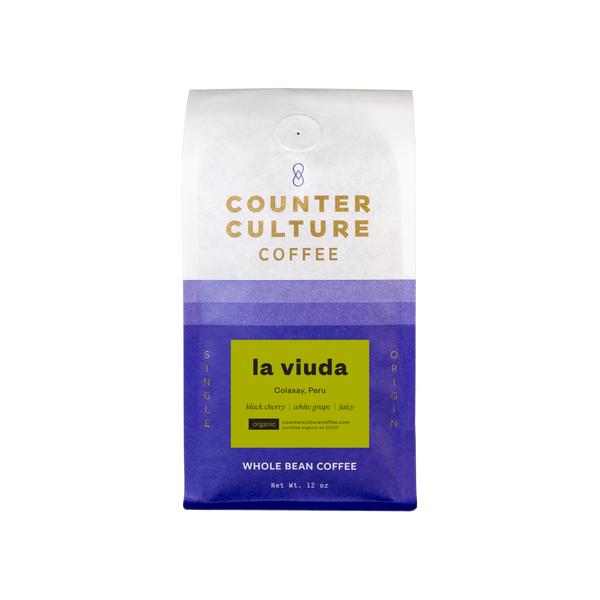
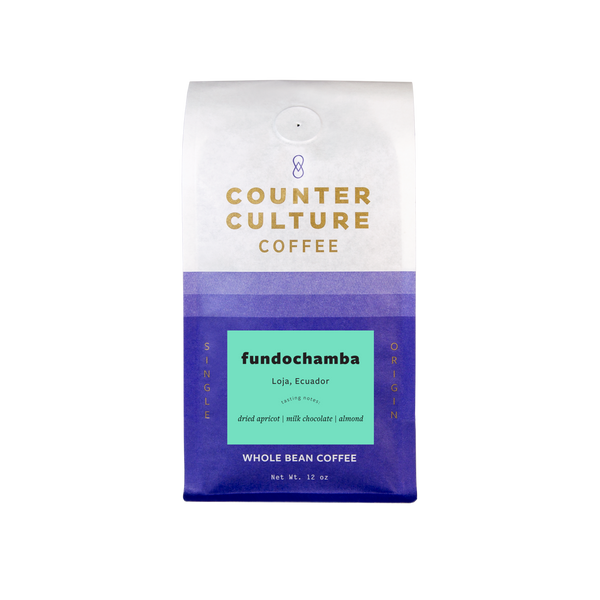
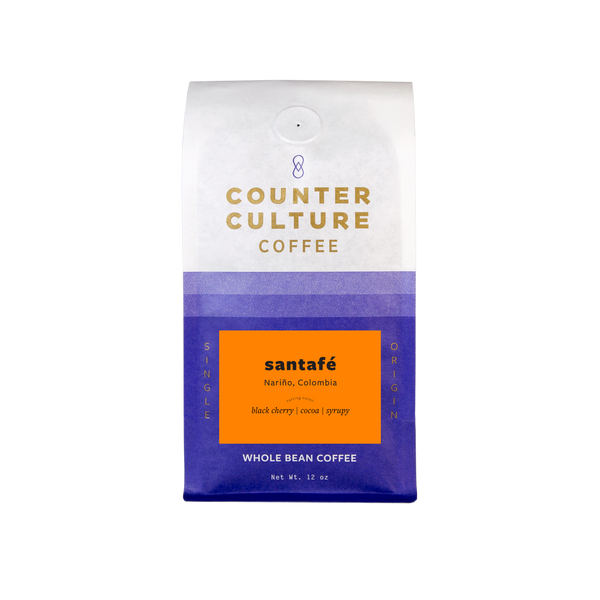
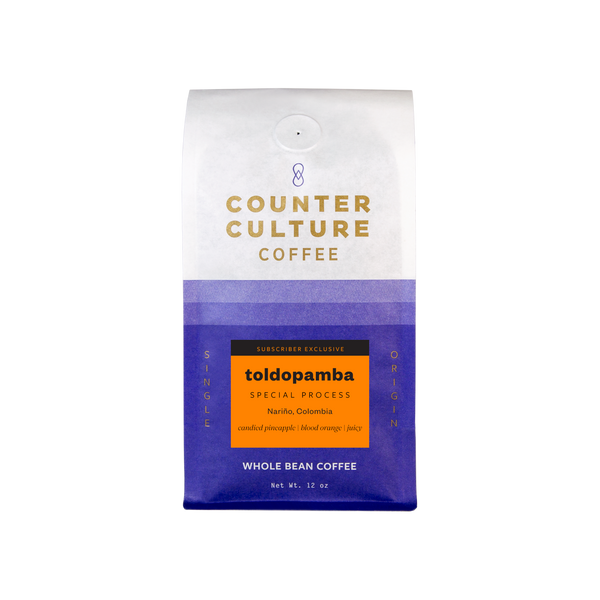
Counter Culture Coffee

Food

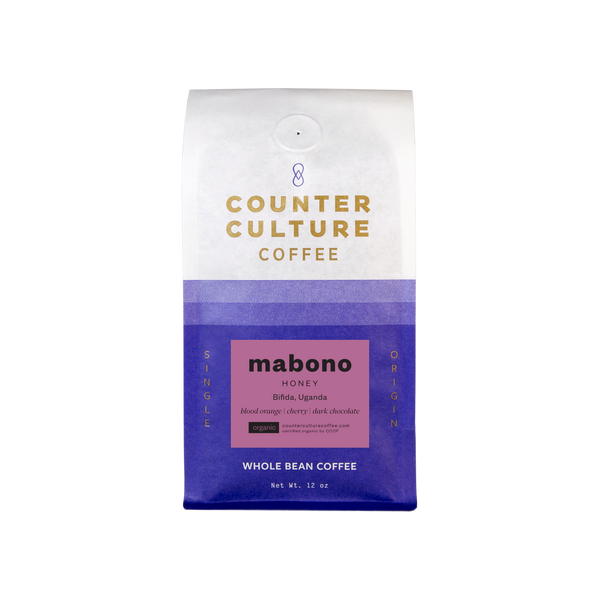
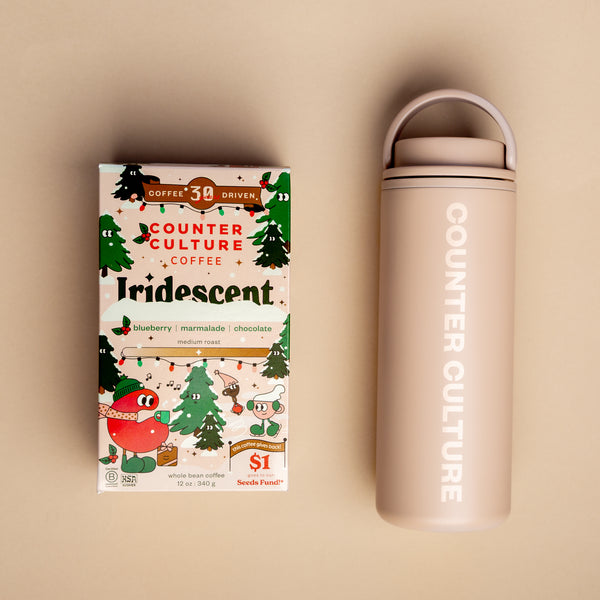
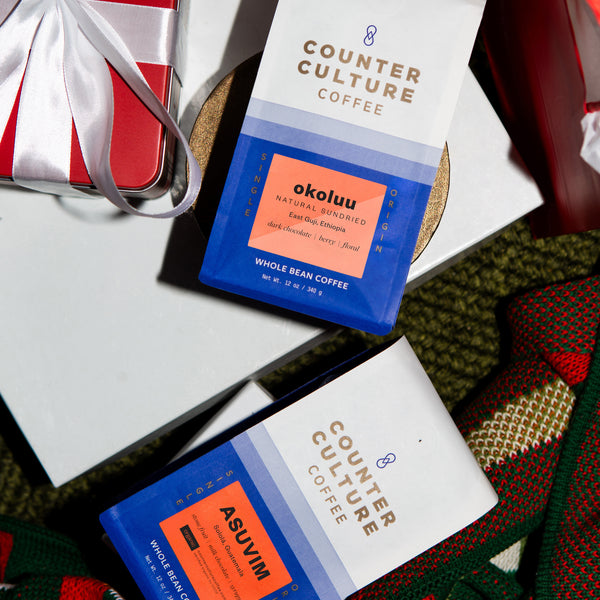
Durham, NC. Publishing transparency reports since 2009. One of the original direct-trade roasters.

Brett Smith and Fred Houk started Counter Culture in Durham in 1995, which puts them among the first wave of US specialty roasters that actually cared about where coffee came from. They started publishing annual transparency reports — documenting prices paid to farmers — before most roasters knew what that meant. Their Hologram espresso blend has been a benchmark for specialty cafes for years. Training centers in 11 cities.

Enter Store

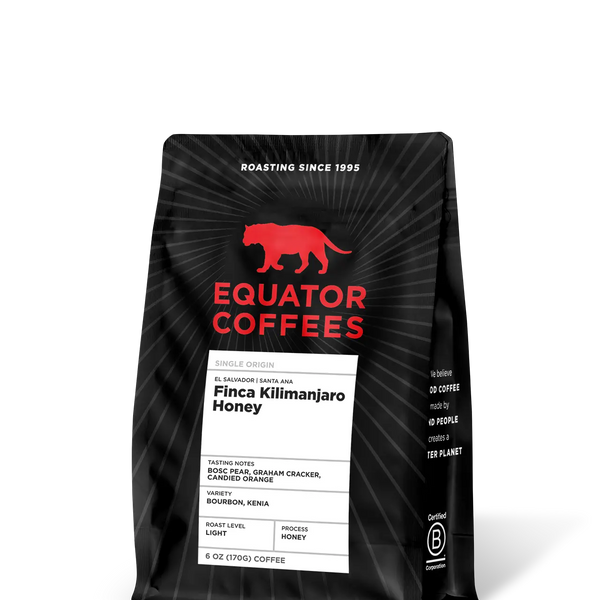
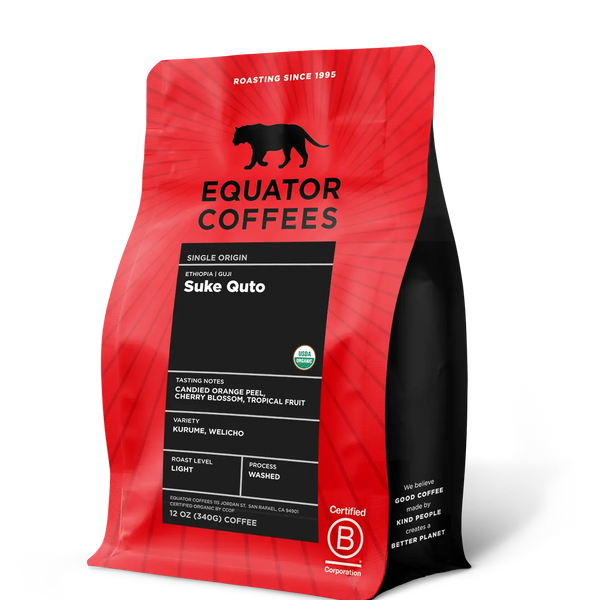
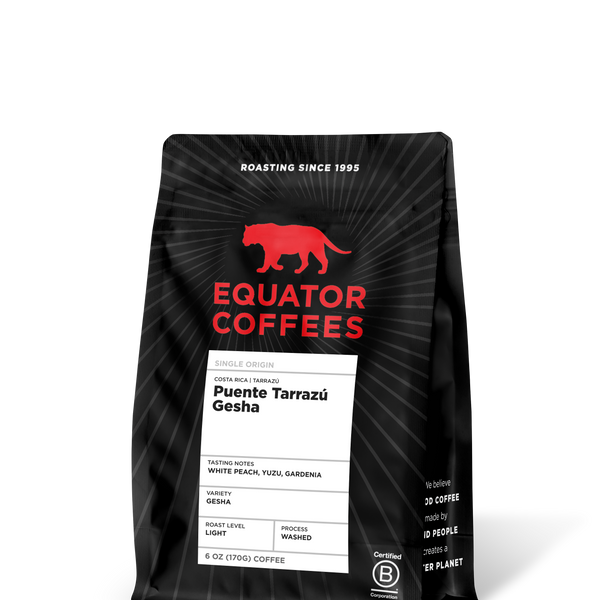
Equator Coffees

Food

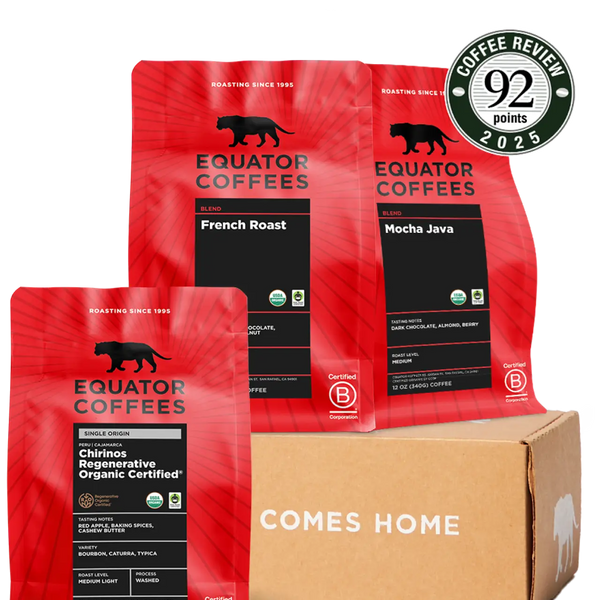
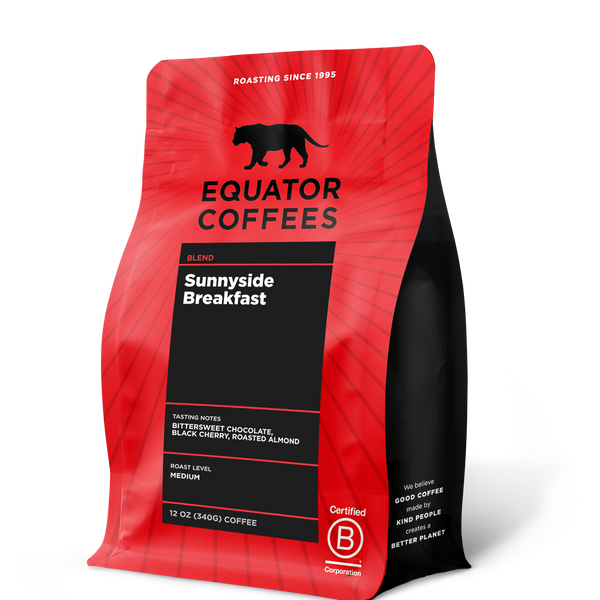
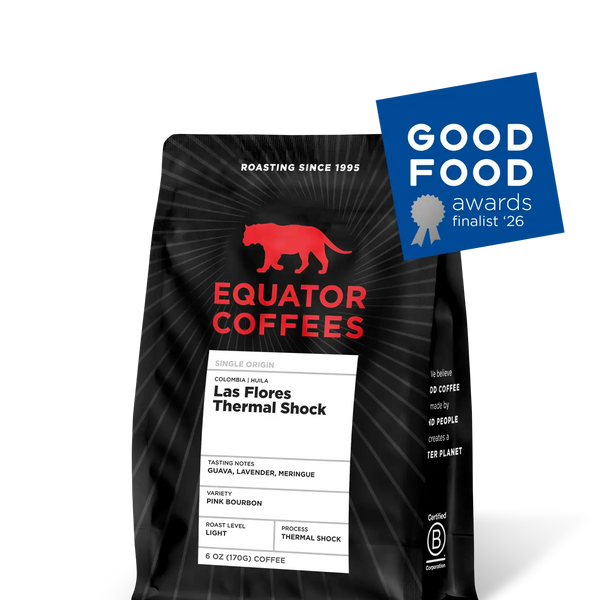
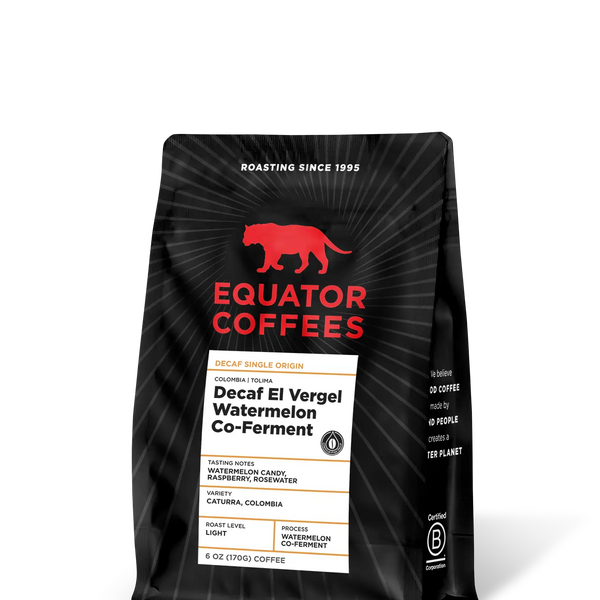
Women-owned, B Corp-certified. Sourcing equity built into every relationship.

Helen Russell and Brooke McDonnell founded Equator in 1995 out of Marin County, California. Equator was one of the first US roasters to be certified as a B Corp — a designation that looks at worker treatment, environmental impact, and community involvement, not just sustainable sourcing claims. Their sourcing program focuses on long-term farm partnerships in East Africa and Latin America, with pricing above Fair Trade minimums.

Enter Store

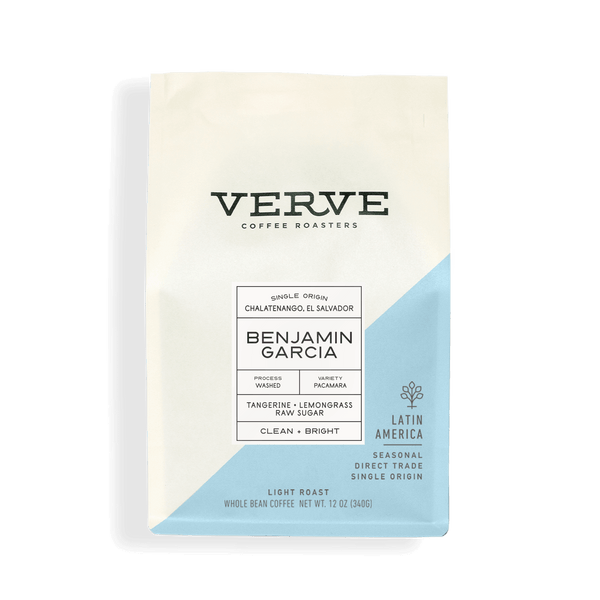
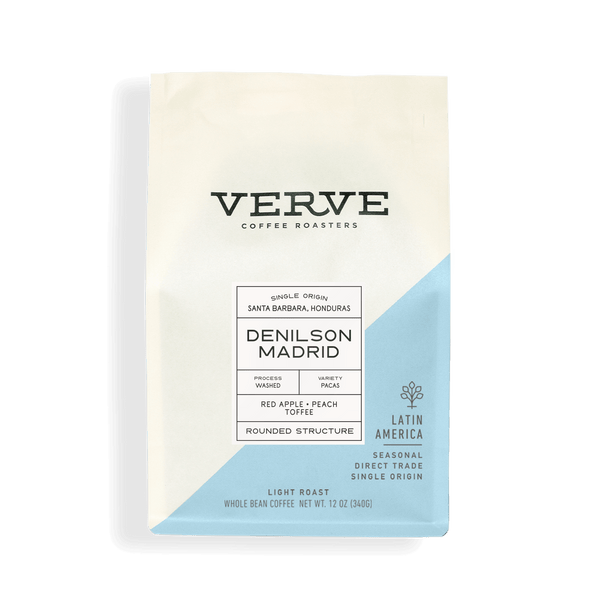
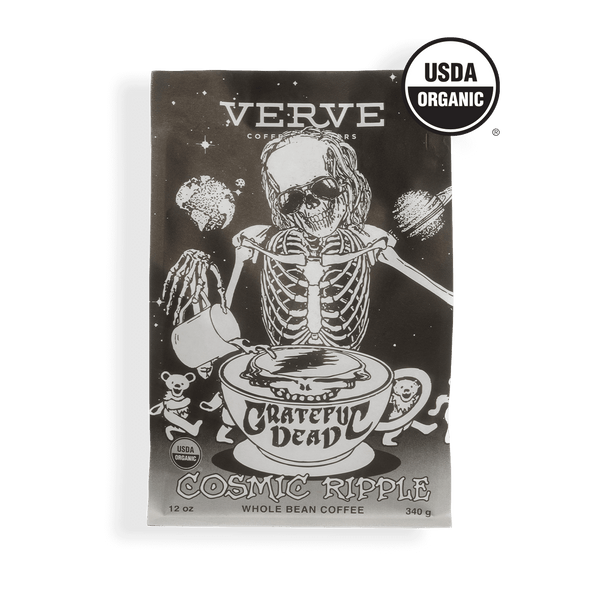
Verve Coffee Roasters

Food

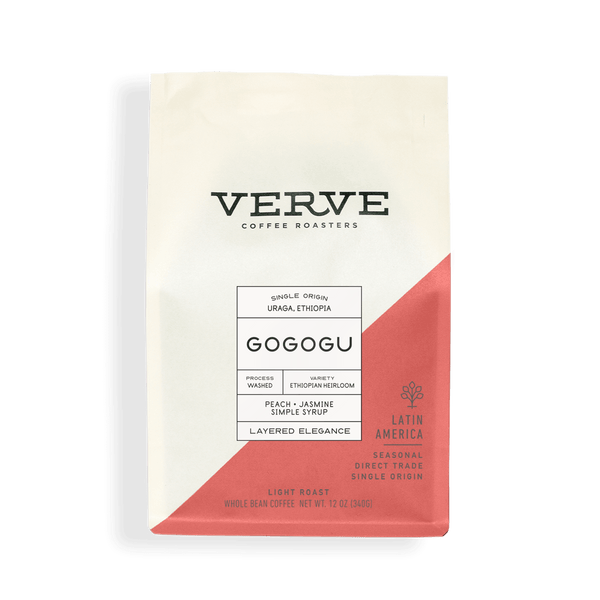
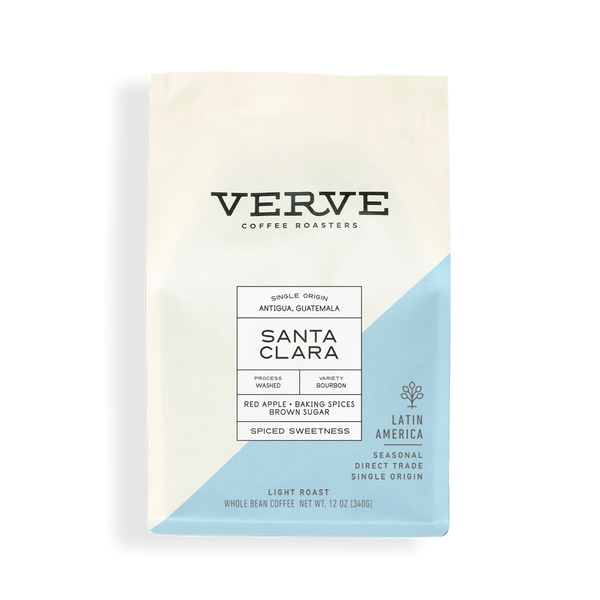
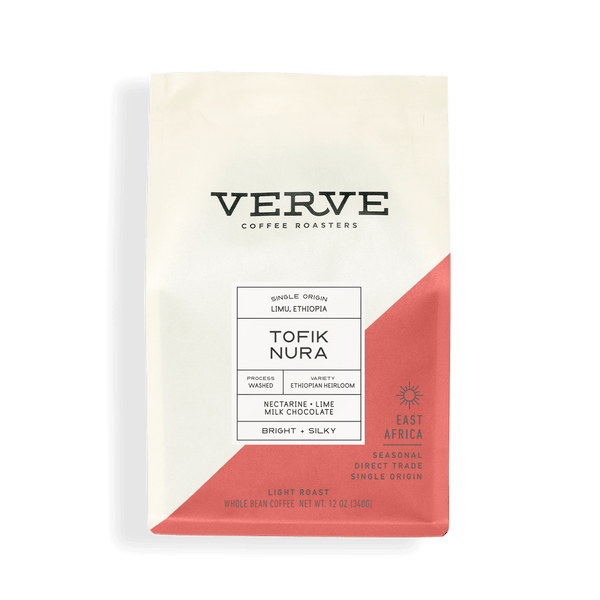
Santa Cruz roasters chasing fruit-forward light roasts. Ethiopia is their calling card.
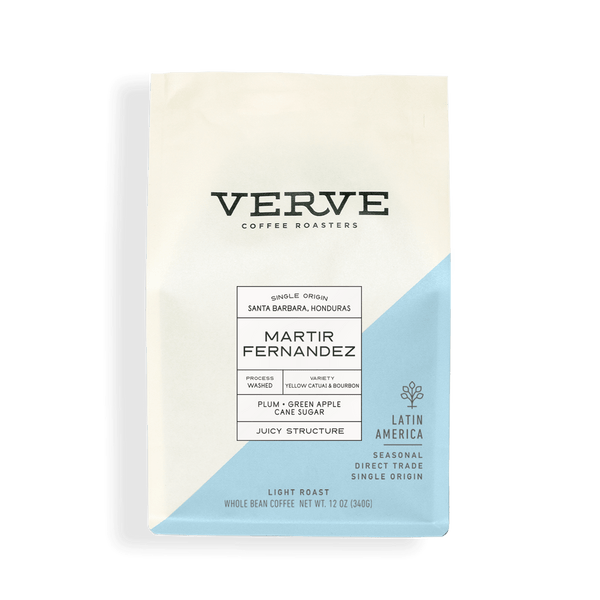
Ryan O'Donovan and Colby Barr launched Verve in Santa Cruz in 2007 with a clear aesthetic preference: bright, fruited, light. Their Ethiopia and Kenya lots are particularly well-regarded — they chase the washed-process clarity that makes single-origin light roasts taste like something other than coffee. Verve has expanded to Los Angeles and Tokyo without diluting the sourcing program.

Enter Store

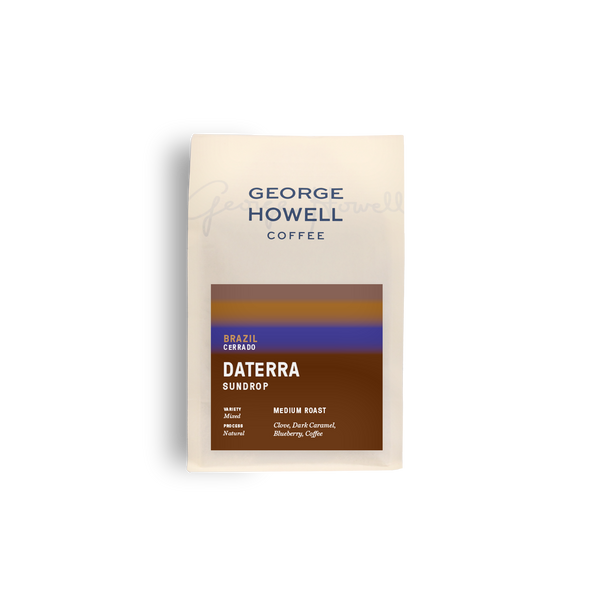
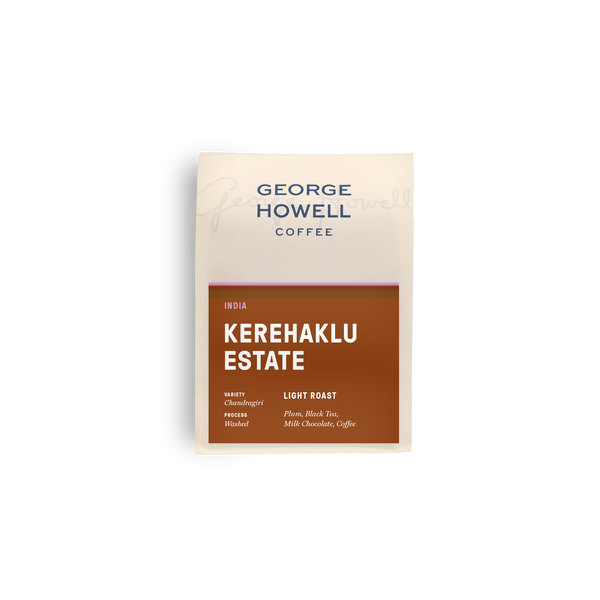
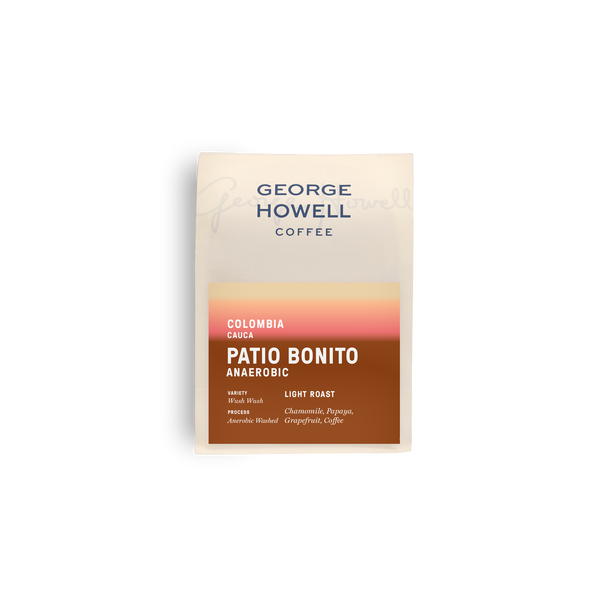
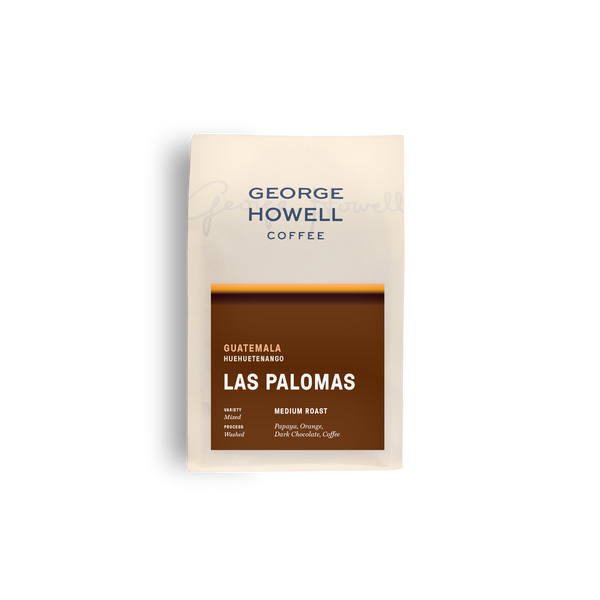
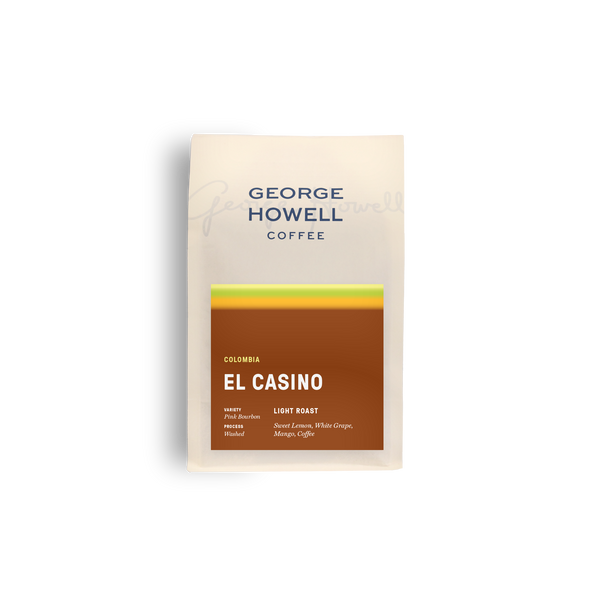
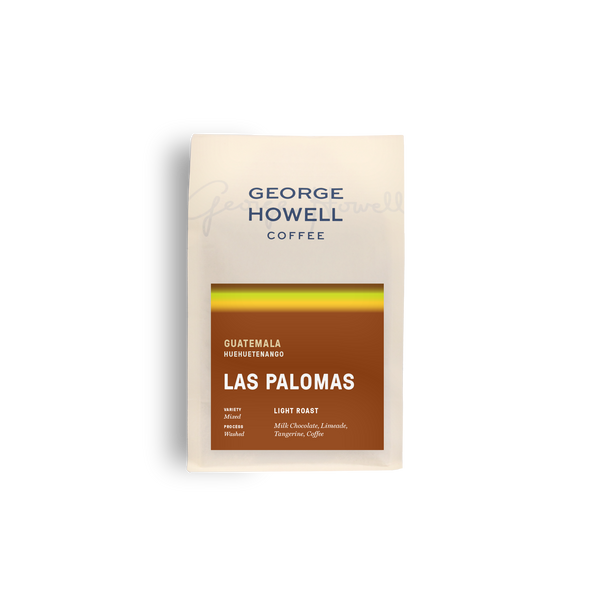
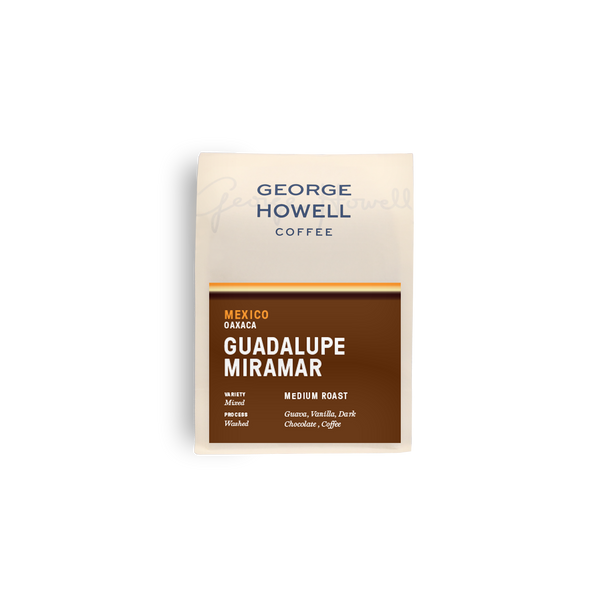
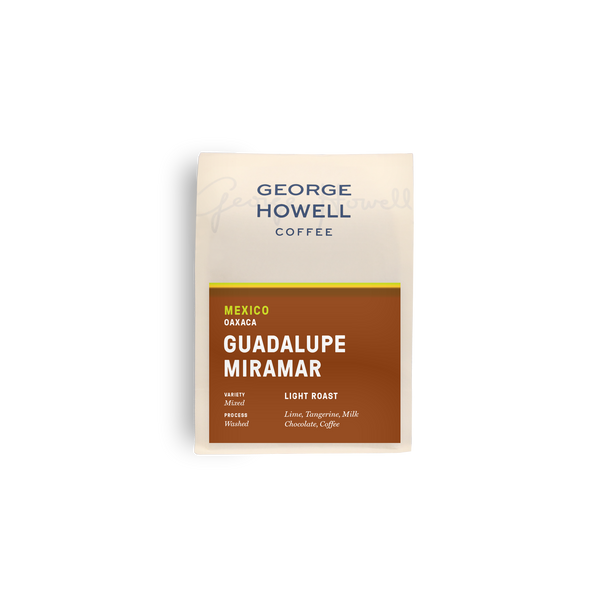
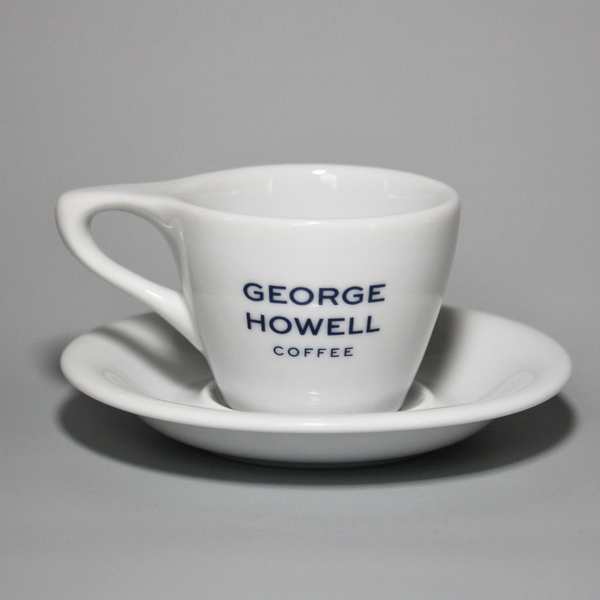
George Howell Coffee

Food

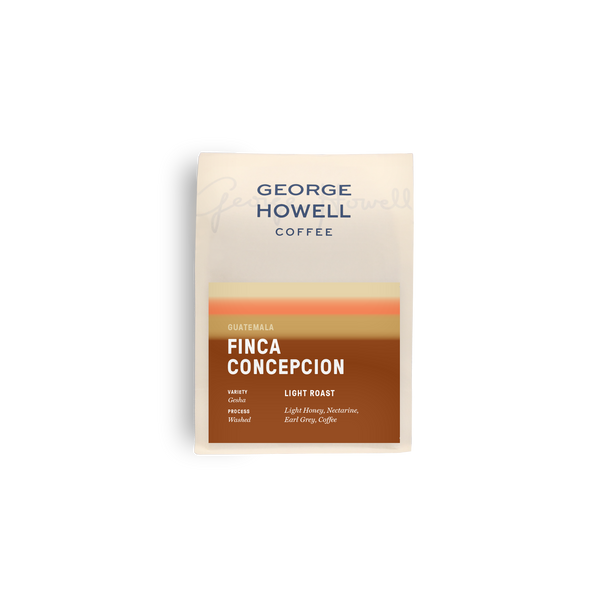
The godfather of US specialty coffee. Still roasting in Boston, still right about light roasts.
George Howell opened The Coffee Connection in Cambridge in 1974 and eventually developed the Frappuccino concept — which he sold to Starbucks in 1994. He spent years consulting, then re-entered specialty with George Howell Coffee in 2004, focused purely on extraordinary single-origin lots and precise light roasting. If Counter Culture and Intelligentsia are the direct-trade pioneers, Howell is the one they point to as the original.

Enter Store

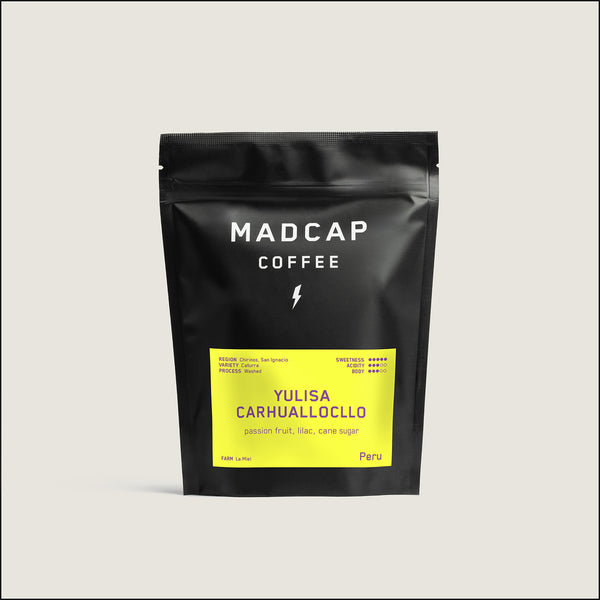
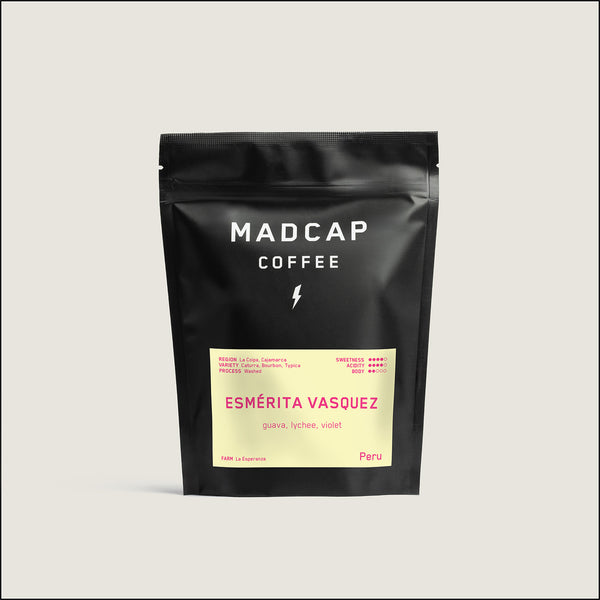
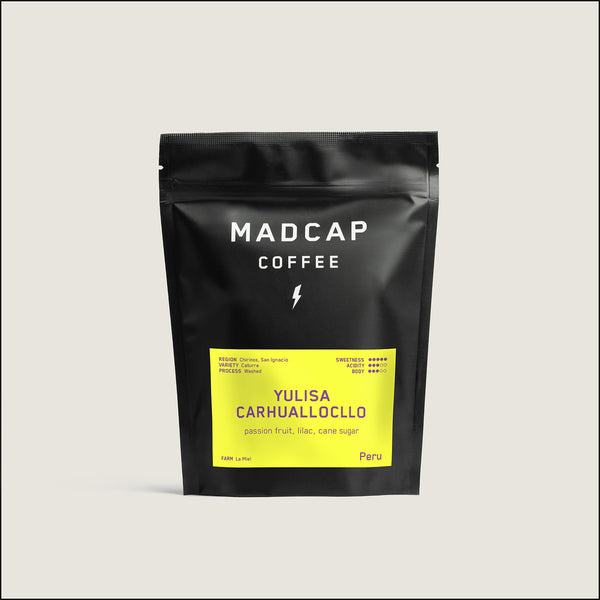
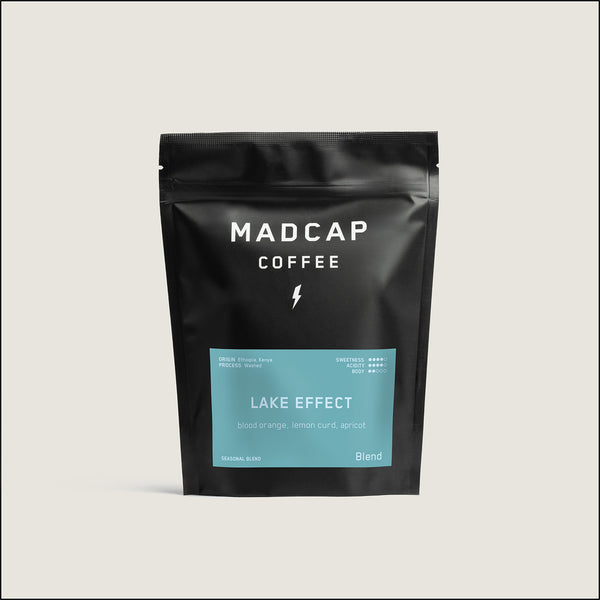
Madcap Coffee

Food

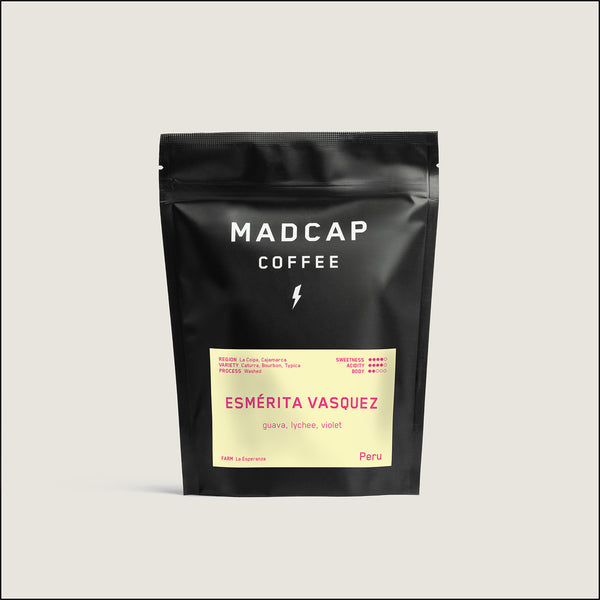
Grand Rapids roasters. Understated branding, exceptional single-origins from Ethiopia and Colombia.

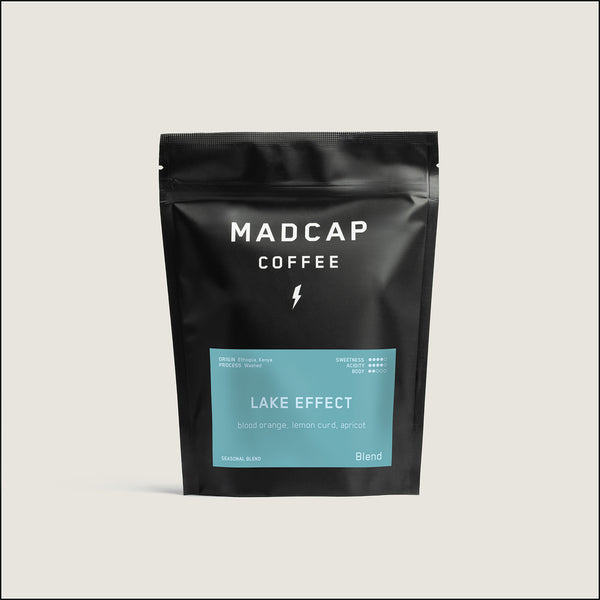
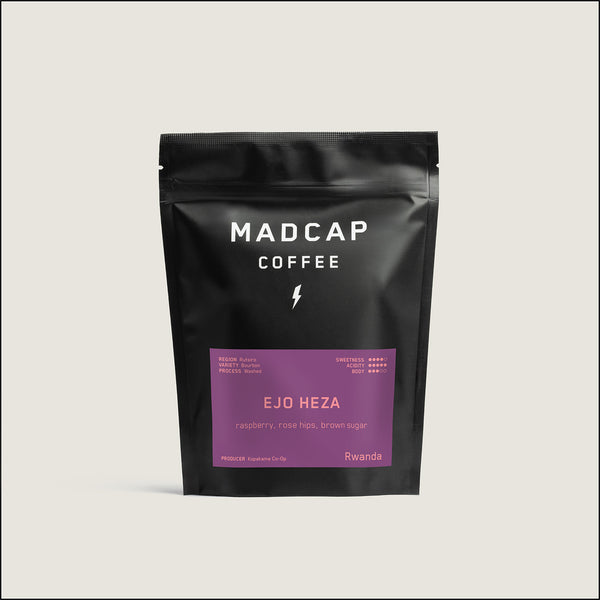
Ryan Knapp opened Madcap in Grand Rapids, Michigan in 2008 and the brand has stayed quietly focused since — no major expansion, just consistently excellent coffees from Ethiopia, Guatemala, and Kenya. Madcap was early to anaerobic fermentation processing and has been exploring winemaking-adjacent methods with producers in Colombia and El Salvador. One of the more technically serious roasters operating out of the Midwest.

Enter Store

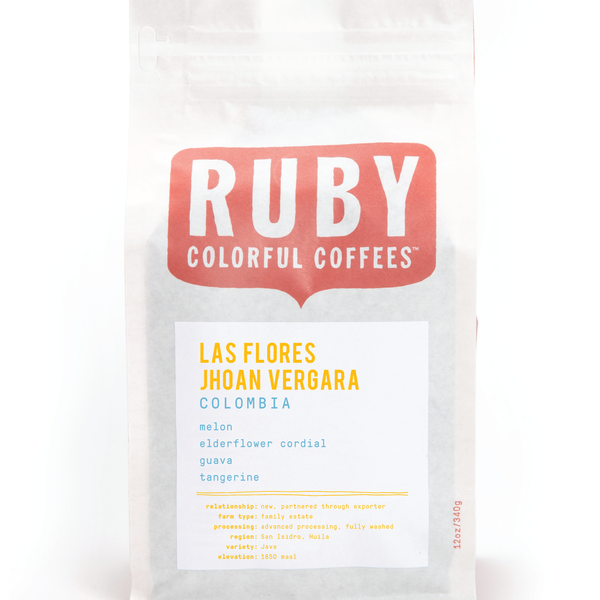
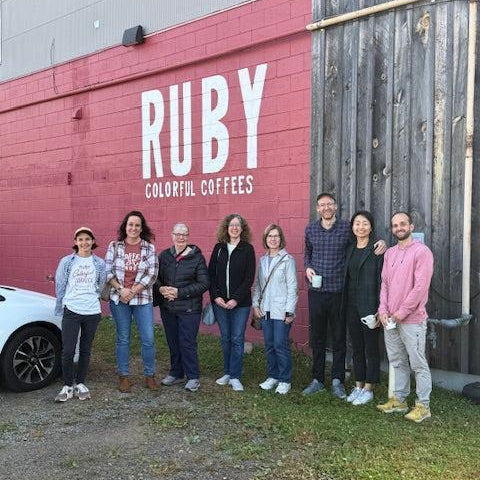
Ruby Coffee Roasters

Food

Nelsonville, Wisconsin. Gesha lots and meticulous washed Africans from a 400-person town.

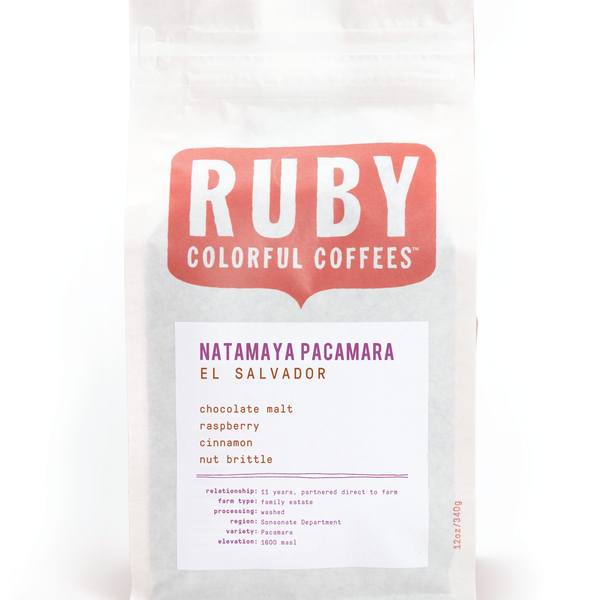
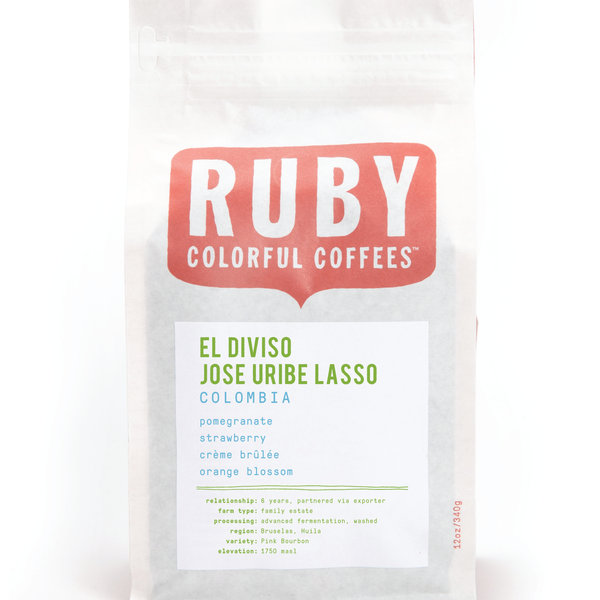
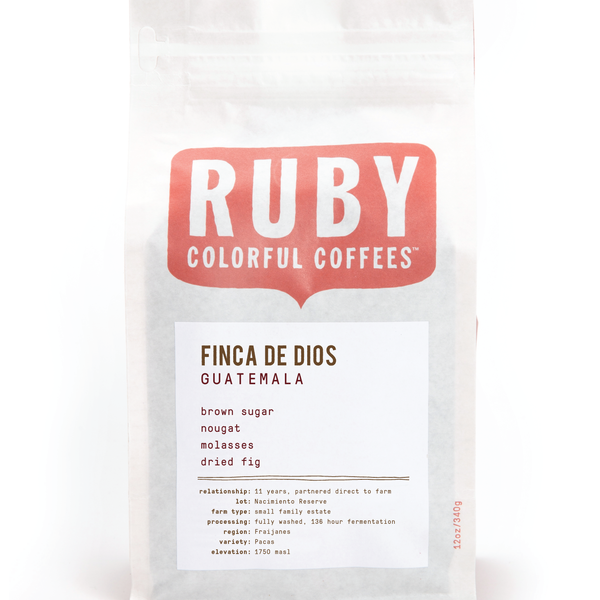
Jared Linzmeier started Ruby in 2013 in Nelsonville, Wisconsin — a village of about 400 people. The brand punches well above its geography: consistently included in specialty media's best-of roaster lists, with direct relationships with producers in El Salvador and Ethiopia. Their focus on washed processing means origin flavors come through clearly. If you want to understand what terroir in coffee actually means, start here.

Enter Store

Tandem Coffee Roasters

Food

Portland, Maine. Direct relationships, small volumes, exceptional clarity in the cup.

Will Pratt and Kathleen LaCourt opened Tandem in Portland, Maine in 2012. The name is literal — they're genuine partners in everything, from farm visits to roast profiling. Tandem keeps the offering deliberately small: a handful of coffees at a time, each sourced directly and rotated with the harvest calendar. Their Burundi and Ethiopian lots have a reputation for unusually high clarity — the kind of cup that rewards a proper pour-over setup.

Enter Store

About This District

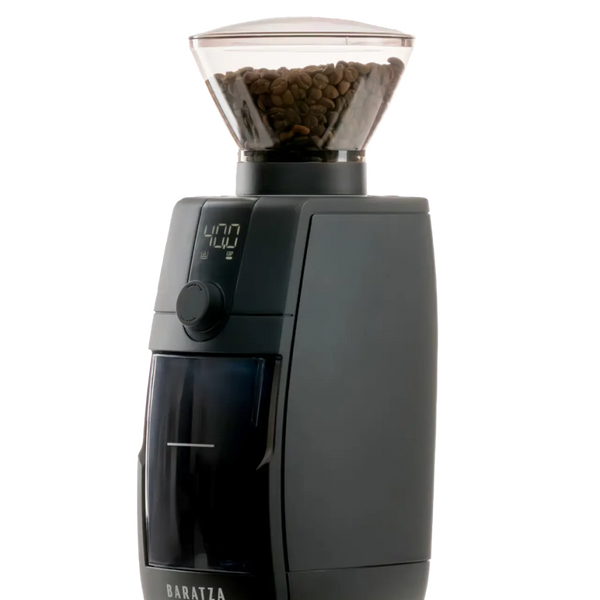
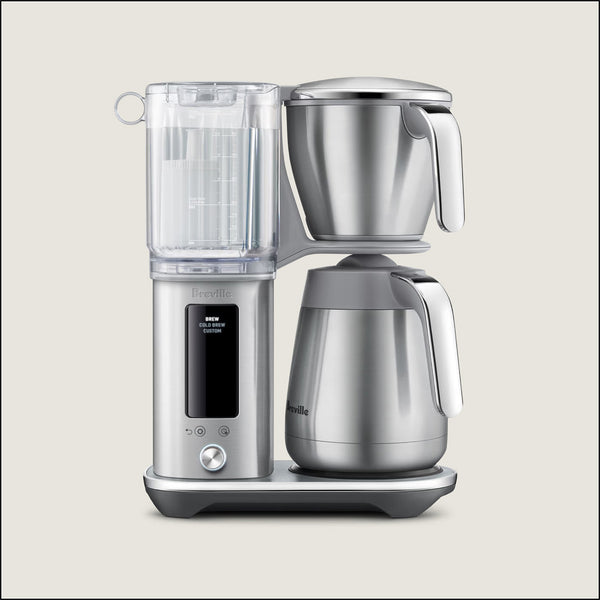
Shopping small-batch specialty coffee DTC means thinking differently about what you're actually buying. Coffee is seasonal produce — the best lots are available for weeks, not years. When a roaster marks something as a 'seasonal single origin,' that's not marketing: it means when it's gone, the specific harvest is gone. Buy two bags if you like something. That said, small-batch roasters rotate their offering regularly to follow the harvest calendar — if a Colombian lot sells out, there's almost always another lot incoming from the new harvest. Processing method is the clearest indicator of what a coffee will taste like before you brew it. Washed coffees (also called wet-processed) are clean, bright, and let terroir shine — ideal if you care about how a specific region or variety tastes. Natural-process coffees retain more of the fruit pulp during drying, which adds a pronounced berry sweetness and a heavier body. Honey-processed coffees sit between the two: more complexity than washed, less fruit-forward than natural. If you're new to specialty coffee, start with a washed Ethiopian or Colombian — both are widely accessible entry points. For equipment: most specialty coffee shipped DTC performs best through a pour-over or AeroPress, where you control the variables directly. A grinder matters more than most people realise — even a decent burr grinder at $80–120 will improve extraction quality more than upgrading your brew device. Start there.