Mint Districts Food

Artisan Olive Oil Brands Worth Knowing

The gap between grocery store olive oil and the real thing is enormous — and embarrassingly easy to close. Most supermarket EVOO is blended from multiple countries, bottled months after harvest, and stripped of the polyphenols that make fresh oil worth using. The artisan olive oil brands that emerged in the last decade changed the conversation: Brightland treated it like a beauty product. Graza put it in a squeeze bottle and made it go viral. What they both understood is that when olive oil is this good — grassy, peppery, specific — it deserves to be at the center of the table, not hiding in the back of a cabinet. This is that category.

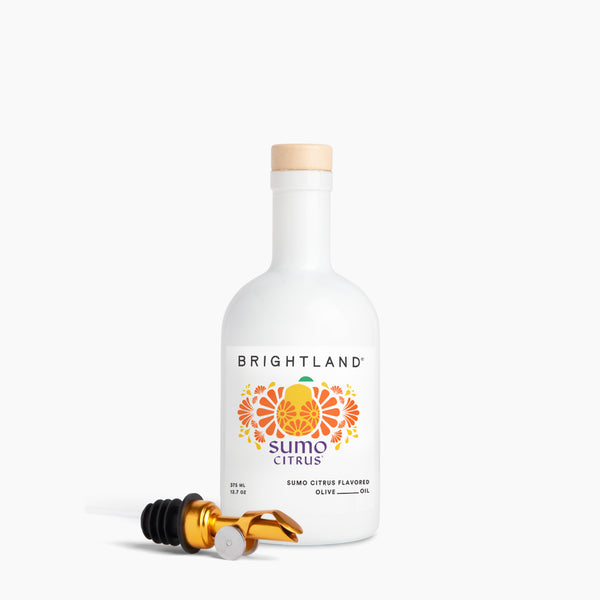
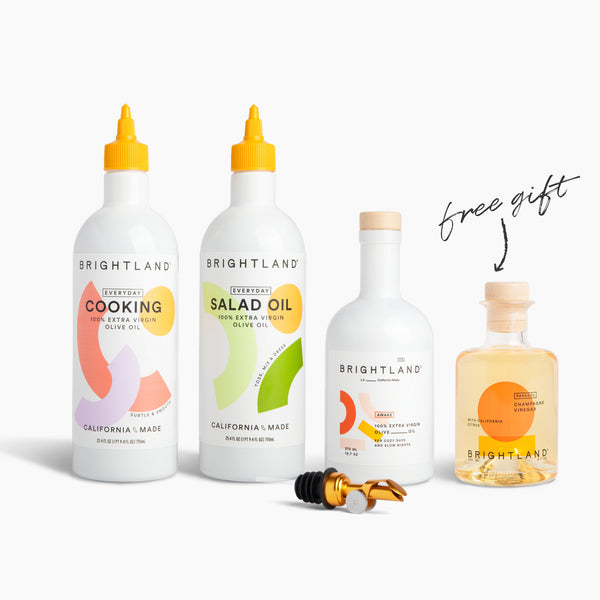
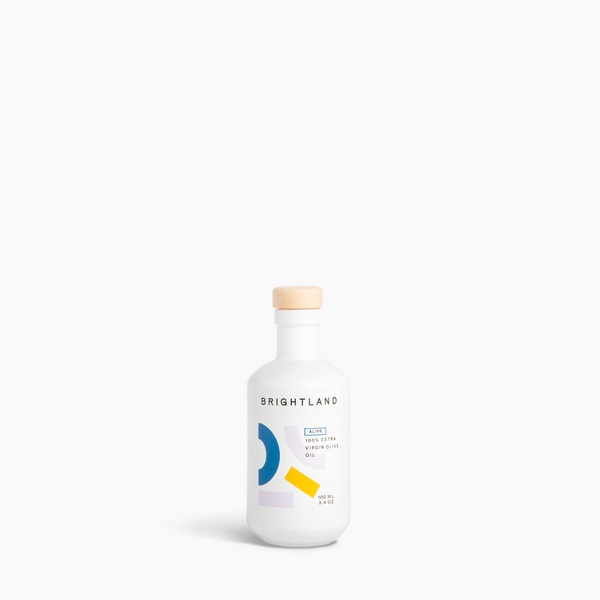
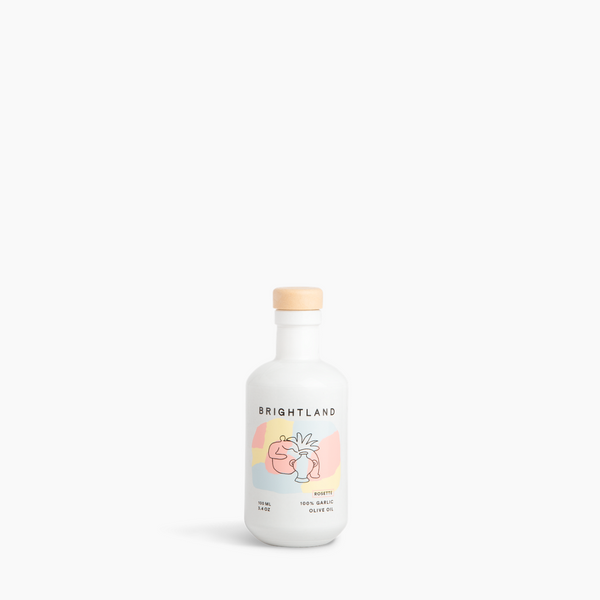
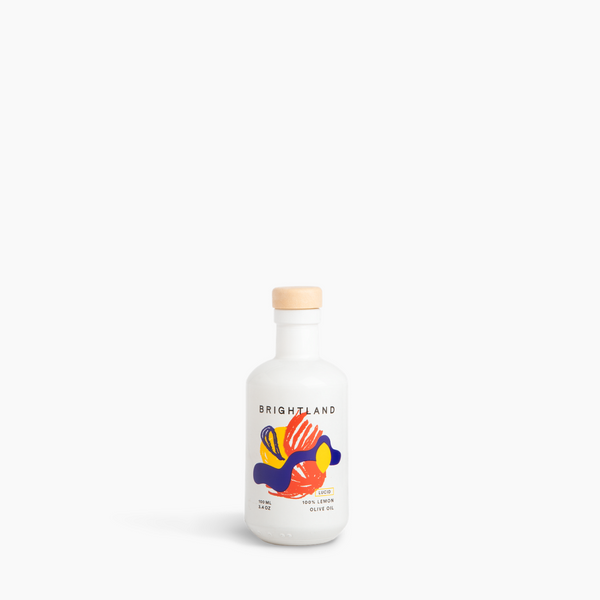
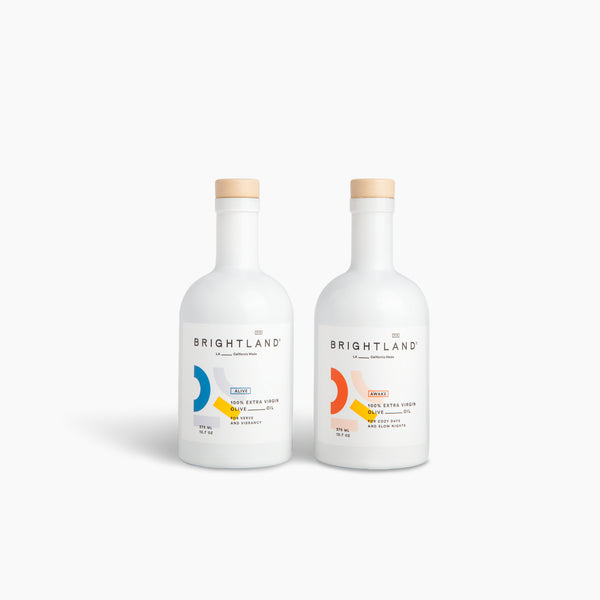
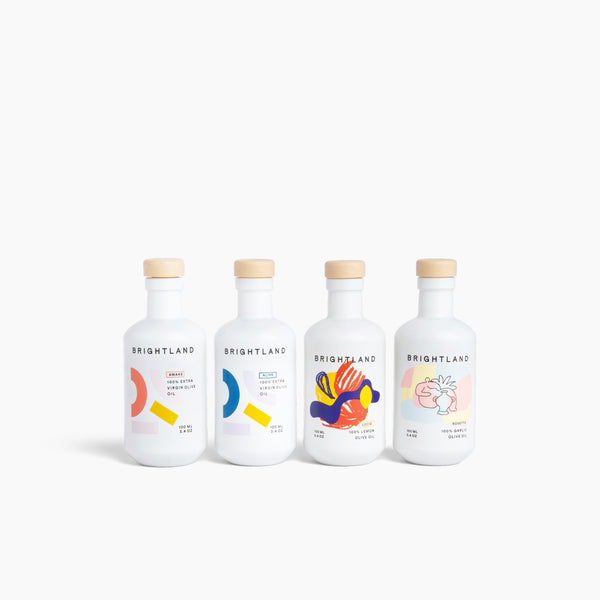
Brightland

Food

California EVOO designed like a beauty product, made like fine wine.

Founder Aishwarya Iyer started Brightland in 2018 after discovering how rampant fraud and rancidity were in the olive oil industry — she wanted to offer something genuinely traceable and fresh. Her approach was to market olive oil the way beauty brands market serums: with deliberate packaging, clear sourcing, and an emphasis on what the product actually does. All oils are California-grown, cold-pressed, and harvested at peak polyphenol density. The brand has expanded into infused oils, vinegars, and honey, but the EVOO remains the anchor.
Enter Store

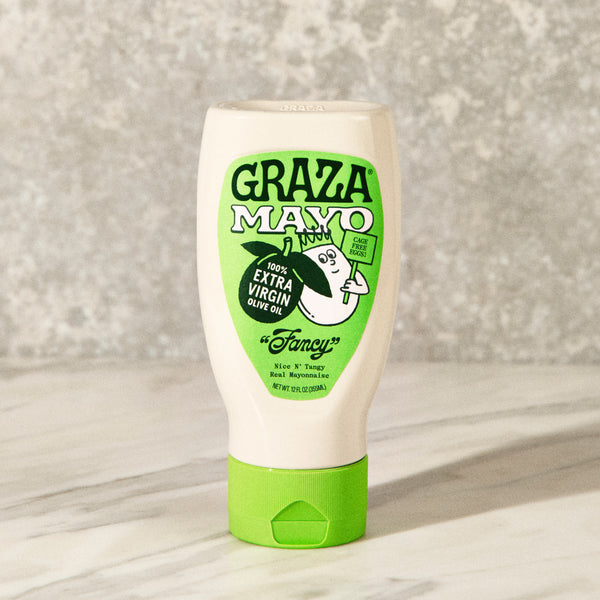
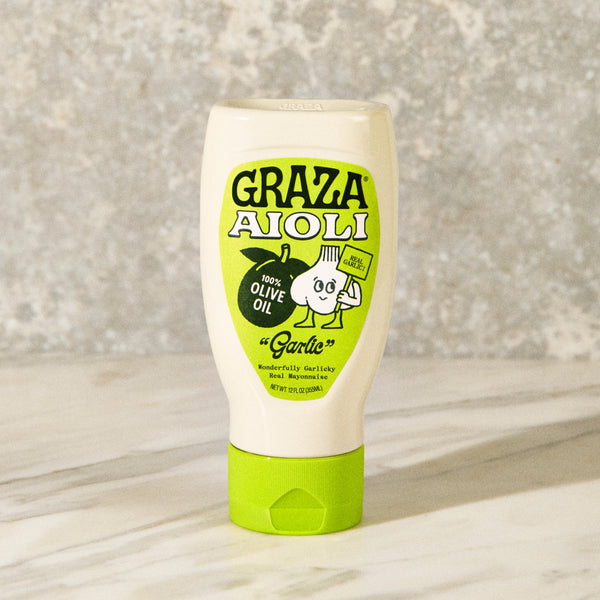
Graza

Food

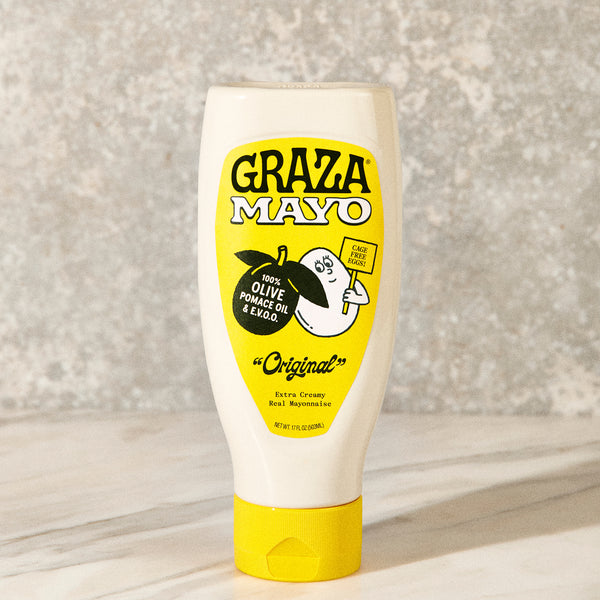
Single-origin Spanish EVOO in the squeeze bottle that changed olive oil culture.

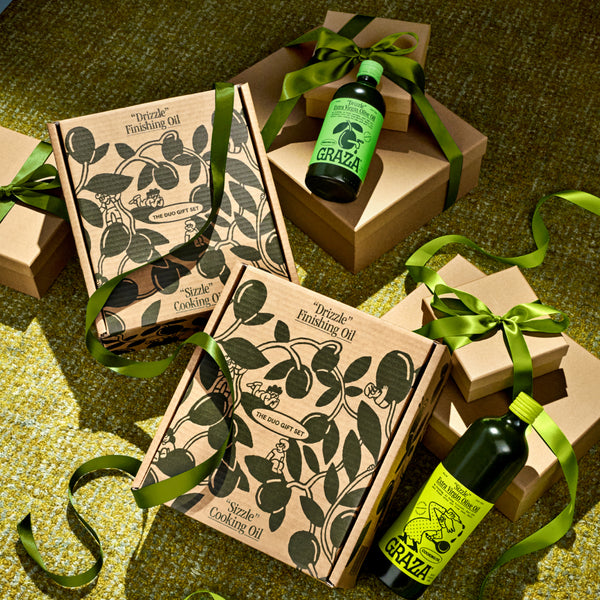
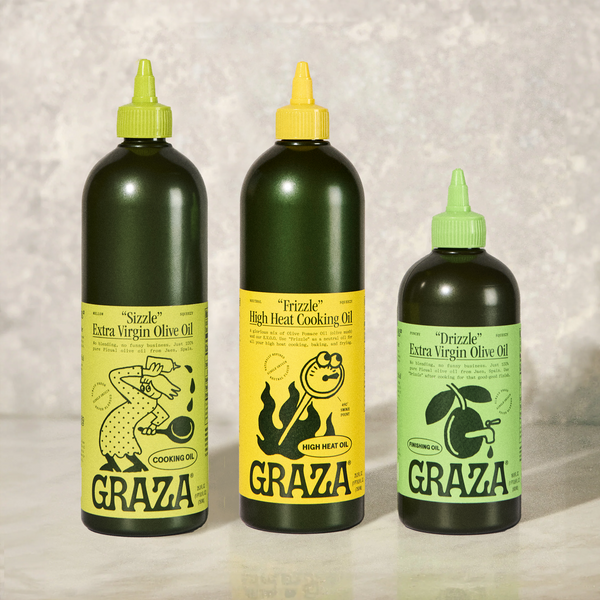
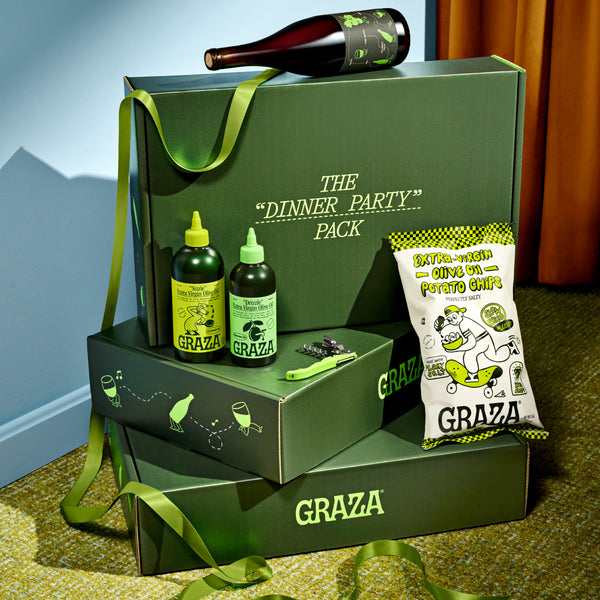
Co-founders Andrew Benin and Allen Dushi launched Graza in 2022 with a simple insight: olive oil should be fun to use, and the squeeze bottle makes it actually drizzle-able in the kitchen. The oil is single-origin, made from Picual olives grown exclusively in Jaén, Spain — the world's largest olive oil producing region. The viral launch broke K in revenue before the brand had any ads running, driven entirely by the product's distinctiveness and a food-community influencer strategy that felt organic because it was.

Enter Store

Kosterina

Food

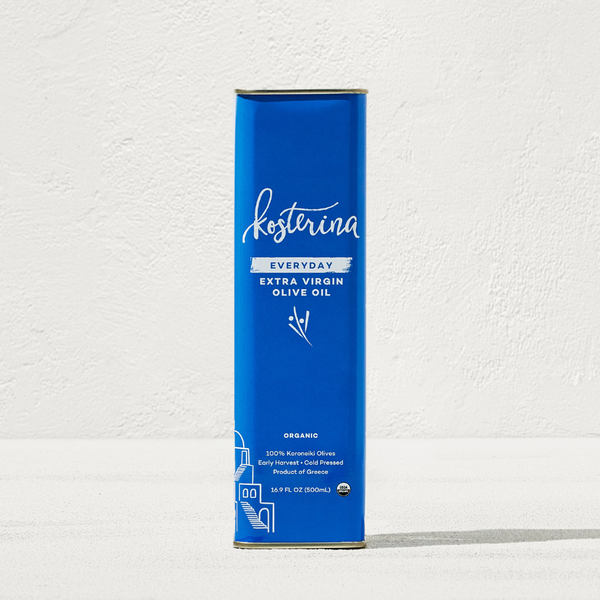
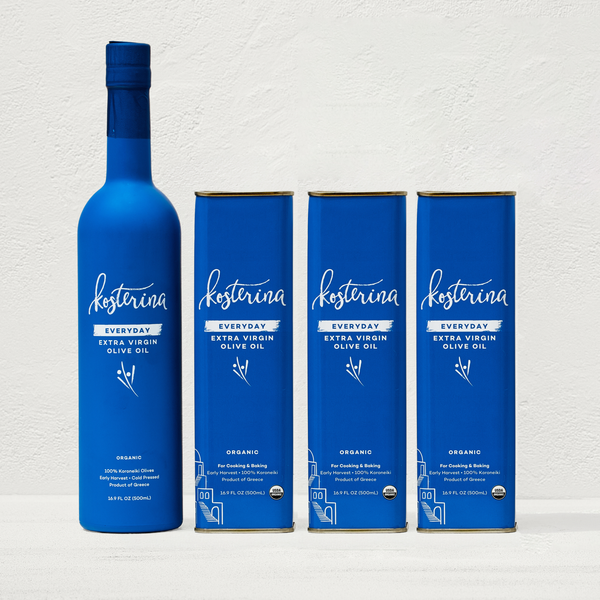
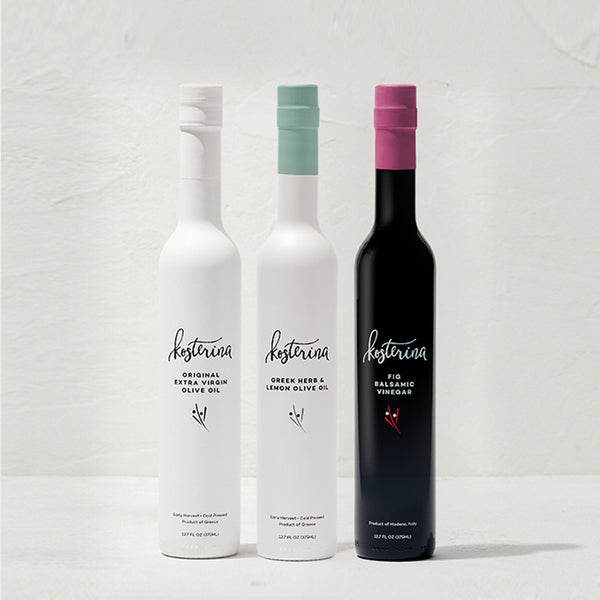
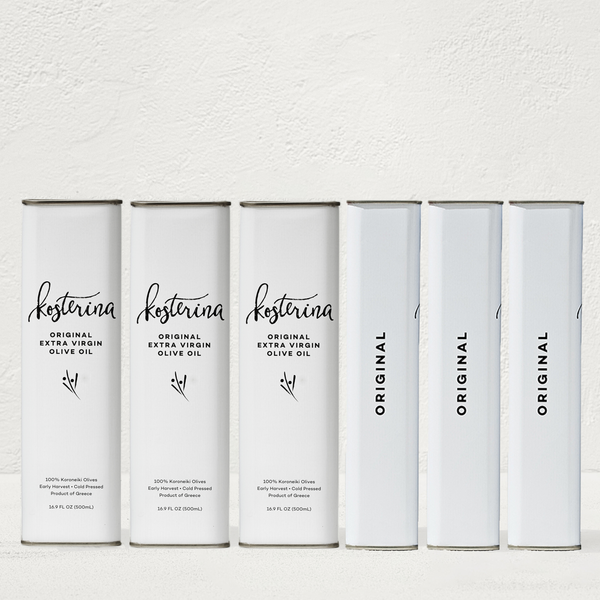
Early-harvest Koroneiki olives from southern Greece, polyphenol content front and center.

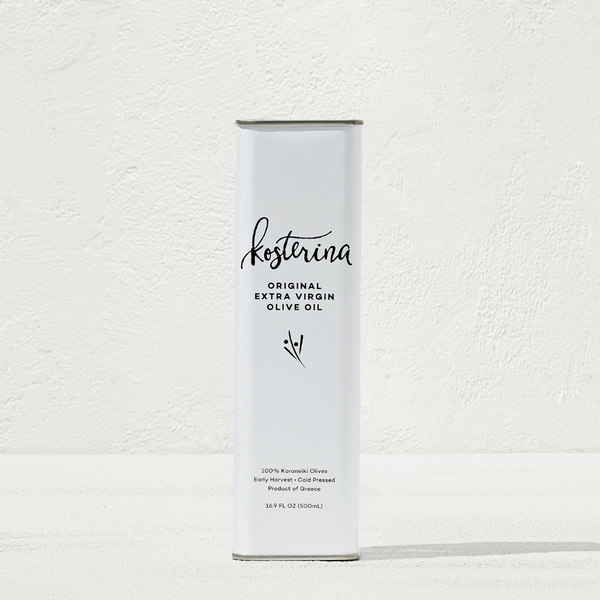
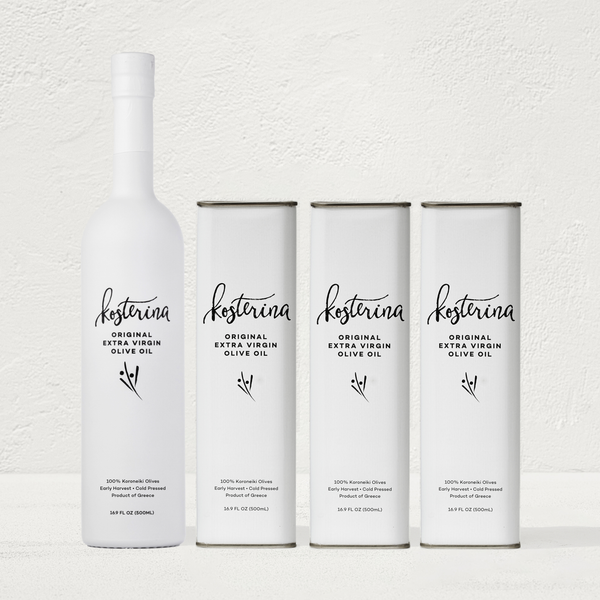
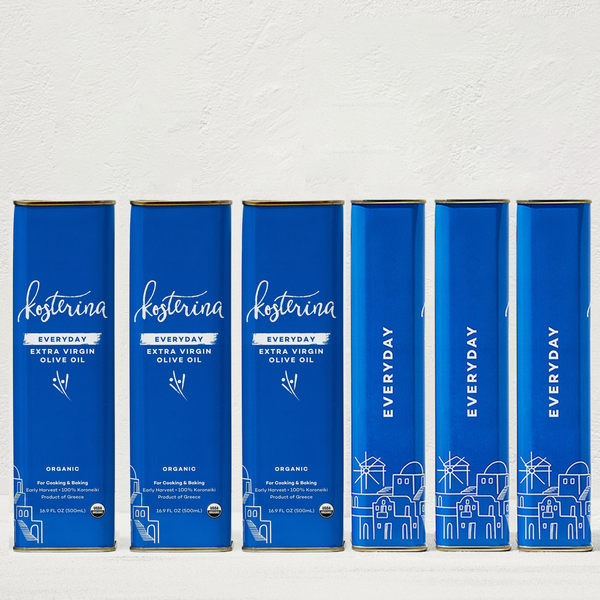
Katina Mountanos founded Kosterina after buying what the label called 'Greek extra virgin olive oil' at a US supermarket and finding it tasted nothing like the oil her family produced in southern Greece. She sources exclusively from Koroneiki olives — a small, dense variety native to the Peloponnese — harvested early in the season when polyphenol levels peak and flavor is most intense. Kosterina has since expanded into skincare, leveraging the same high-antioxidant EVOO in facial formulations, which tracks with how Greeks have historically used olive oil.

Enter Store

Pasolivo

Food

Estate-grown, hand-picked, and milled on site in Paso Robles wine country.

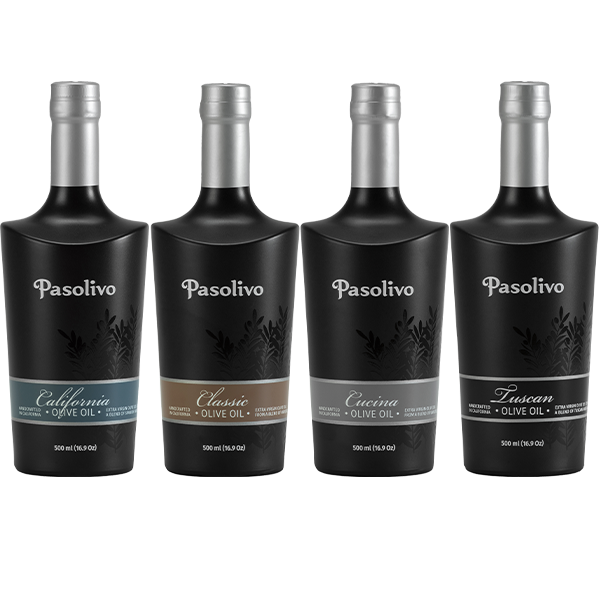
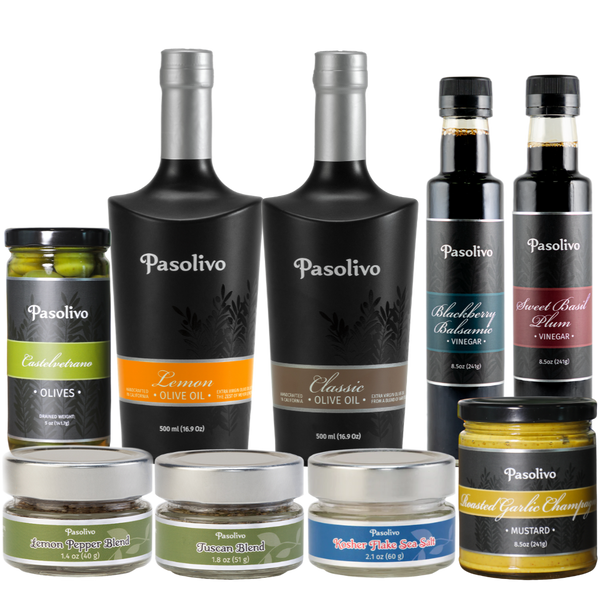
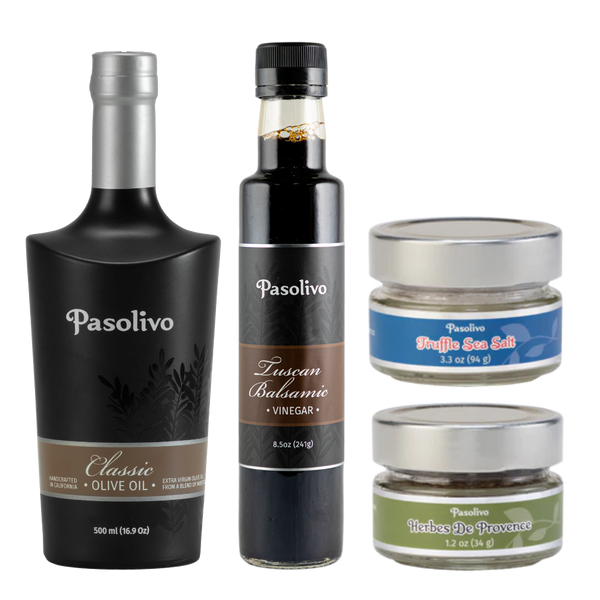
Tucked into 150 acres of rolling hills in Paso Robles, California — wine country, not olive oil country, which is partly the point — Pasolivo grows 12 different olive varietals and mills them on site within hours of harvest. Hand-picking and same-day pressing are the kind of choices that cost more but make a measurable difference in oil quality. The result is a small-batch, estate-grown EVOO with a complexity that reads differently season to season, the way a good vintage does.

Enter Store

Kasandrinos

Food

Greek family farm olive oil, generations deep, shipped direct to your door.
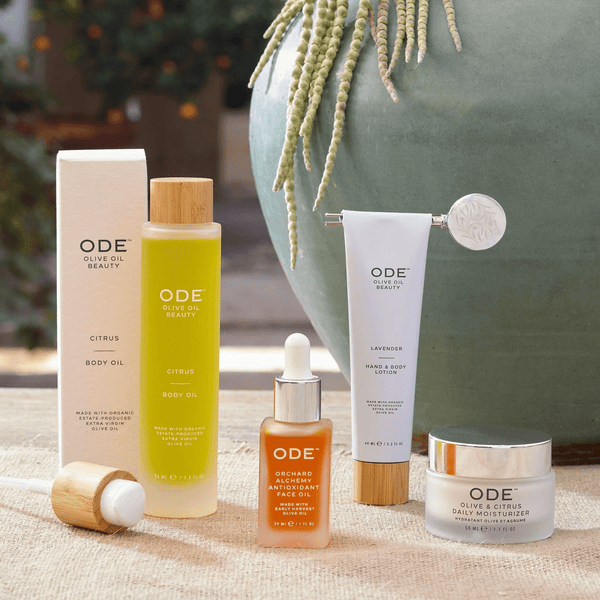
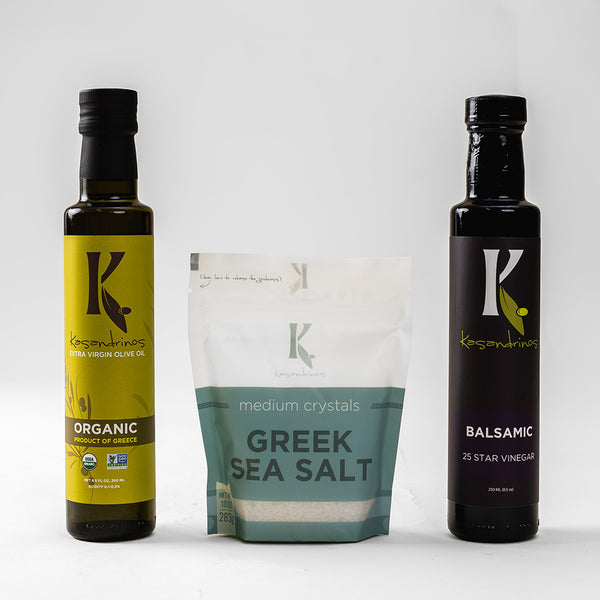
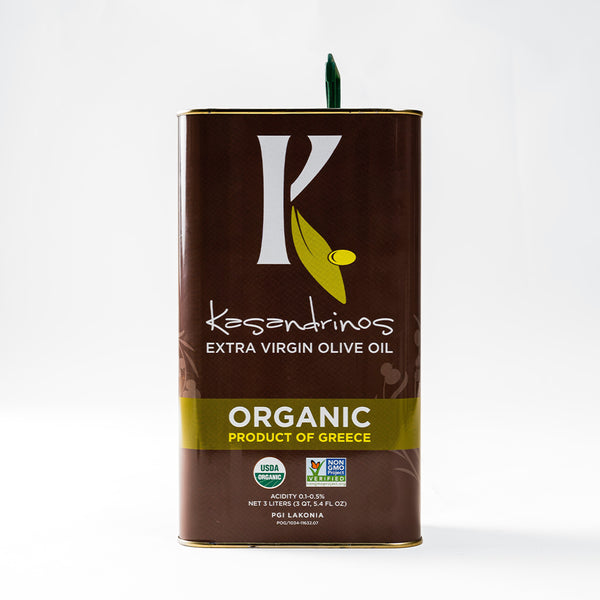
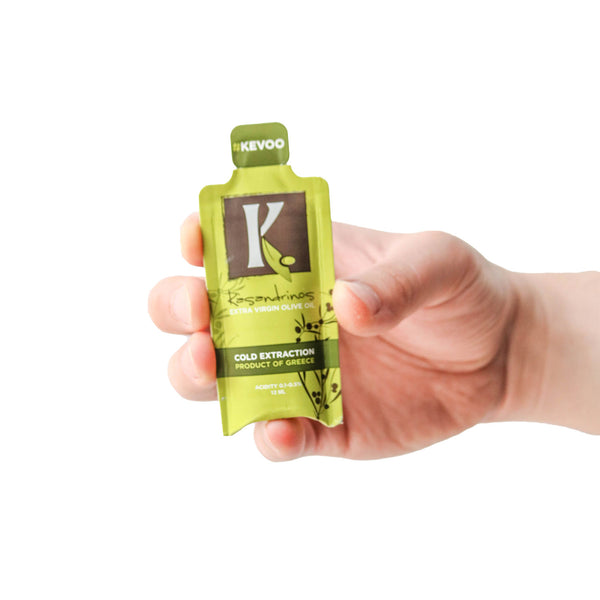
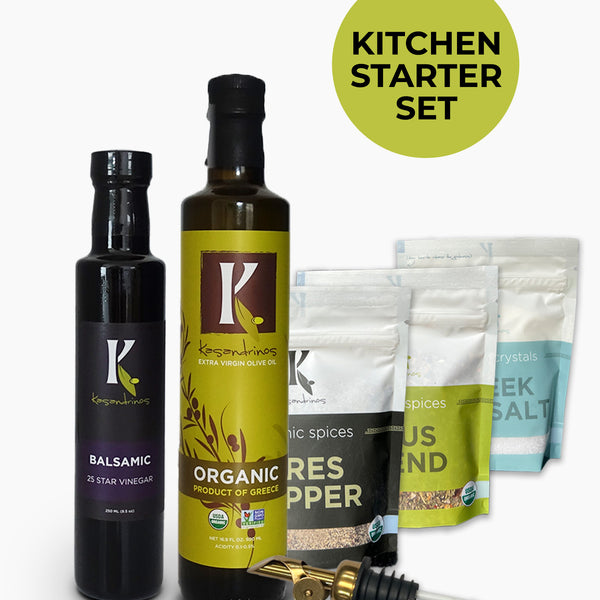
Brother and sister Effi and Tony Kasandrinos grew up with olive oil from their father's village in Greece — a product so central to family life that Kasandrinos babies are baptized with it. When they moved to the US and couldn't find anything that tasted right, they started importing from the family farm directly. The brand is a direct line from a multi-generational Greek grove to American kitchens, certified organic and cold-pressed with no intermediary.
Enter Store

McEvoy Ranch

Food

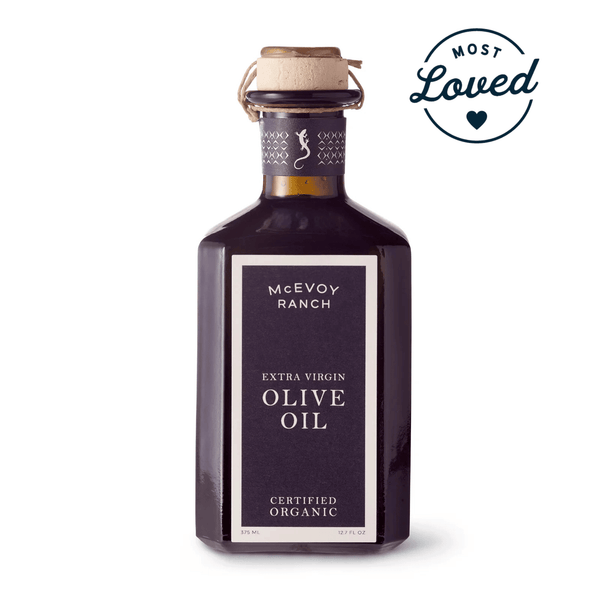
Certified organic California EVOO from a 550-acre Marin County estate.

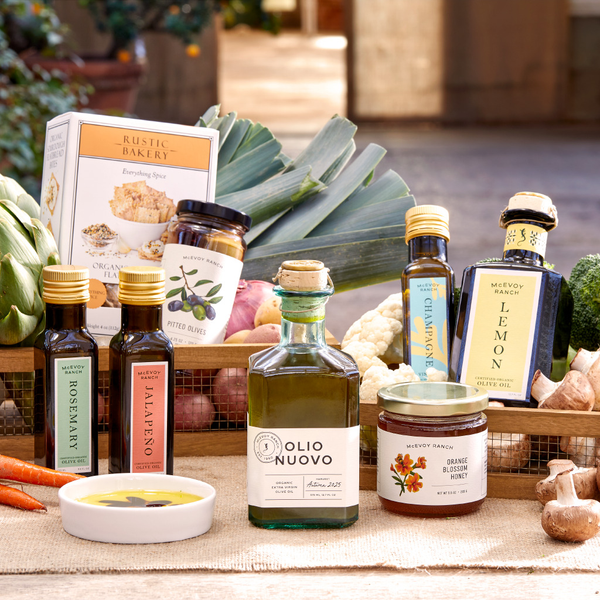
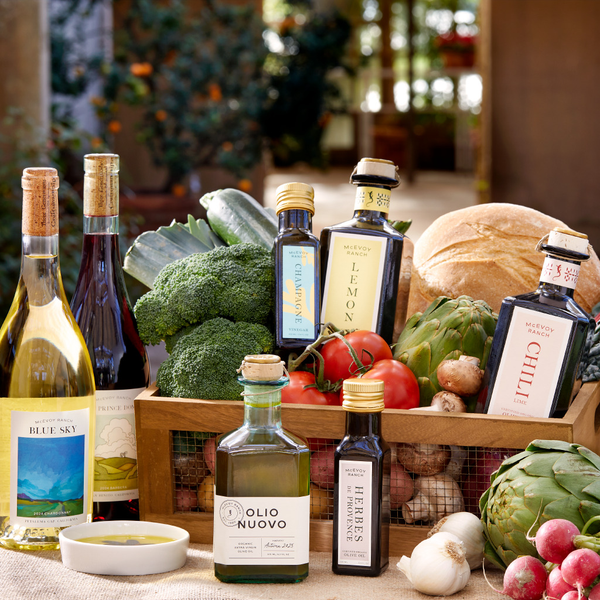
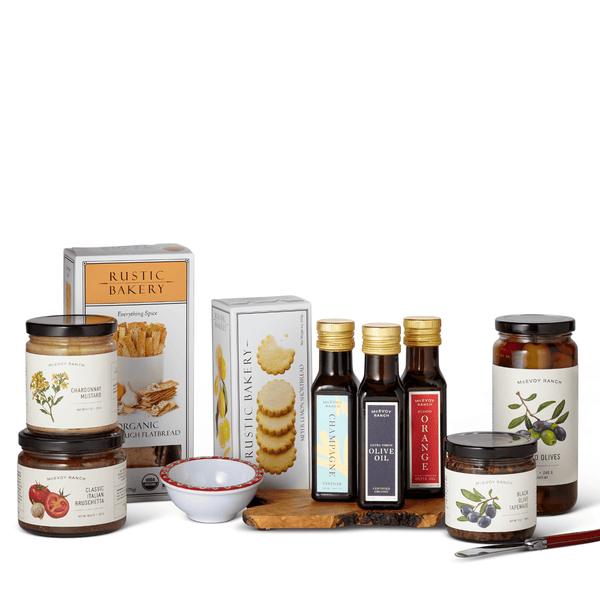
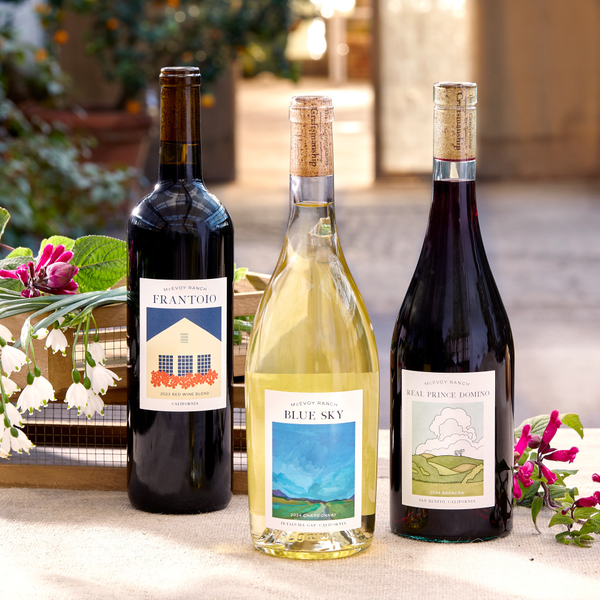
McEvoy Ranch sits on 550 acres in the rolling hills of western Marin County, making it one of the largest estate-grown certified organic olive oil operations in the United States. The ranch presses multiple varietals — including Coratina, known for its high polyphenol content and herbaceous intensity — and labels each harvest year on the bottle. The 2024 Coratina Limited Edition, for instance, is noted for its green olive and dry grass character: the kind of tasting note that belongs in a wine shop, not a grocery aisle.

Enter Store

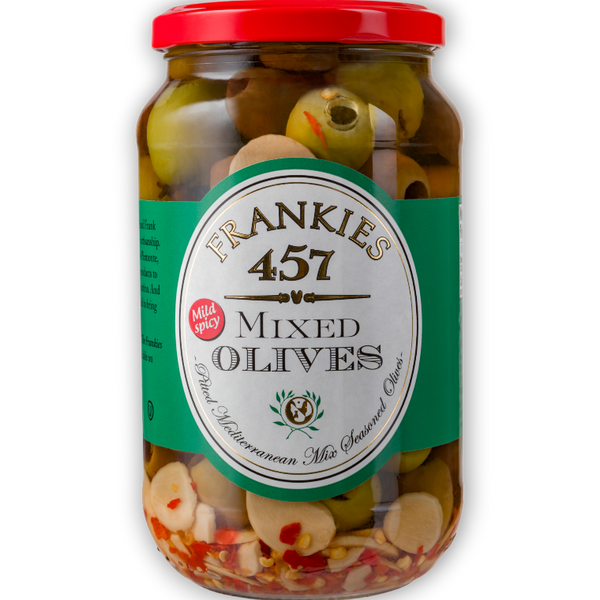
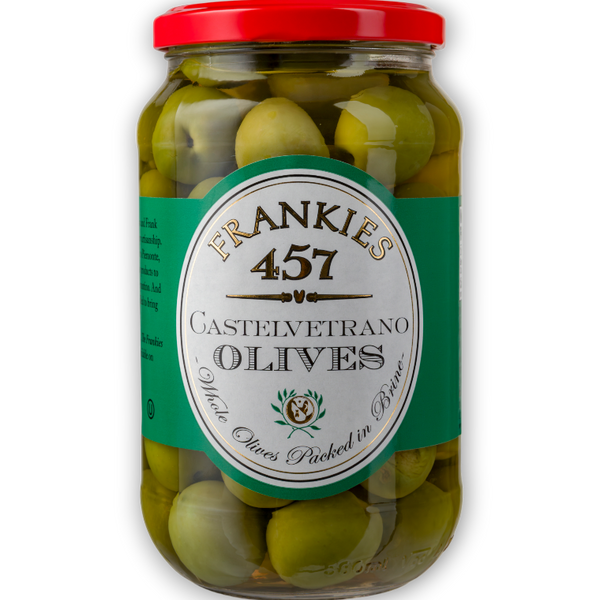
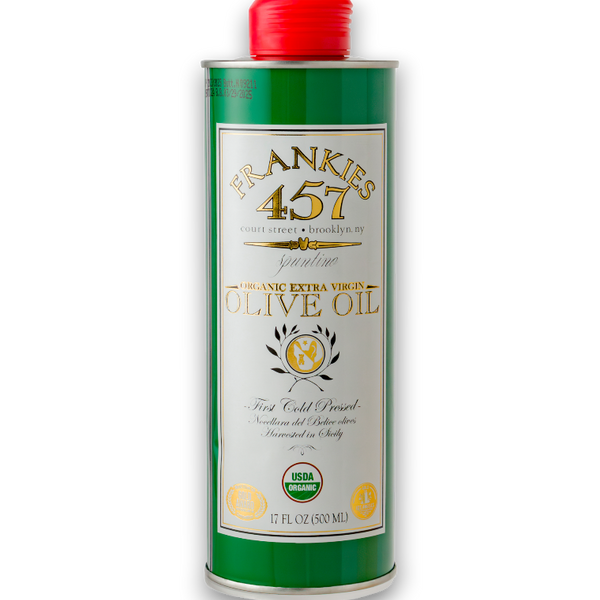
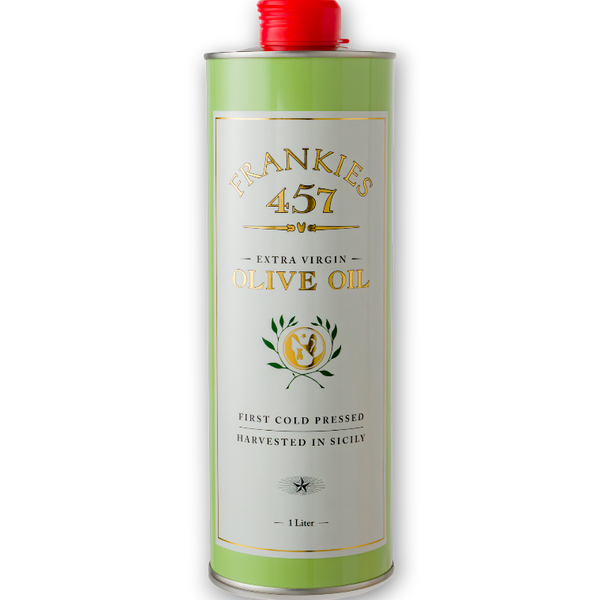
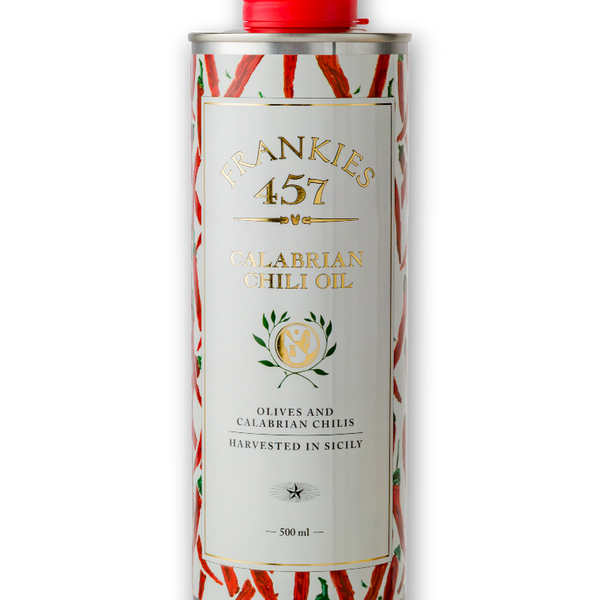
Frankies 457

Food

Sicilian Nocellara del Belice oil from Brooklyn restaurateurs with impeccable taste.

Frankies 457 Spuntino is the beloved Brooklyn restaurant started by Frank Castronovo and Frank Falcinelli — 'the Franks' — whose meticulous sourcing philosophy extends to their olive oil line. Their organic EVOO comes from the ASARO estate in Partanna, Sicily, made with Nocellara del Belice olives: the same variety used for Castelvetrano table olives, pressed here into an oil with a distinctively fruity, lightly peppery profile. It's the olive oil a serious cook recommends when asked.

Enter Store

About This District

Shopping for artisan olive oil is a lot like buying wine — origin, harvest date, and variety tell you more than any marketing claim. Start with the harvest date. Fresh olive oil is better olive oil: look for the current or most recent year's harvest, bottled within 12–18 months. If a bottle shows no harvest date, treat it as a red flag. Polyphenol content is the next thing worth caring about. These naturally occurring compounds are what give great EVOO its signature bitterness and the telltale pepper catch at the back of the throat — and they're where most of the documented health benefits live. Early-harvest oils consistently have the highest polyphenol counts; Kosterina builds its entire identity around early-harvest Koroneiki olives from southern Greece for exactly this reason. Origin matters enormously. Single-origin oils — from one farm, one grove, one varietal — have a specific character you won't find in blended products. Graza's Picual olives come exclusively from Jaén, Spain. McEvoy Ranch presses Coratina and Italian Tuscan varieties grown on 550 certified organic acres in Marin County. Frankies 457 traces its Nocellara del Belice olives to a specific estate in Sicily. When you see 'product of multiple countries' with no other detail, that's blended commodity oil, regardless of the artisan-looking label. Good oil will taste like something: grassy or fruity on entry, with varying degrees of pepper and bitterness on the finish. If your olive oil just tastes like fat, it's old.