Mint Districts Wellness

Best Functional Mushroom Supplement Brands: DTC Lion's Mane, Reishi & More

The functional mushroom supplement space has exploded over the past five years, but the quality gap between brands is enormous and rarely disclosed on packaging. The single most important distinction: fruiting body versus mycelium-on-grain. Real mushroom supplements are made from the actual fruiting body of the fungus, which contains meaningful concentrations of beta-glucans, the active polysaccharides behind the immune and cognitive benefits. Cheap products grow mycelium on oat or rice substrate and sell you mostly starch with token levels of active compounds. The brands in this district use genuine extracts, verifiable beta-glucan content, and honest sourcing — lion's mane for focus, reishi for stress and sleep, cordyceps for endurance, chaga for immunity. The science is still maturing, but the traditional medicine systems that used these fungi for centuries weren't guessing.

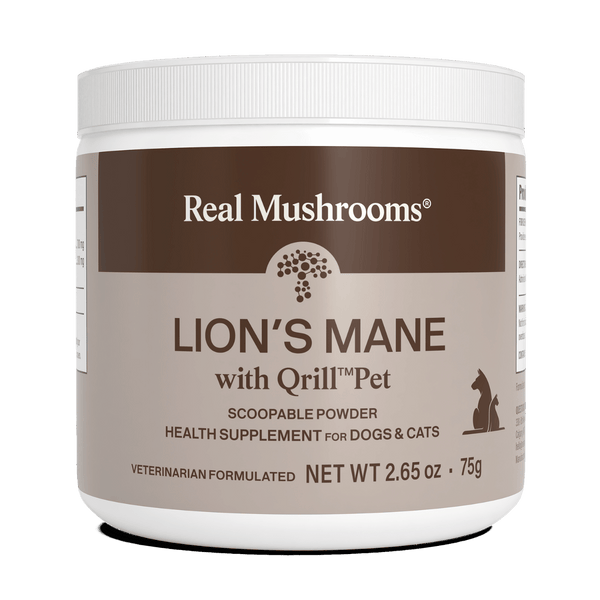
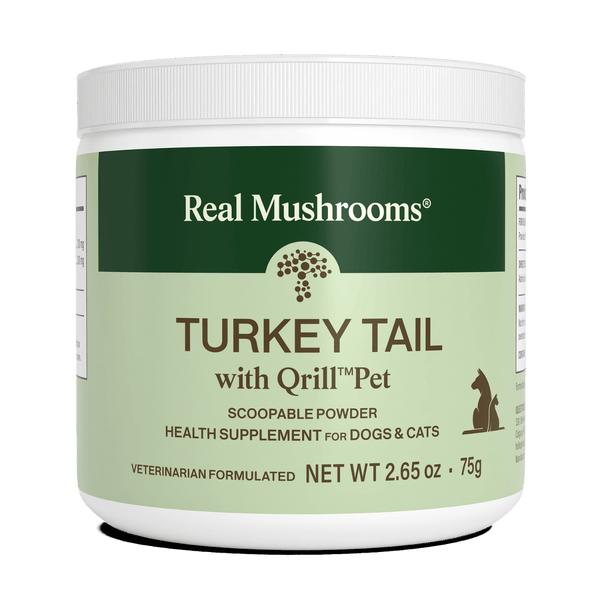
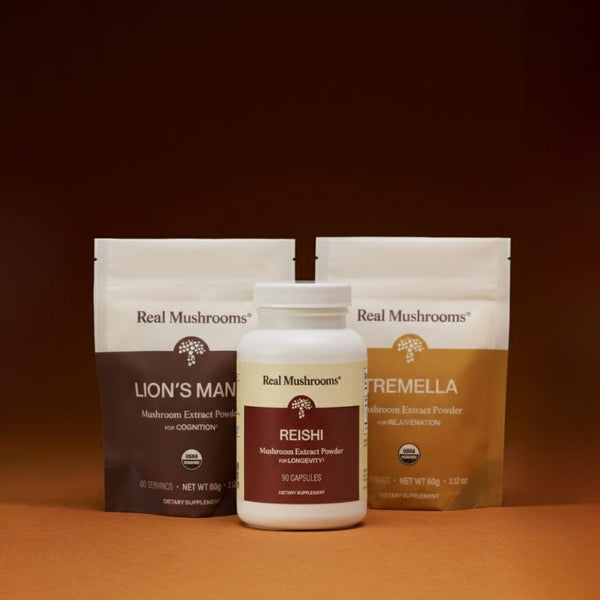
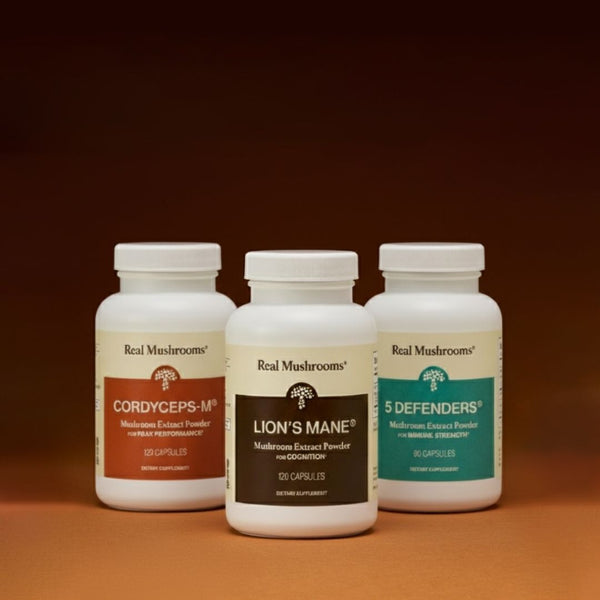
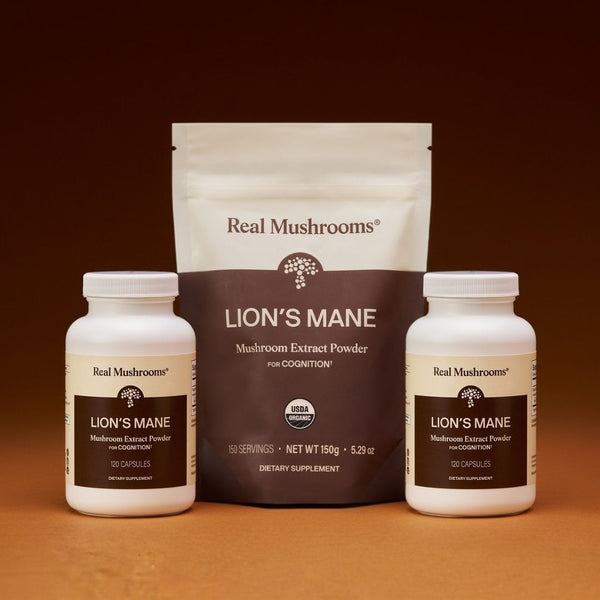
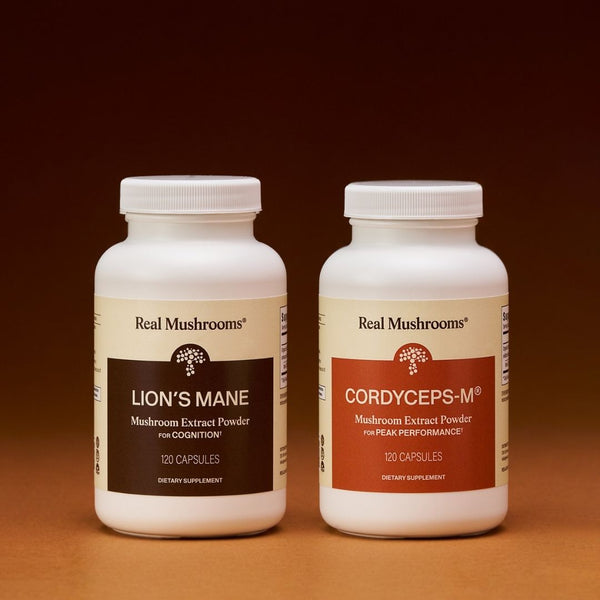
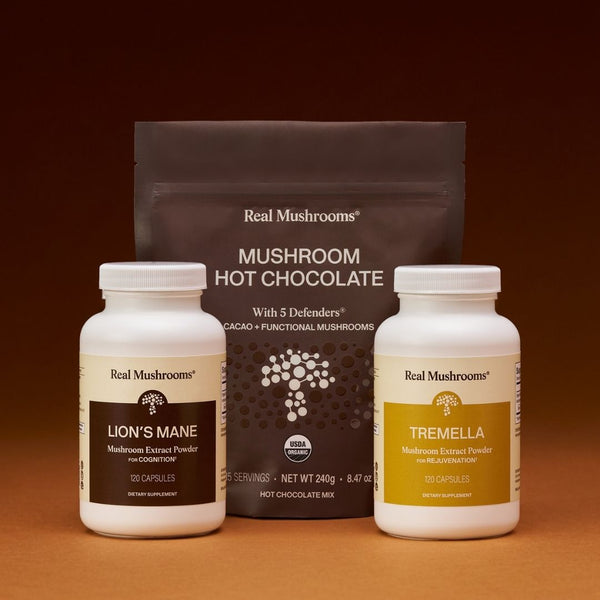
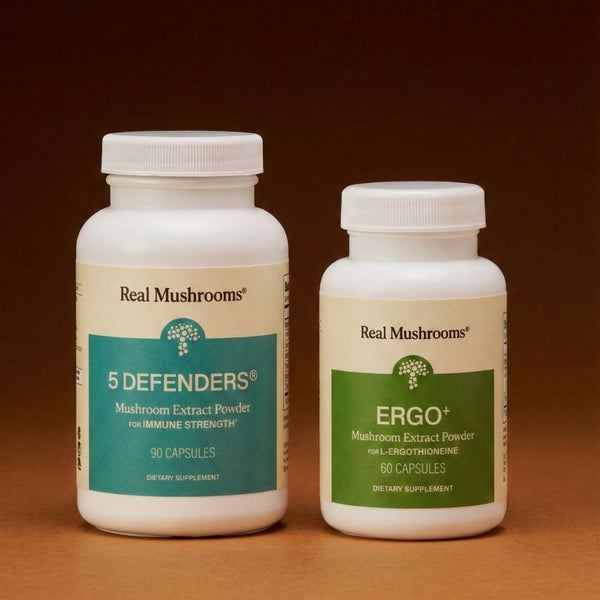
Real Mushrooms

Wellness

Certified organic fruiting body extracts with guaranteed beta-glucan percentages.

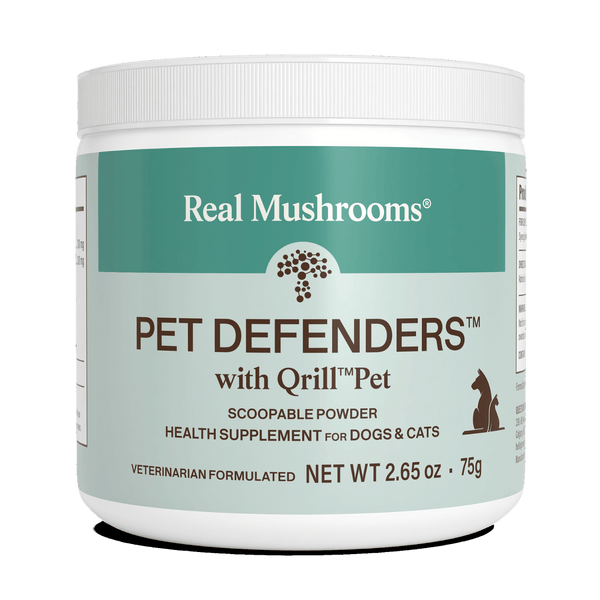
Founded by Skye Chilton, son of Jeff Chilton — a mycologist who spent years researching commercial mushroom cultivation in China — Real Mushrooms was built specifically to address the mycelium-on-grain problem that pervades the industry. Every product uses only hot-water or dual-extracted fruiting bodies, and every batch comes with a certificate of analysis showing verified beta-glucan content. It's the most science-credible brand in the functional mushroom space and the benchmark against which others are often measured.
Enter Store

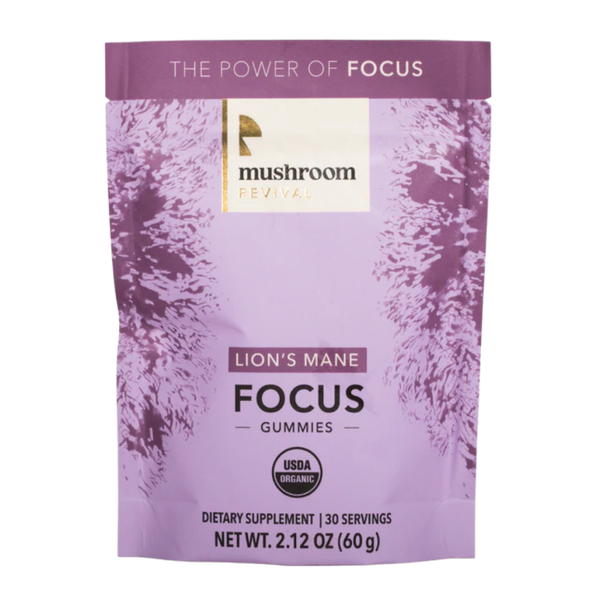
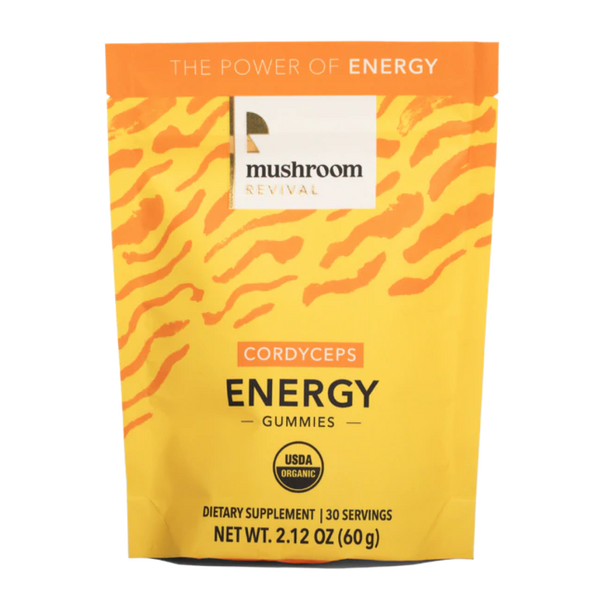
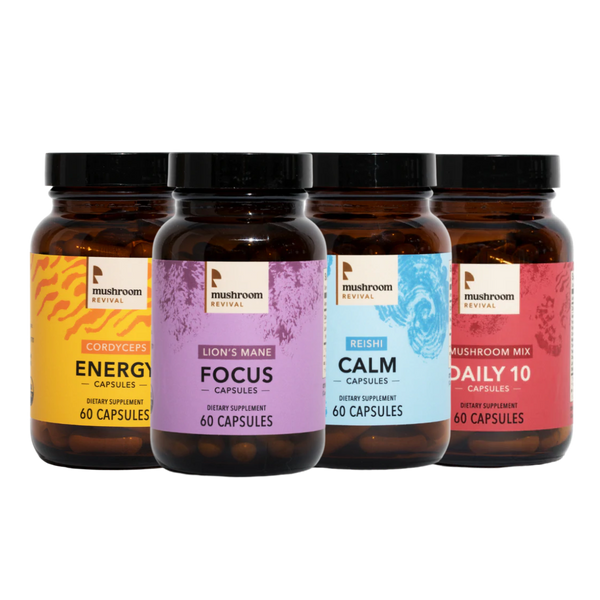
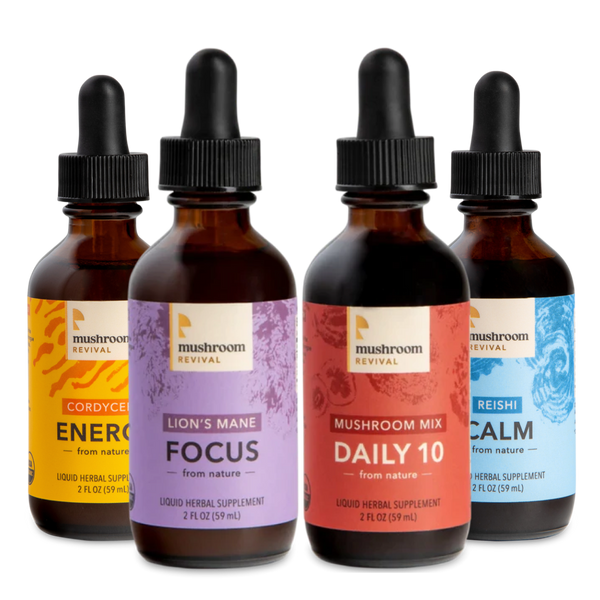
Mushroom Revival

Wellness

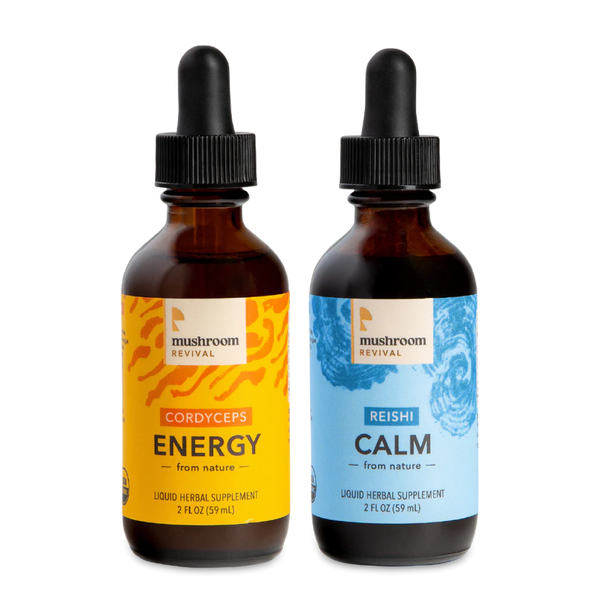
USDA certified organic mushroom tinctures and capsules, fruiting body only.

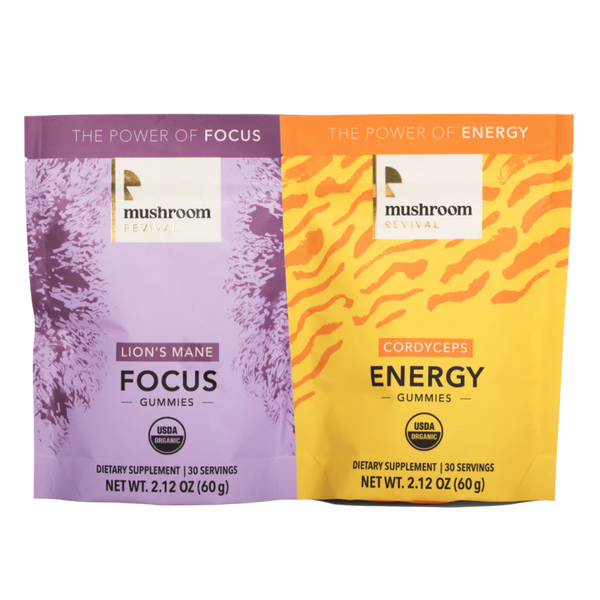
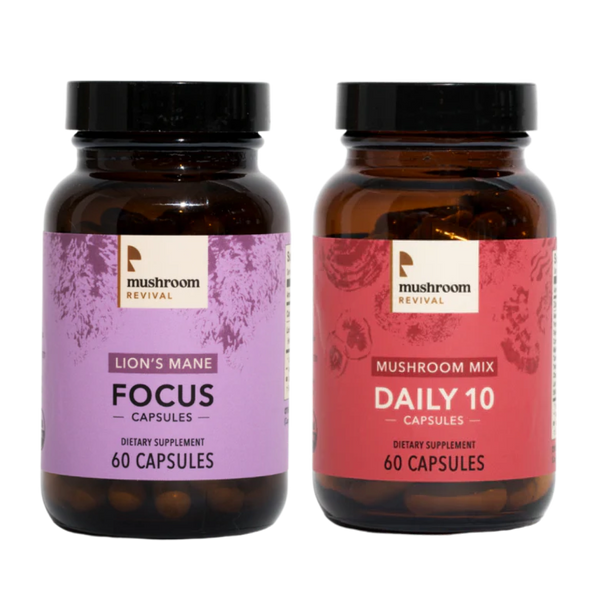
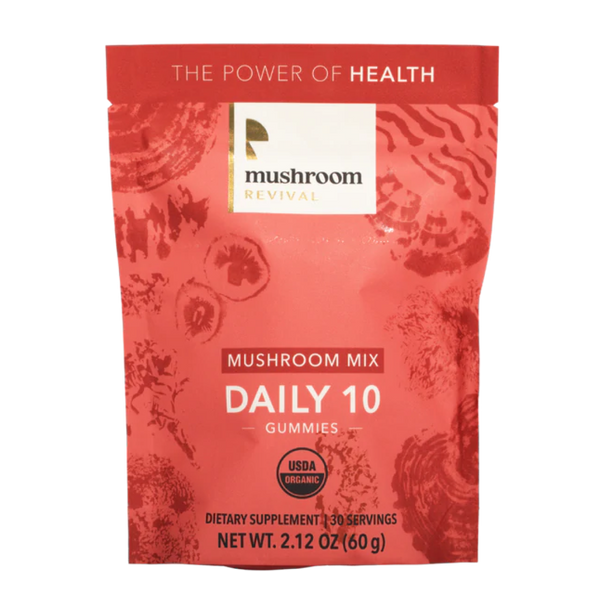
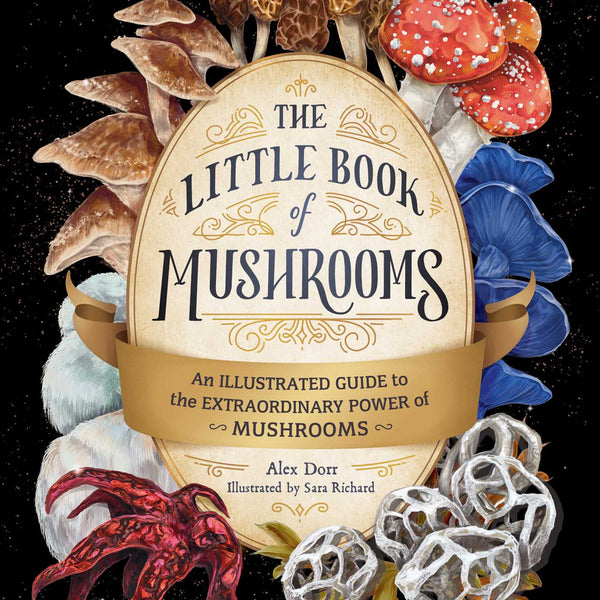
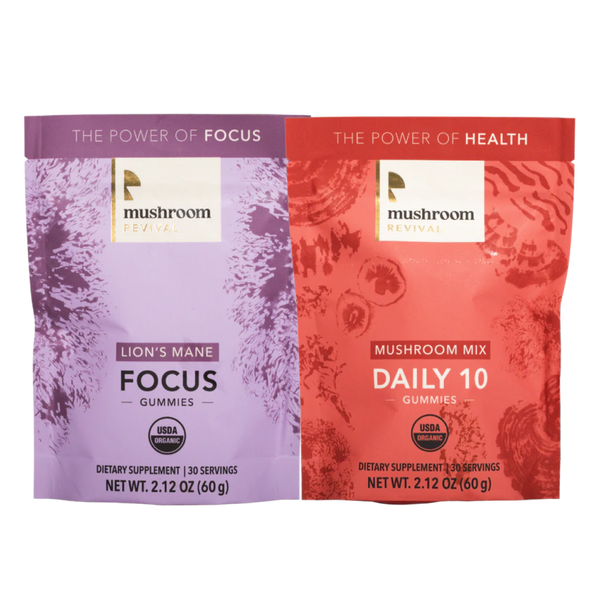
Alex Dorr launched Mushroom Revival in Massachusetts with a focus on USDA organic certification and fruiting body purity from day one. The product line is thoughtfully designed — not just single-species capsules, but functional blends like 'Daily 10' that stack multiple species for a comprehensive daily protocol. Their tinctures use a dual-extraction process and are widely regarded as among the best tasting and most potent available DTC.

Enter Store

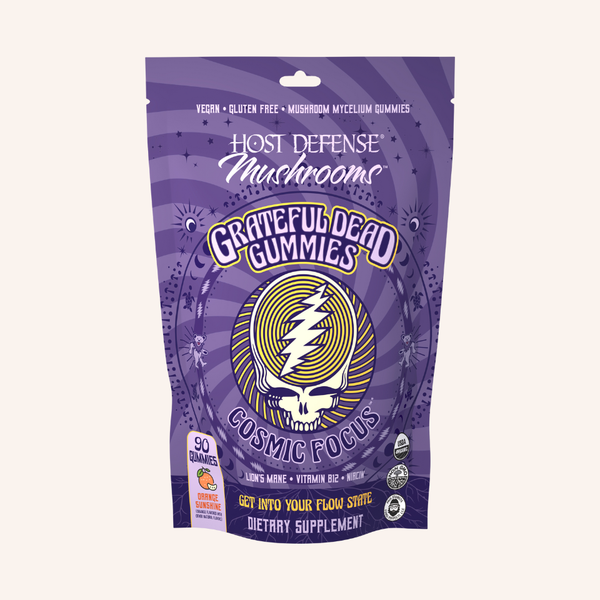
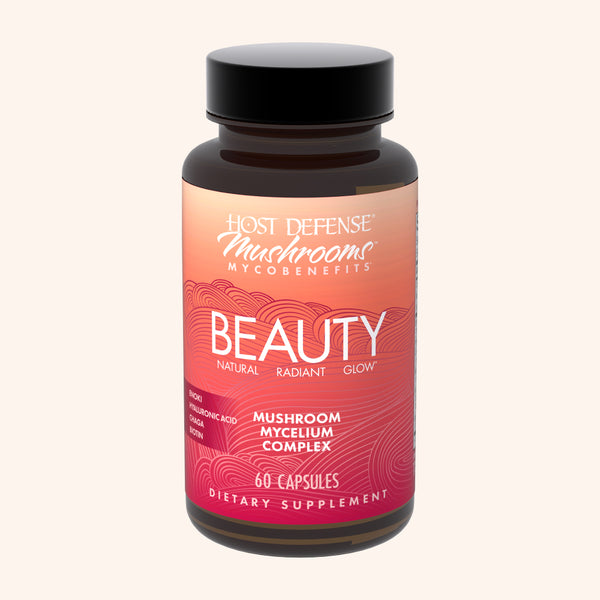
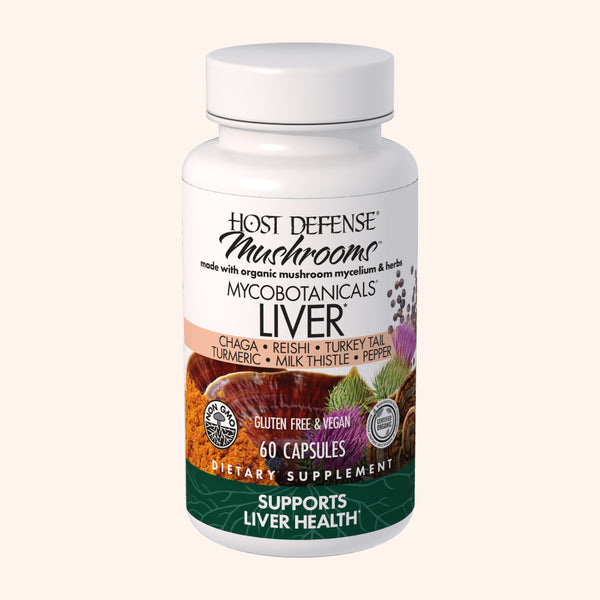
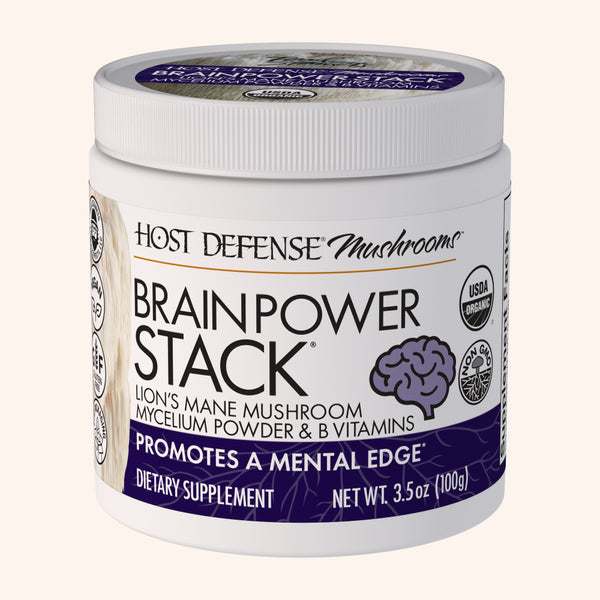
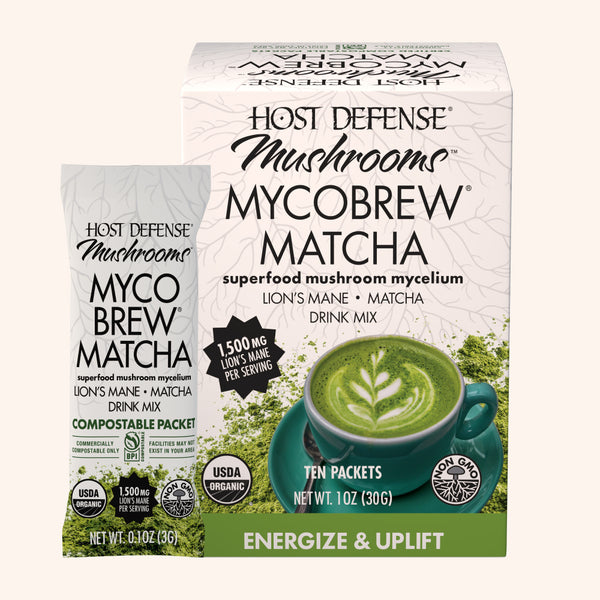
Host Defense

Wellness

Mycologist Paul Stamets' mushroom supplement brand, four decades of research behind it.

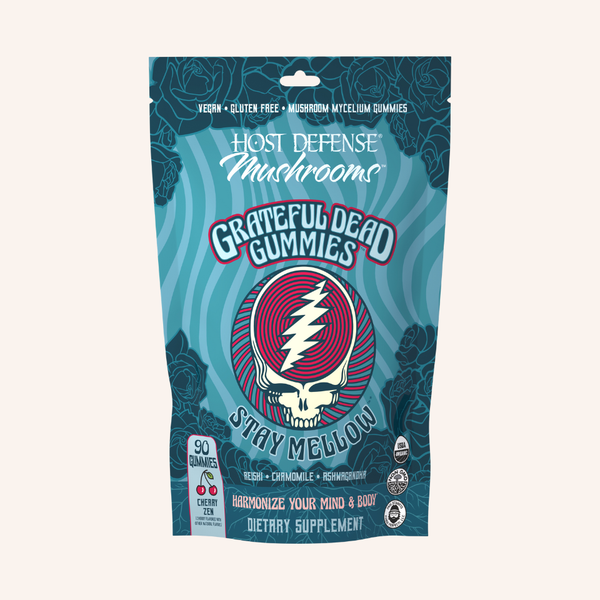
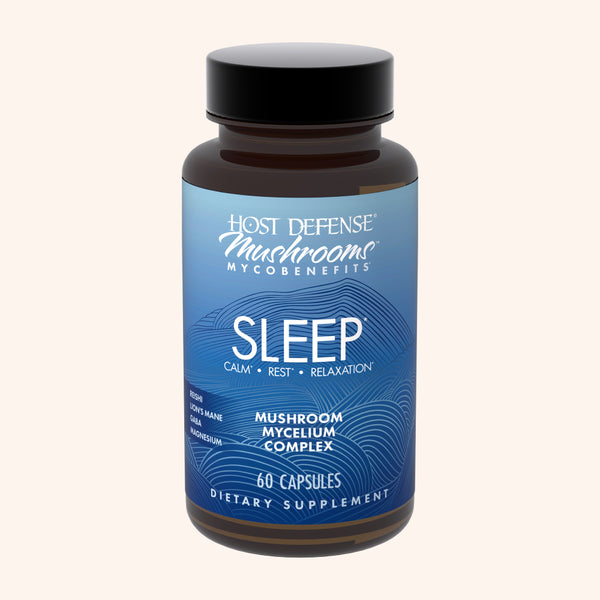
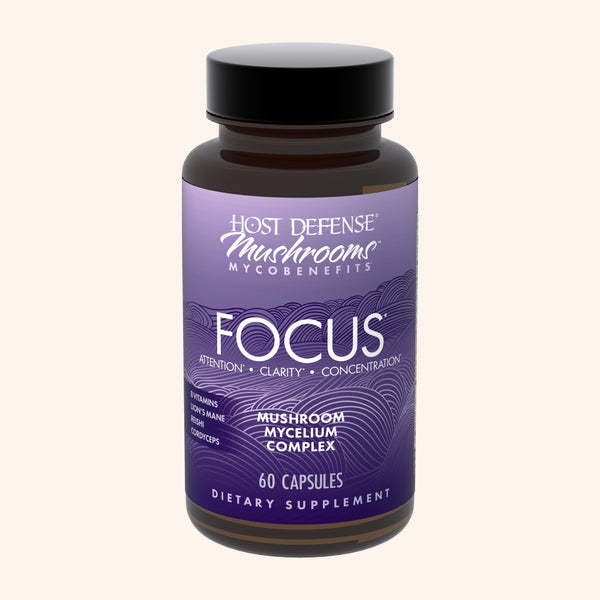
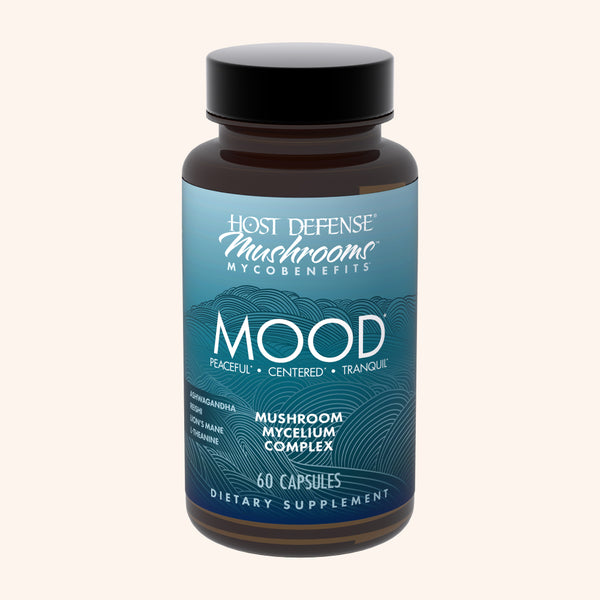
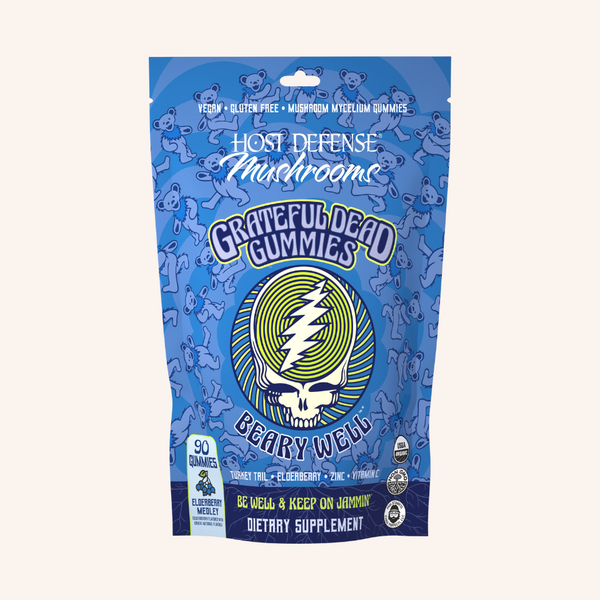
Paul Stamets is arguably the most credentialed mushroom scientist alive, and Host Defense is his commercial arm. His turkey tail research contributed to a NIH-funded clinical trial; he holds patents on mycelium-based pesticides; his TED talk has 10 million views. Important caveat for quality-conscious buyers: Host Defense uses mycelium grown on brown rice substrate rather than fruiting bodies, which Stamets argues contains distinct and valuable compounds — a legitimate scientific position, though it means lower beta-glucan counts than fruiting body competitors.

Enter Store

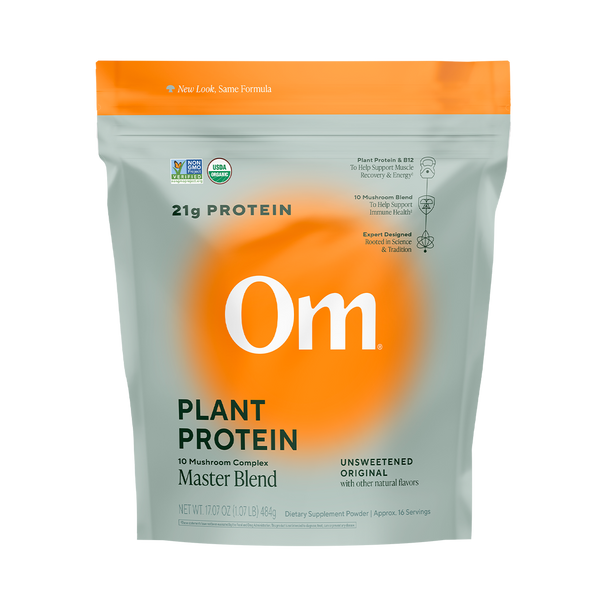
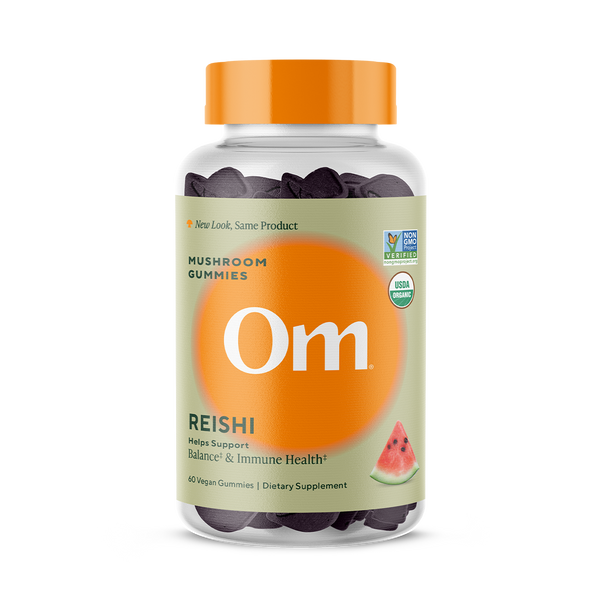
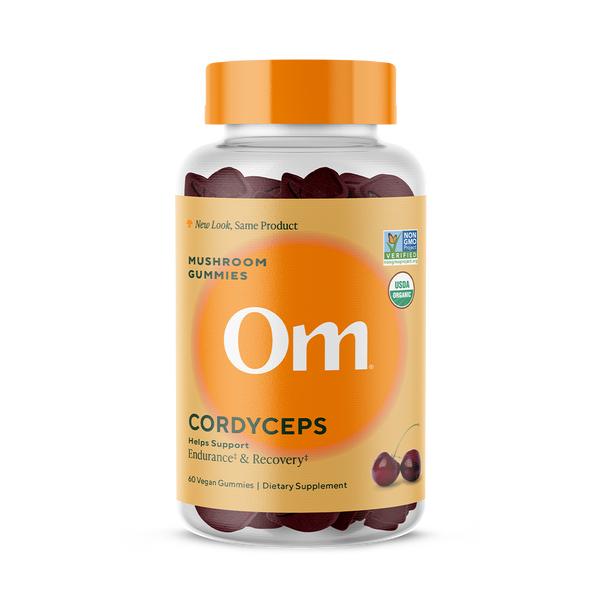
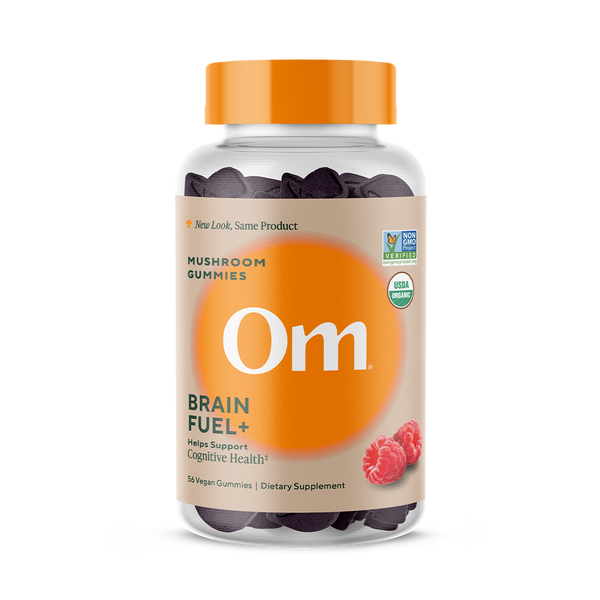
Om Mushrooms

Wellness

Whole-mushroom powders grown indoors in California, distributed nationally.

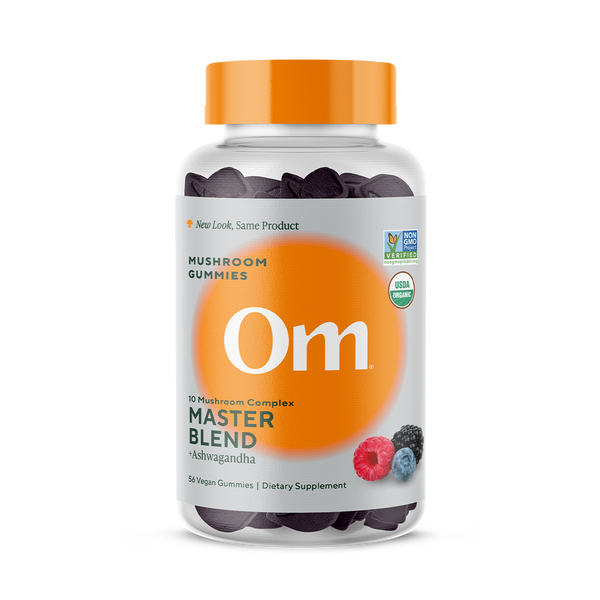
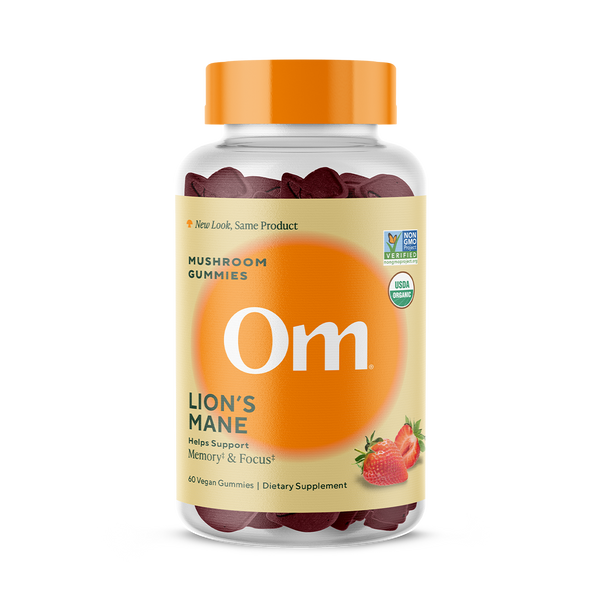
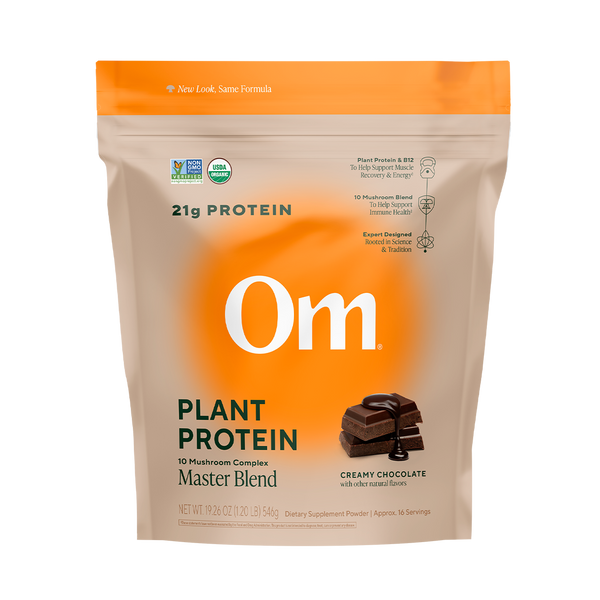
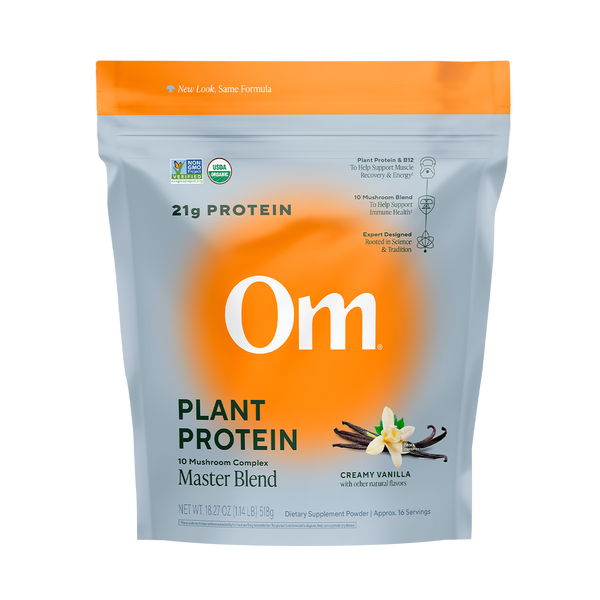
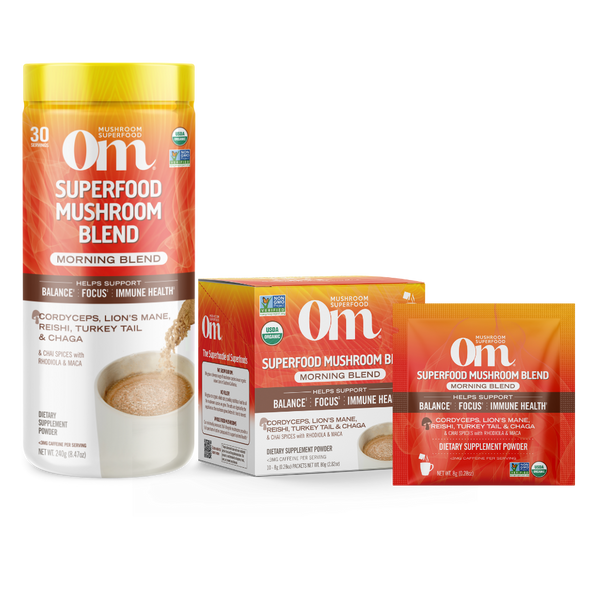
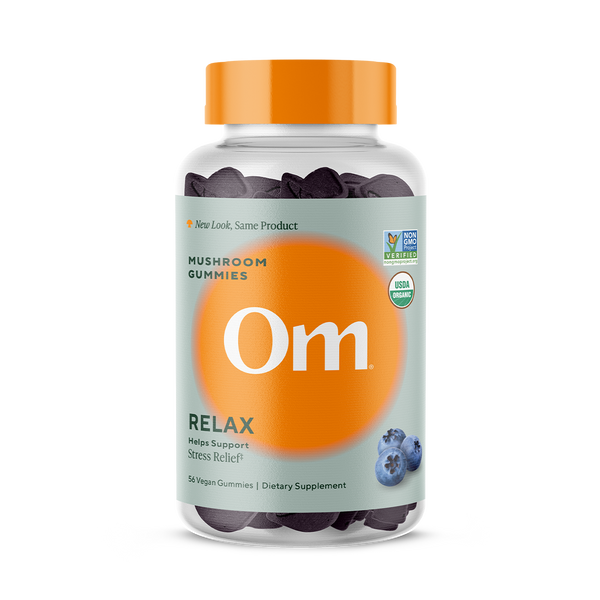
Carlsbad-based Om Mushrooms grows its mushrooms in an indoor farm in California, producing full-spectrum powders and capsules that use both the fruiting body and mycelium fractions. It's one of the most accessible functional mushroom brands in the US — distributed through Whole Foods, Target, and their own DTC channel. A good entry-level option for the curious; more advanced users may want higher beta-glucan concentrations from fruiting body-only brands.

Enter Store

Life Cykel

Wellness

Australian liquid mushroom extracts born from a café coffee waste experiment.

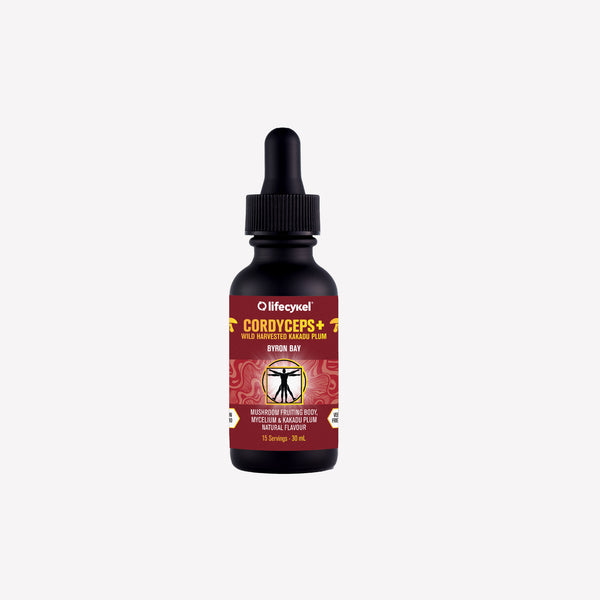
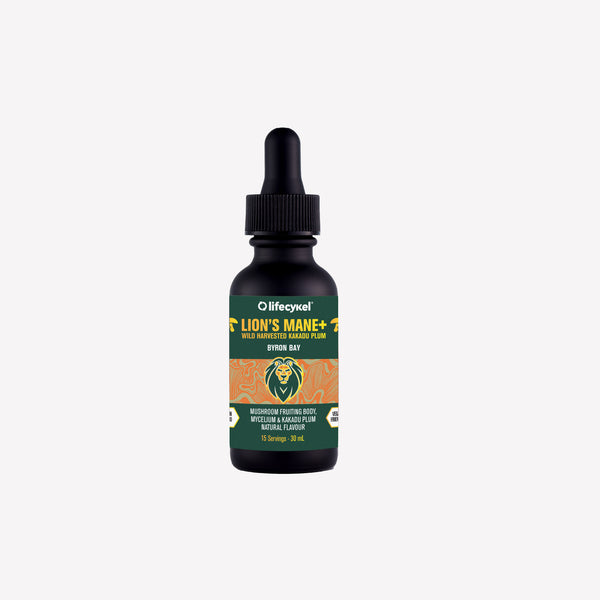
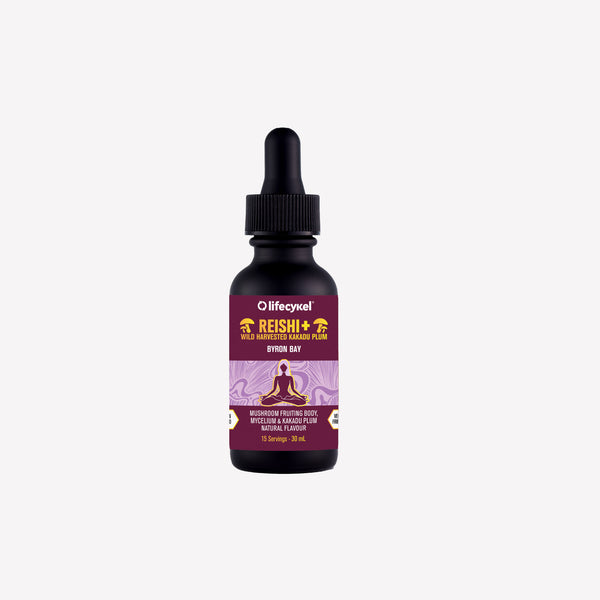
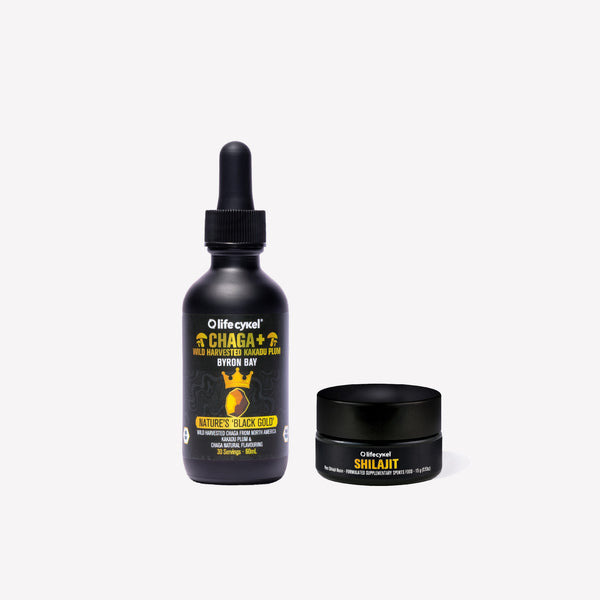
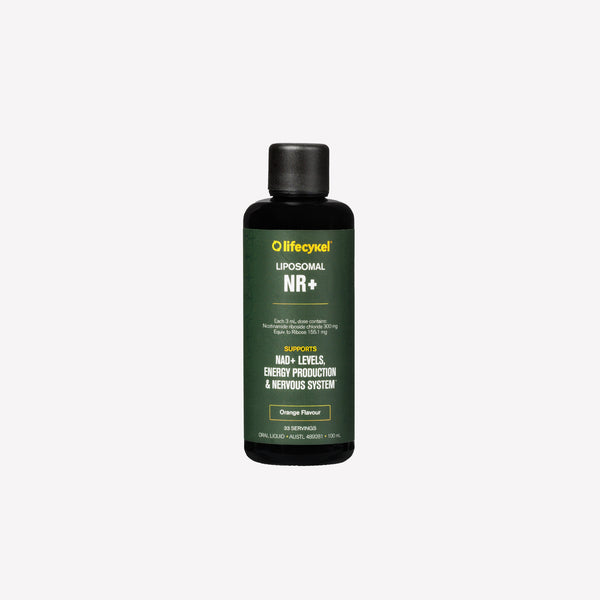
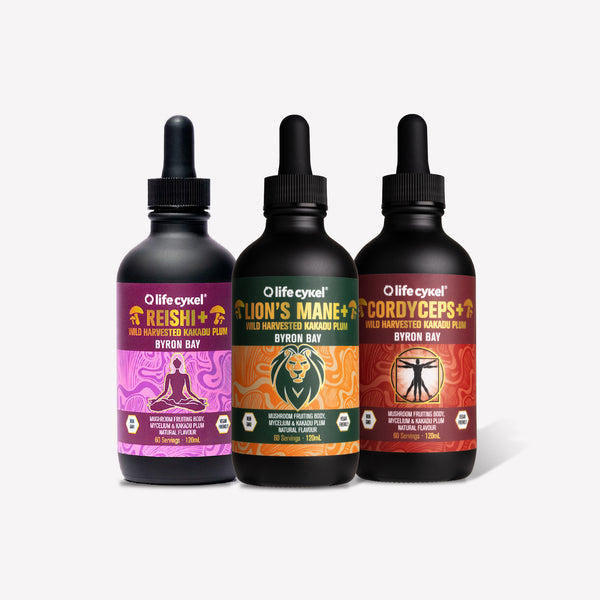
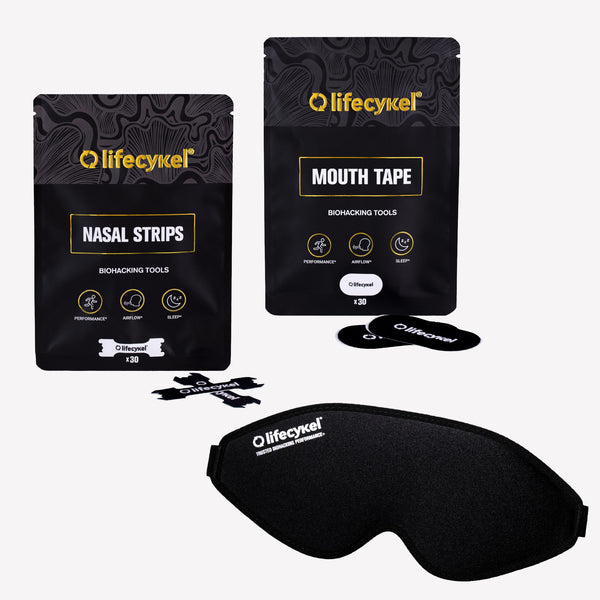
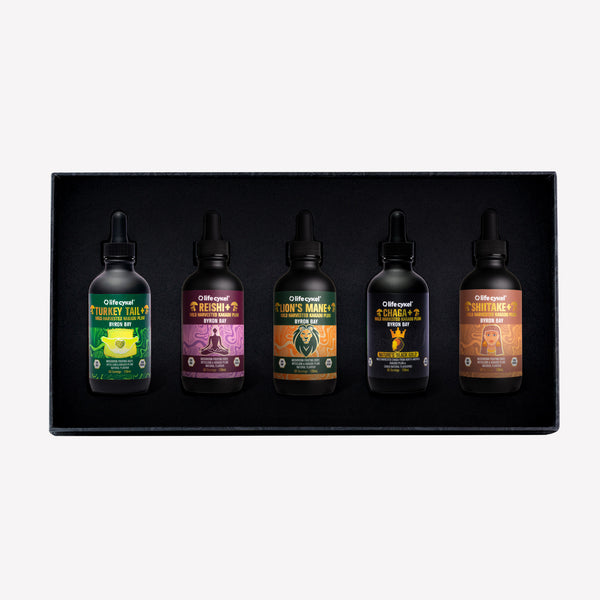
Founded in Perth, Western Australia by Julian Mitchell and Ryan Creed, Life Cykel's origin story is genuinely unusual: they started by growing mushrooms on waste coffee grounds from local cafés, driven by a sustainability mission before a wellness one. When the mushrooms they grew proved exceptionally potent, the pivot to functional supplement production was obvious. Their 30ml liquid extracts (lion's mane, cordyceps, reishi, chaga) are easy to use, well-dosed, and the brand's first hire was a scientist — the extraction protocols show it.

Enter Store

Rainbo

Wellness

Potent dual-extracted mushroom tinctures from a fungi-obsessed Toronto founder.

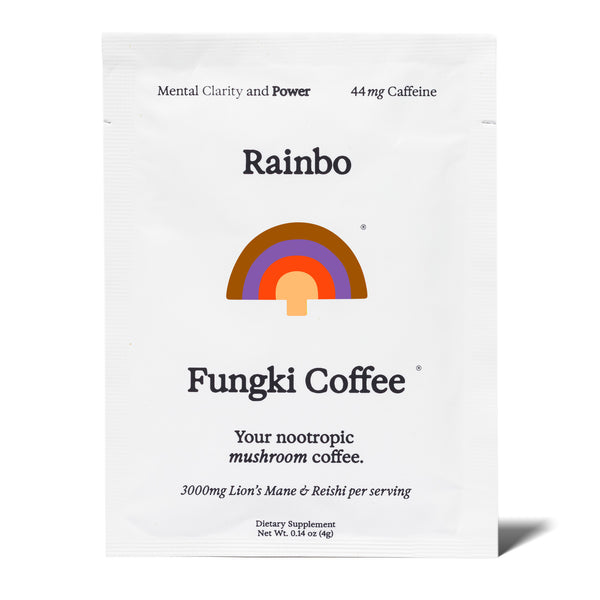
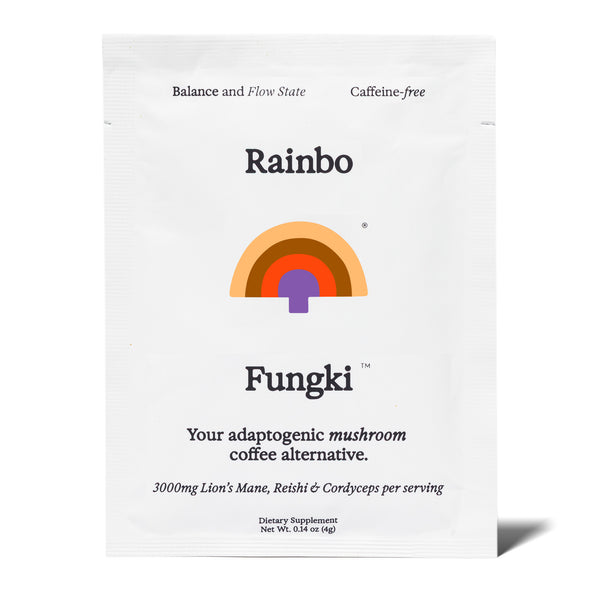
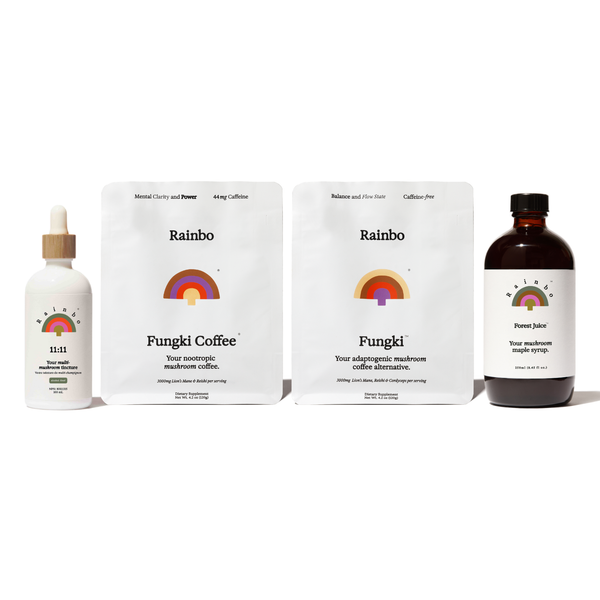
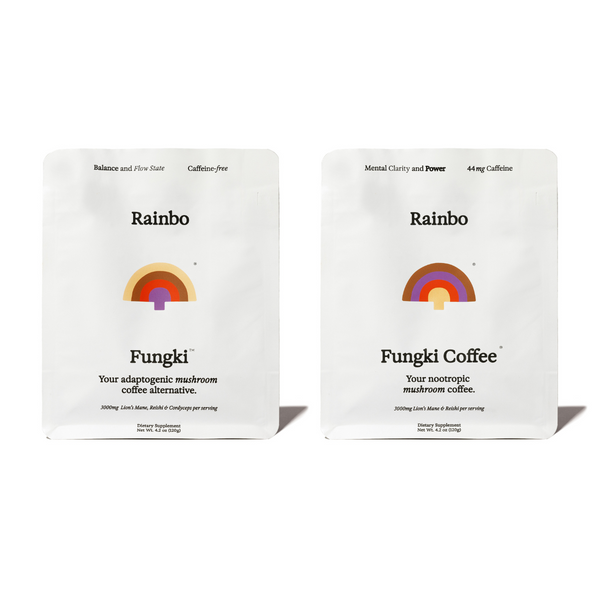
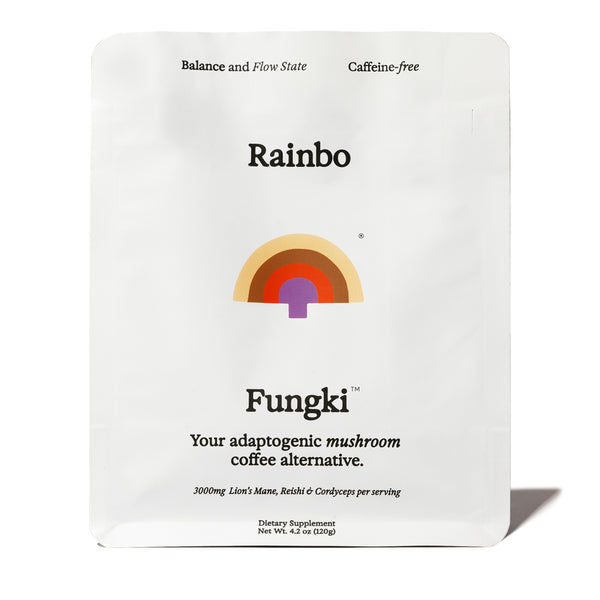
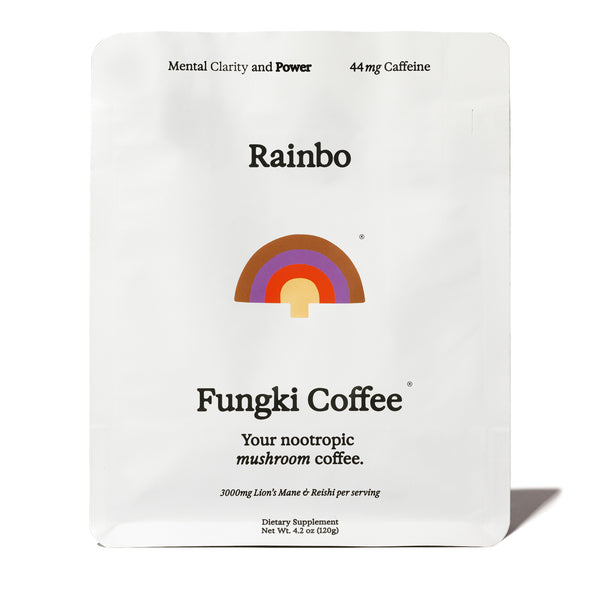
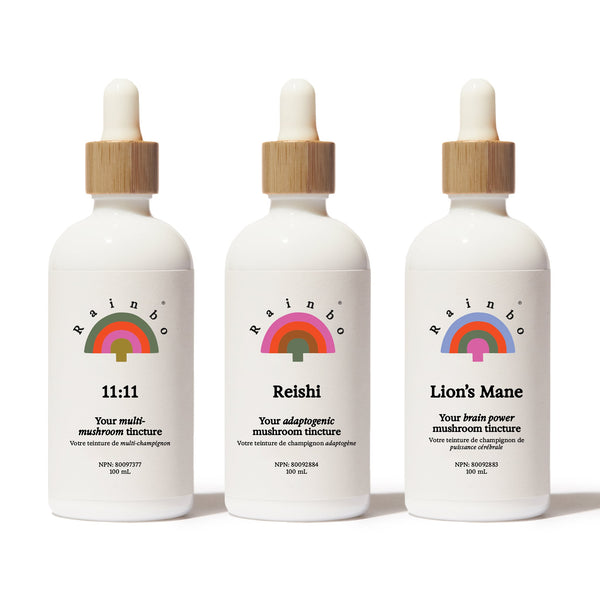
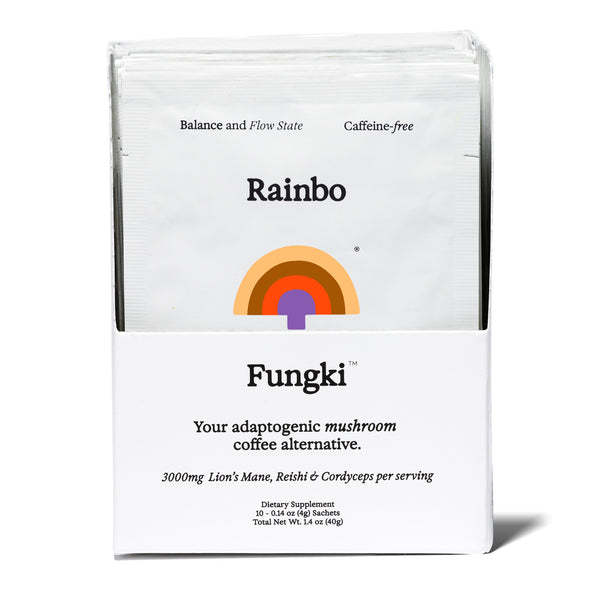
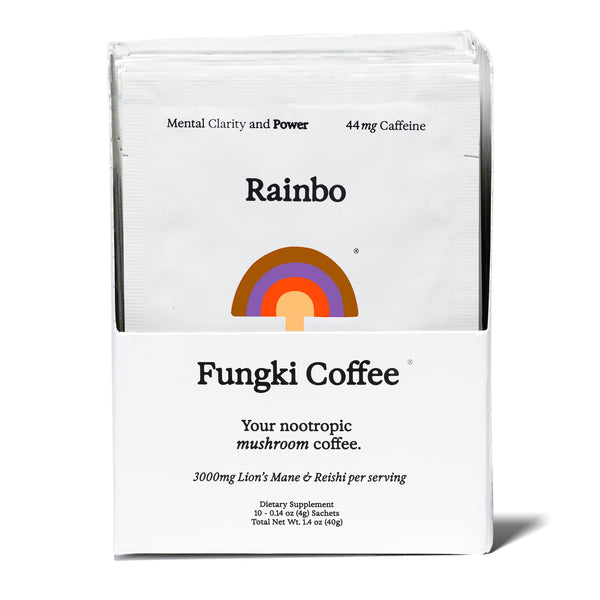
Tonya Papanikolov founded Rainbo in Toronto in 2018 after years of personal healing through medicinal mushrooms — her journey started in 2011 brewing homemade mushroom tea in Canadian forests. The brand makes high-potency tinctures using dual-extraction to capture both water-soluble beta-glucans and fat-soluble triterpenes. The community Rainbo has built in integrative health circles is genuine; this isn't influencer wellness — it's someone who actually knew mushrooms before it became a trend.
Enter Store

Troomy

Wellness

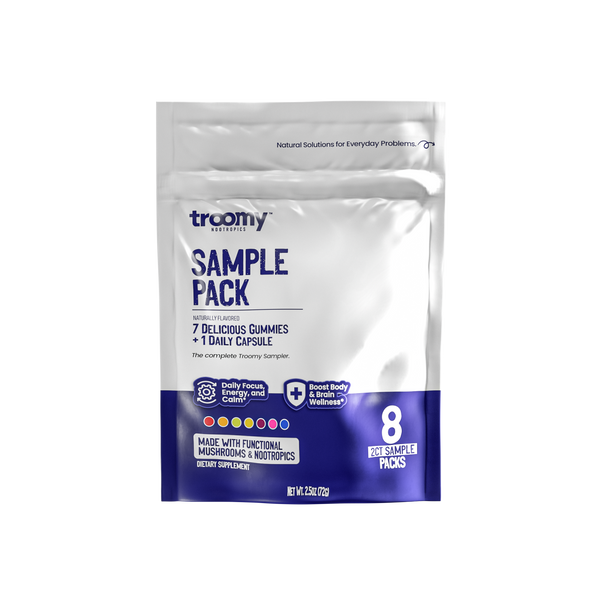
Functional mushroom gummies for people who hate swallowing capsules.
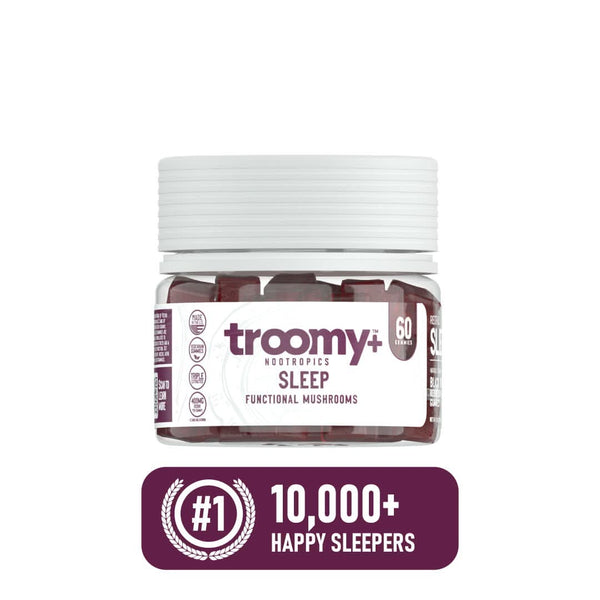
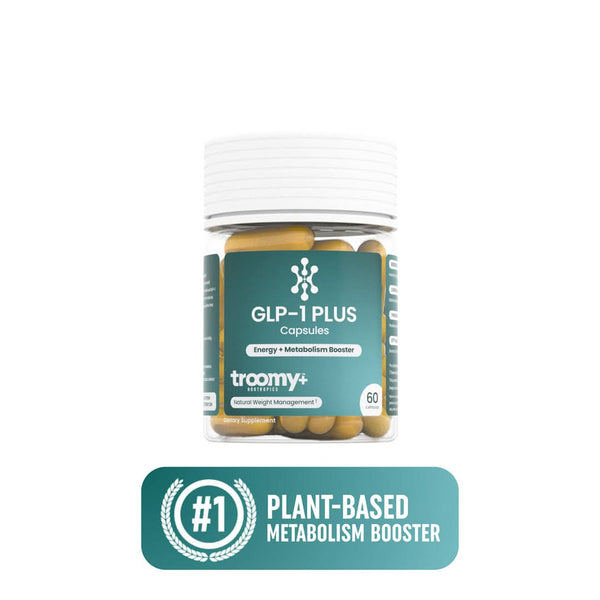
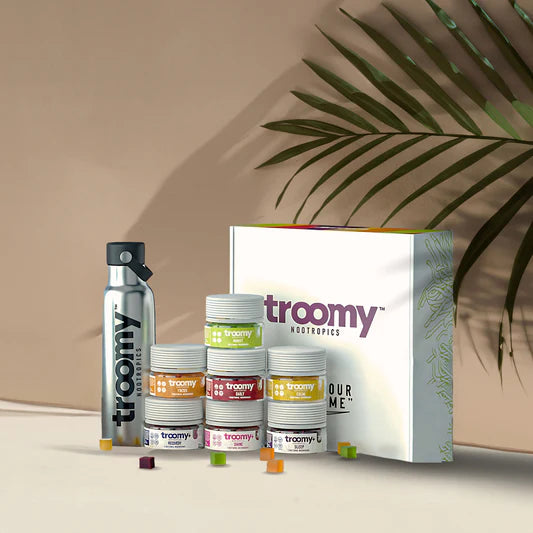
Troomy made a deliberate choice to meet functional mushrooms where most people actually live: gummies that taste good and fit into a daily routine without friction. The product line covers lion's mane for focus, reishi for sleep, cordyceps for energy, chaga and turkey tail for immunity — each with meaningful mushroom content rather than token dosing for label claims. Not the supplement for hardcore biohackers chasing maximum beta-glucan density, but a genuinely solid way to build a consistent daily mushroom habit.

Enter Store

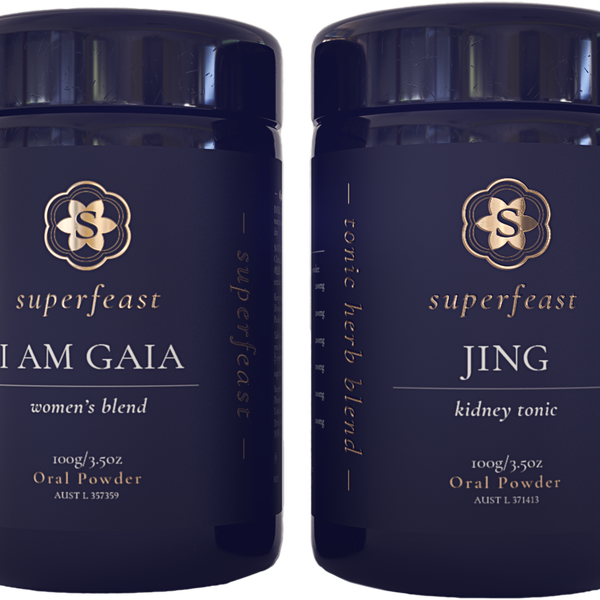
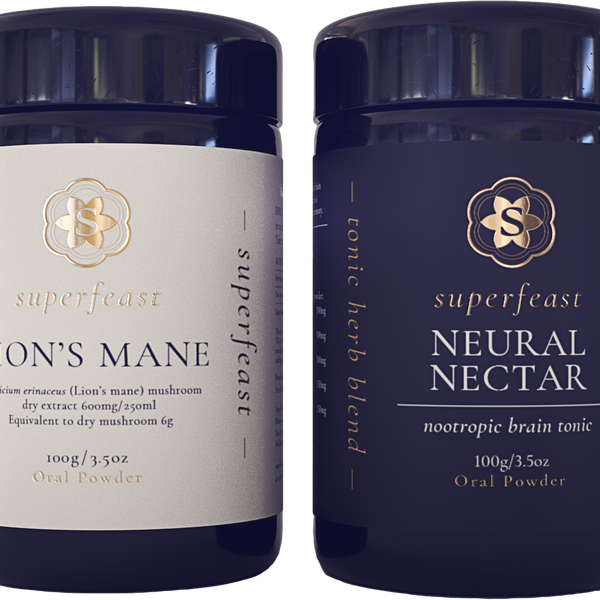
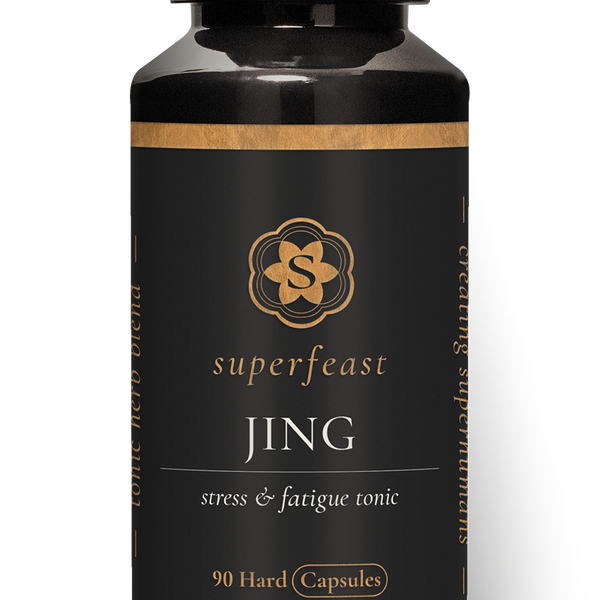
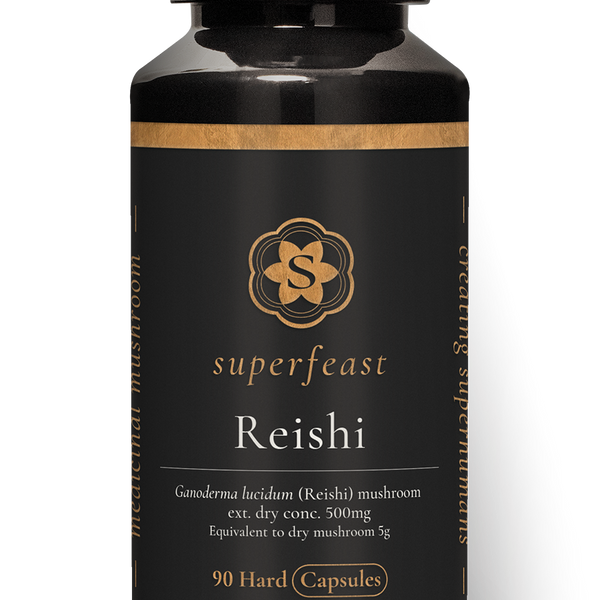
SuperFeast

Wellness

Di Dao sourced mushroom and tonic herb powders from an Australian family brand.

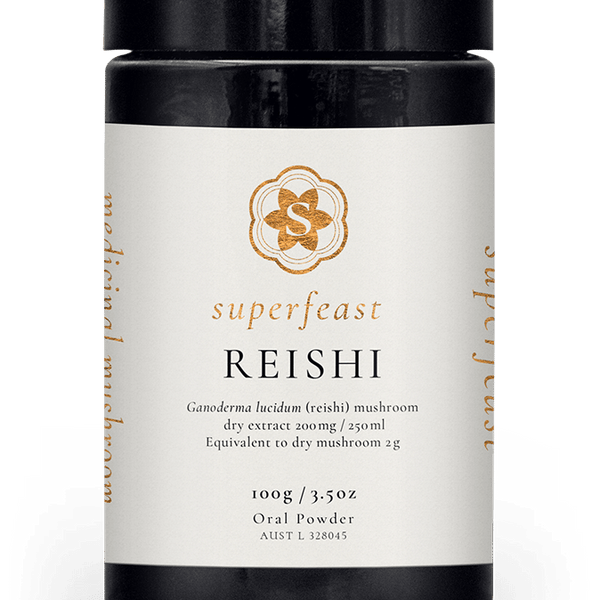
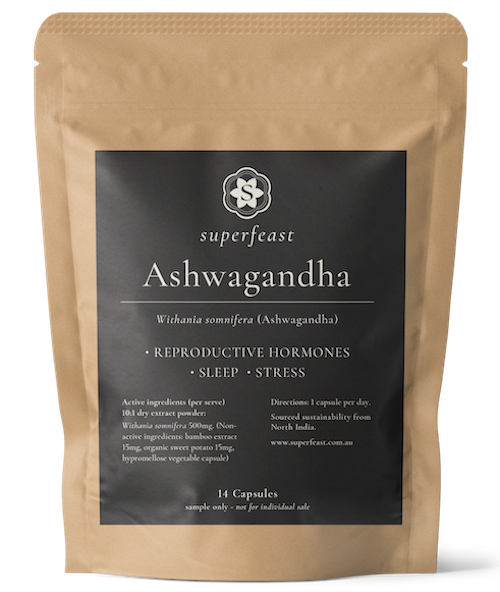
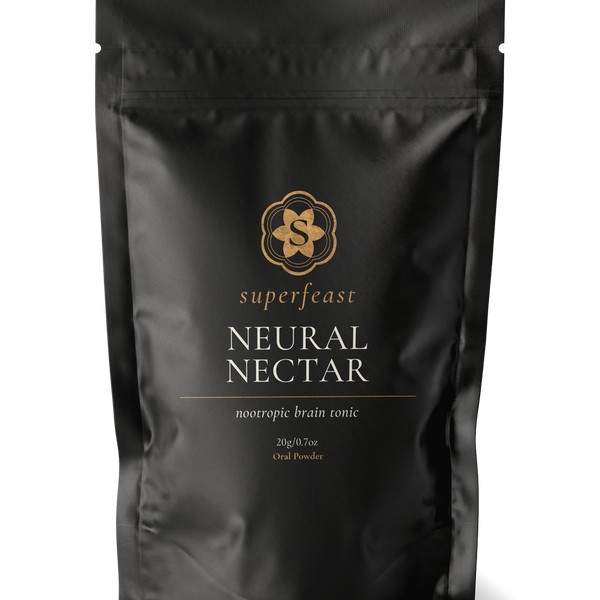
Mason Taylor started SuperFeast in 2011 in his mother's garage, guided by a commitment to Di Dao sourcing — a Taoist herbalism concept meaning herbs are gathered from their native geographic habitat at peak potency. Cordyceps from the Tibetan plateau, chaga from Siberian birch forests, reishi from Changbai Mountain. Still 100% family-owned, the brand has grown into Australia's leading medicinal mushroom supplier without compromising the sourcing philosophy Taylor started with.

Enter Store

North Spore

Wellness

Maine mushroom cultivators offering certified organic fruiting body supplement extracts.

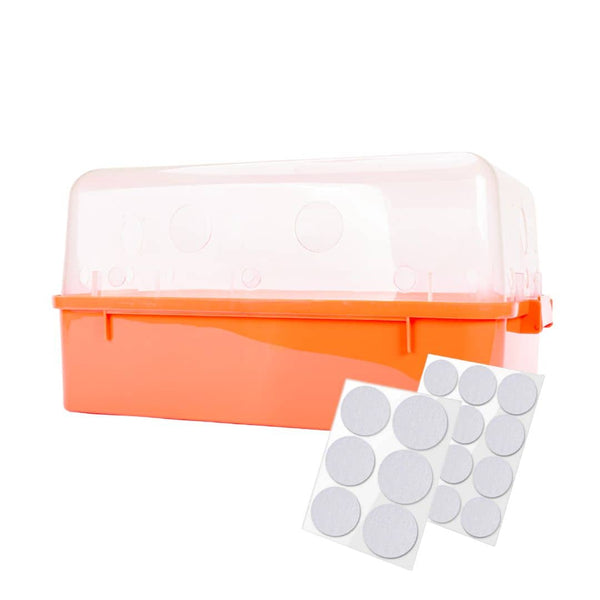
Based in Maine, North Spore built their reputation in the mushroom cultivation supply world — grow kits, spawn, substrate — before launching a supplement line. The distinction is that they actually grow mushrooms; they're not a supplement company that buys extracts from a broker. Their Organic Mushroom Extract range uses certified organic fruiting bodies and sclerotia, with an extraction standard that reflects genuine botanical knowledge. When North Spore says fruiting body, they know exactly what that means because they grew it.

Enter Store

About This District

The first thing to check when evaluating any functional mushroom supplement brand is whether they use fruiting bodies or mycelium. Fruiting body products are made from the actual mushroom you'd recognize — the cap and stem structure. Mycelium products are made from the fungal root structure, often grown on grain substrate, which means a significant portion of the product is grain starch, not mushroom. Look for brands that specify 'fruiting body only' and ideally list a beta-glucan percentage on the label (≥30% is a reasonable benchmark for a quality extract). Extraction method matters, particularly for reishi, chaga, and turkey tail. These mushrooms have cell walls made of chitin that water alone cannot break down. A hot-water extraction captures water-soluble beta-glucans; an alcohol extraction captures fat-soluble triterpenes. Dual-extracted tinctures give you both fractions. For lion's mane and cordyceps, a single hot-water extraction is generally sufficient. Formats come down to lifestyle. Tinctures (liquid extracts, typically 1–2ml per serving) absorb quickly and are easy to add to any liquid. Capsules are portable and tasteless. Powders work well blended into food but are bulkier. For daily use, tinctures and capsules outperform powders on consistency. Dosing varies by species, but most clinical research uses 500mg–3g of fruiting body extract daily. Start with one mushroom species at a time for 30 days to gauge your own response before stacking multiple species.