

Mint Districts Wellness

The Best Adaptogenic Herbal Wellness Brands Selling DTC

The adaptogen category has been colonized by wellness brands that can't tell reishi from rhodiola. What's left — when you filter out the influencer powders and the white-label capsule companies — is a genuinely fascinating world of herbalists, tonic-herb obsessives, and small-batch formulators doing serious work. These are the brands where the founder likely spent years studying with clinical herbalists before selling a single bottle. Where sourcing means something. Where the difference between a lion's mane extract and a lion's mane powder actually gets explained. The plant medicine tradition is old; these brands are finding modern ways to honor it.

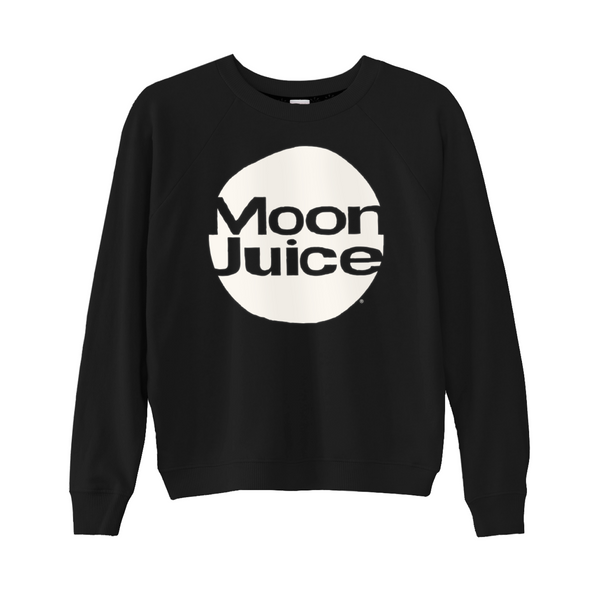
Moon Juice

Wellness

LA-born adaptogen supplements built around daily ritual.

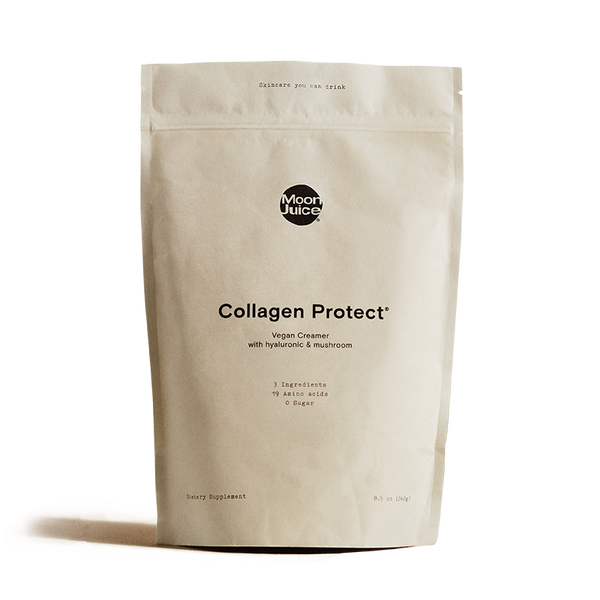
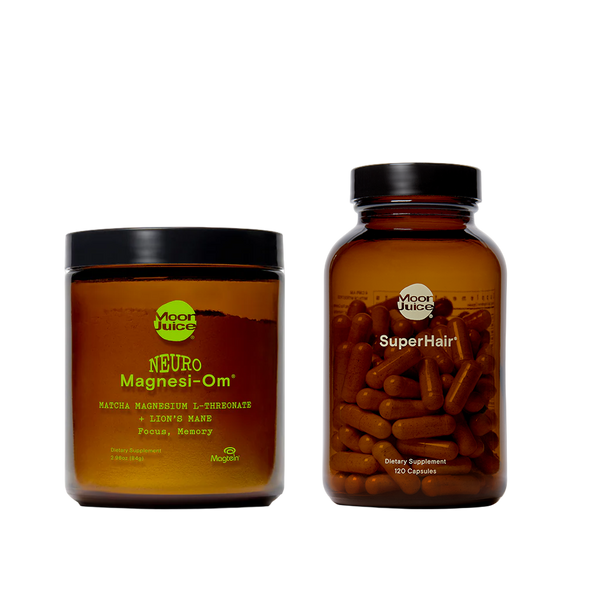
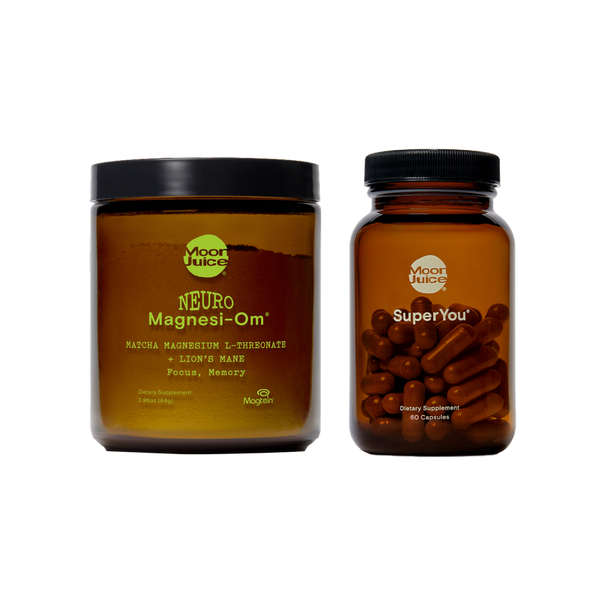
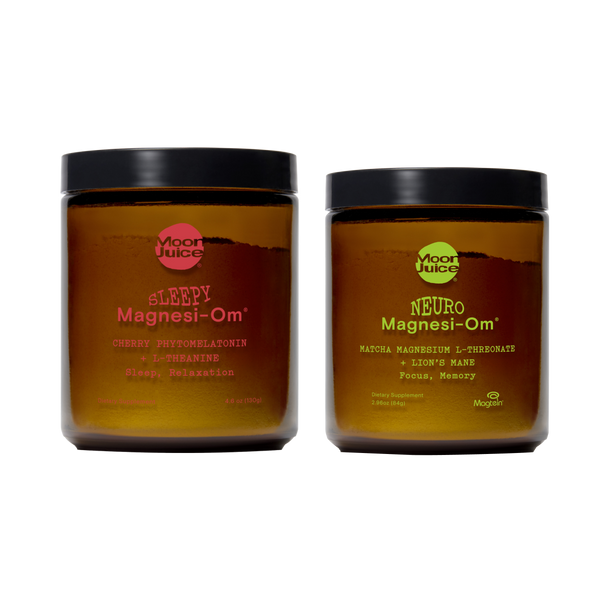
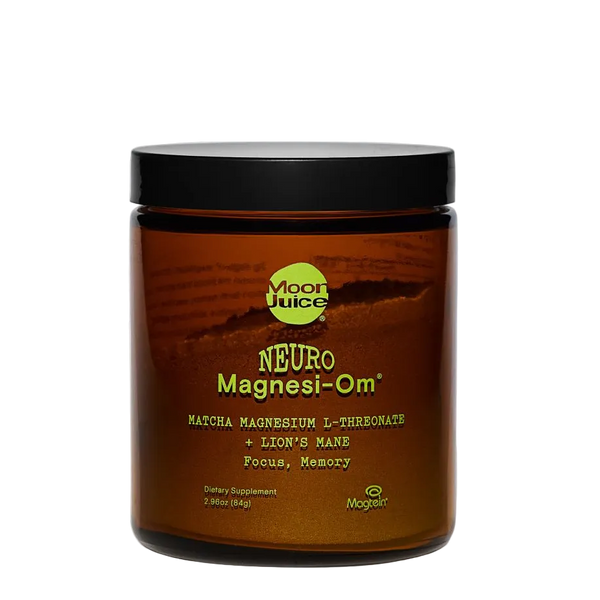
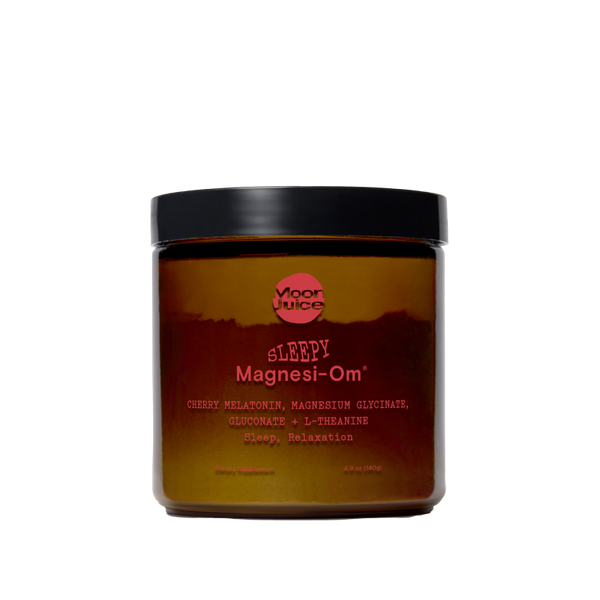
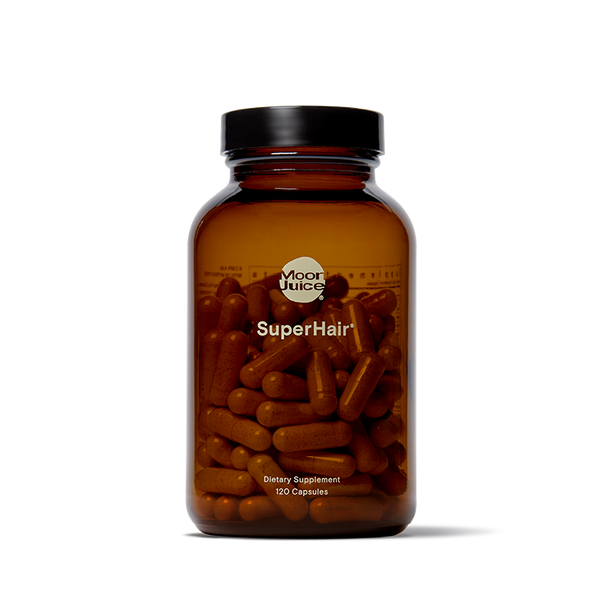
Amanda Chantal Bacon founded Moon Juice in 2011 out of a small Venice Beach shop, long before adaptogens were a marketing category. Her early products — raw cacao elixirs, tonic herb powders — were ahead of their time and slightly weird in the best way. Today the brand is bigger and more streamlined, but their SuperYou (adaptogen stress formula) and Magnesi-Om remain among the most-used daily supplements in the wellness world. They democratized tonic herbs for an audience that hadn't heard of schisandra before.
Enter Store

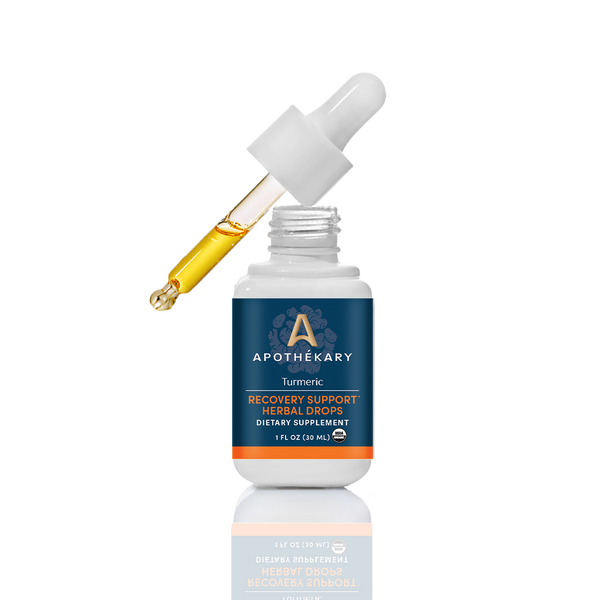
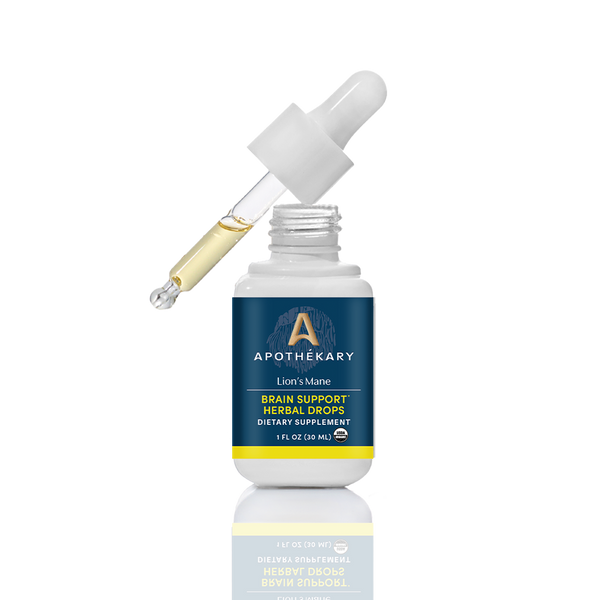
Apothékary

Wellness

Plant-based alcohol alternatives rooted in Ayurvedic herbs.

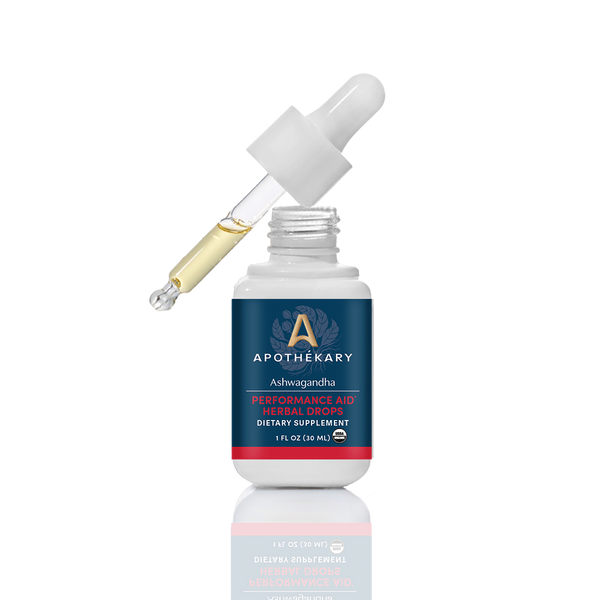
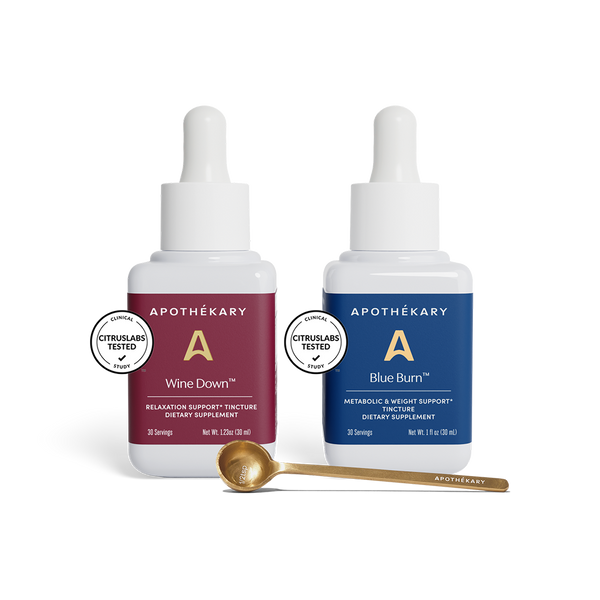
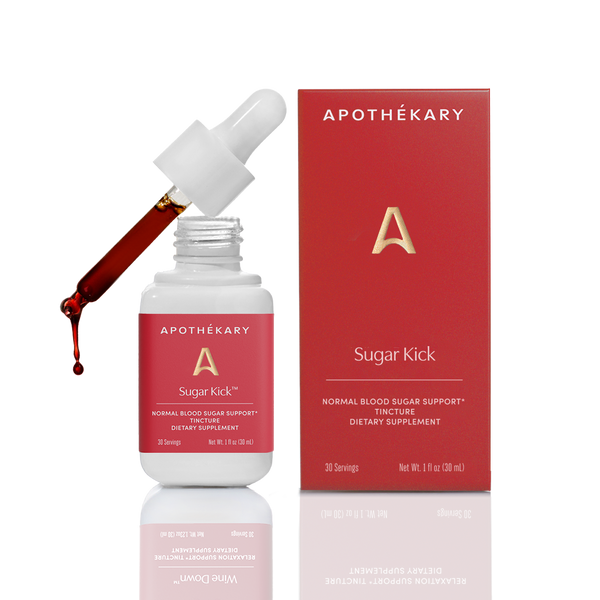
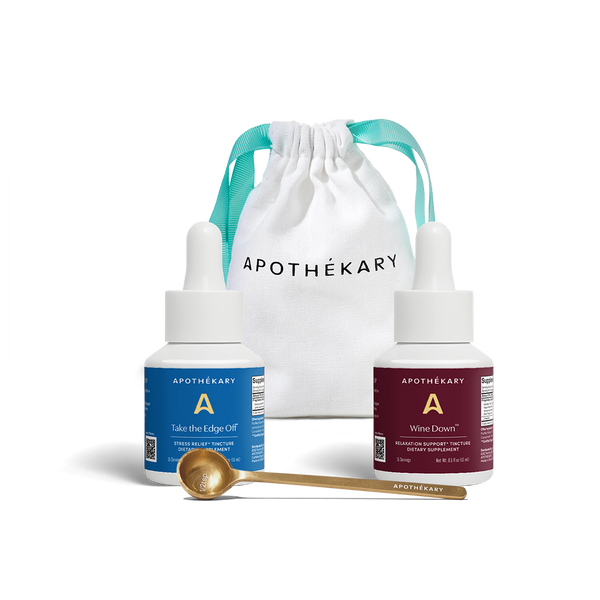
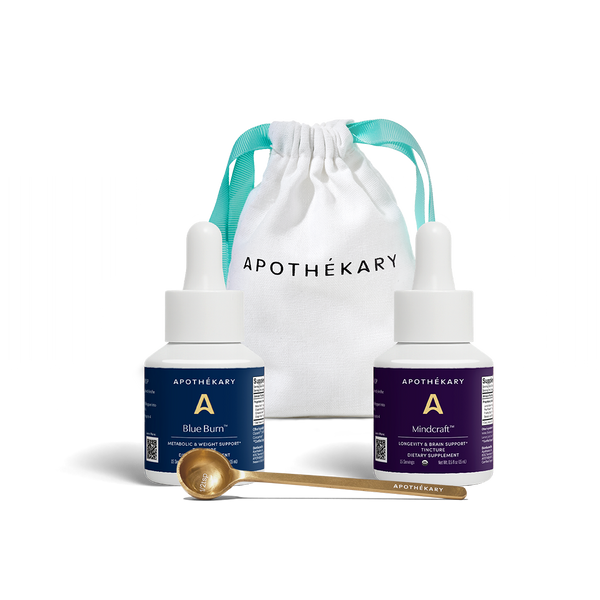
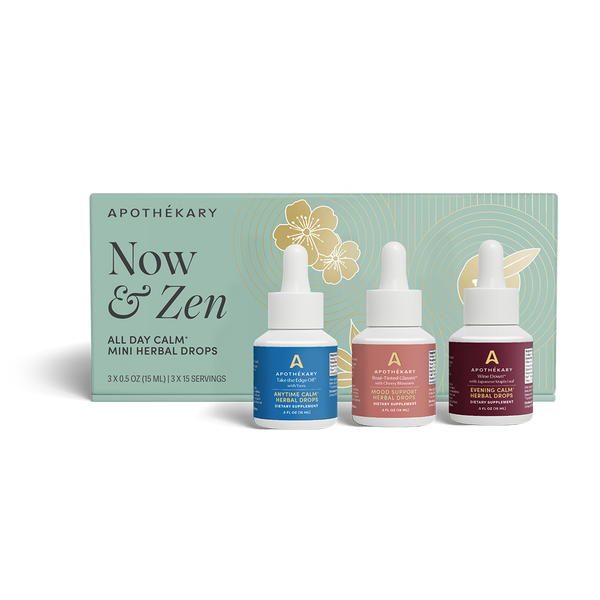
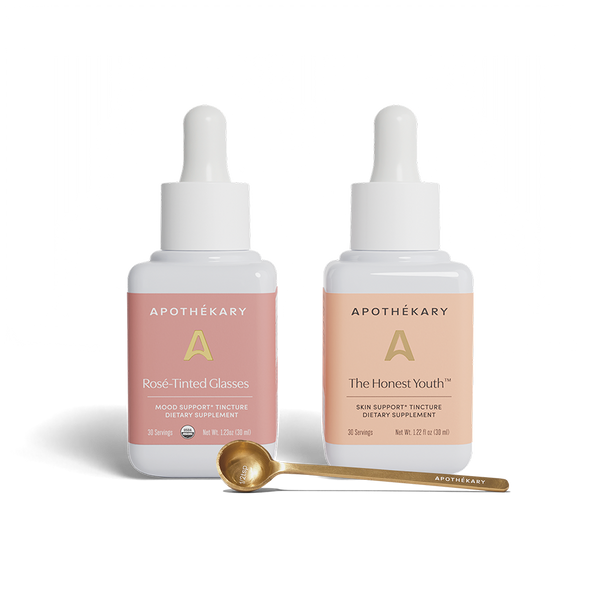
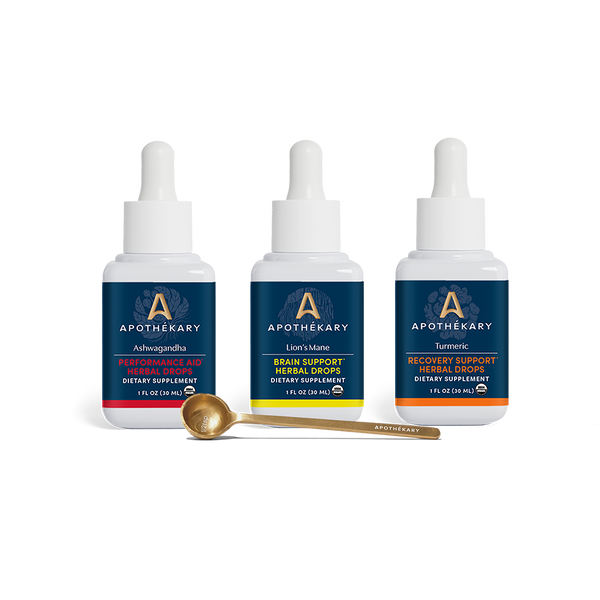
Shizu Okusa launched Apothékary in 2019 after her own burnout from a career in finance, with a clear brief: make functional herbal blends that replace the social ritual of alcohol. Their "Wine Down" formula — kava, ashwagandha, reishi — became something of a cult product in sober-curious circles. The branding is clean and modern, which helps the herbal medicine land for an audience who might otherwise find the category intimidating.

Enter Store

Sun Potion

Wellness

Premium tonic herbs from the Taoist tradition, no shortcuts.

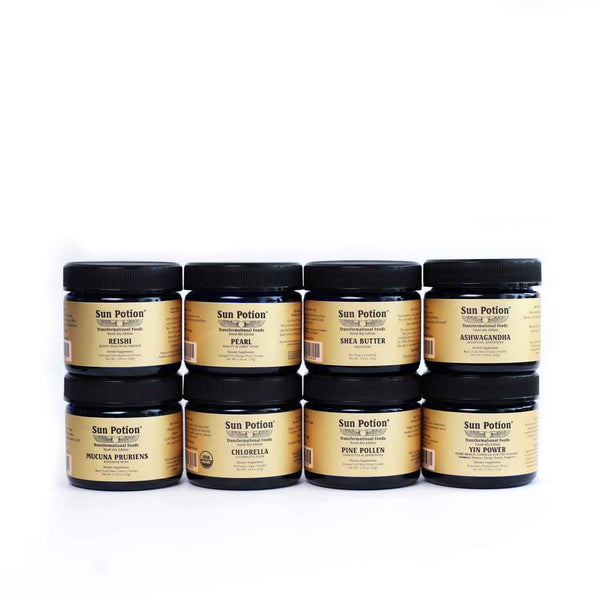
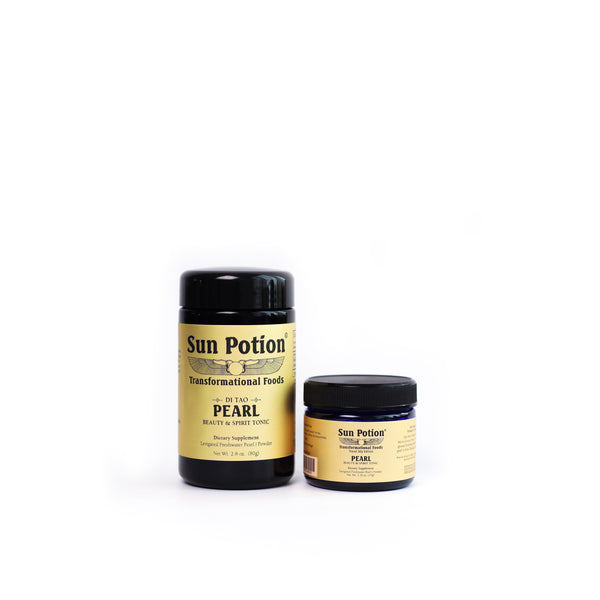
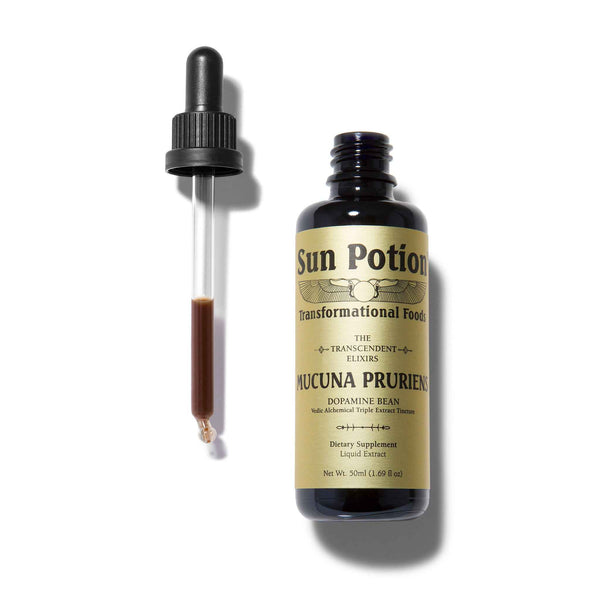
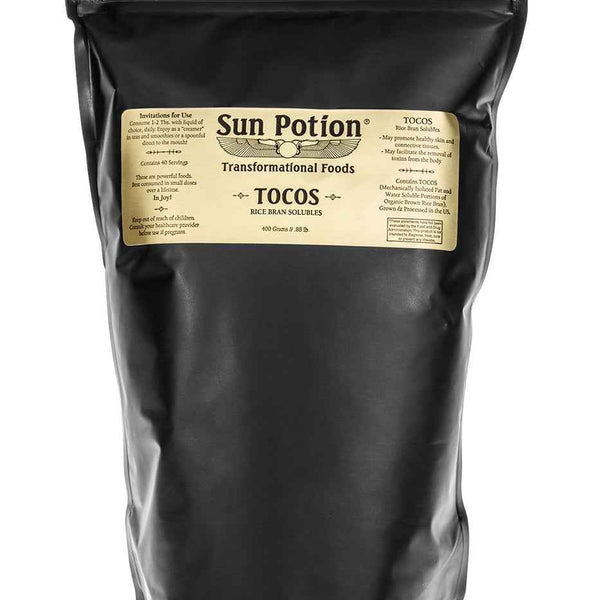
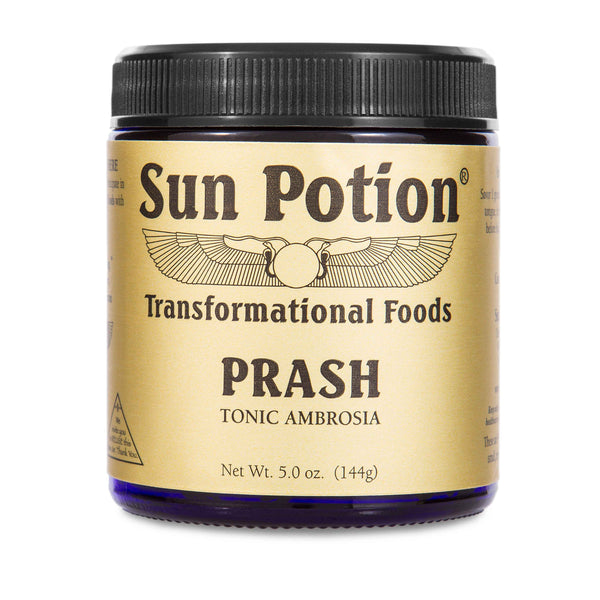
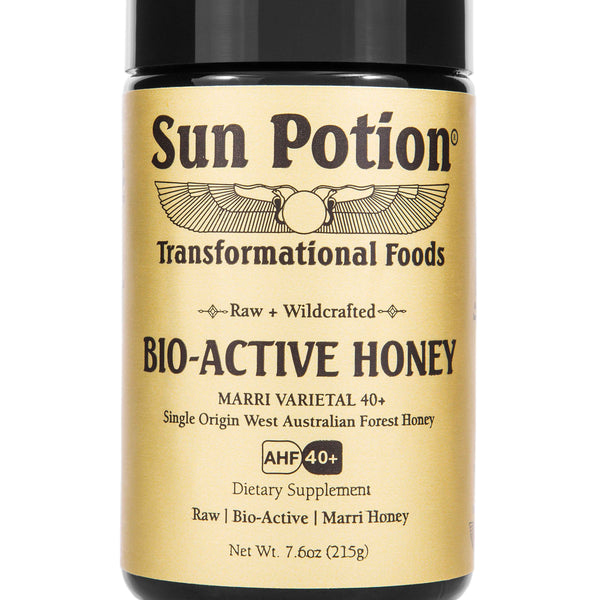
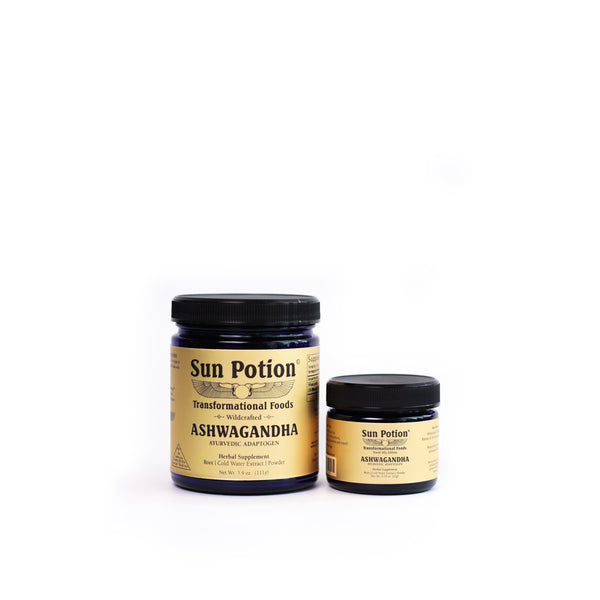
Based in Santa Barbara and steeped in the Taoist tonic herb tradition, Sun Potion occupies a specific lane: single-ingredient, high-potency adaptogenic powders sourced from the actual regions these herbs come from. Their He Shou Wu is wildcrafted in China; their Shatavari is sourced from India. Founder Scott Linde spent years studying classical tonic herbalism before launching, and the rigor shows — every product comes with detailed sourcing notes and traditional context.

Enter Store

Anima Mundi Herbals

Wellness

Herbalist-crafted tonics bridging Costa Rican and North American plant medicine.
Herbalist Adriana Ayales founded Anima Mundi after years of practice rooted in her native Costa Rica's plant medicine traditions. The Brooklyn apothecary blends indigenous botanical knowledge with modern formulation — adaptogens like cat's claw and chaga sit alongside nervines, tonics, and flower essences. Everything is made in small batches with a formulator's precision rather than a supplement company's efficiency.
Enter Store

Wooden Spoon Herbs

Wellness

Small-batch Tennessee herbal tinctures made by a working herbalist.

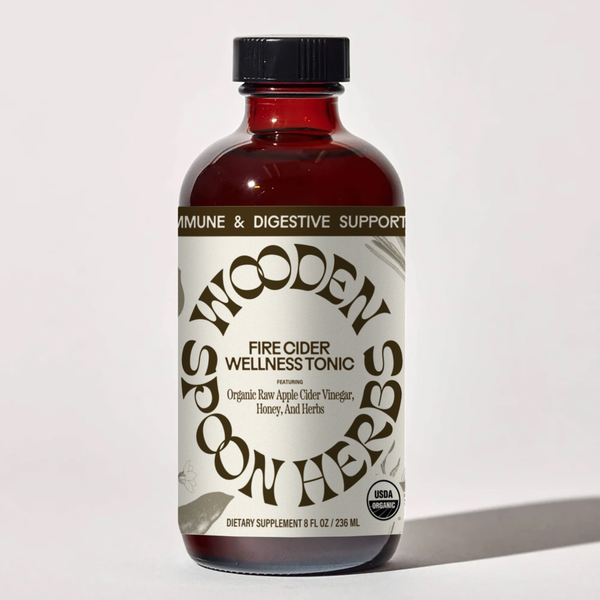
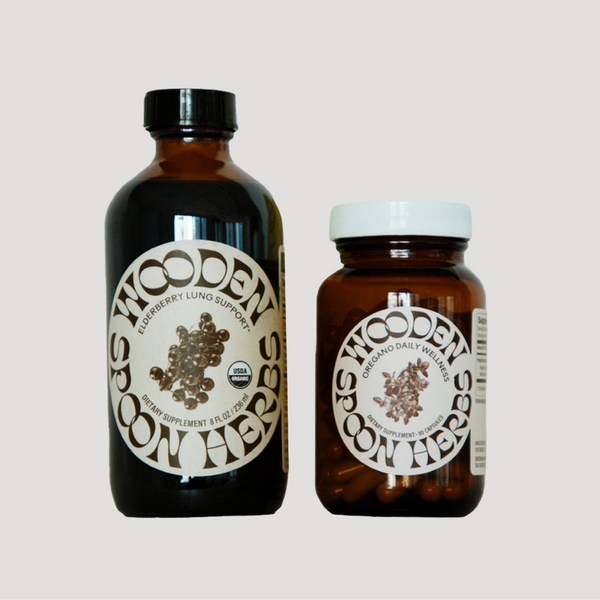
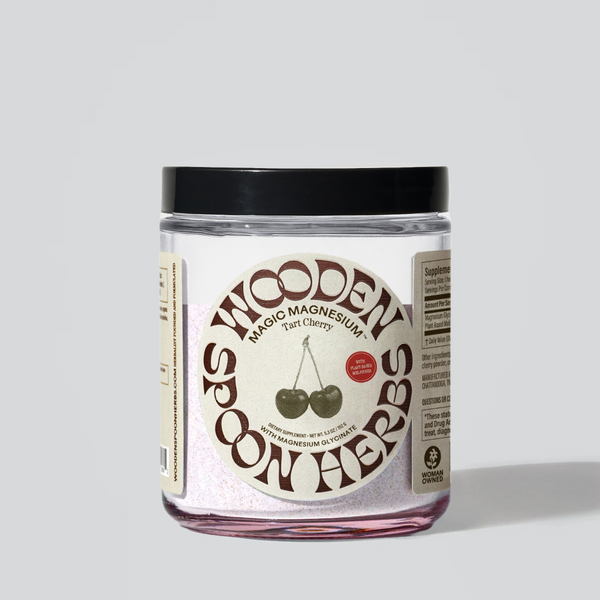
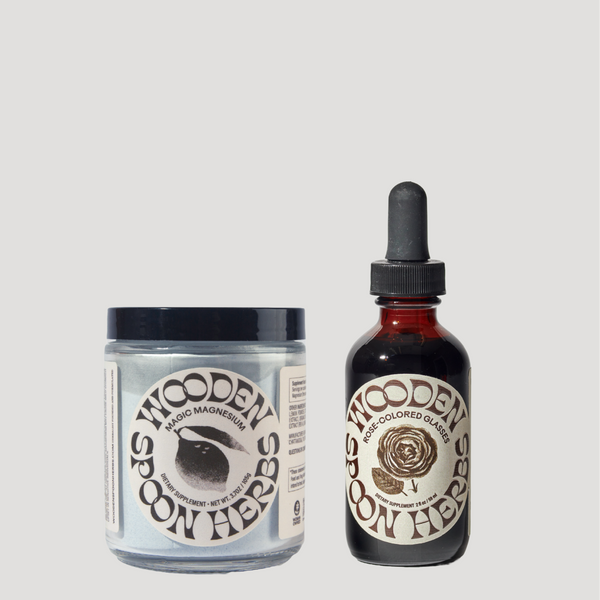
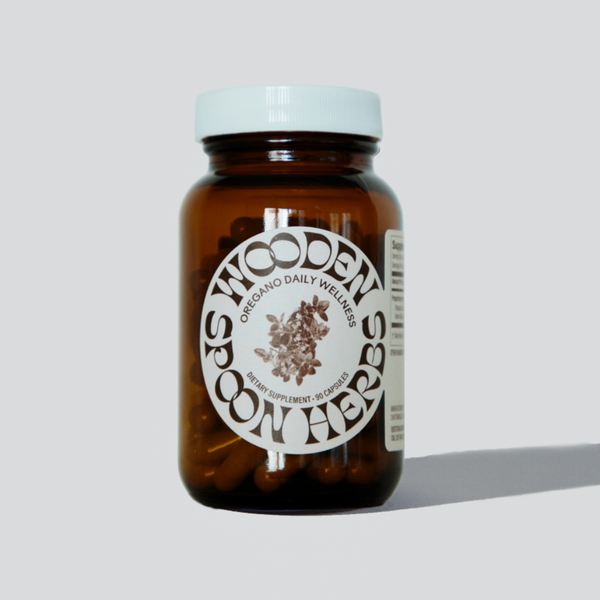
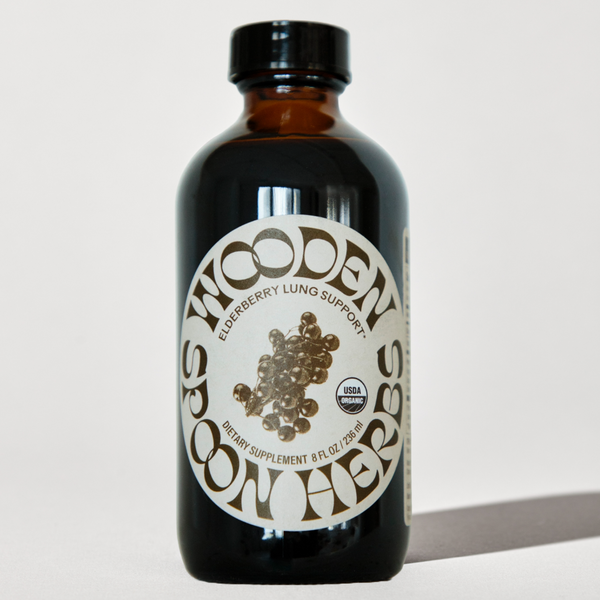
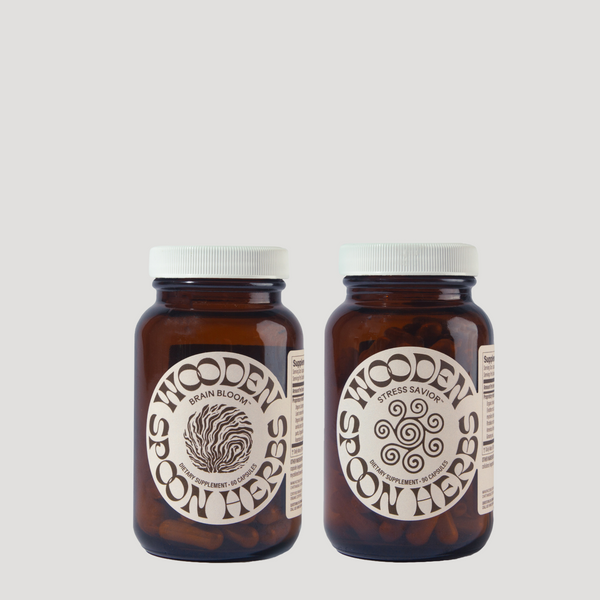
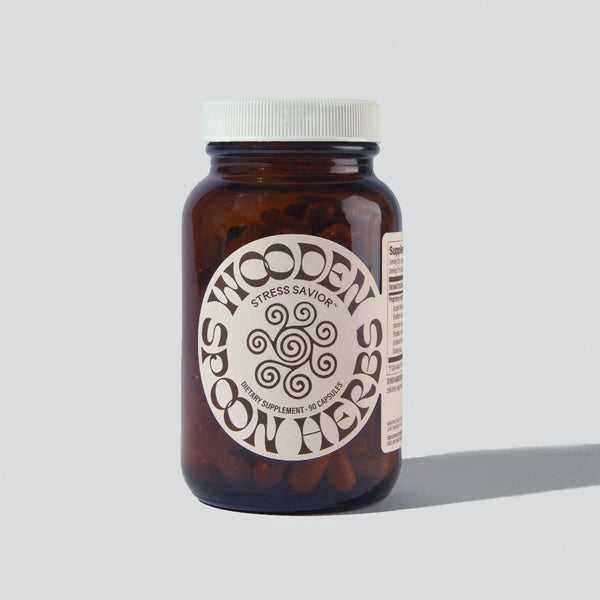
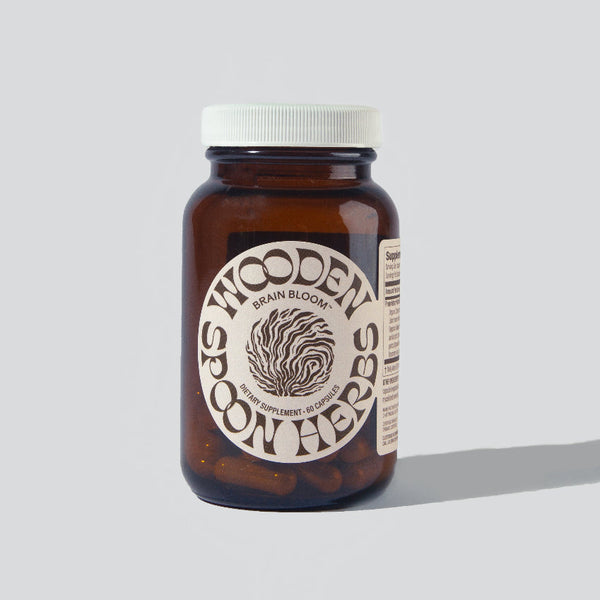
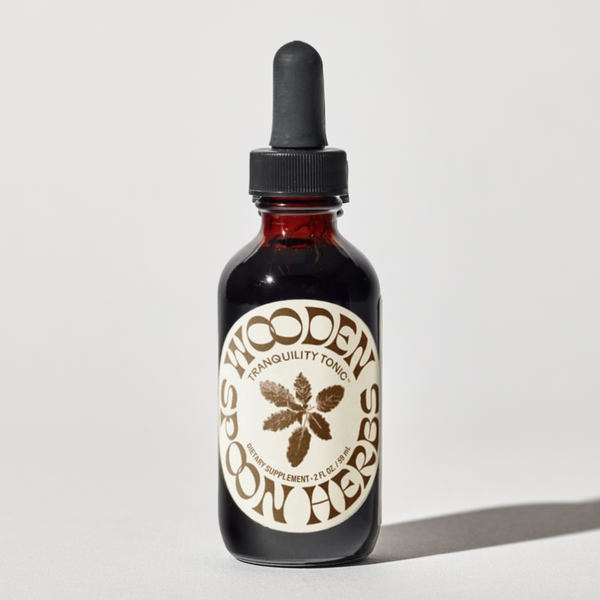
Lauren Haynes built Wooden Spoon Herbs out of her clinical herbal practice in Tennessee, and that lineage is visible in the product range: these are practitioner-grade tinctures and syrups with specific therapeutic intentions. The Fire Cider and elderberry syrup are entry points; the nervine and adaptogen tinctures are where the real depth lives. Products are formulated from Haynes's years of seeing clients — not from trend reports.

Enter Store

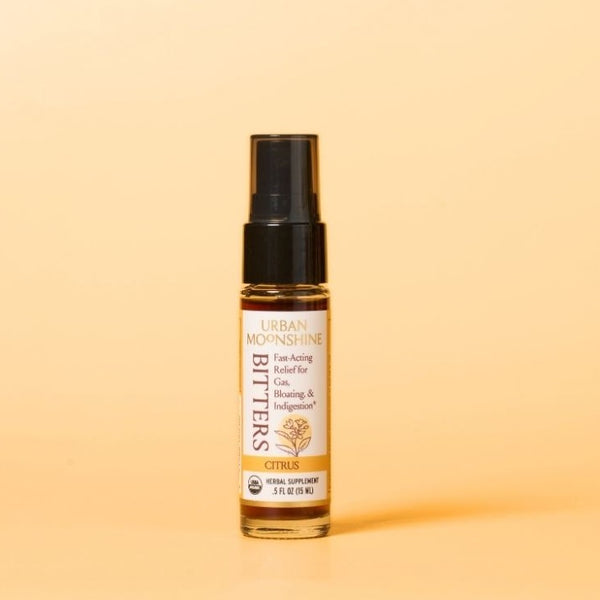
Urban Moonshine

Wellness

Vermont herbalists who made digestive bitters approachable and daily.

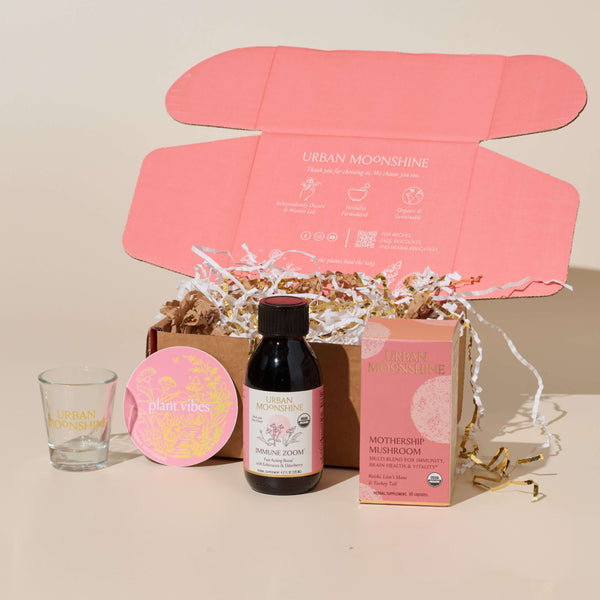
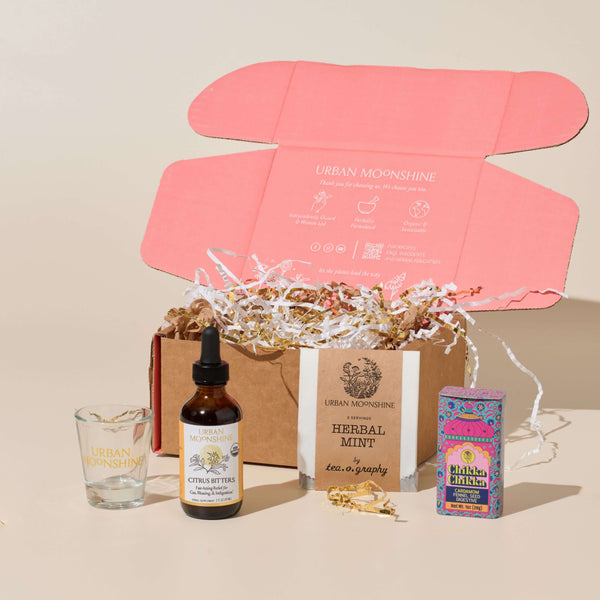
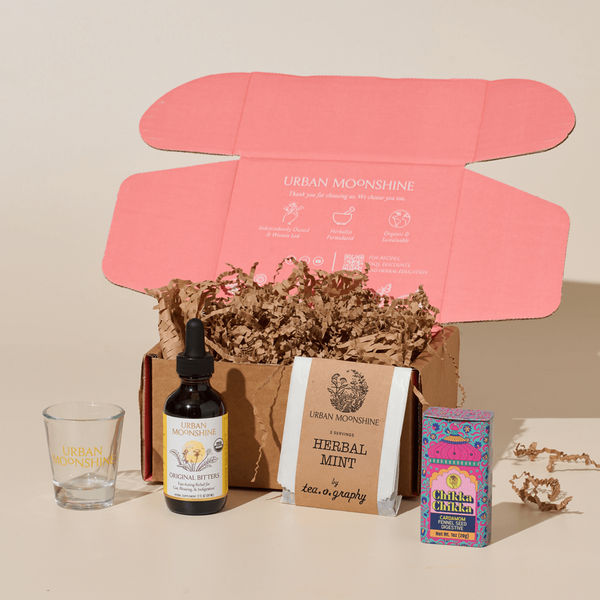
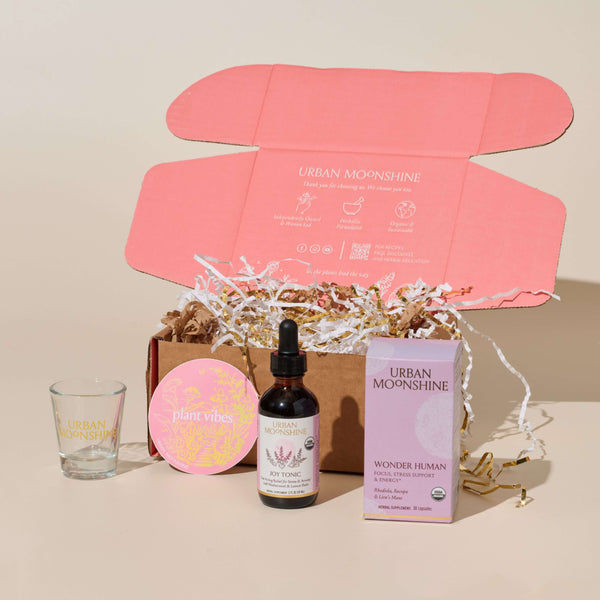
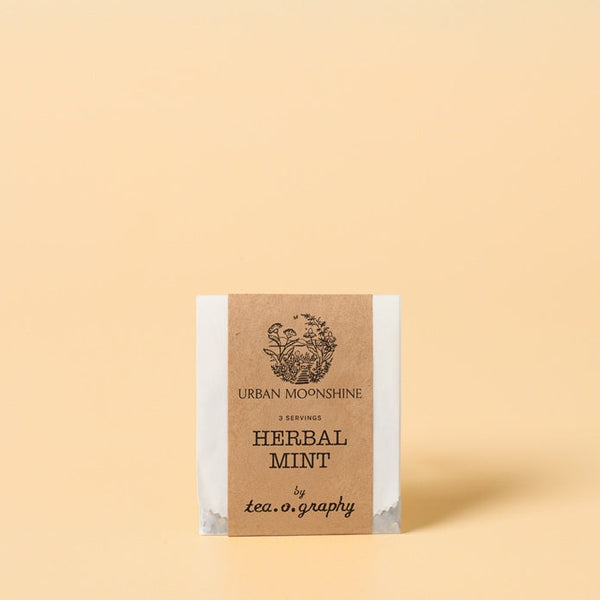
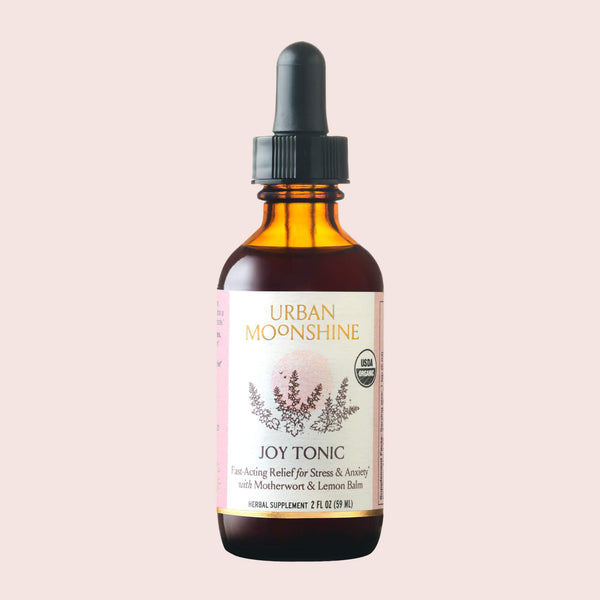
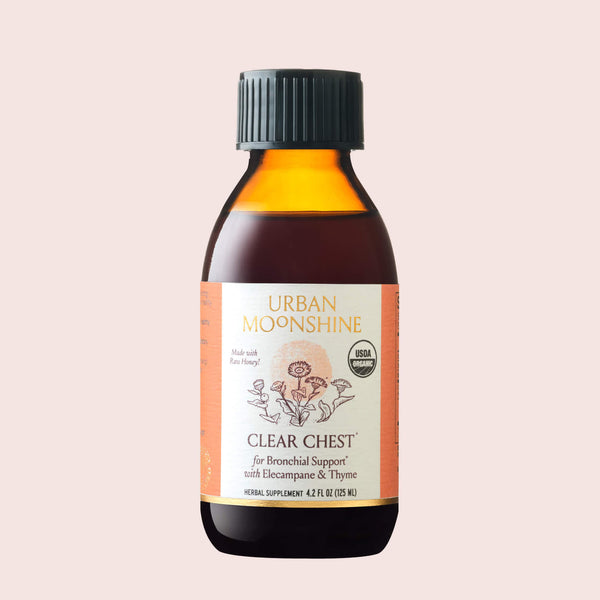
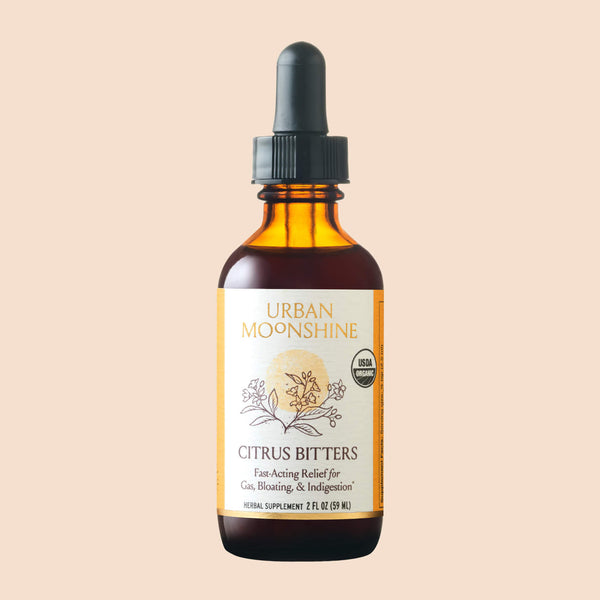
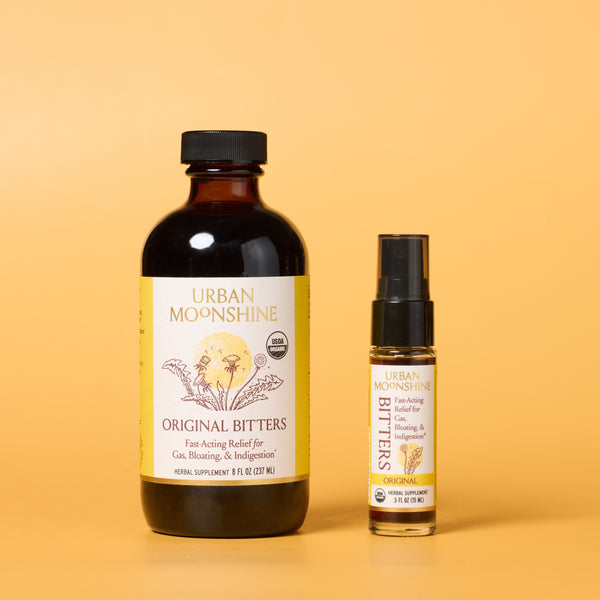
Jovial King founded Urban Moonshine in Burlington, Vermont in 2009 with a singular mission: put herbal bitters back into daily American life after a century of Prohibition-era prohibition. The Original Bitters and Citrus Bitters became genuine crossover hits — ending up behind cocktail bars as well as in medicine cabinets. Built on the Western European botanical tradition, updated with American wildcrafted herbs and a farmer-direct sourcing model.

Enter Store

WishGarden Herbs

Wellness

Family herbalist tradition making liquid extracts since 1979.

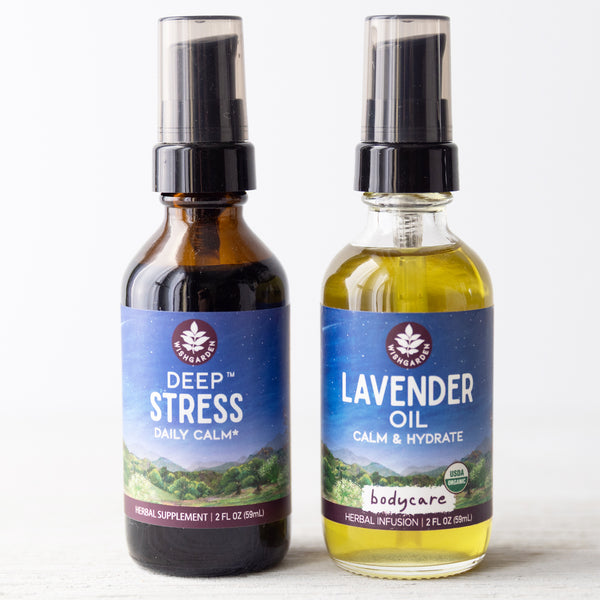
Rebecca Wood started WishGarden Herbs in Colorado in 1979, decades before adaptogens were a wellness trend. The family-run company makes liquid herbal extracts (tinctures) using fresh or freshly-dried plant material — a distinction that matters for potency. Their Calm Now and Kick-Ass Immune are bestsellers, but the catalog runs deep into the classical herbalism tradition, with formulas for everything from respiratory support to stress adaptation.

Enter Store

Four Sigmatic

Wellness

Finnish mushroom coffee company that mainstreamed functional fungi.

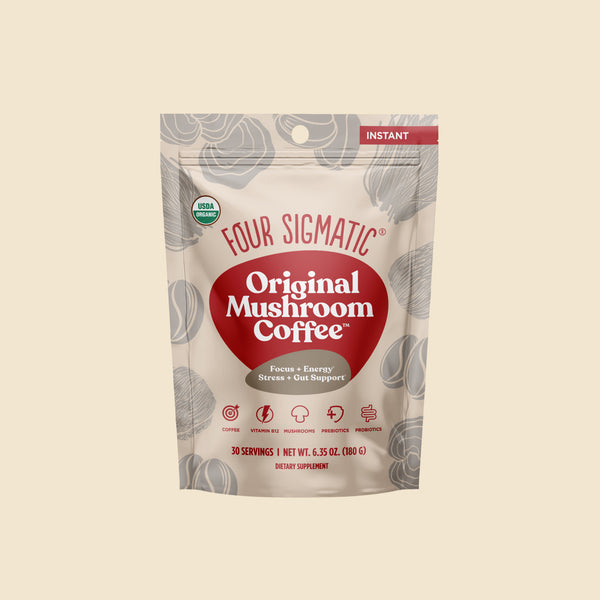
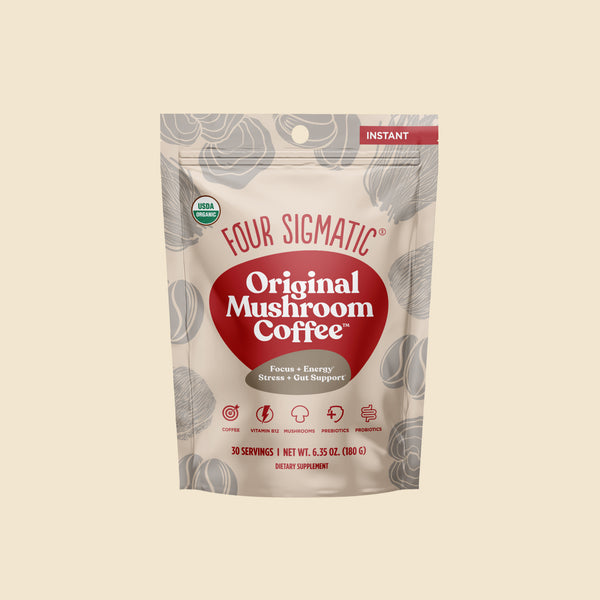
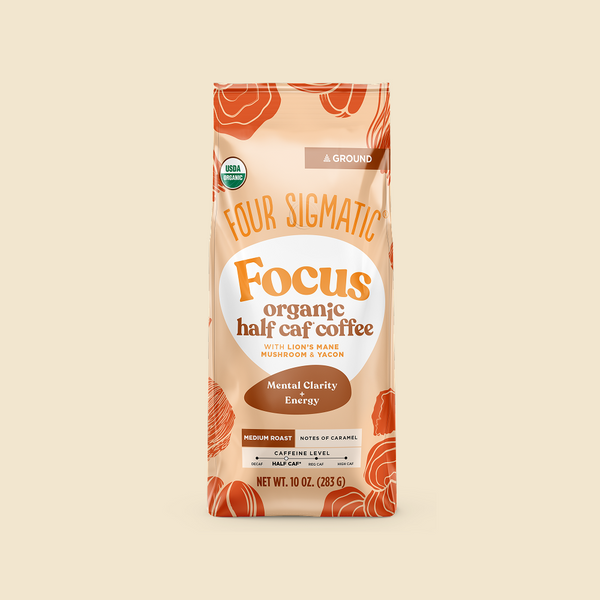
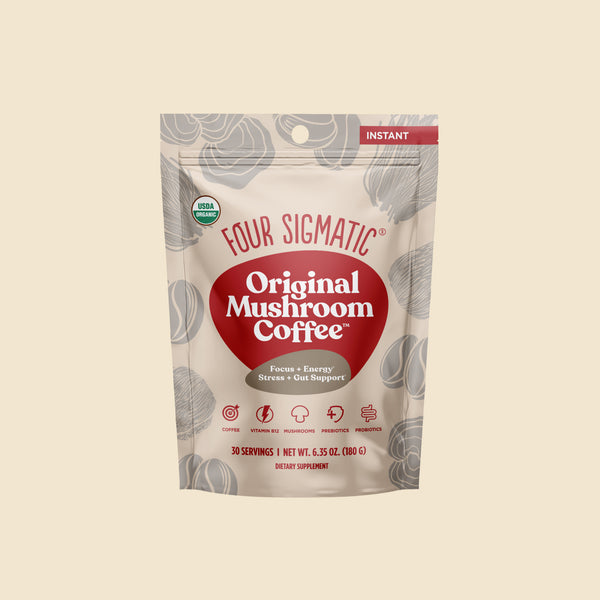
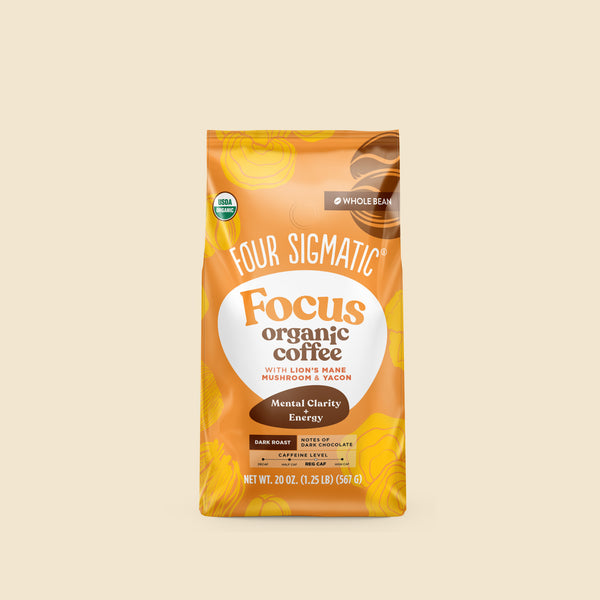
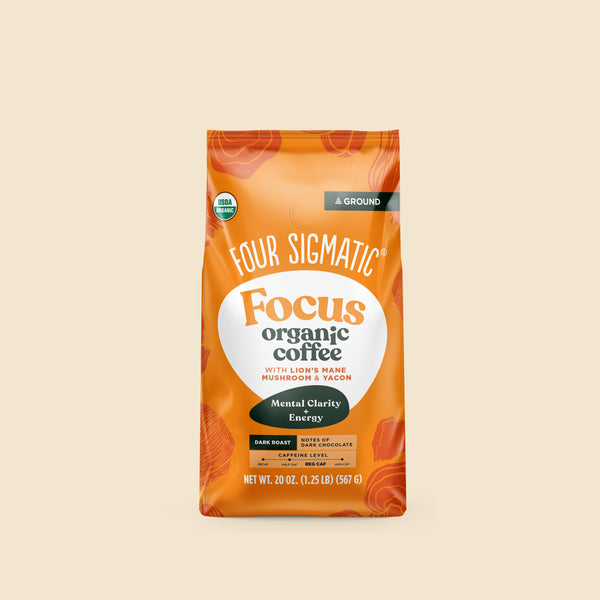
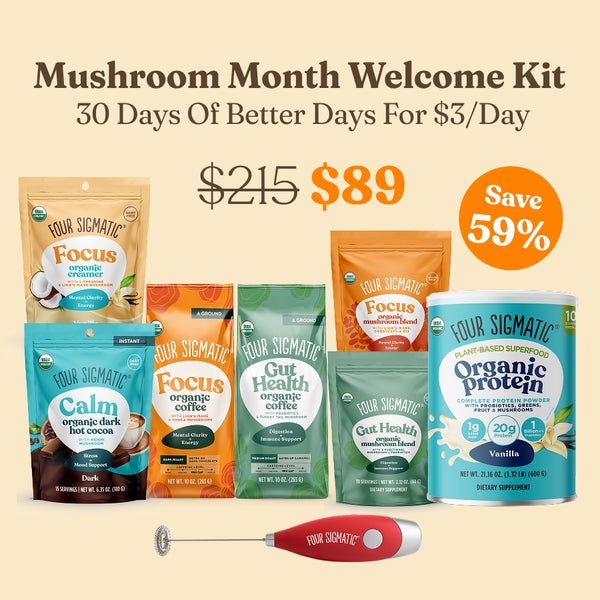
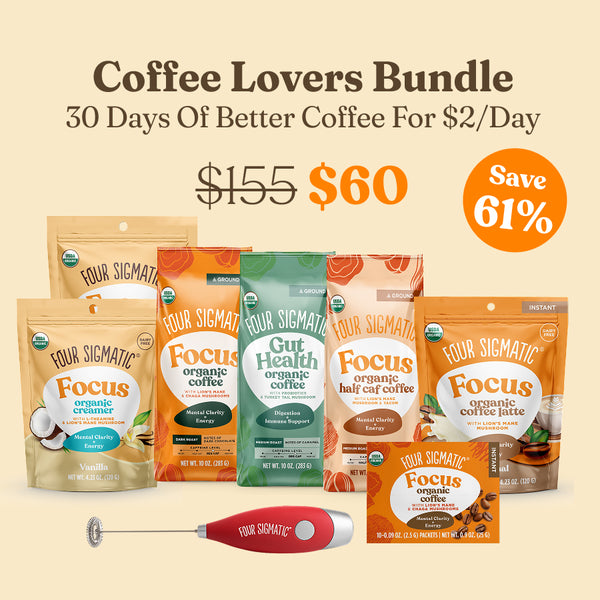
Tero Isokauppila grew up on a mushroom farm in Finland and launched Four Sigmatic in 2012 with a straightforward premise: mushrooms are profoundly useful, and coffee is where people start their morning. The mushroom coffee with lion's mane and chaga became one of the fastest-growing DTC wellness products of the 2010s. Their dual-extraction process and commitment to fruiting-body mushrooms sets them apart from competitors who copied the format without the sourcing rigor.

Enter Store

MUD/WTR

Wellness

Ceremonial cacao and mushroom blend built to replace your morning coffee.

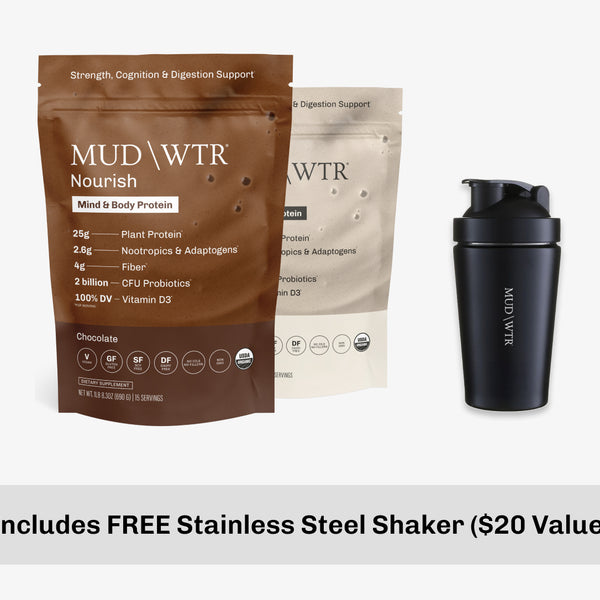
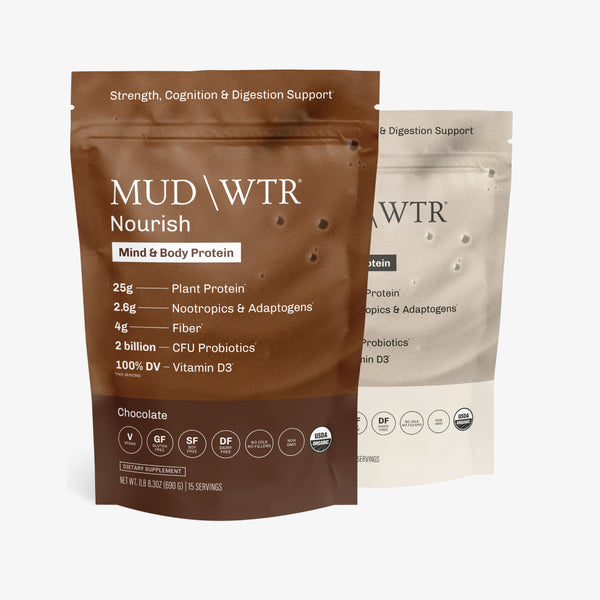
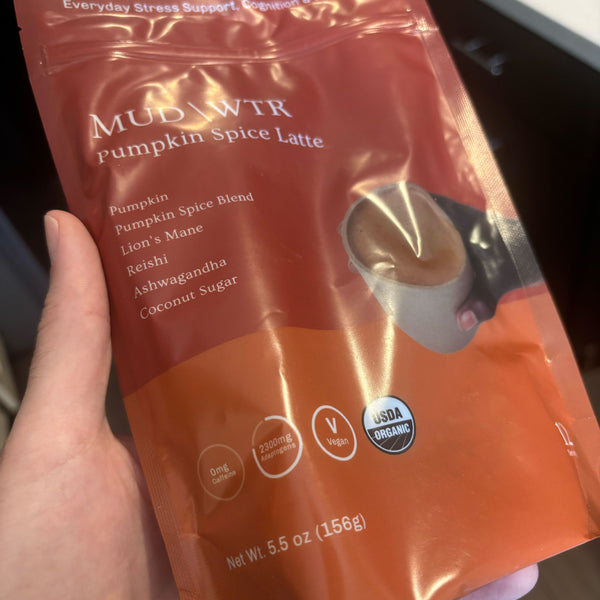
Shane Heath started MUD/WTR in 2018 after trying to cut his own caffeine dependency and landing on a blend of ceremonial cacao, chaga, reishi, lion's mane, and chai spices. The :rise blend delivers about a seventh of the caffeine of coffee with the sustained focus of lion's mane and the adaptogenic buffer of reishi. Their subscription model and strong community built one of the most successful DTC herbal wellness businesses of the last decade.

Enter Store

About This District

When shopping for adaptogenic herbal wellness brands DTC, extraction method is the single biggest quality indicator most people overlook. A dual-extracted mushroom product (both hot-water and alcohol extraction) delivers the full spectrum of beta-glucans and triterpenes; a simple dried-powder product often doesn't. Ask whether the brand uses fruiting bodies or mycelium — fruiting bodies are generally higher in active compounds, though some brands use both for specific reasons. For herbal tinctures, look for liquid-to-herb ratios on the label (something like 1:4 or 1:5), which indicates potency and transparency. Brands that list the actual botanical names (Withania somnifera vs. just "ashwagandha") tend to be more serious about their sourcing. Organic certification matters less than where and how the plant was grown — wildcrafted herbs from reputable regions can outperform certified organic from industrial farms. For adaptogens specifically, understand that the category has a clinical definition: an adaptogen must be non-toxic, produce a nonspecific stress response, and help normalize physiological function. Brands that use the word loosely (applying it to turmeric or ginger) are usually marketing-first. The serious players — ashwagandha, reishi, rhodiola, eleuthero, schisandra, lion's mane — have substantial research behind them. Finally, start with single herbs before blends. It's harder to know what's working when seven adaptogens are stacked in one formula.