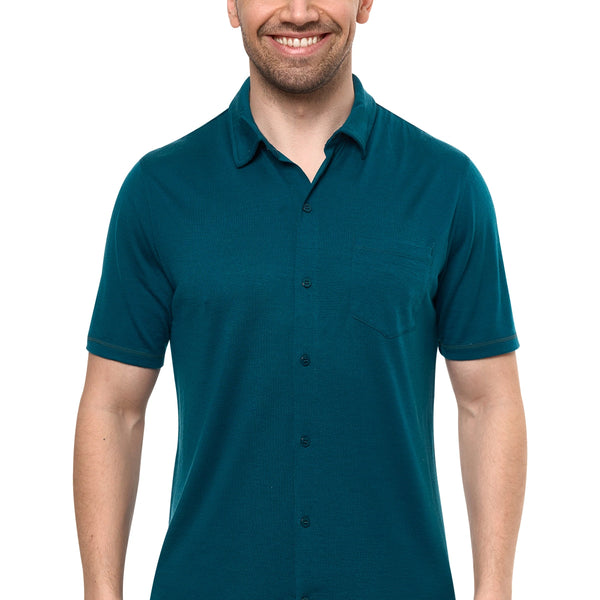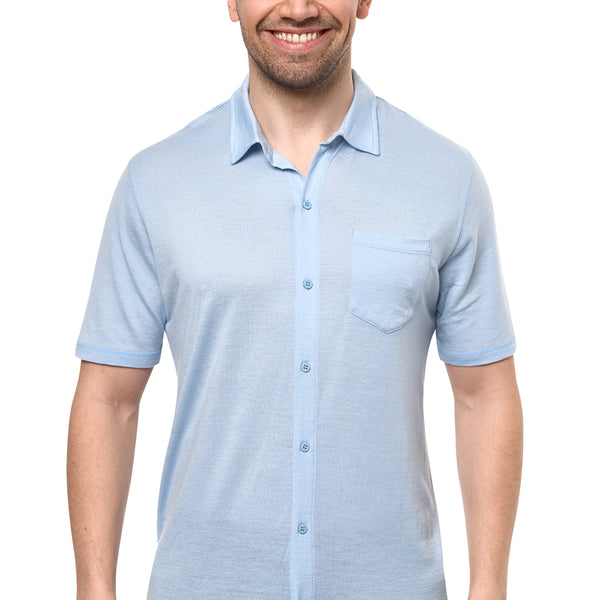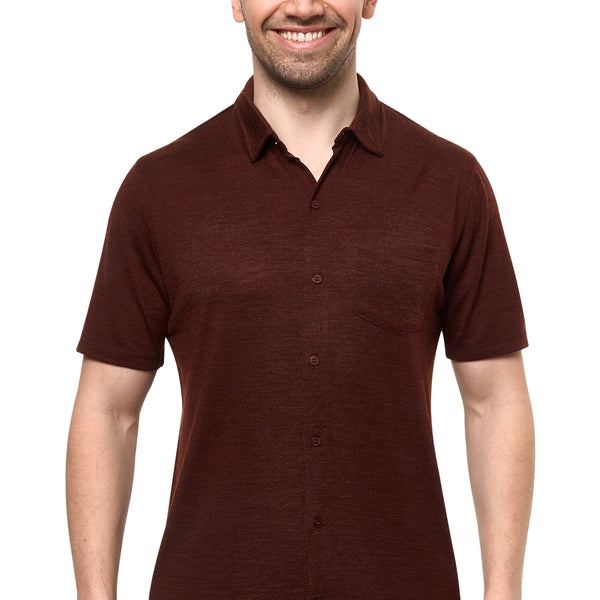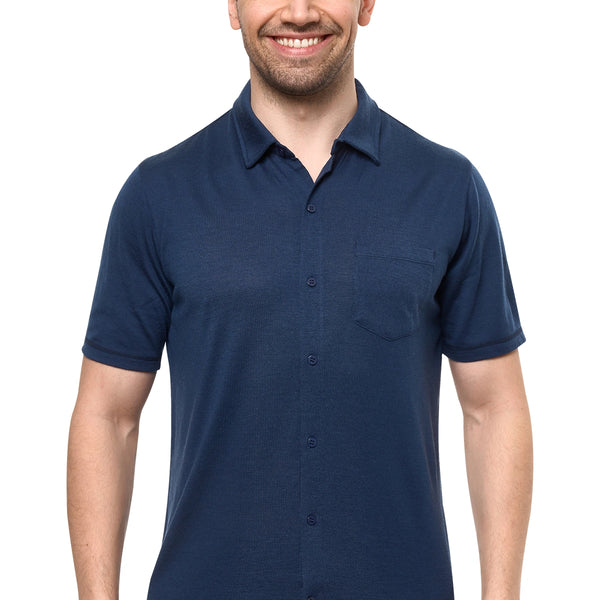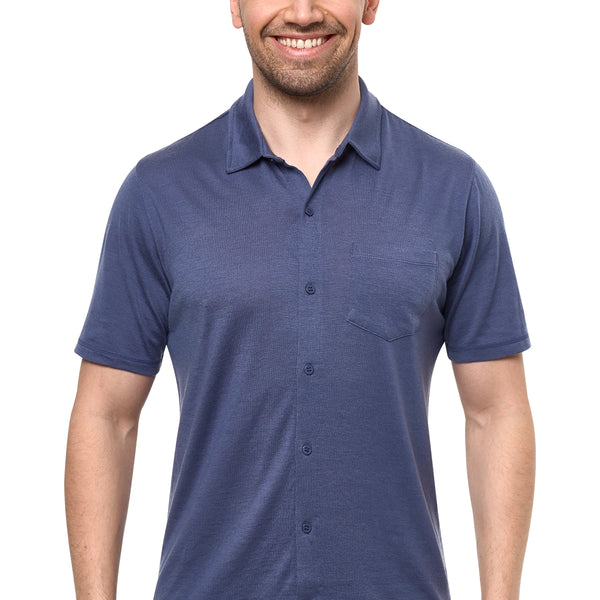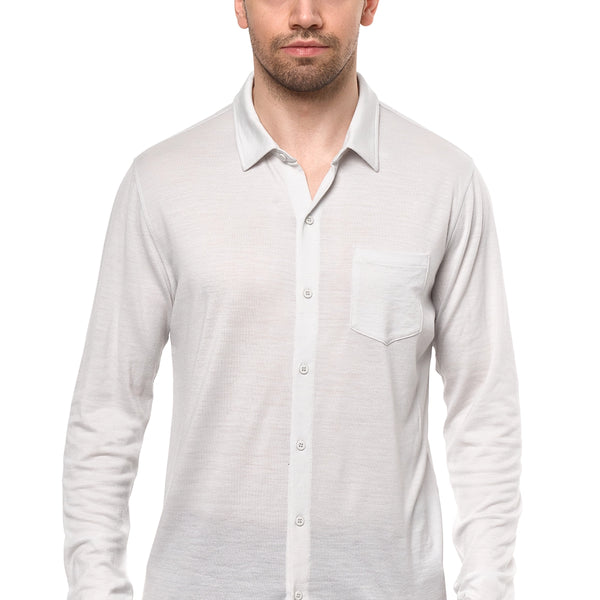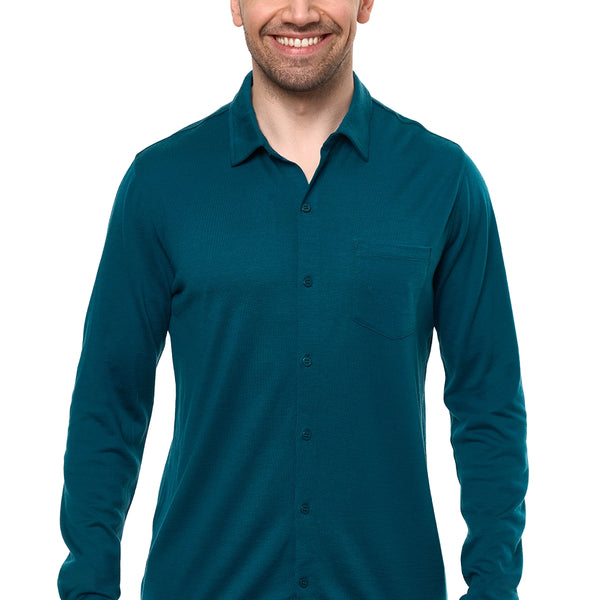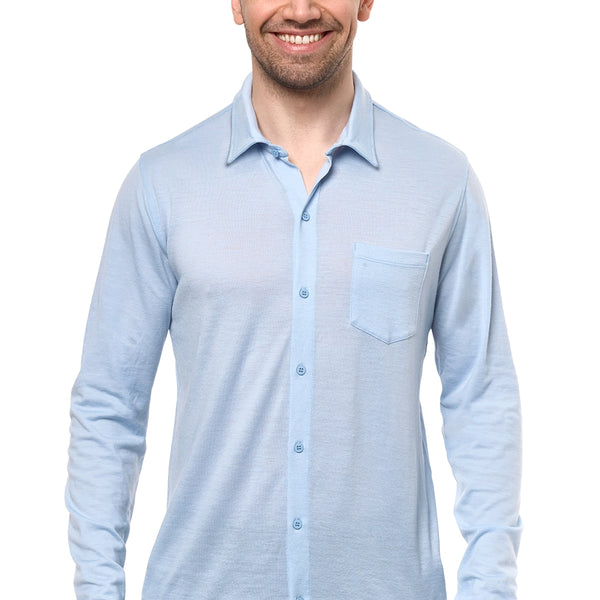
Mint Districts Fashion

Independent Merino Wool Clothing Brands DTC That Outperform Synthetics

There's a reason the same merino wool shirt gets packed for backcountry bivouacs and business trips. Independent DTC merino brands have figured out something the fast-fashion industry hasn't: natural fibers outperform synthetics when the technology behind them is taken seriously. The brands in this district are not buying cheap blended wool and slapping a story on it. Duckworth traces every garment back to a single Montana ranch. Mons Royale builds high-performance mountain-sport base layers in New Zealand. This is the corner of fashion where 'natural performance' is not a tagline — it's the actual engineering brief.

Unbound Merino

Fashion

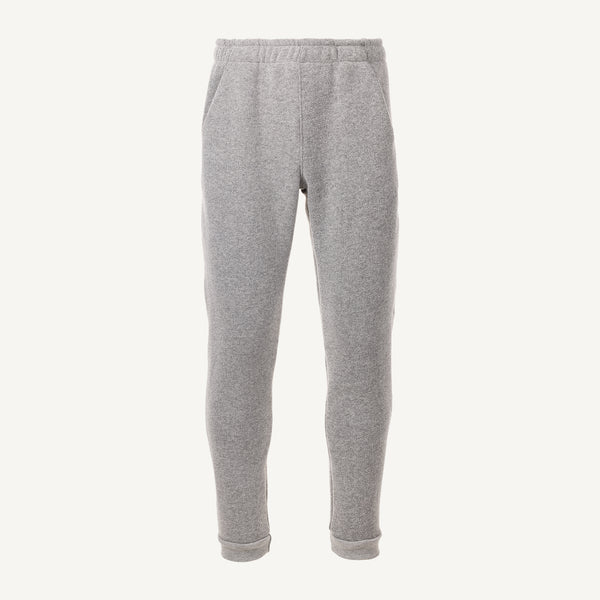
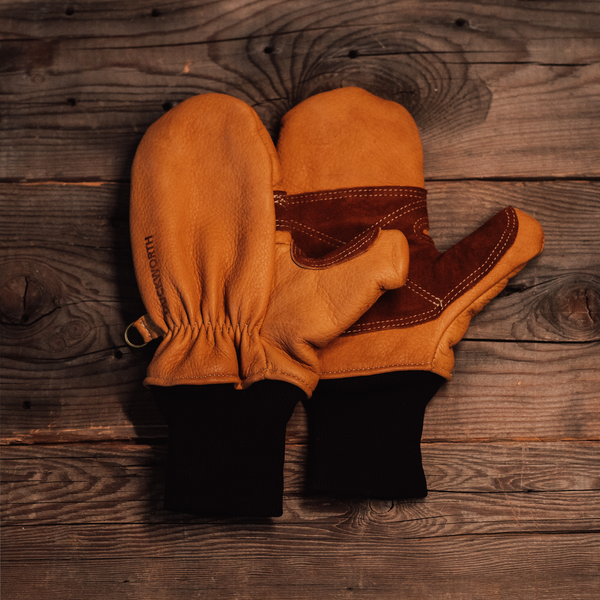
Merino wool travel clothing designed to pack light and go days without washing.

Two Toronto friends — Colin Browne and Andrew Carty — launched Unbound Merino in 2016 after a trip where they wished they'd brought clothing that could go longer between washes. The brand's entire philosophy is built around the one-bag traveler: clean, versatile pieces that don't announce themselves as performance wear but outperform almost everything else in your bag. Their long-sleeve tees and crew sweaters have become standard kit for location-independent workers and heavy travelers worldwide.
Enter Store

Duckworth

Fashion

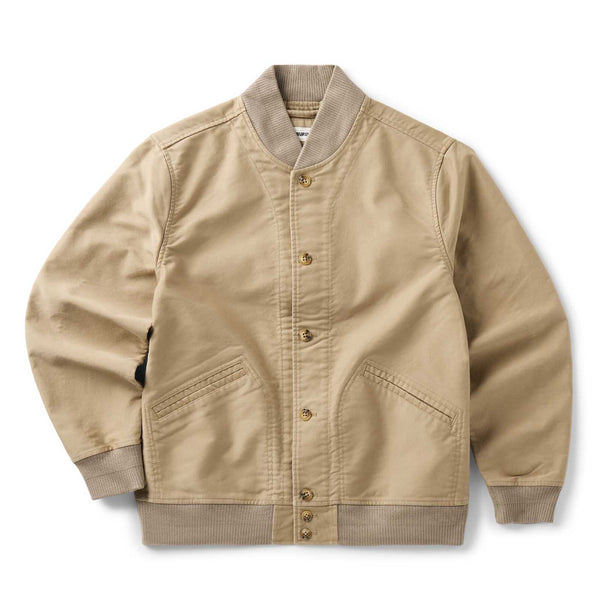
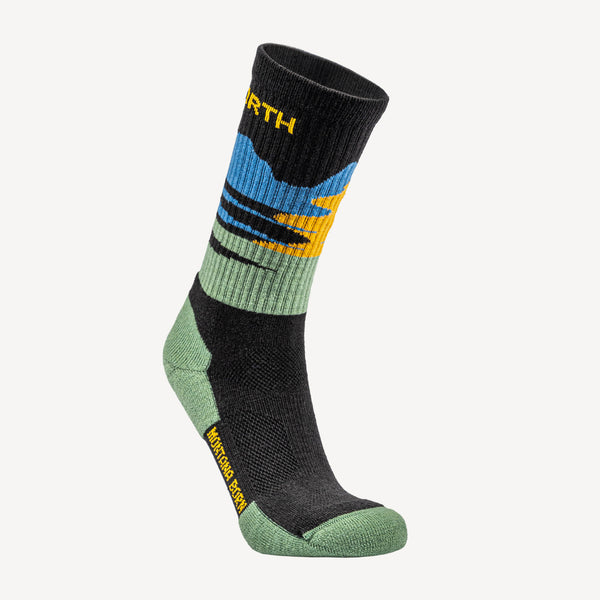
Montana merino, farm to finished garment, entirely in the USA.

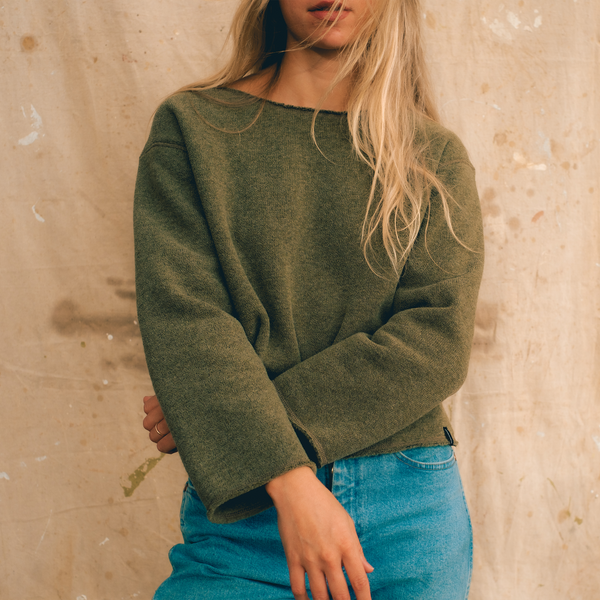
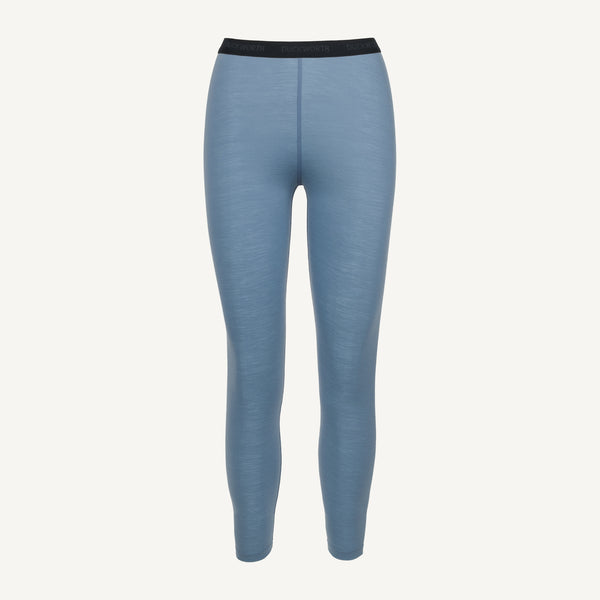
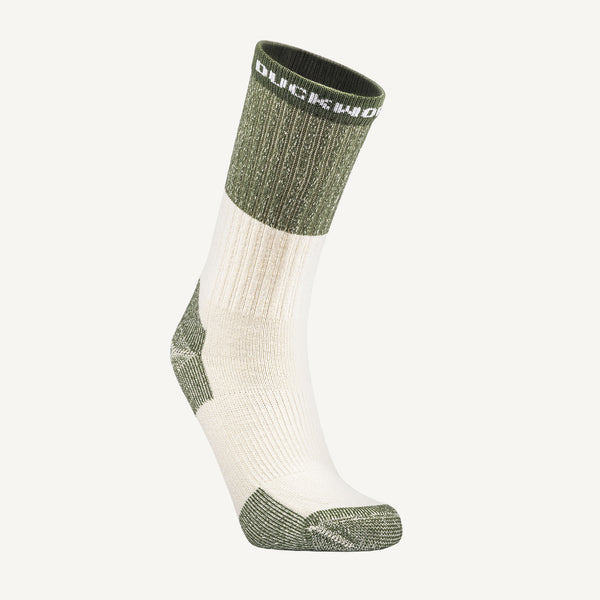
Founded in 2013, Duckworth was built on a premise almost no apparel brand attempts: a fully vertically integrated US merino supply chain, from a single ranch in Montana to the finished garment. Founders John and Jillian Meehan trace every piece back to the Helle Ranch — one of the last large-scale merino operations in the American West. The result is some of the most traceable, durable outdoor clothing made anywhere in the world.

Enter Store

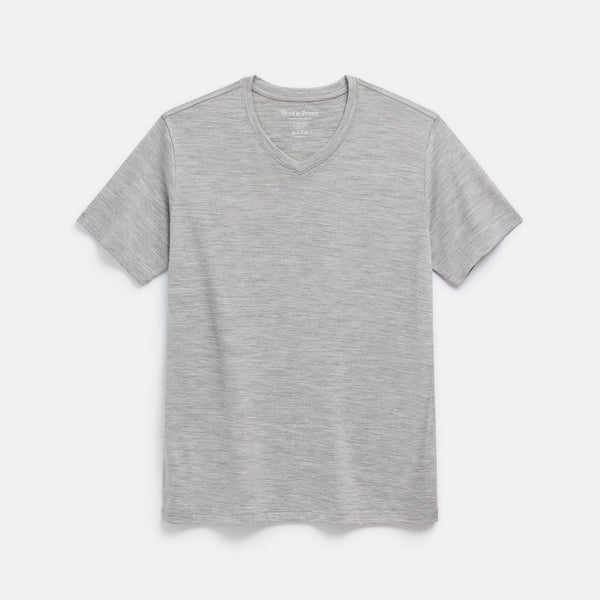
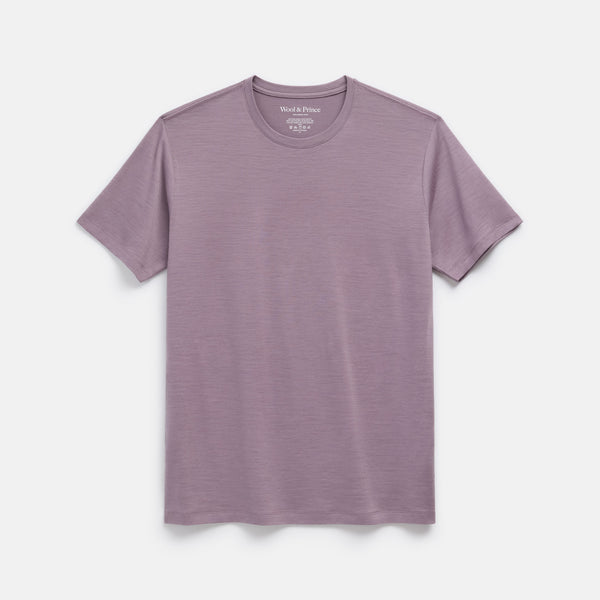
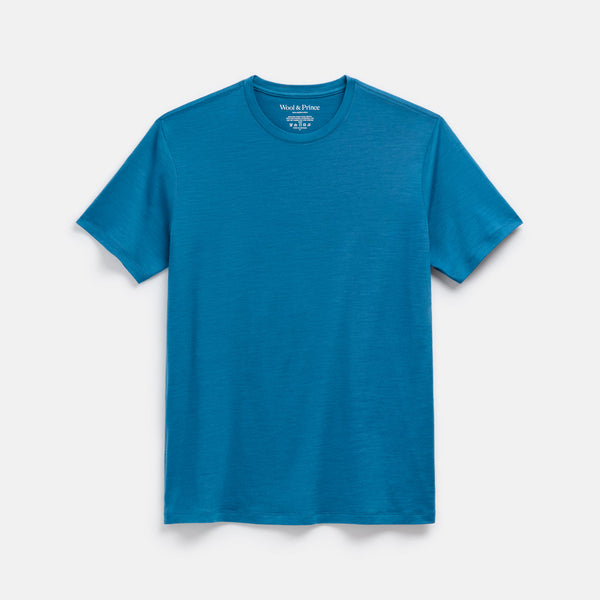
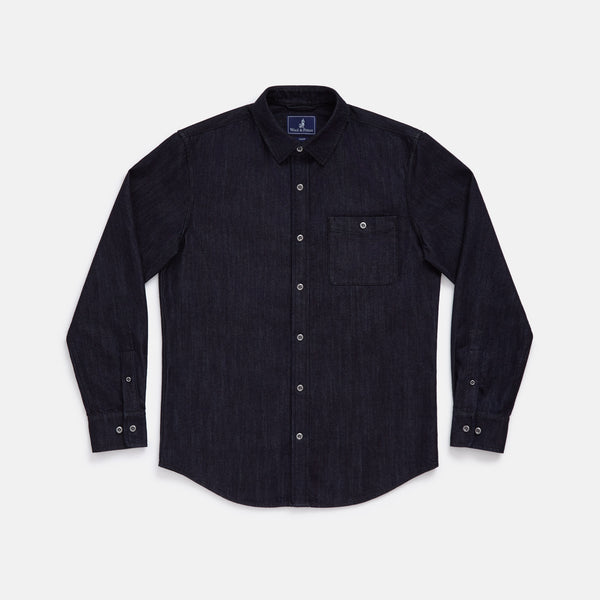
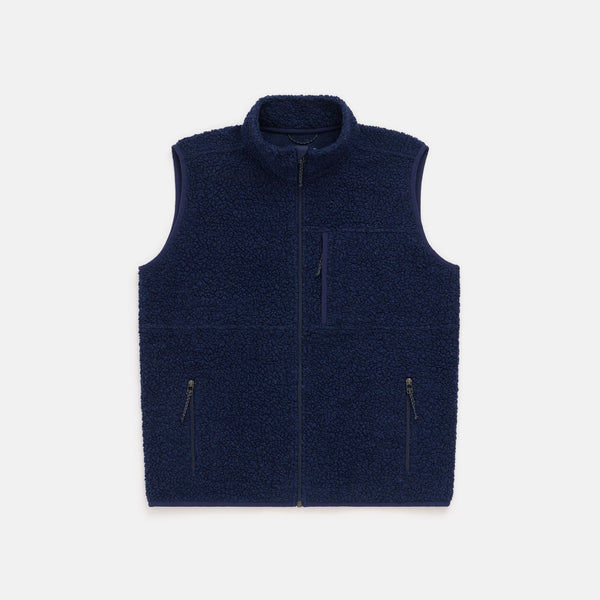
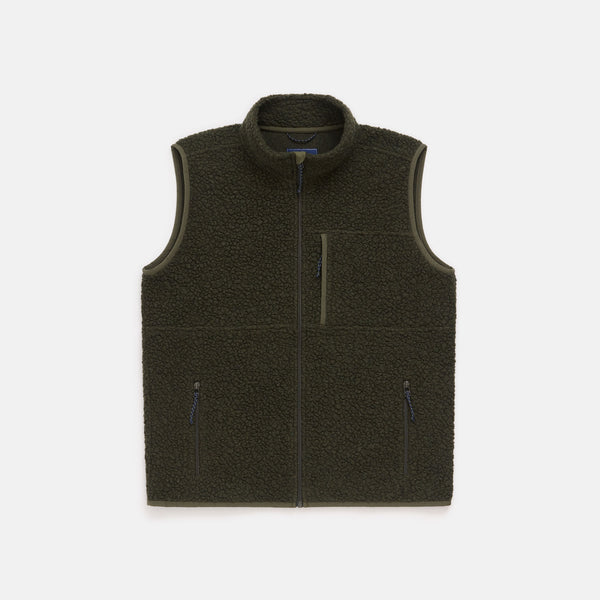
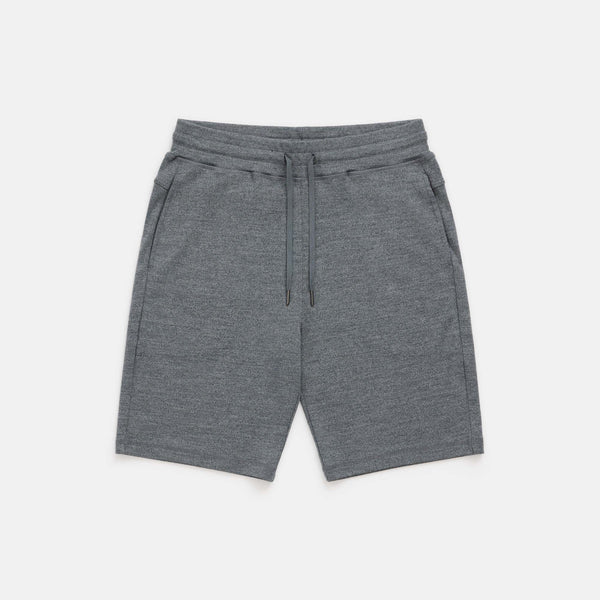
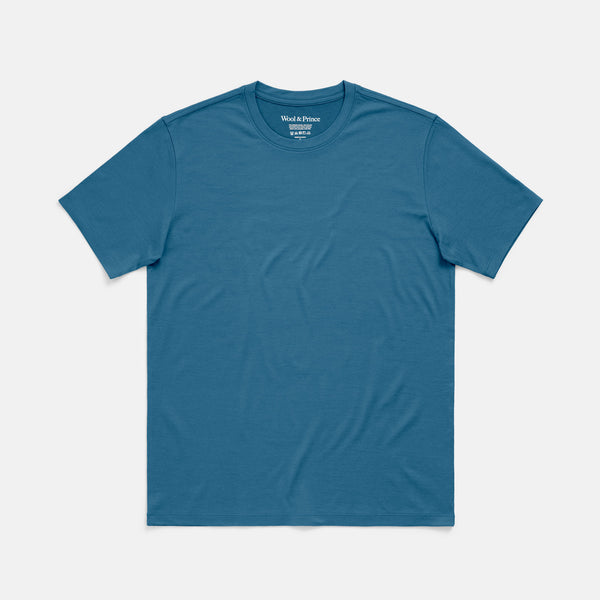
Wool & Prince

Fashion

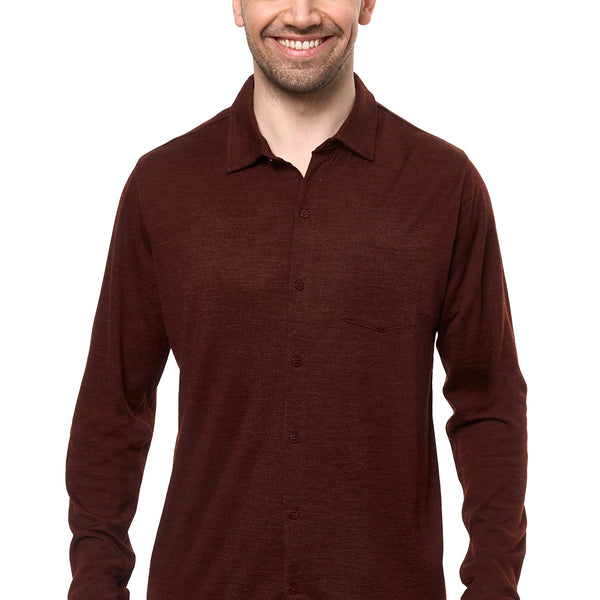
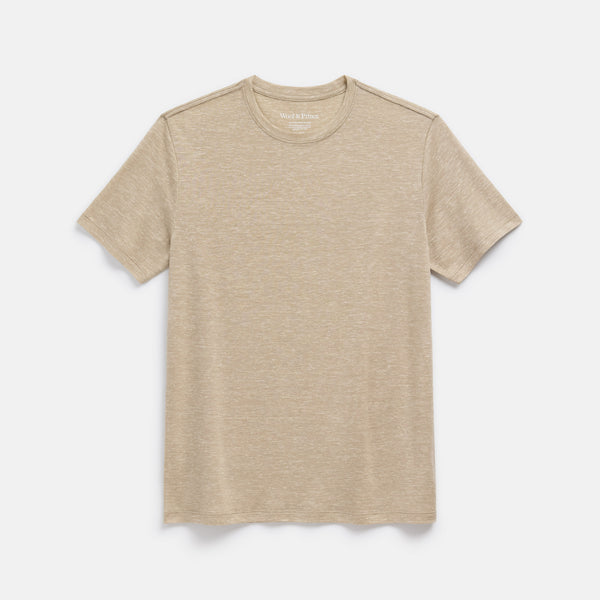
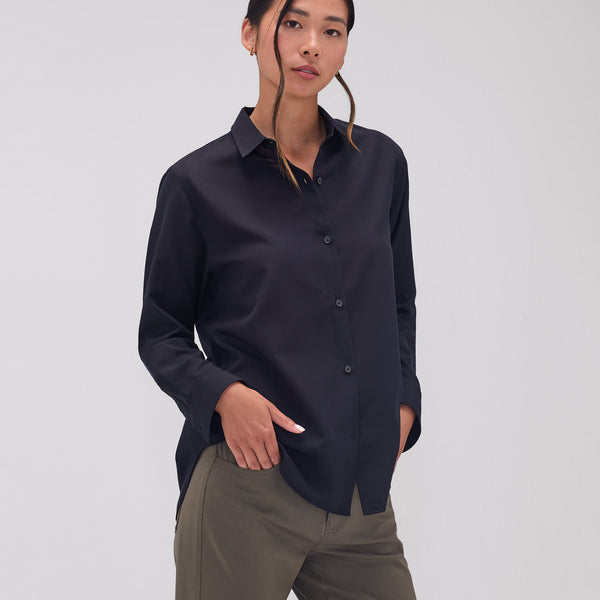
Everyday merino shirts and pants built to wear daily without thinking twice.
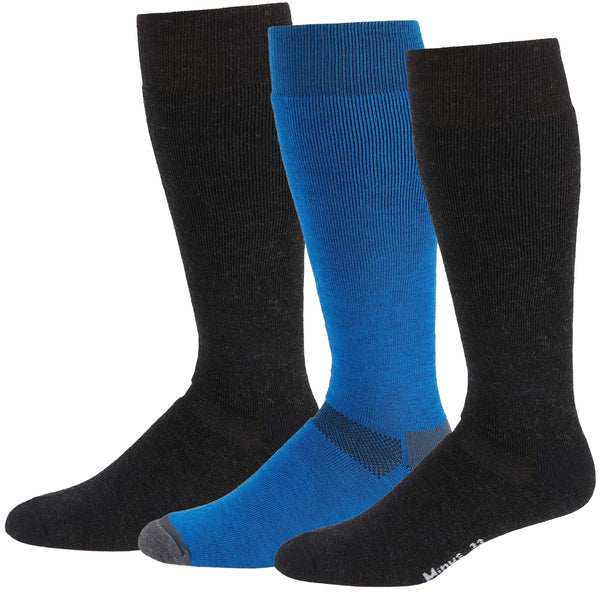
Portland-based Wool and Prince started with a single crowdfunding experiment in 2013: a merino dress shirt worn for 100 consecutive days without washing. It worked, the campaign exploded, and the brand has been building out a complete everyday merino wardrobe ever since — shirts, pants, polos, and outerwear built on the premise that natural fibers should make daily dressing simpler, not more precious.
Enter Store

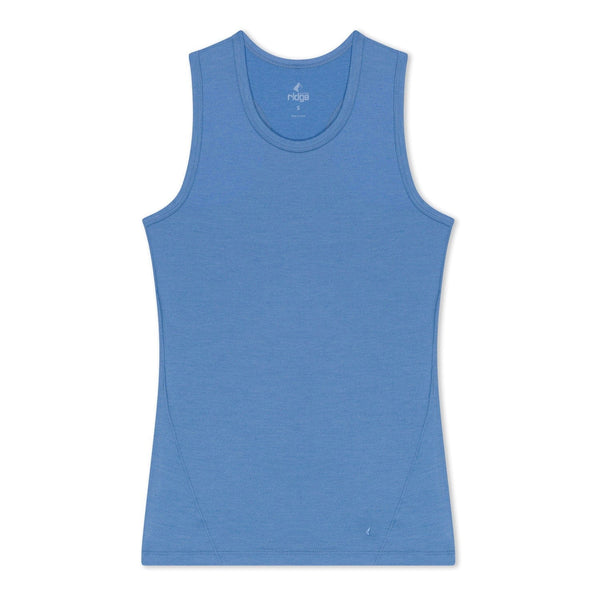
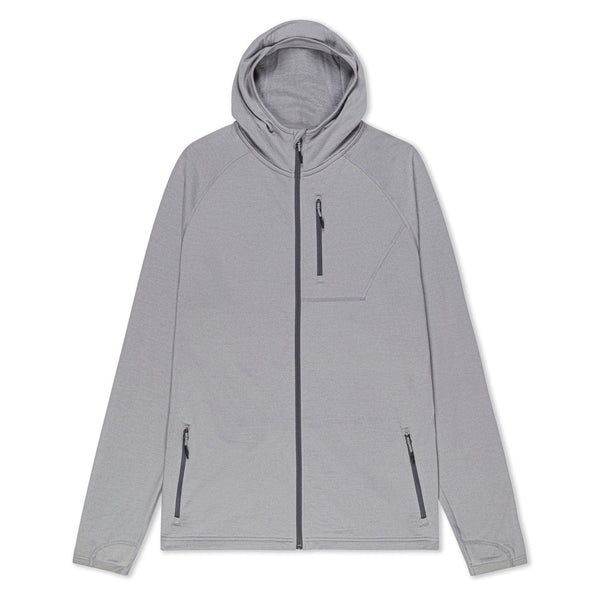
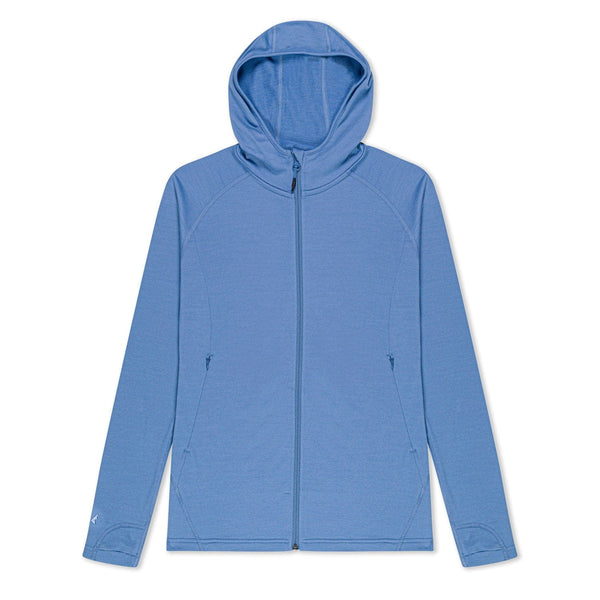
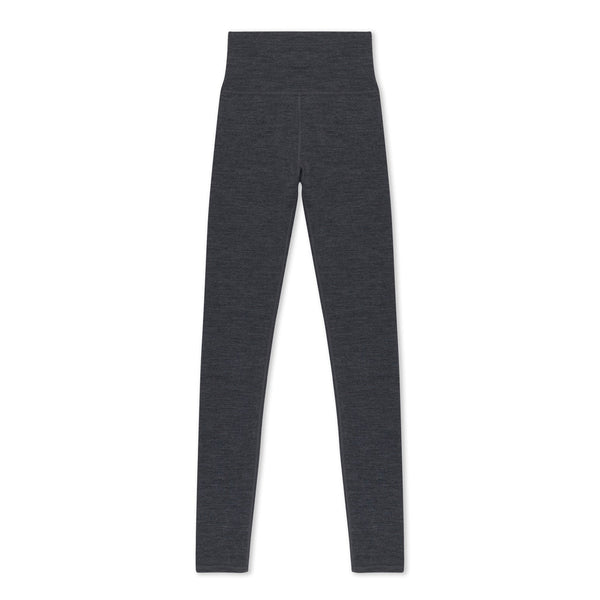
Ridge Merino

Fashion

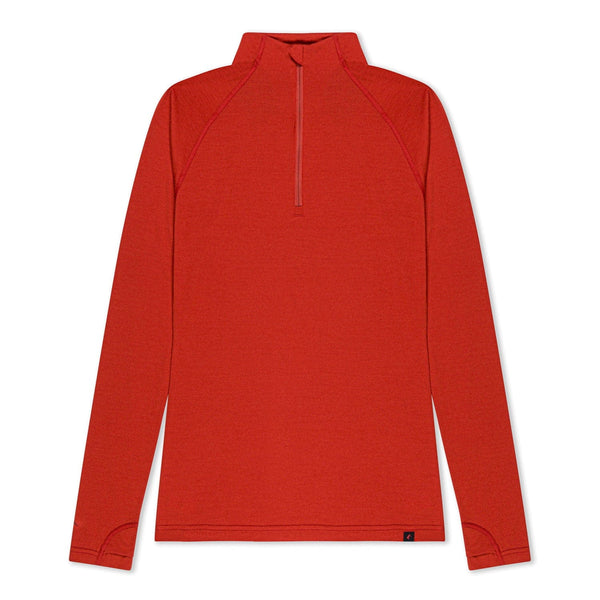
ZQ-certified merino base layers built for outdoor life in every season.

Founded in Salt Lake City, Ridge Merino built its reputation on ZQ-certified wool — an independent standard that covers animal welfare, environmental impact, and fiber quality from paddock to product. The brand targets hikers, backpackers, and trail runners who need layering systems that handle big temperature swings without the moisture issues of synthetics. Their base layers have earned a devoted following among thru-hikers and expedition athletes.

Enter Store

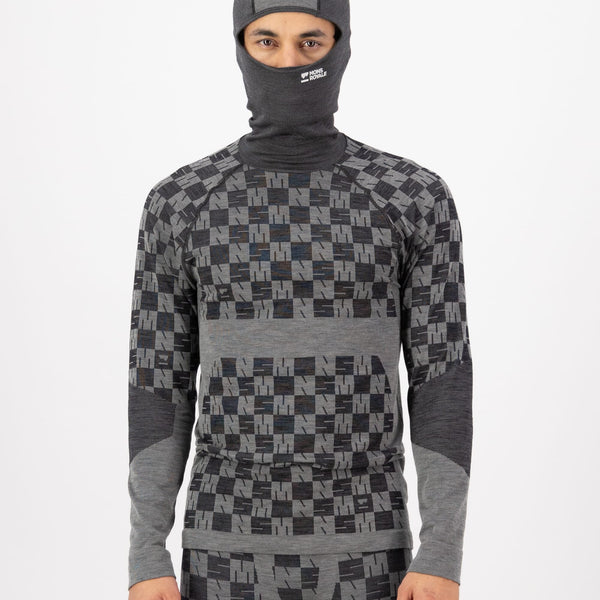
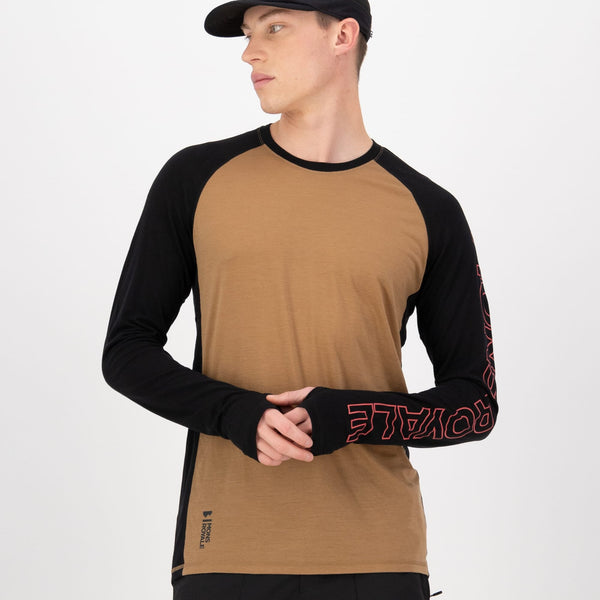
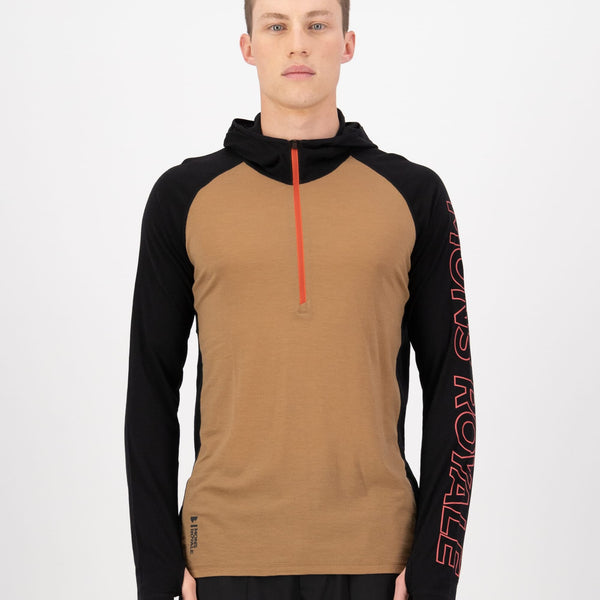
Mons Royale

Fashion

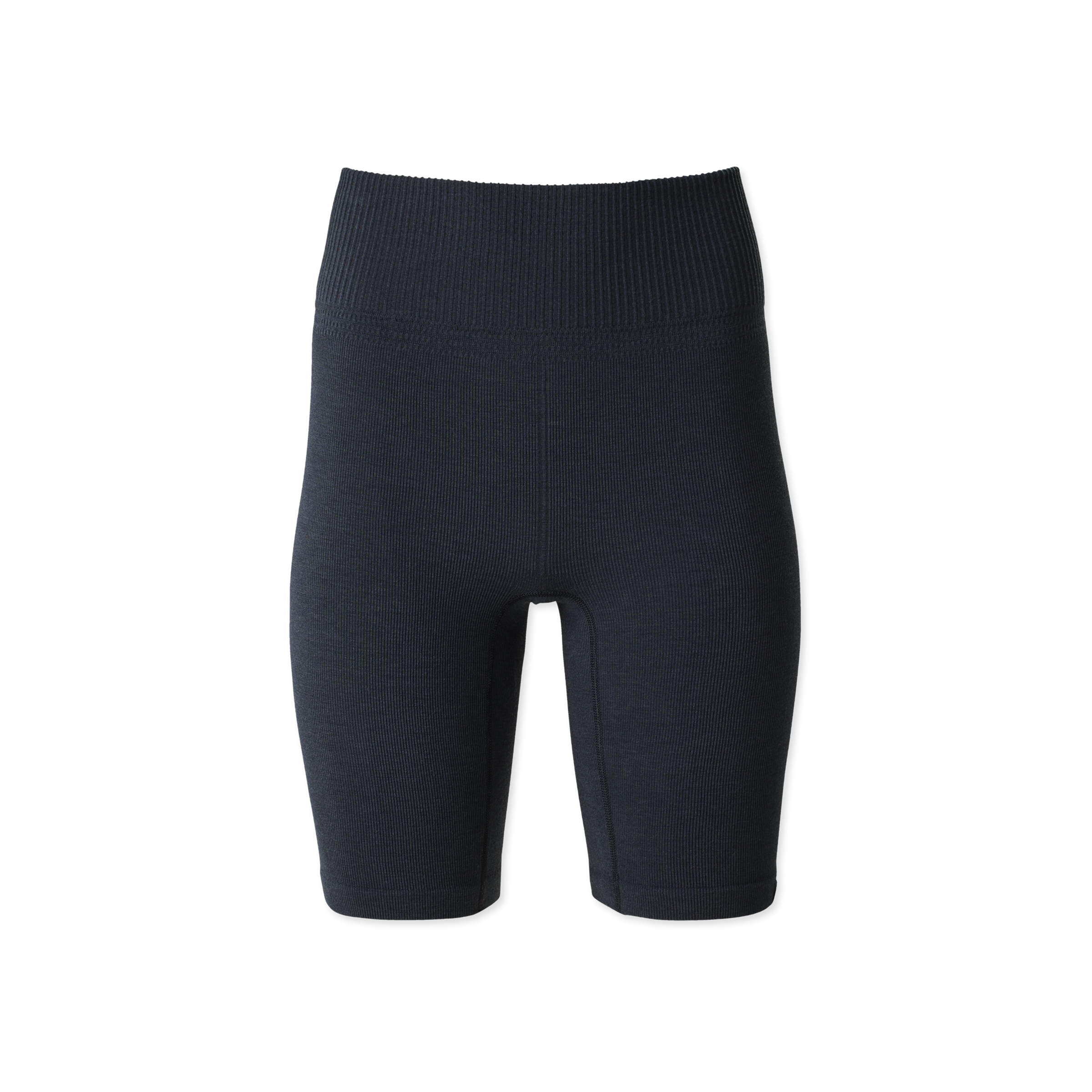
New Zealand merino base layers built for mountain sports at every level.

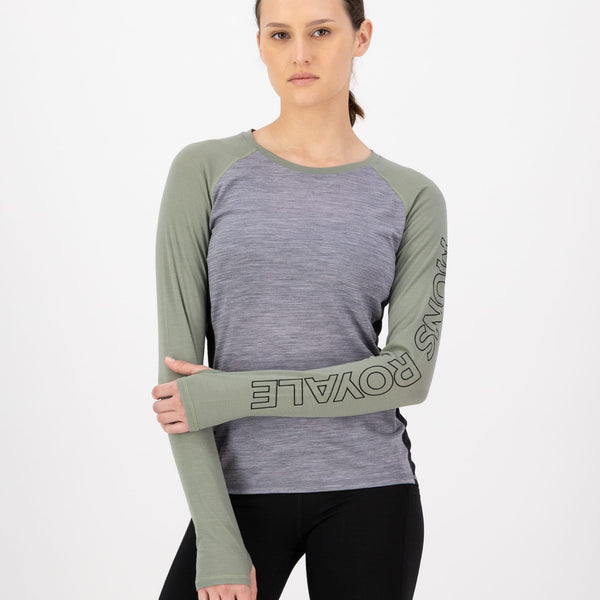
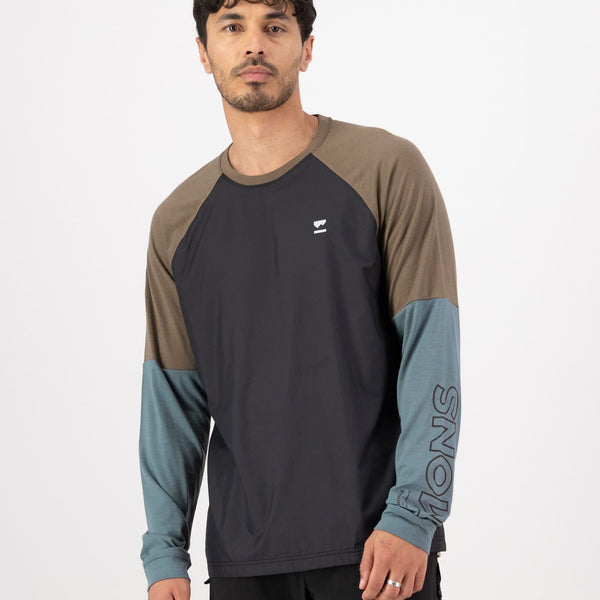
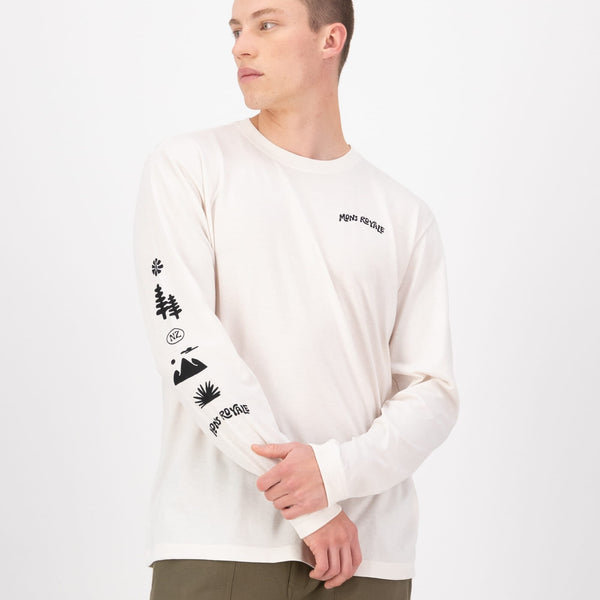
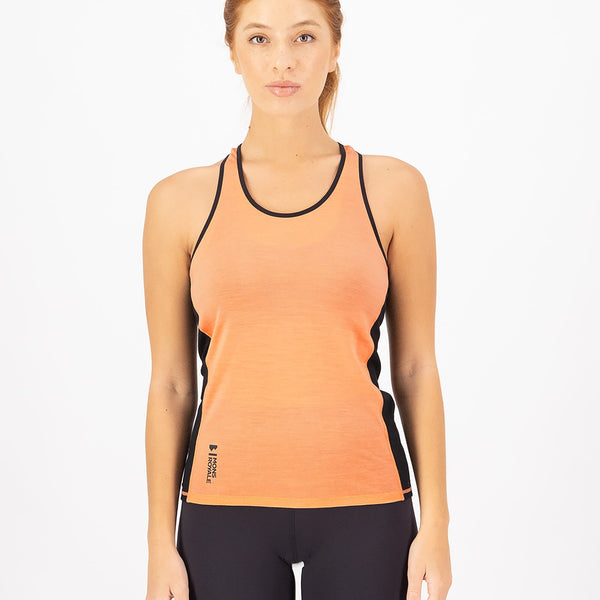
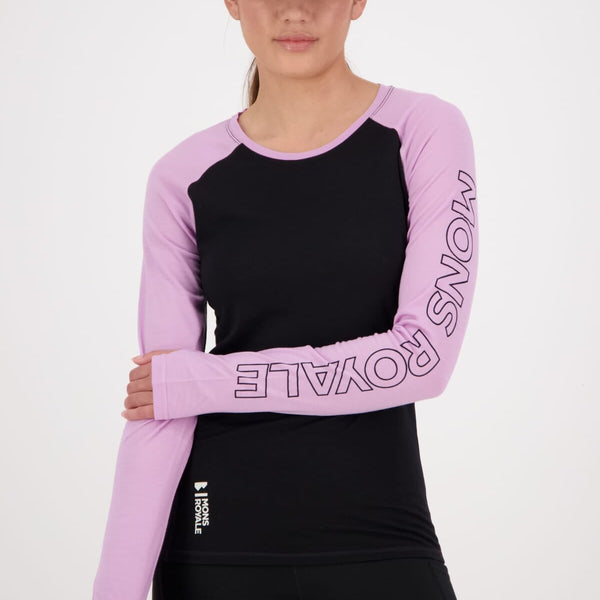
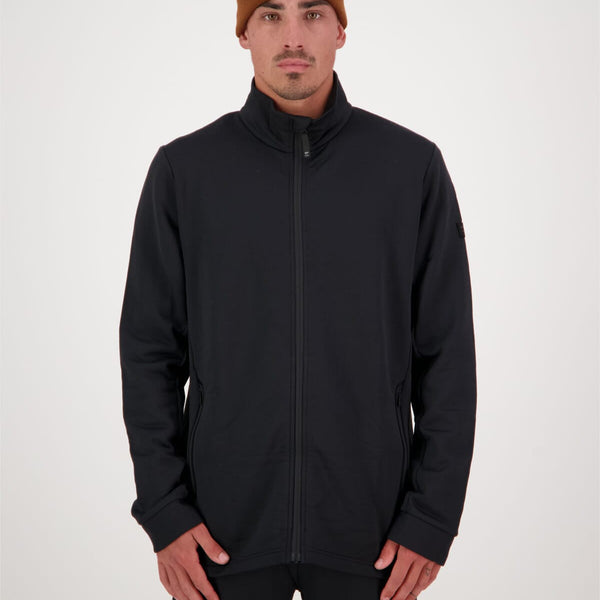
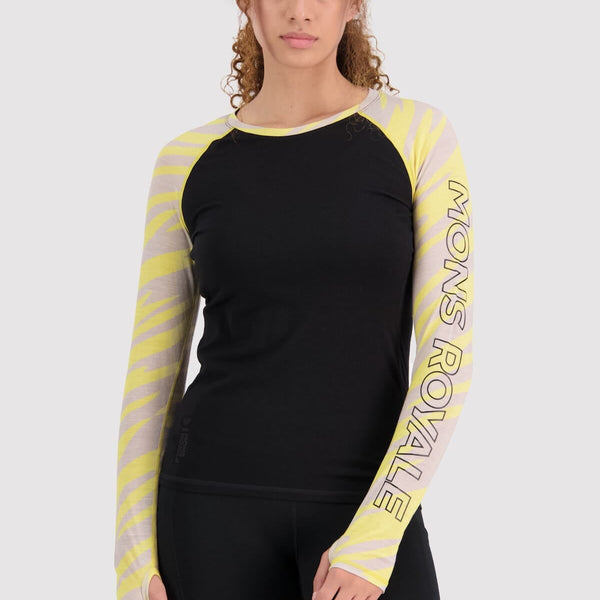
Hamish Acland founded Mons Royale in Wanaka, New Zealand in 2009, growing out of the ski and mountain bike communities that define the Southern Alps. The brand became the go-to base layer for professional skiers and enduro racers who needed natural-fiber performance without compromising on fit or next-to-skin comfort. Mons Royale is now one of the most technically respected merino brands globally, worn by athletes competing at the highest levels of mountain sport.

Enter Store

Minus33

Fashion

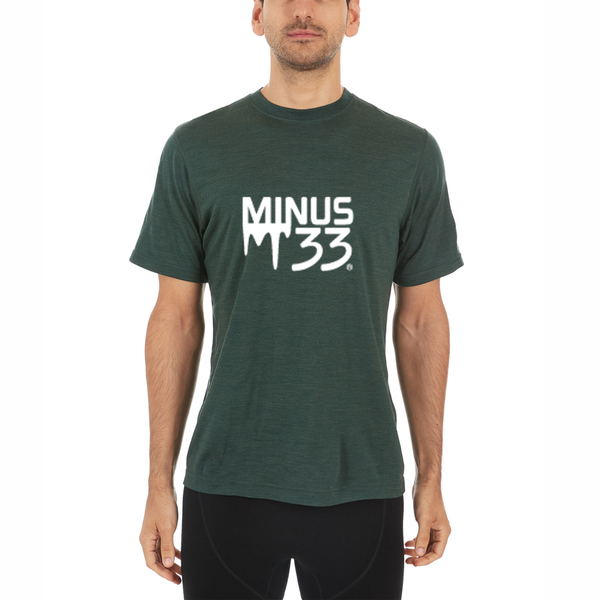
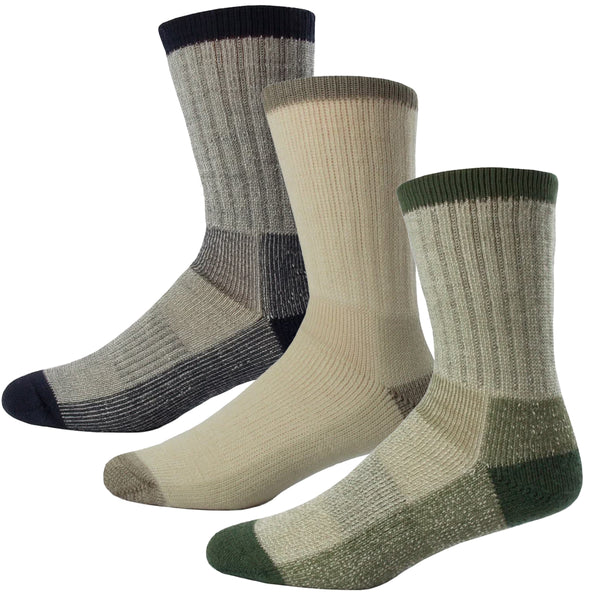
New Hampshire merino clothing from a mill with over a century of history.

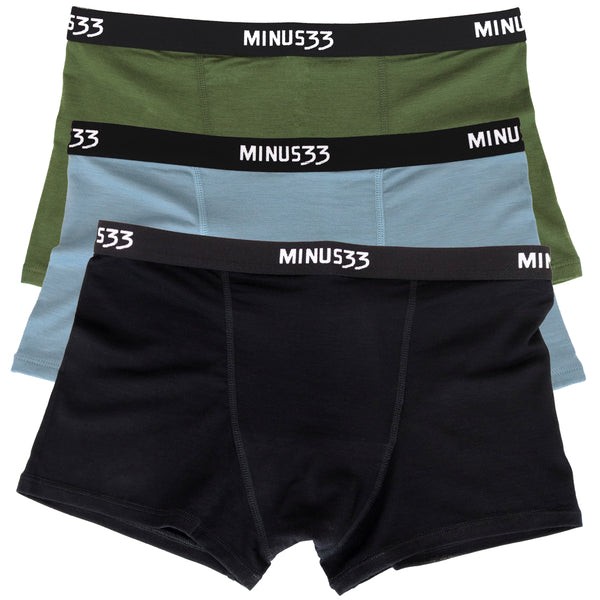
Minus33 is the DTC extension of L.W. Packard and Company, a New Hampshire textile manufacturer founded in 1916. That 100-year manufacturing background is visible in the product: base layers built with genuine expertise in fiber processing, not just branded wool sourced from a contract factory abroad. Family-owned and factory-direct, Minus33 offers some of the best value-per-construction-quality in the merino wool clothing space.

Enter Store

Coalatree

Fashion

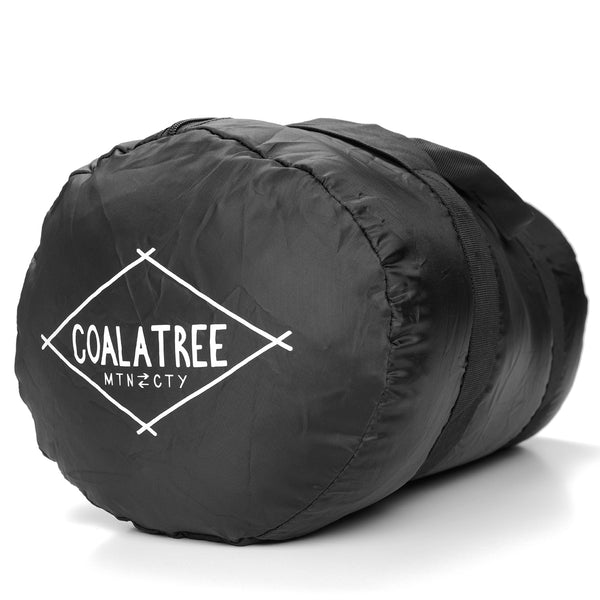
Sustainable outdoor clothing brand with a strong merino base layer lineup.

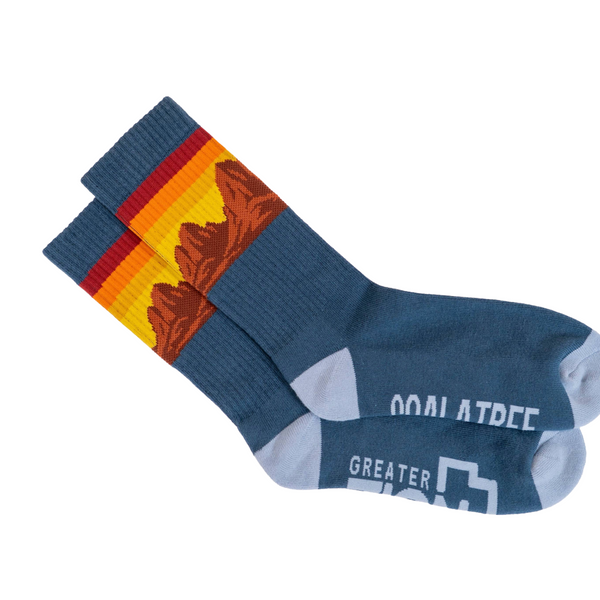
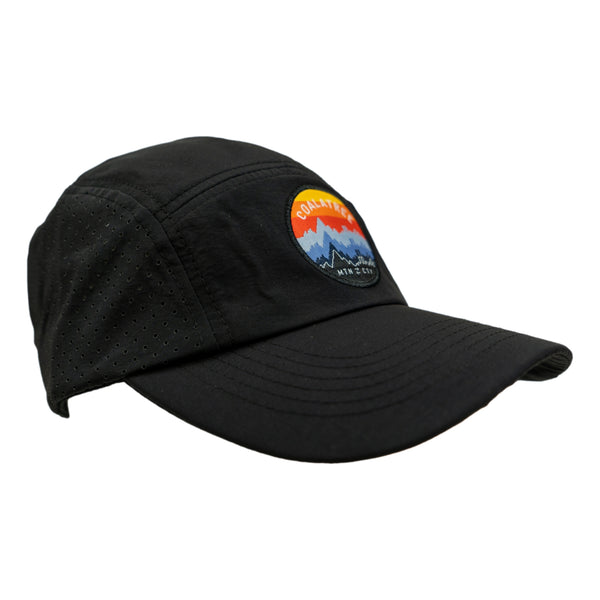
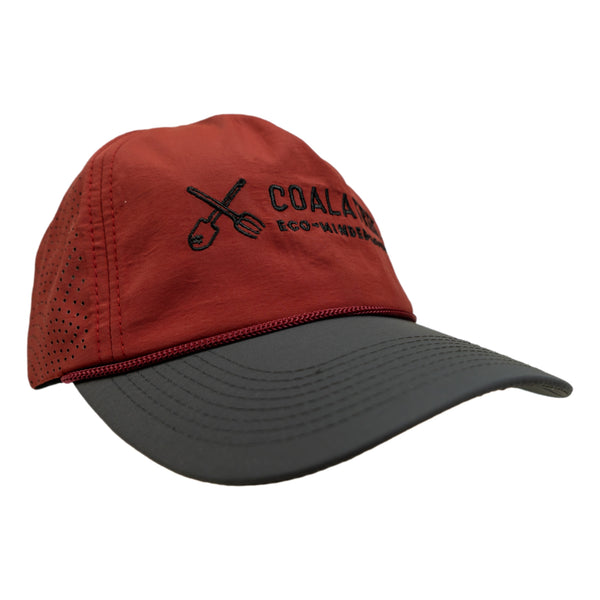
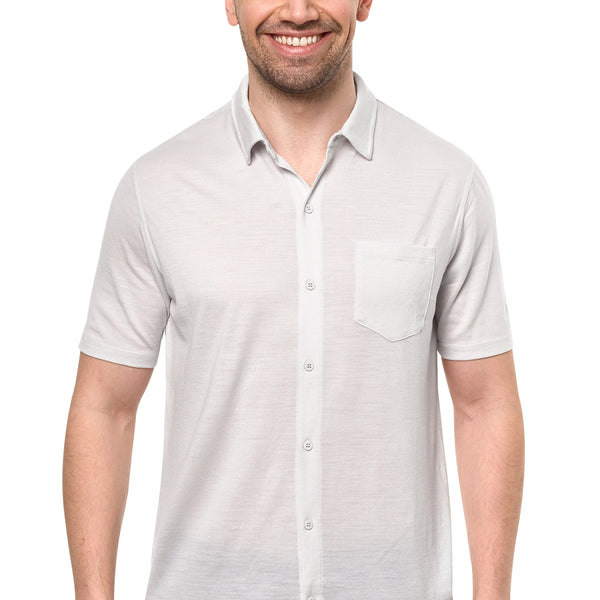
Coalatree launched from Salt Lake City in 2010 with a commitment to B Corp principles and sustainable materials across its full product range. The brand sits at the intersection of merino wool and recycled synthetics — the underlying premise being that technical outdoor gear should not force a tradeoff between performance and environmental responsibility. Their merino pieces have built a loyal following among thru-hikers and the van-life outdoor community.

Enter Store

Merino.tech

Fashion

Organic New Zealand merino wool clothing engineered for extended performance.

Merino.tech is a deliberately focused brand with one obsession: sourcing high-quality organic merino from New Zealand and building it into technical apparel designed for both everyday and outdoor use. There are no seasonal trend collections and no product sprawl — just a well-edited range of shirts, base layers, and accessories engineered for the person who buys once, washes carefully, and keeps wearing indefinitely.

Enter Store

About This District

When shopping independent merino wool clothing brands, five things are worth examining before you buy. Micron count determines softness next to skin. Anything under 18.5 micron (superfine grade) is genuinely non-itchy even for sensitive skin. The best DTC brands publish their micron count openly — if they don't, that is a signal worth taking seriously. Source transparency separates the serious brands from the story-sellers. Duckworth traces every garment to a single Montana ranch. Unbound Merino uses a certified New Zealand source. Ridge Merino specifies ZQ Certification — an independent standard covering animal welfare, land management, and fiber integrity. The more specific a brand is about origin, the better the product tends to be. Blend versus pure matters depending on use. For travel or all-day everyday wear, 90–100% merino content is usually preferable — softer, better odor resistance, and better temperature regulation. For high-output activity like trail running or skiing, a merino-synthetic blend adds durability and reduces abrasion wear without sacrificing much performance. Weight class determines seasonal range. Ultralight (150g/m²) works for running, travel layering, and warm-weather base layers. Midweight (200g/m²) is the all-season workhorse for most outdoor activities. Heavyweight (250g/m²+) is cold-weather insulation. Most good DTC brands carry all three. Wash durability is the final test. Quality merino can machine wash cold on a gentle cycle, but cheaper constructions pill within months. Brands that are confident in their construction usually back it with a guarantee — that confidence is data.