Mint Districts Fashion

Independent American Made Workwear Brands Built to Last

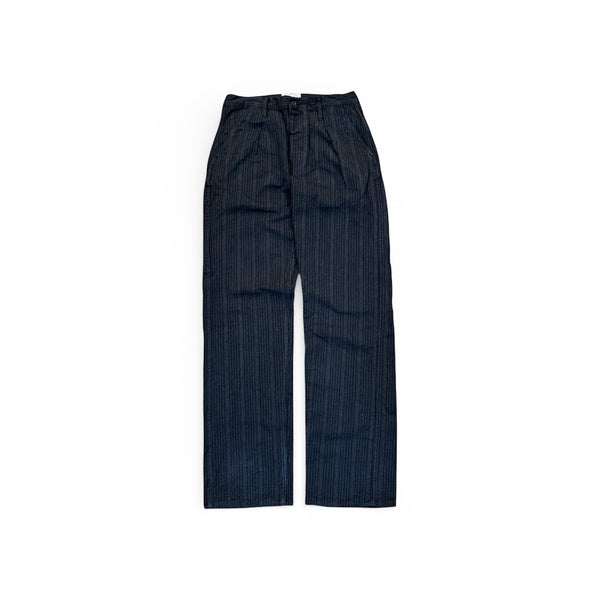
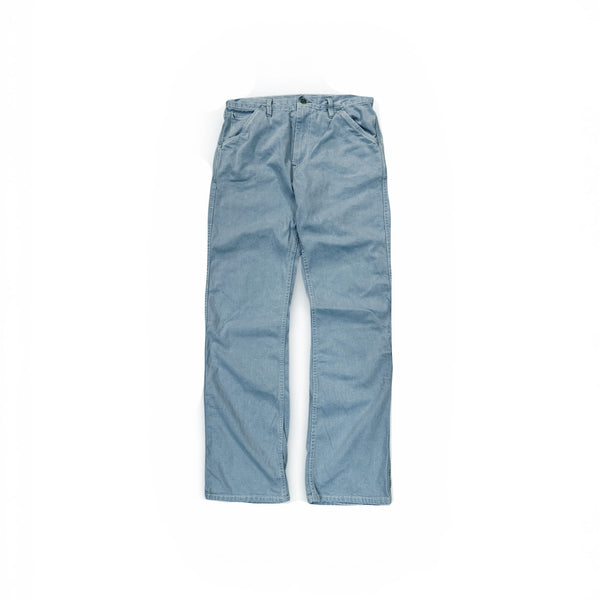
Most workwear revivals are aesthetic exercises — the clothes look like something your grandfather wore but are made in the same overseas factories as everything else. The brands here are different. Taylor Stitch presses for pre-orders before production to reduce waste. Imogene + Willie still makes their denim in Nashville. Dehen 1920 has been manufacturing in Portland for over a century. American Giant brought domestic textile manufacturing back and got a whole Atlantic cover story out of it. These aren't heritage brands in the fashion-nostalgic sense — they're independent labels that made a genuine decision about where and how to make things, and the clothes reflect that decision.

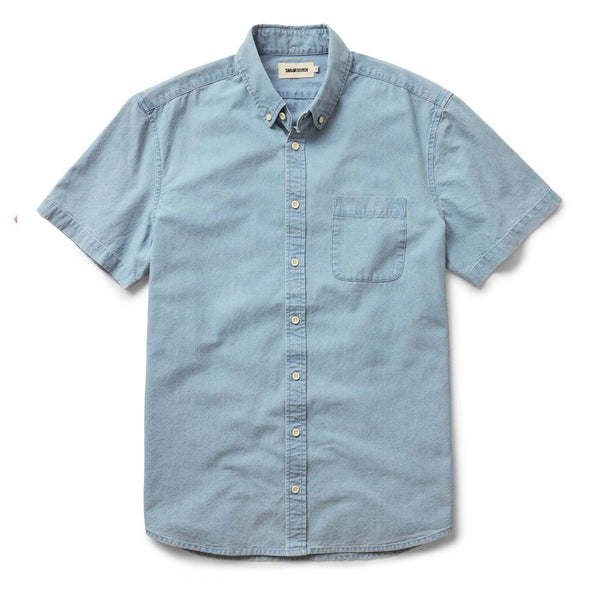
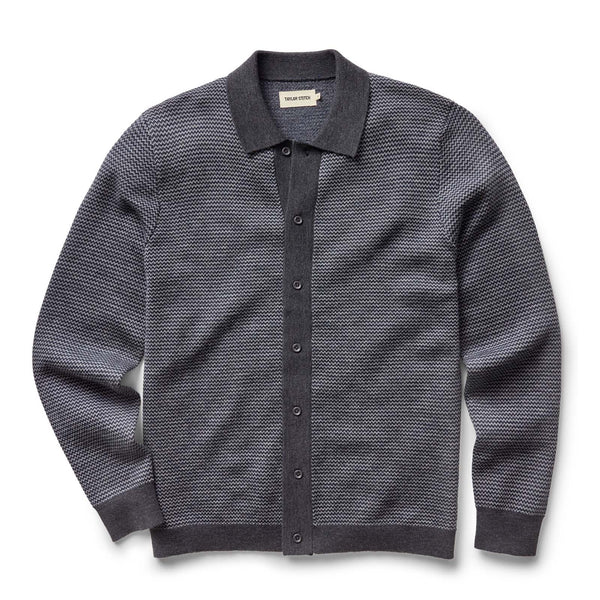
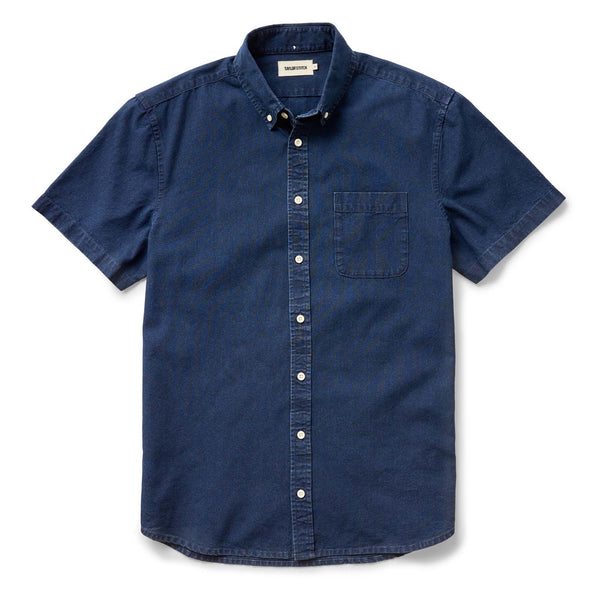
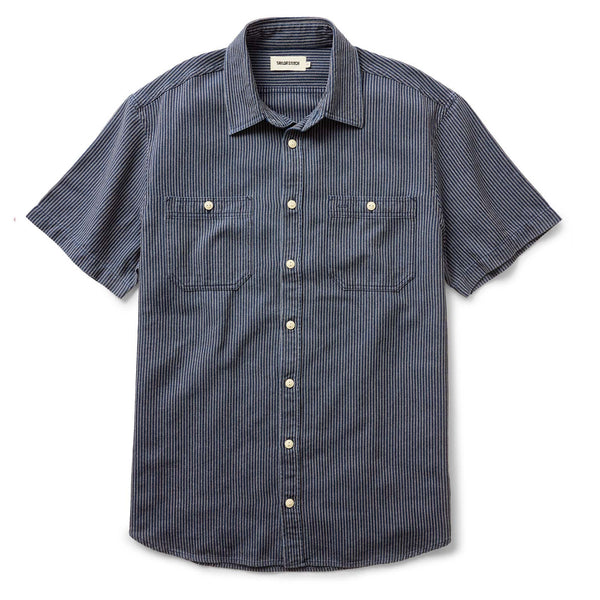
Taylor Stitch

Fashion

San Francisco menswear built to last, funded by pre-orders.

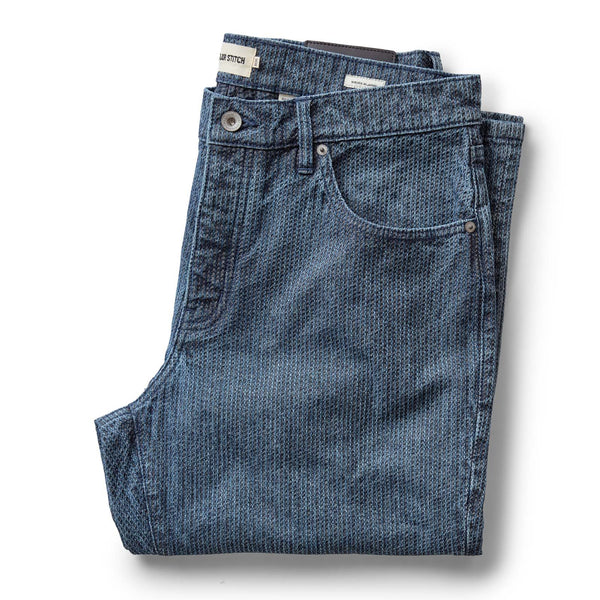
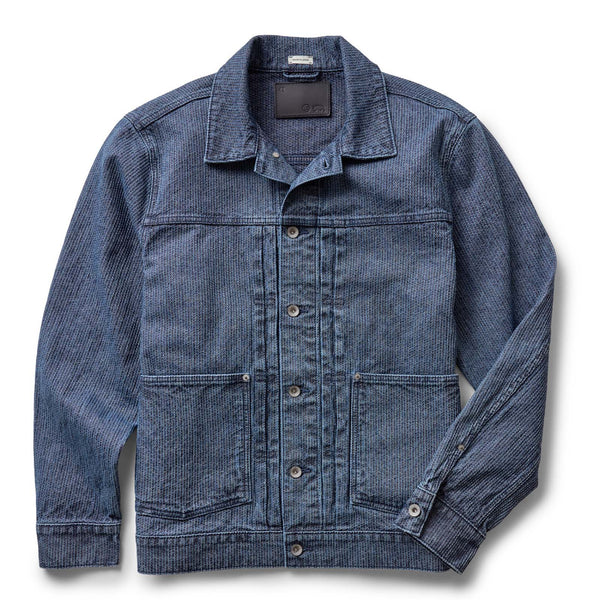
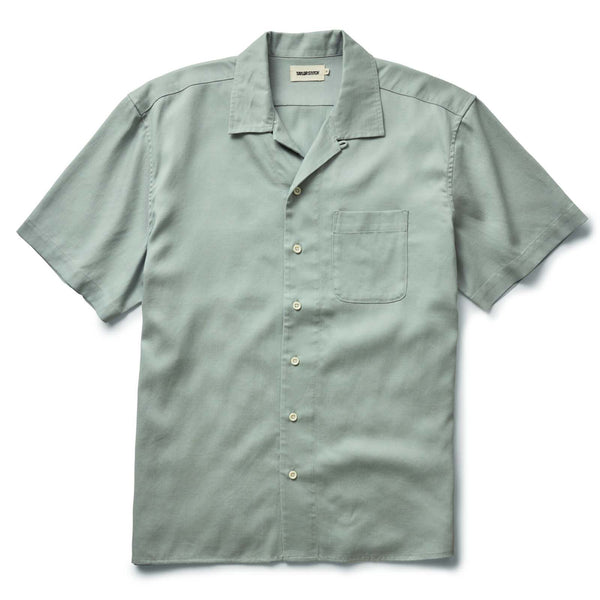
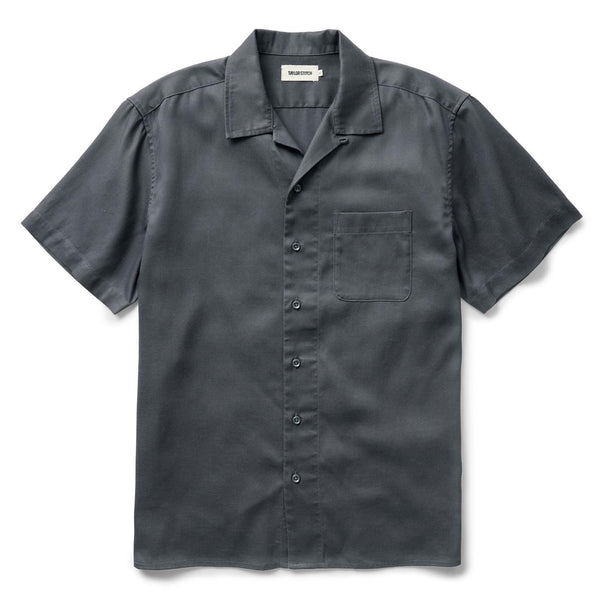
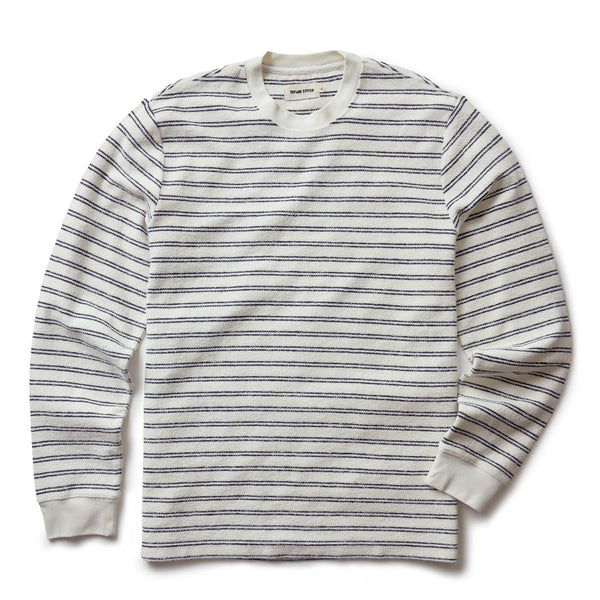
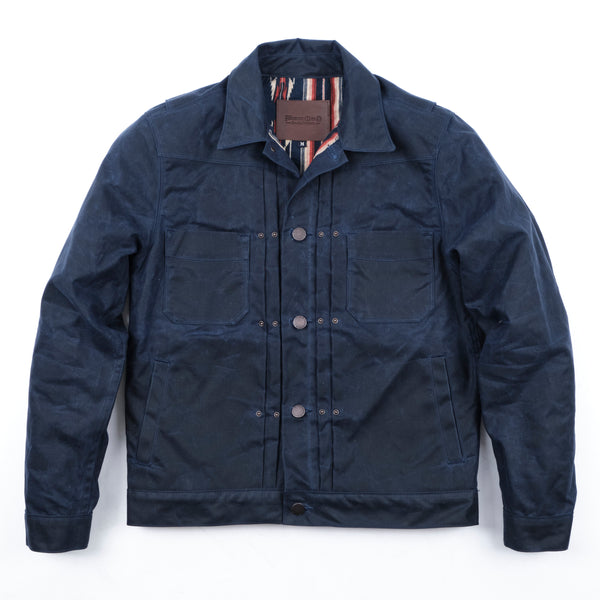
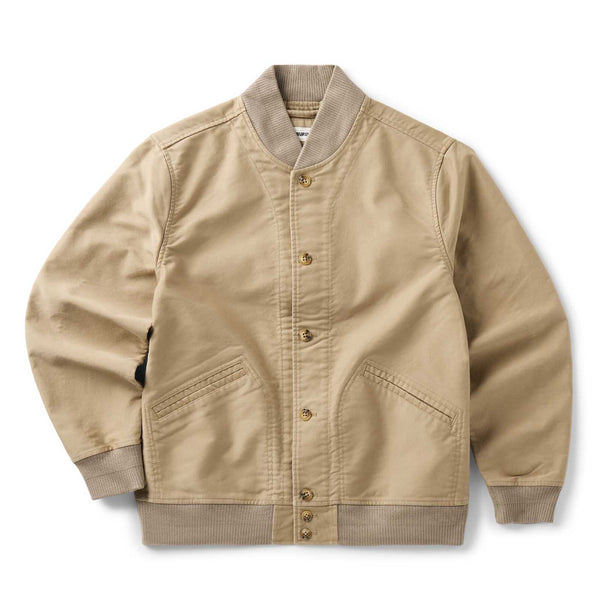
Taylor Stitch was founded in San Francisco in 2008 by Mike Maher and Barrett Purdum. The Workshop Model — where customers pre-order products at a discount before production runs — was an early innovation in sustainable manufacturing that the brand has stuck with. The fabrics are serious: Japanese selvedge, Italian wools, waxed canvas from British mills. The cuts are workwear-derived but clean enough for everyday wear.
Enter Store

Imogene + Willie

Fashion

Nashville-made denim with a genuine American South story.

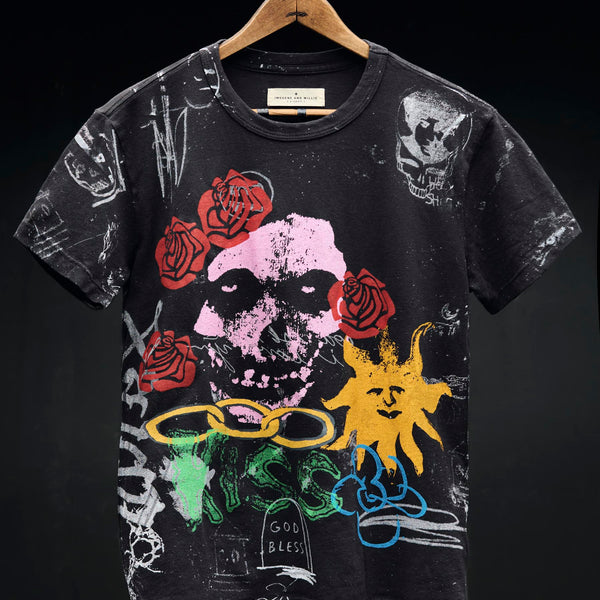
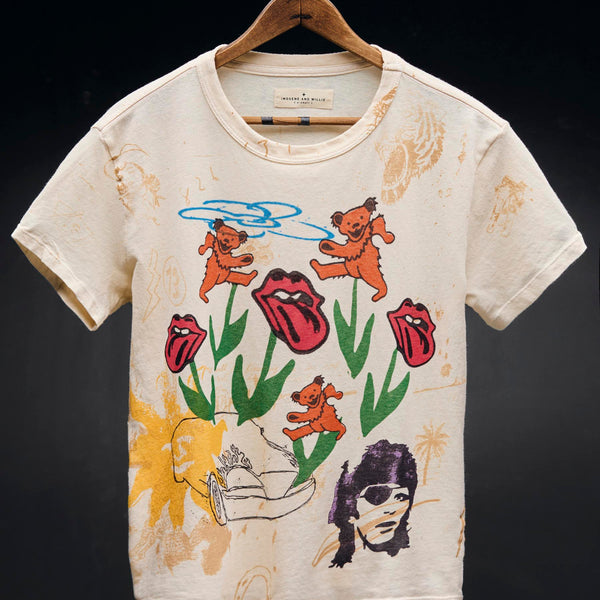
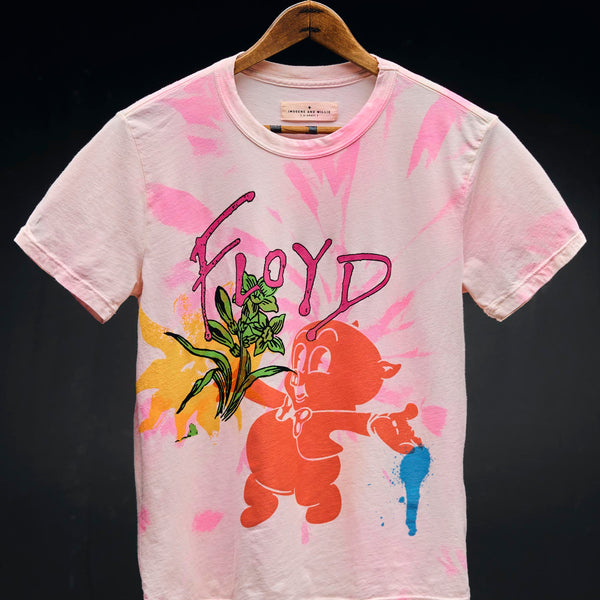
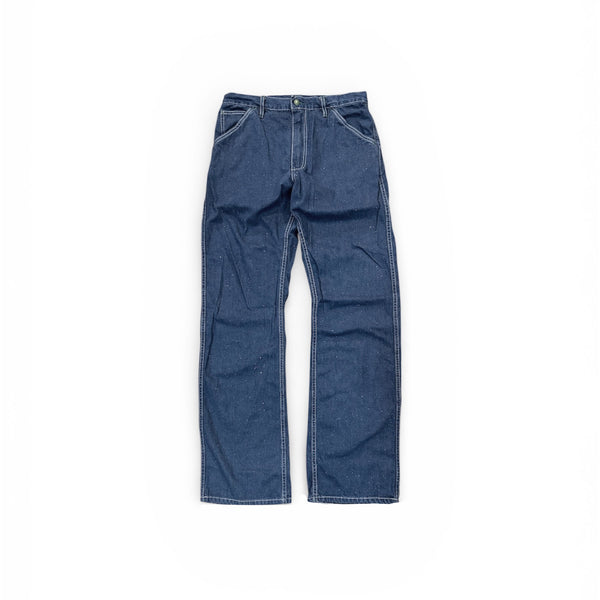
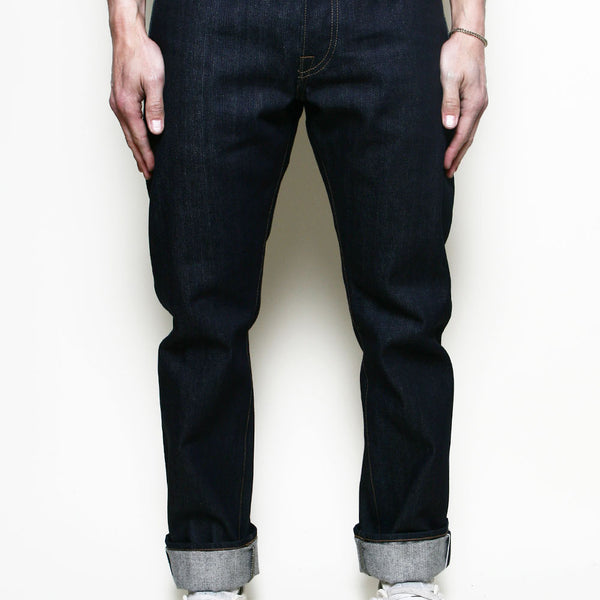
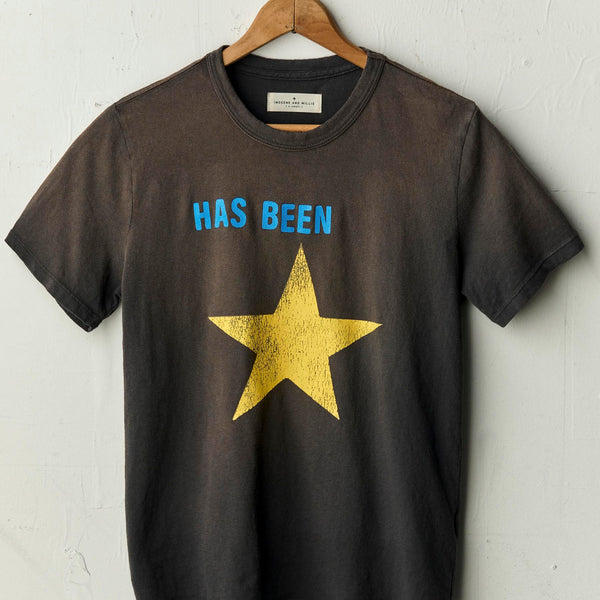
Imogene + Willie was founded by Matt and Carrie Eddmenson in 2009 out of a 1950s gas station in Nashville that became their flagship store. They still make their denim domestically, which puts them in a very small group. The jeans are made-to-measure and broken in by hand before shipping — a process that takes real time but produces a fit and a fade that factory-made denim cannot replicate. The brand has a community feeling that national brands don't.

Enter Store

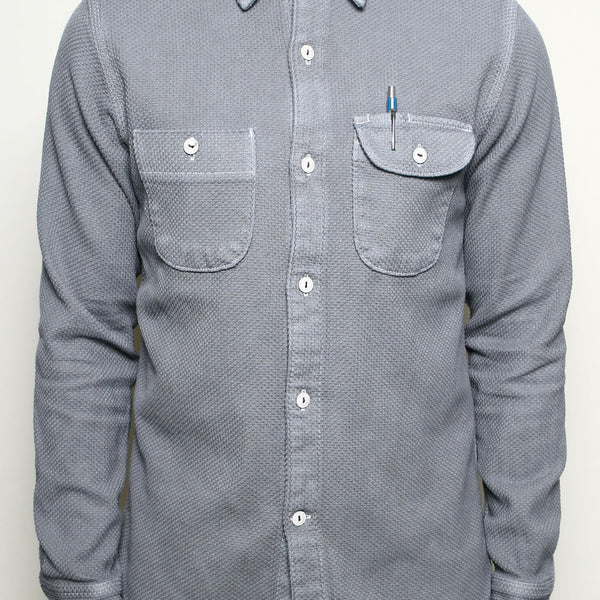
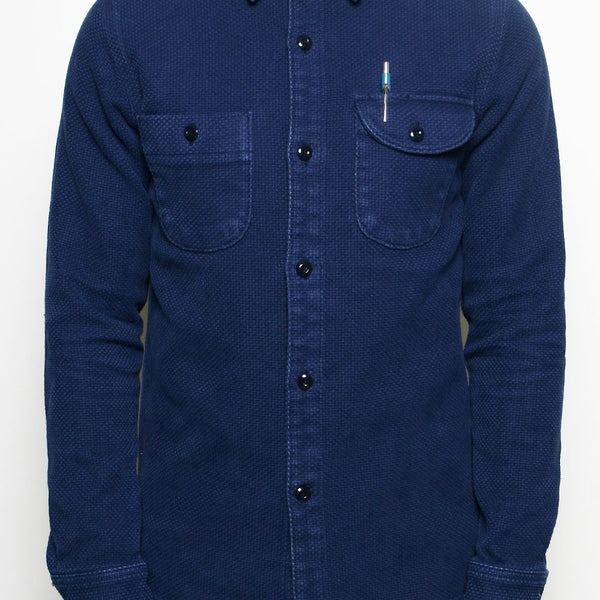
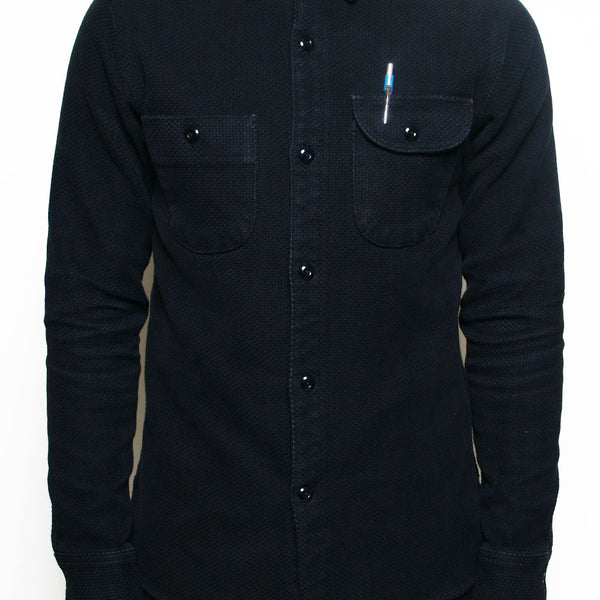
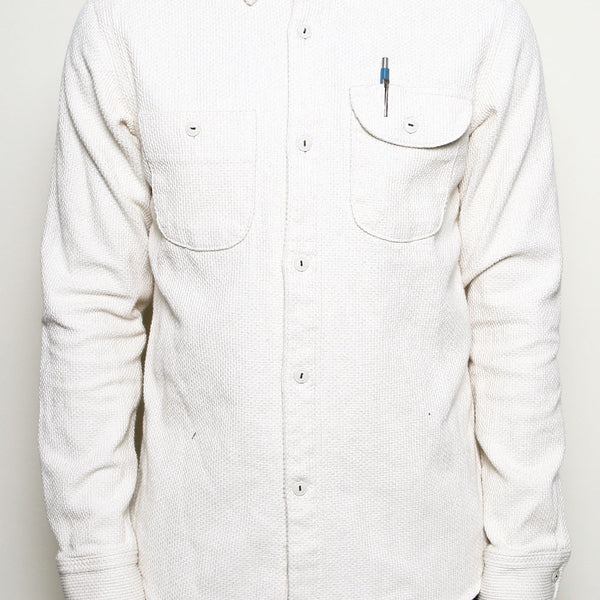
Rogue Territory

Fashion

Los Angeles selvedge denim built for how people actually move.

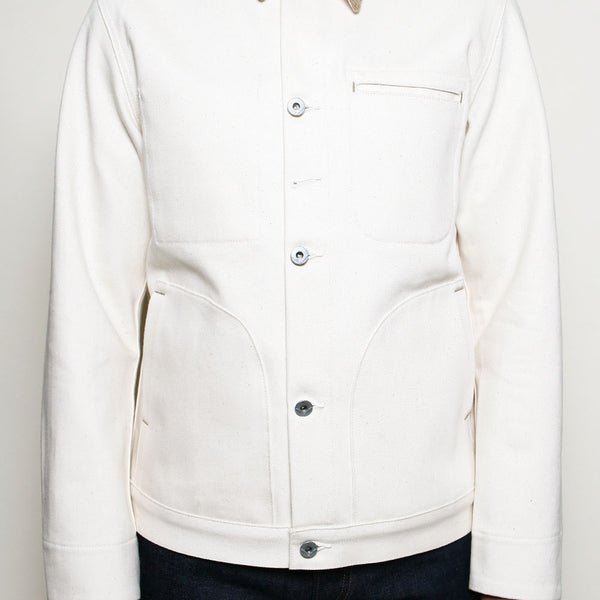
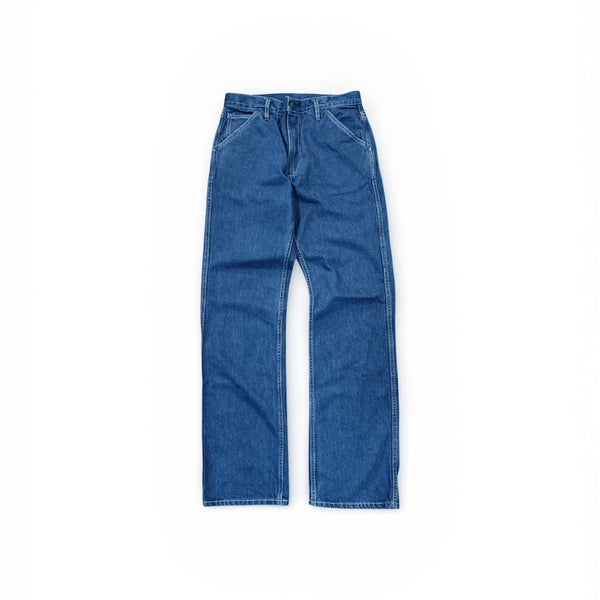
Rogue Territory started in Los Angeles around 2009 as a direct challenge to the idea that heritage denim had to be precious or costume-y. The cuts are workwear-inspired but functional — the Supply Jacket and Standard Issue jeans are designed to move. They source selvedge from Japanese mills and finish everything in LA. The brand's aesthetic is quieter than most in the heritage denim space, which has aged well.

Enter Store

Dehen 1920

Fashion

Varsity jackets and knitwear made in Portland since 1920.

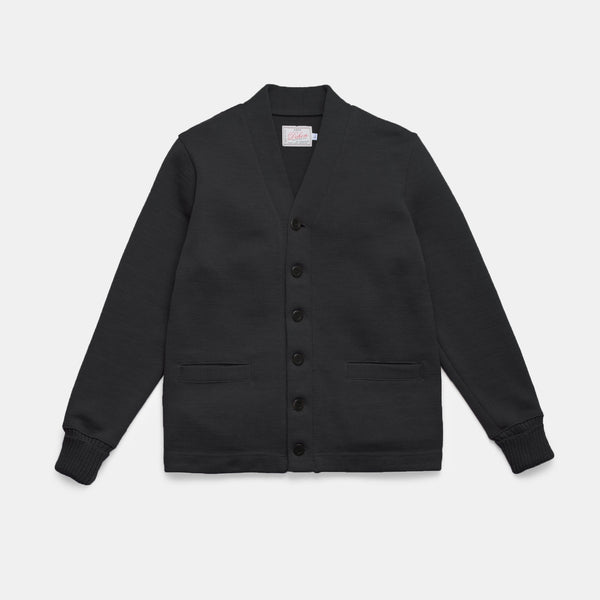
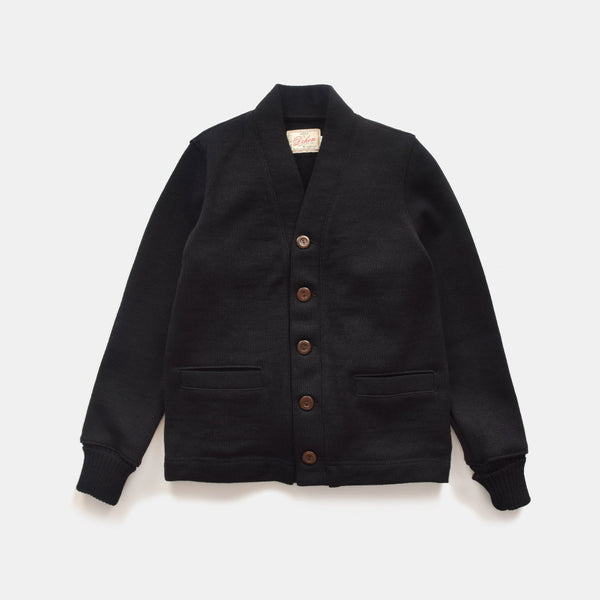
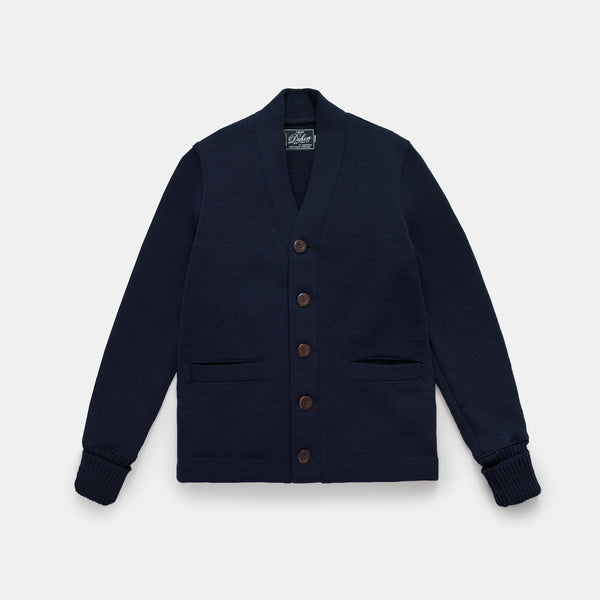
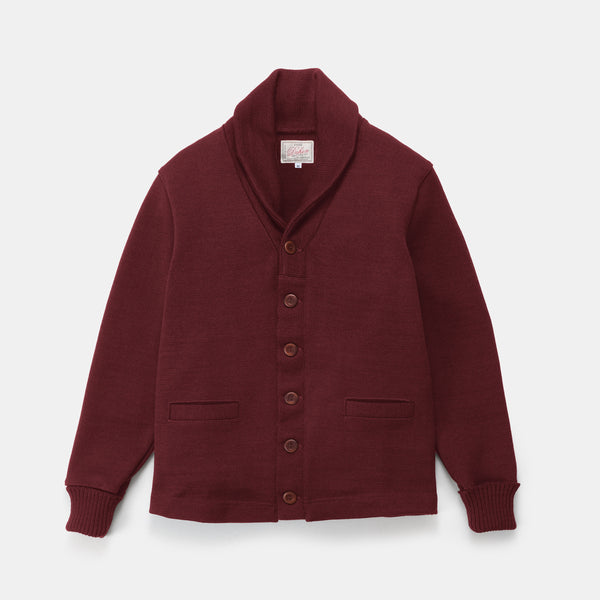
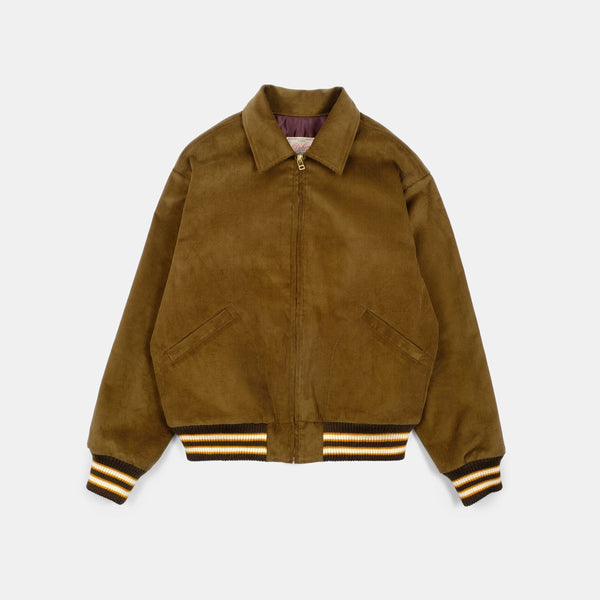
Dehen has been manufacturing in Portland, Oregon since 1920 — which gives them a legitimate claim to being one of the oldest continuously operating American sports knitwear factories. They originally made athletic letter sweaters for high schools and universities across the Northwest. Today they make a small line of varsity jackets and knitwear products using the same domestic manufacturing they've always had. The craftsmanship is demonstrably different from any offshore alternative.

Enter Store

Left Field NYC

Fashion

American-made selvedge denim with a union-era New York attitude.

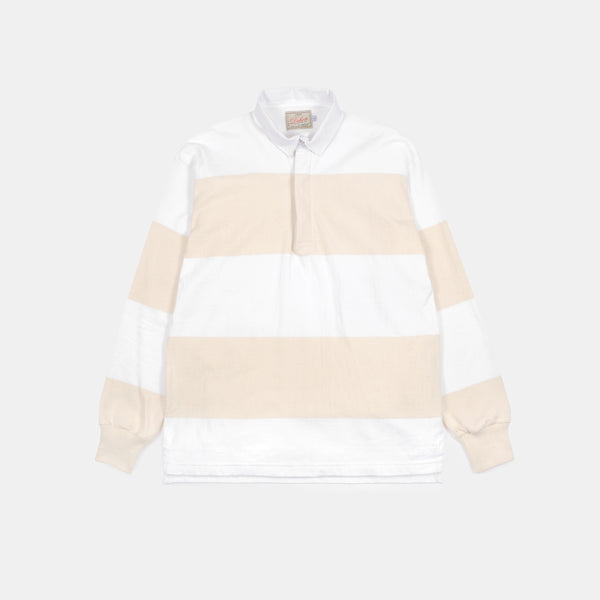
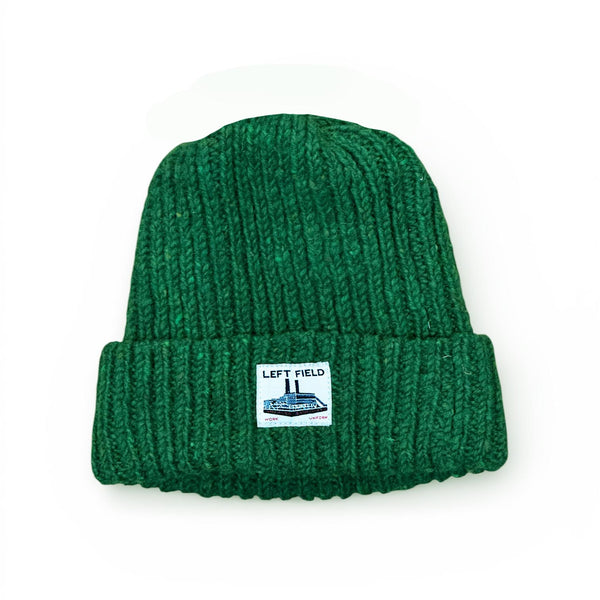
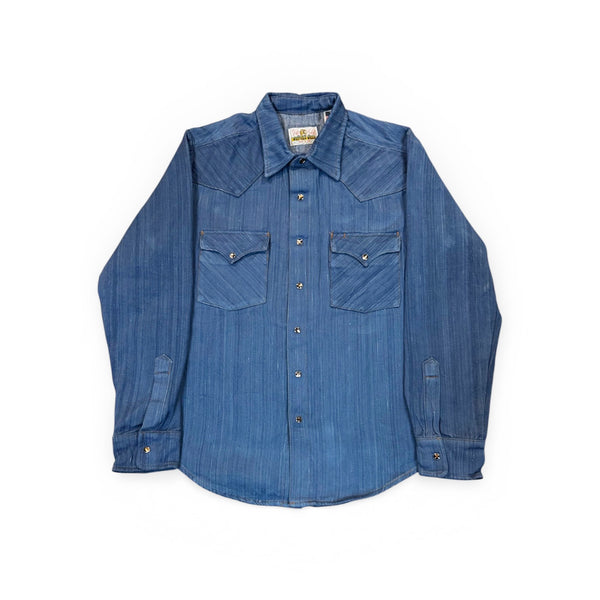
Left Field NYC was founded by Chris Kerr in New York and has maintained a focus on American-made selvedge denim with a deliberately low profile. The brand uses Cone Mills selvedge — one of the last remaining American denim mills — and cuts everything domestically. The aesthetic is working-class NYC with a vintage sports influence: baseball jerseys, chambray shirts, and jeans with real utility in the design.

Enter Store

Freenote Cloth

Fashion

California heritage with Japanese denim and serious construction.

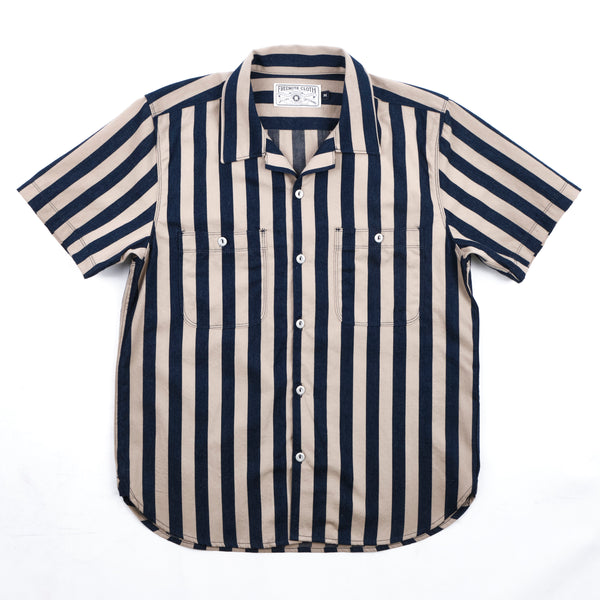
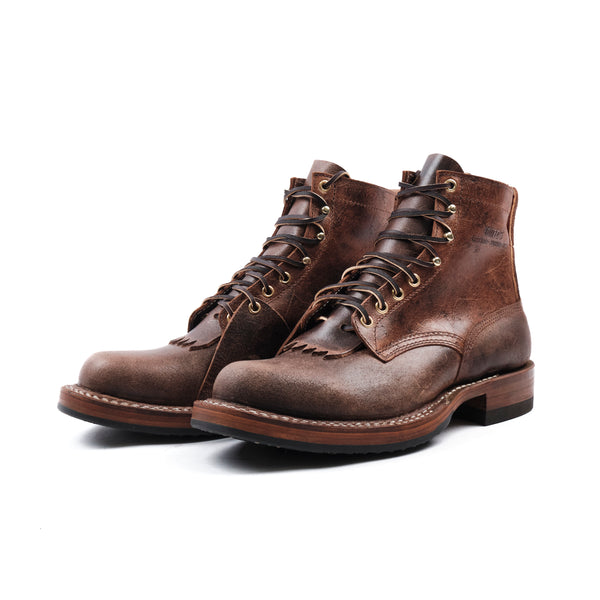
Freenote Cloth launched out of Southern California in 2012 with a focus on heritage workwear silhouettes executed in Japanese selvedge denim. The brand occupies a specific niche: American workwear aesthetics, Japanese fabric quality, California ease in the fit. Their Wilkes shirt and Avila jacket have become long-running staples. They also carry a curated selection of partner brands (Viberg boots, for example) that fit the same quality standard.

Enter Store

American Giant

Fashion

The American-made basics brand that got a whole Atlantic cover story.

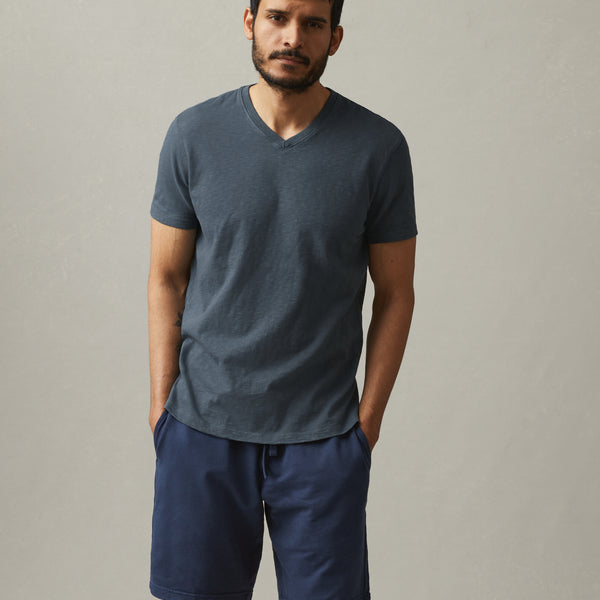
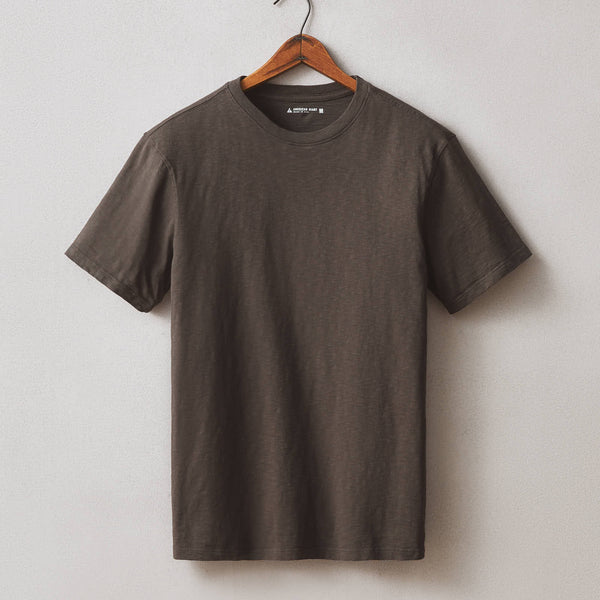
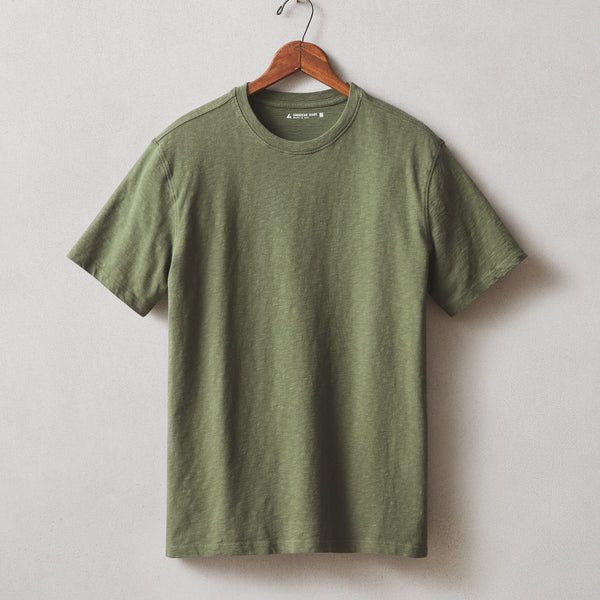
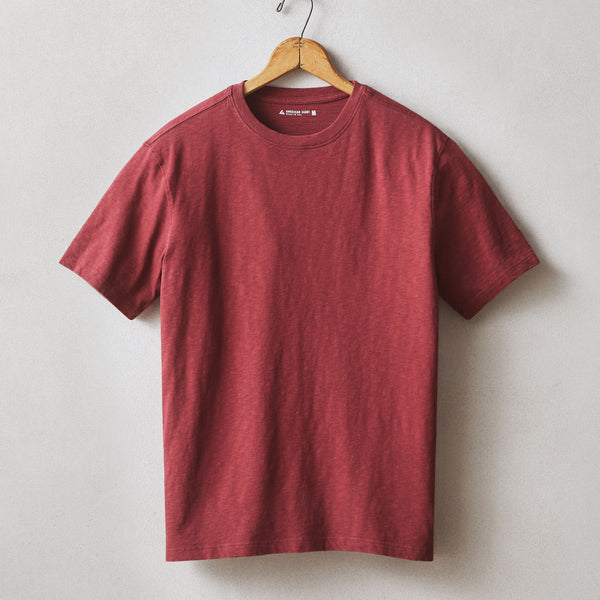
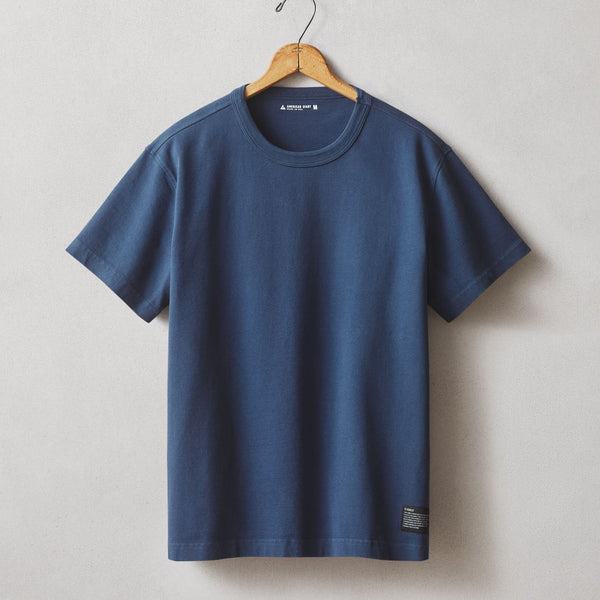
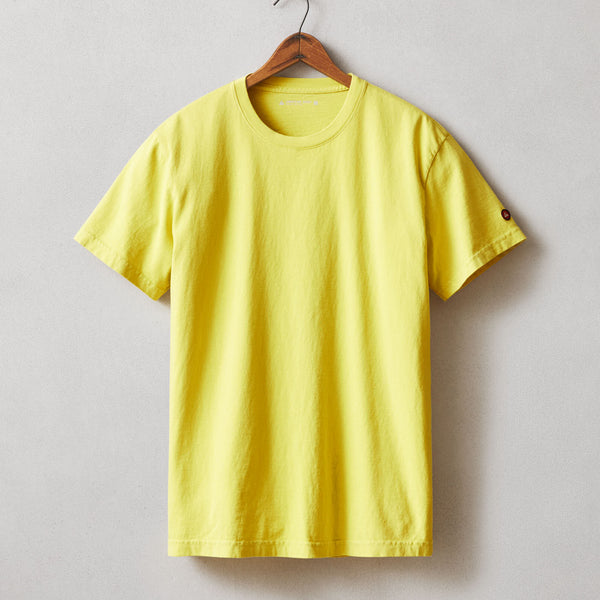
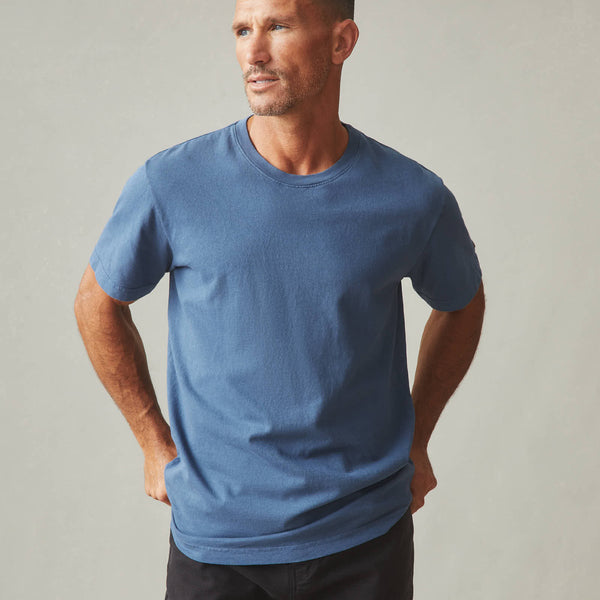
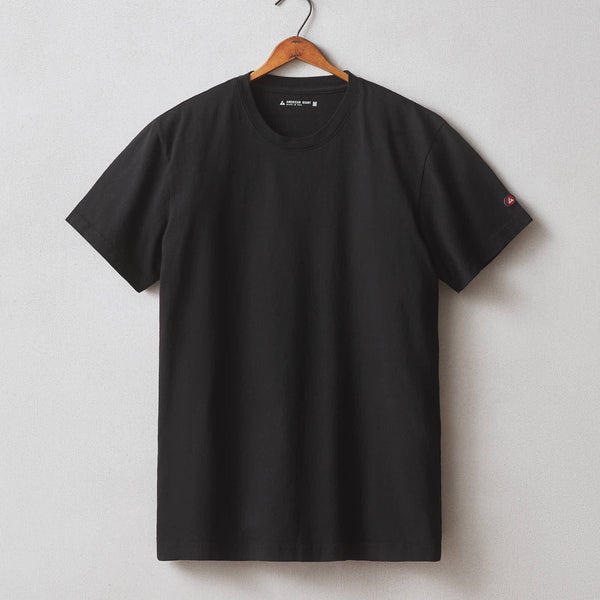
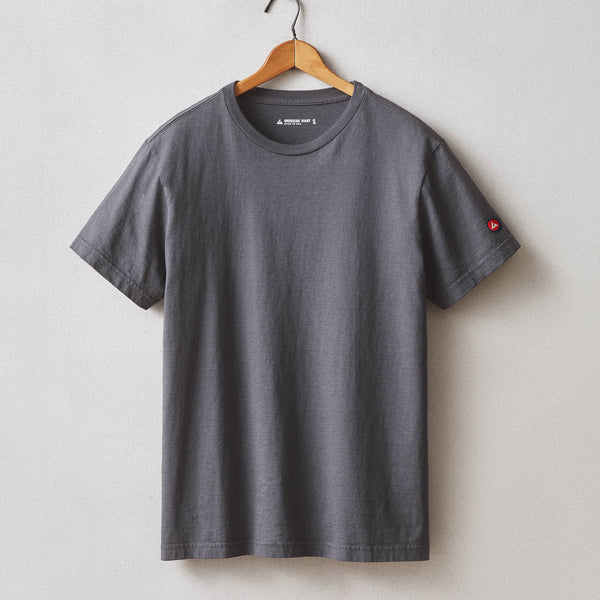
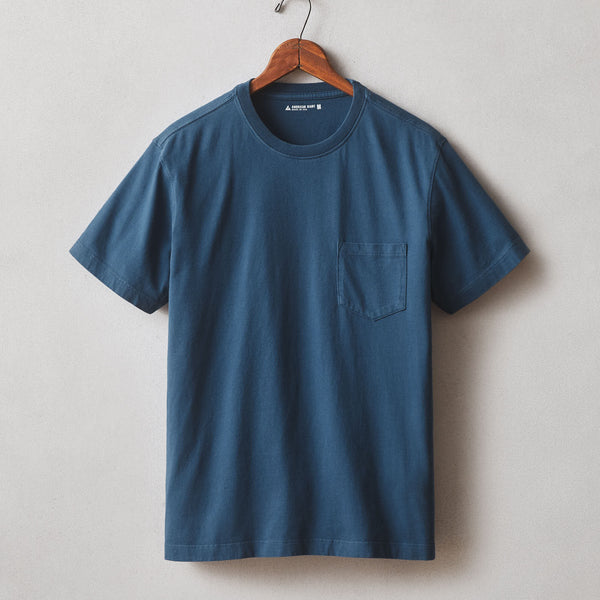
American Giant launched in 2012 when founder Bayard Winthrop bet that Americans would pay more for clothes made entirely in the United States. The Atlantic called their classic hoodie 'the greatest hoodie ever made' in 2013, which created a wait list and a lot of attention. They've since expanded into chinos, denim, and tees — all made domestically, all built to a weight and finish that fast fashion physically cannot match. The brand is proof that the domestic apparel supply chain can still function.

Enter Store

About This District

Shopping independent American made workwear brands requires getting comfortable with a few trade-offs. Lead times are longer than fast fashion: pre-order models (Taylor Stitch uses this), limited production runs, and genuine hand-finishing all take time. Prices reflect domestic labor and real materials — expect $100–200 for jeans, $80–150 for shirts, $200–400 for outerwear. This is not a deal category. The payoff is durability and fit. American made selvedge denim from brands like Rogue Territory or Left Field NYC will last 10+ years with proper care and improve with wear in a way that no $40 import will. Workwear-derived cuts — slightly roomier through the thigh, higher rises, heavier weights — are also genuinely more functional than fashion-forward alternatives if you're wearing clothes to actually do things in. For denim specifically: selvedge refers to the tightly woven edge of the fabric roll, which prevents fraying and indicates the fabric was made on a slower, narrower loom. Most selvedge denim used by American heritage brands comes from Japanese mills (Kurabo, Cone, Nihon Menpu) despite the brand being American — the domestic denim mill infrastructure largely disappeared in the mid-20th century. Cone Mills in North Carolina is the main exception, and brands that use Cone Selvedge are making a specific domestic choice worth noting. Care matters. Raw denim should be washed infrequently and inside-out in cold water. Heavy cotton work shirts do best air-dried. Waxed canvas outerwear should be re-waxed annually. These garments reward the maintenance; they're not designed for the wash-and-forget lifecycle of disposable fashion.