Mint Districts Home

Japandi Home Decor Brands Worth Knowing

Japandi is not an aesthetic trend. It is a design philosophy that was inevitable — two cultures, Japan and Scandinavia, arriving at the same conclusion: that objects should be made carefully, used daily, and never need replacing. Wabi-sabi asks you to find beauty in the imperfect and the worn. Hygge asks you to build warmth from simplicity. Together they describe a home that costs less than a showroom but feels more considered than anything you could buy at scale. The brands in this district understand that. None of them sell furniture that looks expensive. They sell things that are actually good.

Kinto USA

Home

Japanese minimalism in every object you use daily.

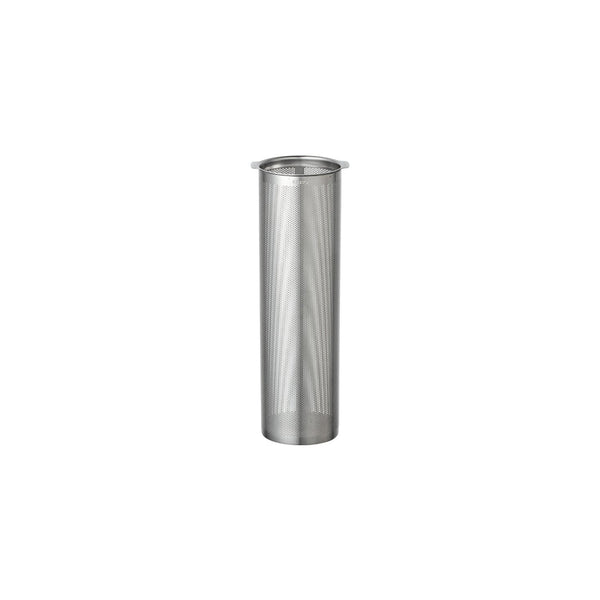
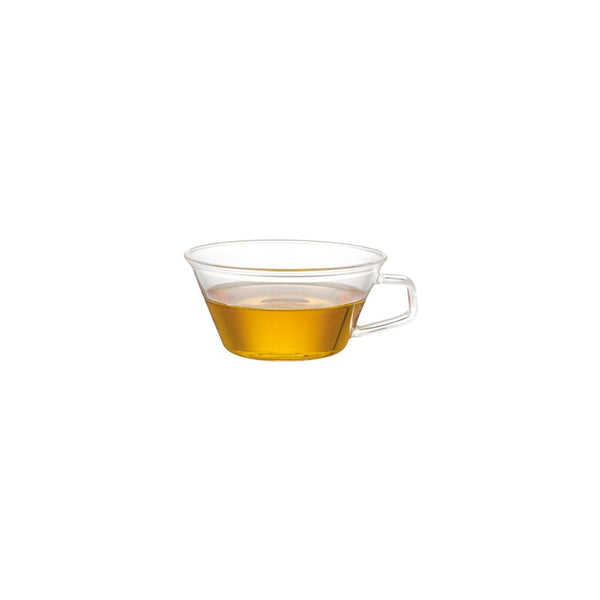
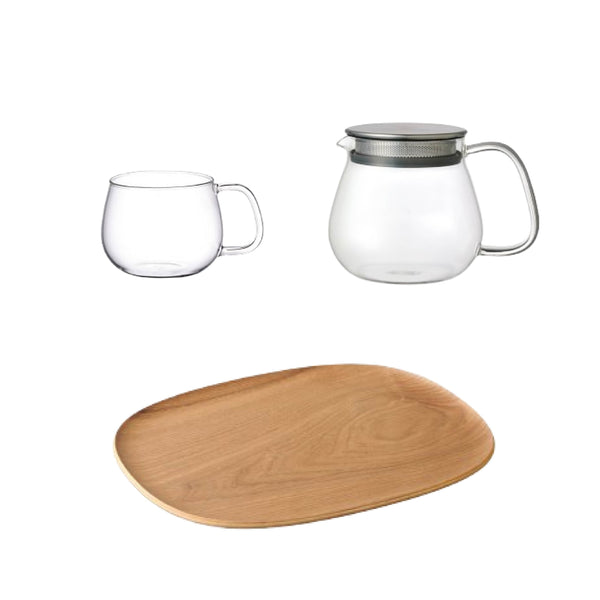
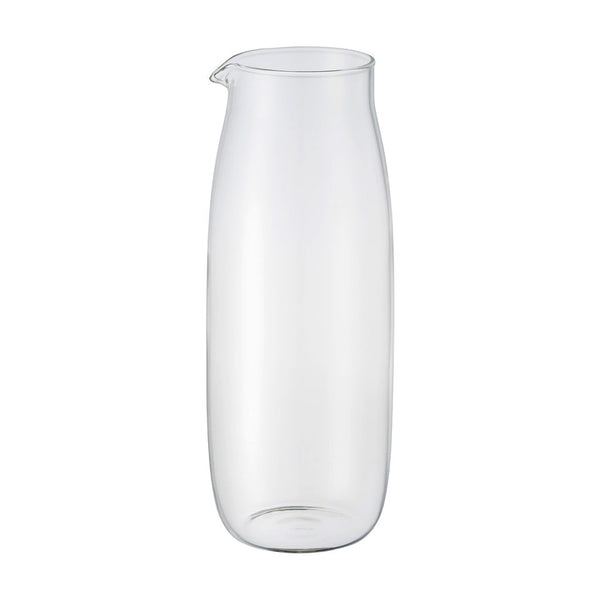
Founded in Shiga, Japan in 1972, Kinto has spent five decades making objects for everyday rituals — tea, coffee, water, food storage — with a design language rooted in Japanese functional minimalism. Their UNITEA and POUROVER systems have become reference objects in the Japandi home: visible without demanding attention, functional without being clinical. Their US store ships the full catalog stateside.
Enter Store

Ferm Living

Home

Danish interiors that earn their place in your home.
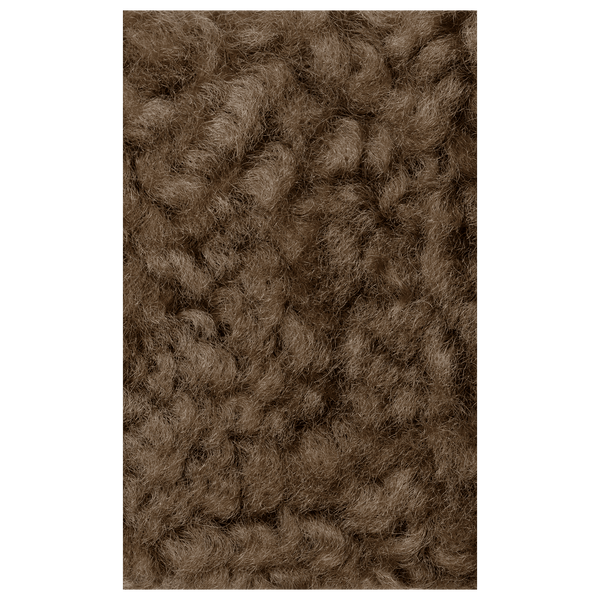
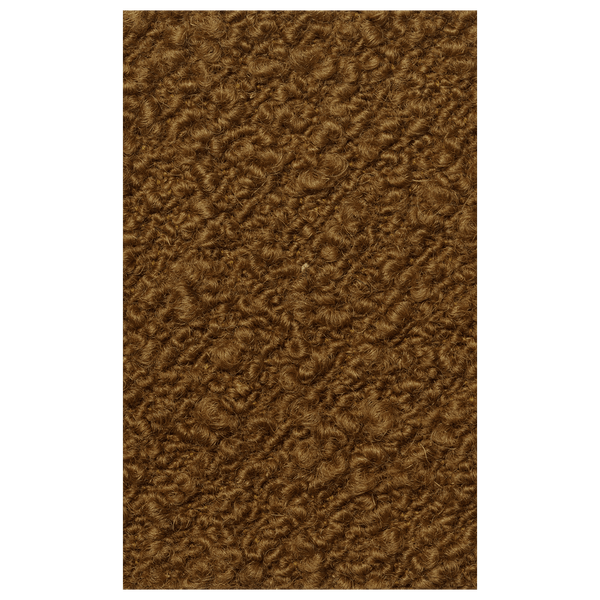
Founded in Copenhagen in 2005 by Trine Andersen, Ferm Living grew from a small graphic design project into one of the most recognized Scandinavian interiors brands globally. Their work sits squarely in the hygge tradition — warm textures, considered forms, a strong point of view about how a home should feel rather than simply look. Everything ships DTC through their international store.
Enter Store

The Citizenry

Home

Artisan-made home goods from makers who still care.

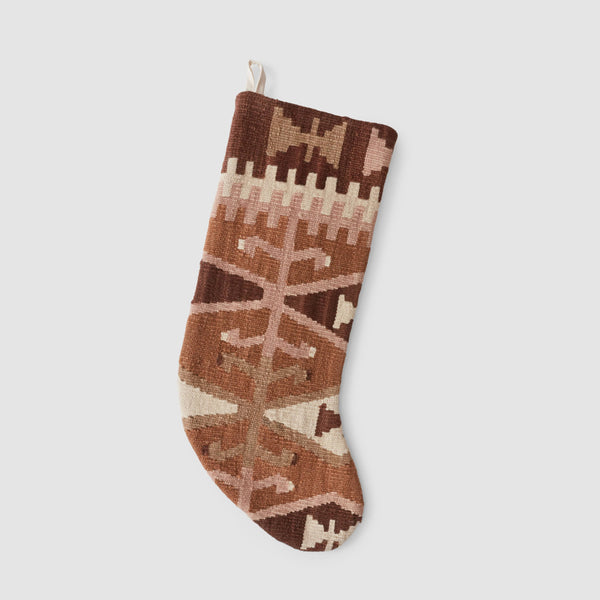
The Citizenry was started in 2014 with a simple idea: work directly with artisan communities around the world and sell their work at honest prices online. Their product range bridges Japandi aesthetics from two directions — Japanese craft traditions in their ceramics and wood objects, and Nordic warmth in their textiles. Every piece ships with provenance information about the maker.

Enter Store

Yield Design

Home

Ceramics and tableware made to outlast the trend.

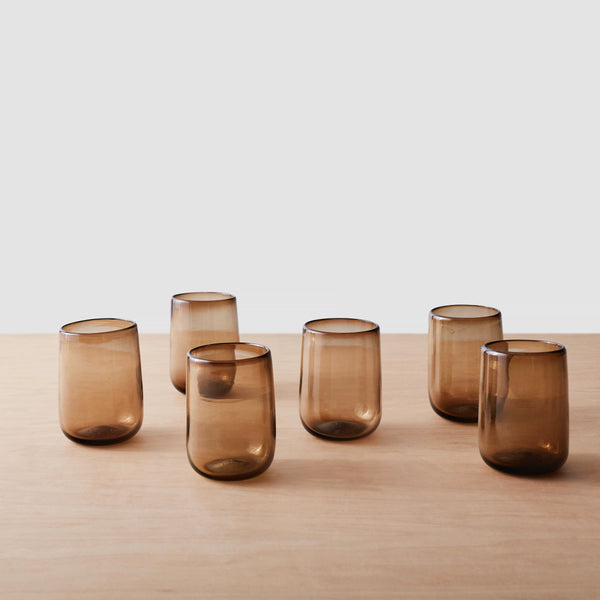
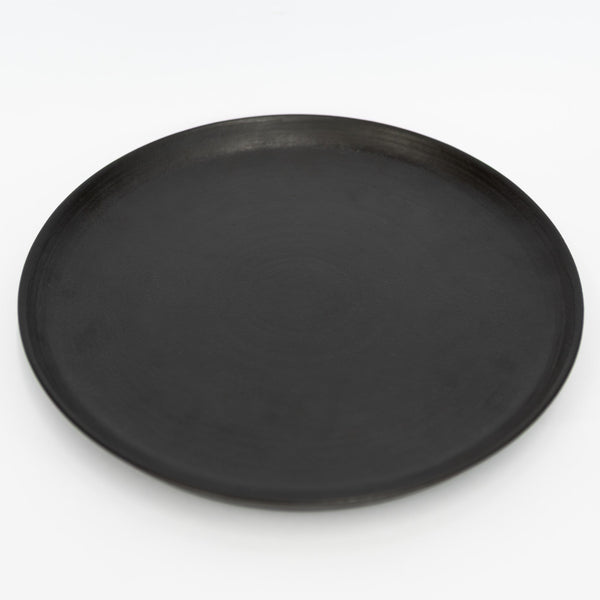
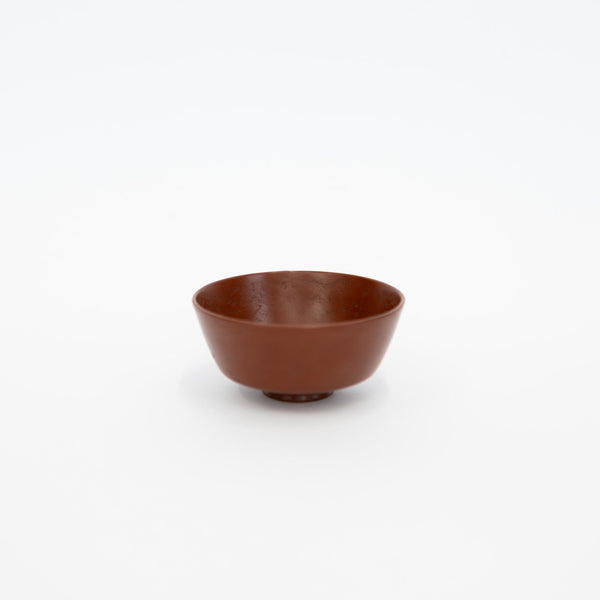
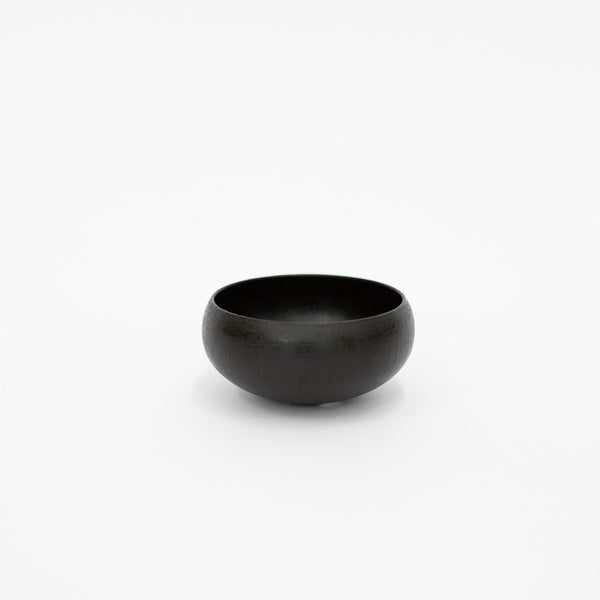
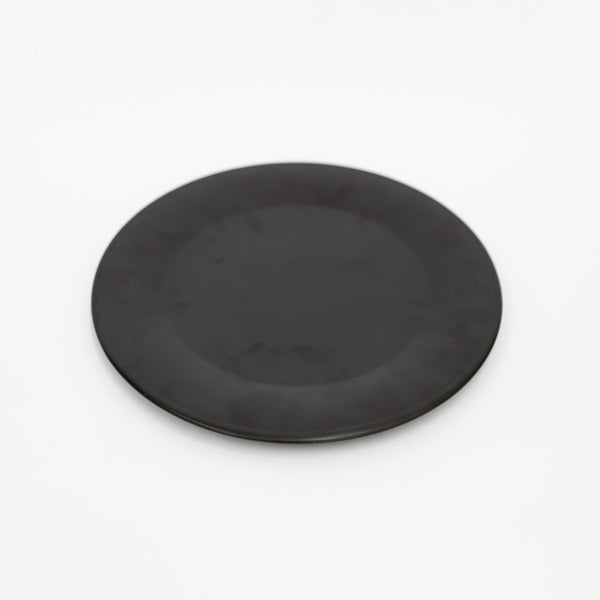
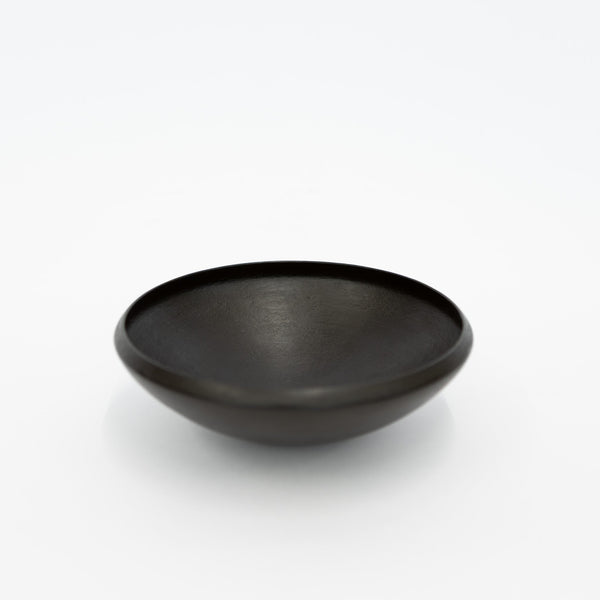
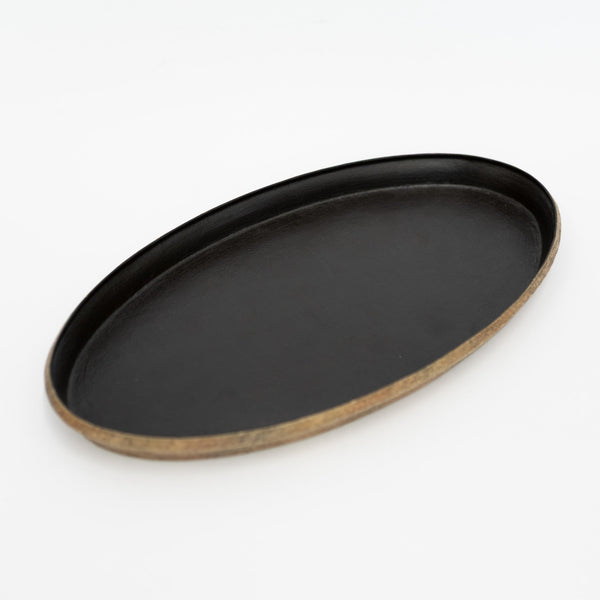
Yield Design operates out of Brooklyn with a focus on ceramics and kitchen objects that value function and material honesty over decoration. Their work leans toward the wabi-sabi end of the Japandi spectrum — unglazed rims, natural variation in finish, forms that feel like they were turned by a human hand. The brand sells direct and makes limited collections seasonally.

Enter Store

Hawkins New York

Home

Simple home goods that make everyday tasks feel better.

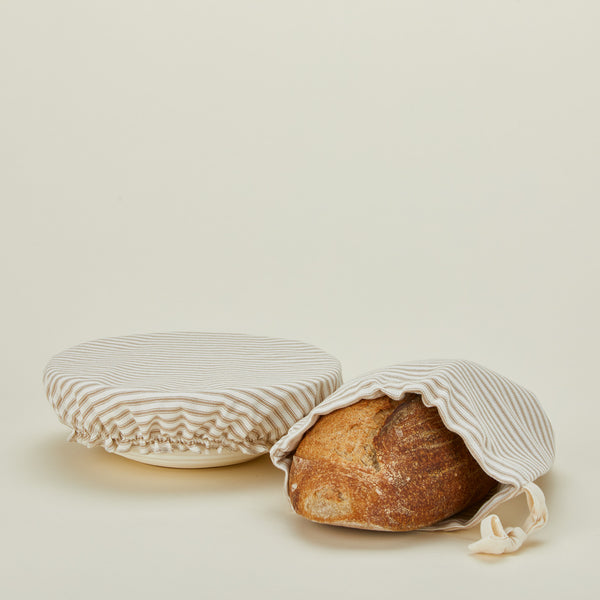
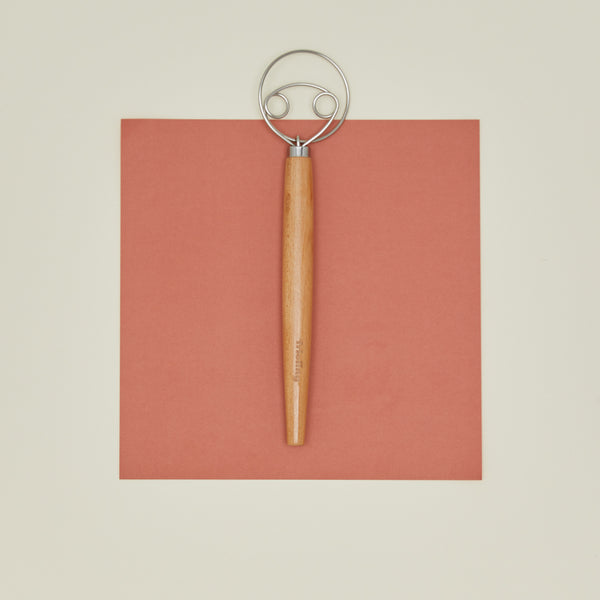
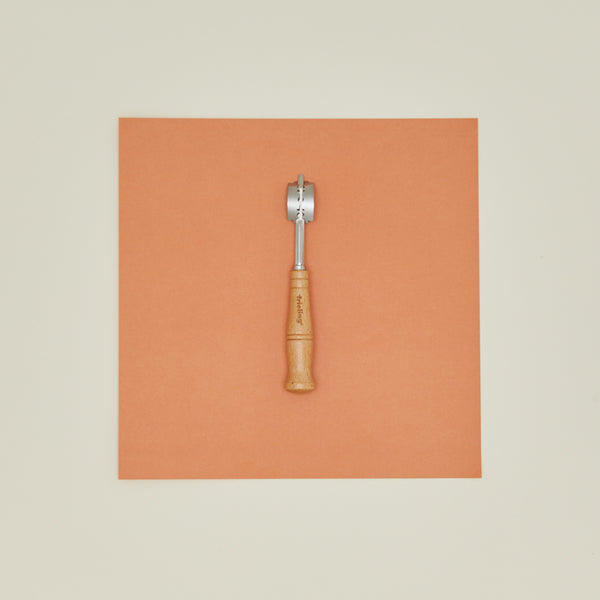
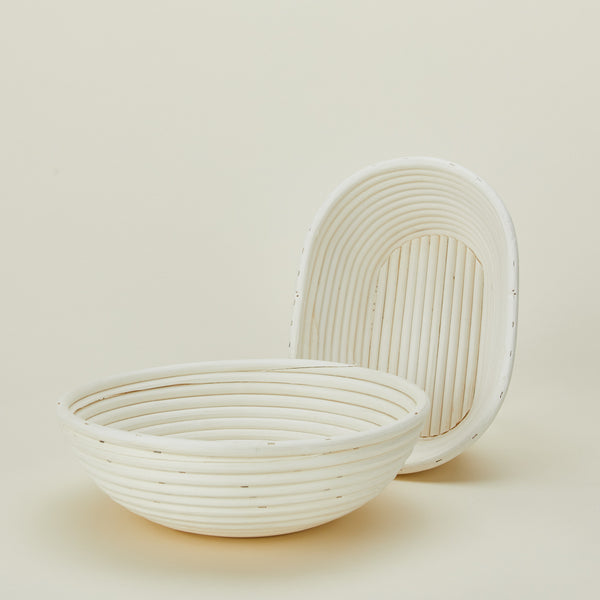
Hawkins New York launched in 2010 with a focus on well-designed kitchen and home objects sold at accessible prices. Their product range — bread bags, dough tools, ceramics, linens — reads like an inventory of things that make a Japandi kitchen functional. The aesthetic is clean, practical, and deliberately undecorated, which is the point.

Enter Store

Tortoise General Store

Home

A Japanese general store, carefully edited for the curious.

Tortoise is a Silver Lake, Los Angeles shop that has been importing and curating Japanese goods — tools, ceramics, textiles, skincare, stationery — since 2008. Their online store is one of the best single-source edits of authentic Japanese lifestyle objects available in the US. Nothing here is manufactured-to-aesthetic; everything is simply what people in Japan actually use.

Enter Store

Moebe

Home

Danish modular furniture built to be rearranged for life.

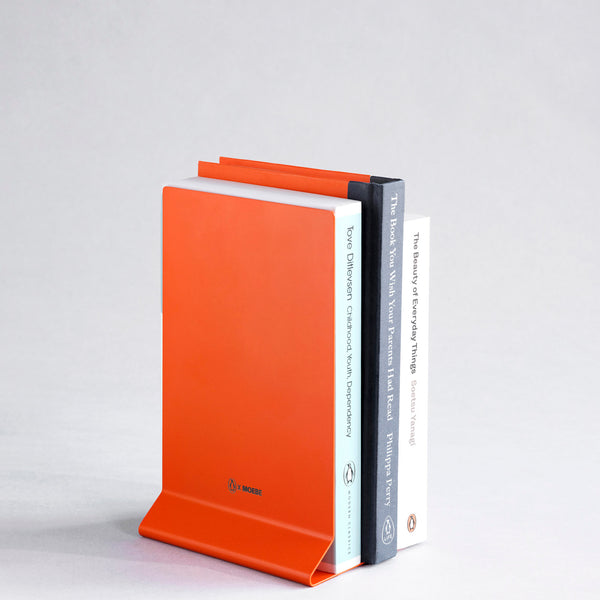
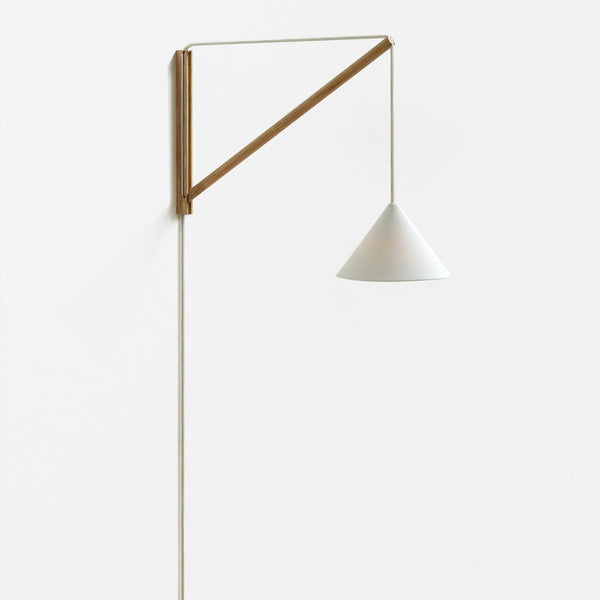
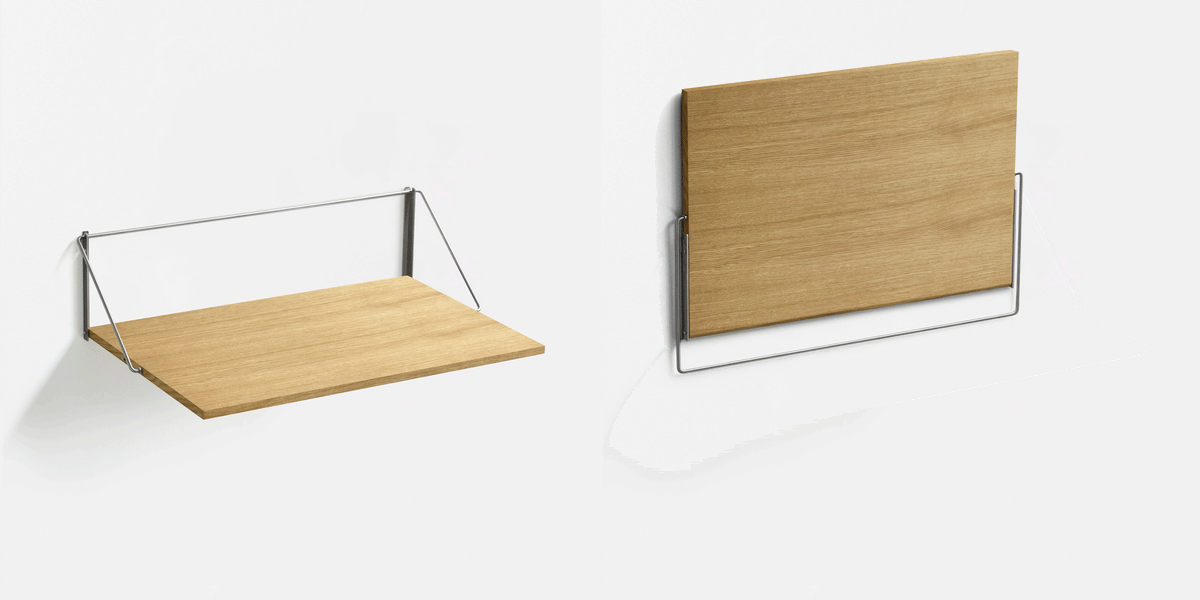
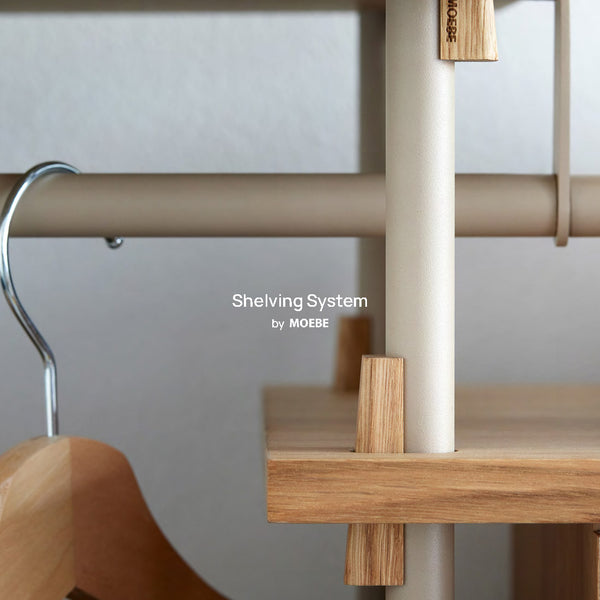
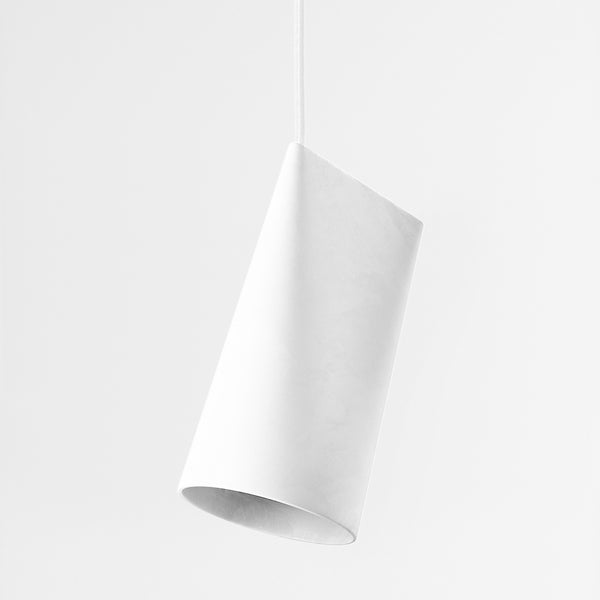
Moebe was founded in Copenhagen in 2014 by a trio of architects and designers who believed that good furniture should adapt to how you actually live rather than force you to redecorate around it. Their shelving systems, frames, and pendants are modular by design — add a shelf, move a module, change the configuration without tools. The materials are honest: solid oak, solid walnut, powder-coated steel, hand-blown glass.

Enter Store

About This District

Shopping Japandi home decor well means resisting the urge to buy everything at once. The aesthetic depends on restraint — a single well-made ceramic bowl on a clean shelf beats a shelf crowded with pretty things. Start with objects you touch every day: your coffee cup, a serving dish, a candle holder. Kinto and Yield Design both make tableware that holds up to daily use while looking good doing it. For furniture and textiles, Ferm Living and Moebe have built entire vocabularies around modular, honest-material design that you configure slowly and keep forever. When shopping this category, prioritize natural materials over anything with a lacquer or high-gloss finish — Japandi is fundamentally about texture and grain. Look for neutral palettes anchored in warm off-whites, warm greys, terracotta, and natural wood tones. Avoid anything described as minimalist that is made from plastic or MDF. The Citizenry sources directly from global artisans and is worth exploring for textiles — their pieces bridge the wabi-sabi tradition with Nordic warmth better than most Western brands manage. Tortoise General Store in Los Angeles is the best single-source edit of imported Japanese goods available online: everything there has been curated by people who genuinely know the difference between a functional object and a decorative one.