Mint Districts Home

The Best Cottagecore Home Decor Brands Worth Actually Buying

Cottagecore as an aesthetic has been discussed to death on Pinterest and TikTok, but most of those posts end with a link to Amazon. The brands here are different: they're making things with a genuine point of view about slowness, craft, and the particular beauty of domestic life. Dried florals sourced from small farms. Botanical prints that look like pages from a naturalist's notebook. Ceramics that are slightly imperfect on purpose. If you're furnishing a life that feels considered rather than assembled, this is where to start looking.

Rifle Paper Co.

Home

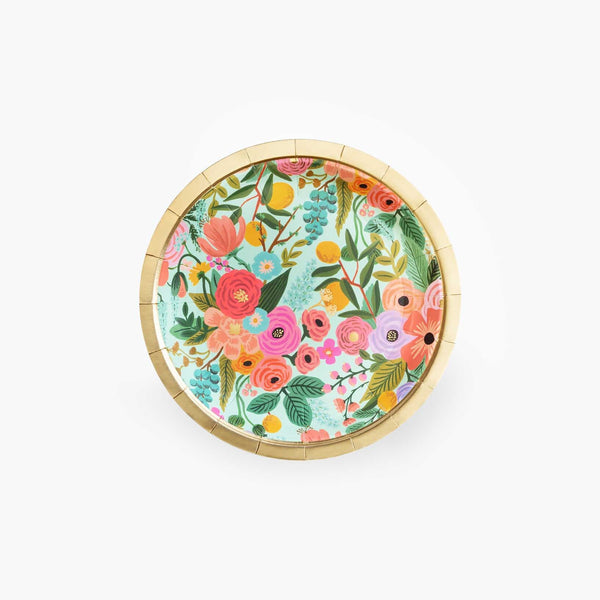
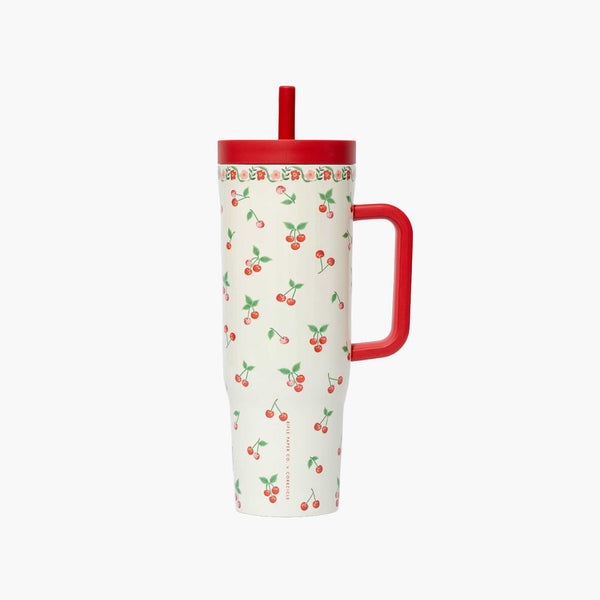
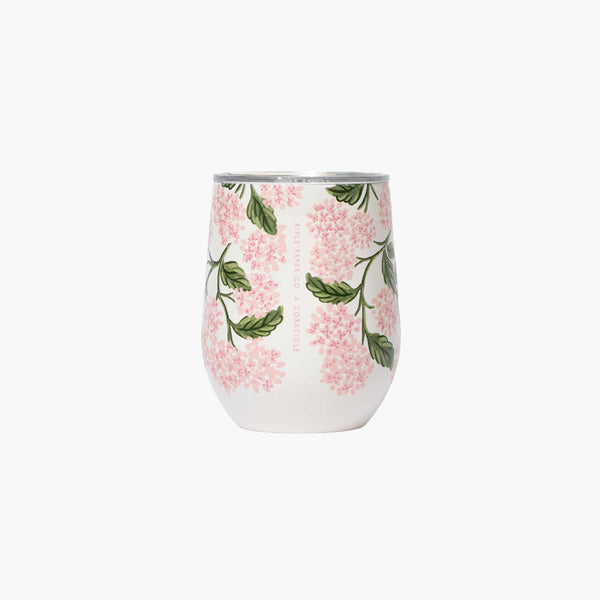
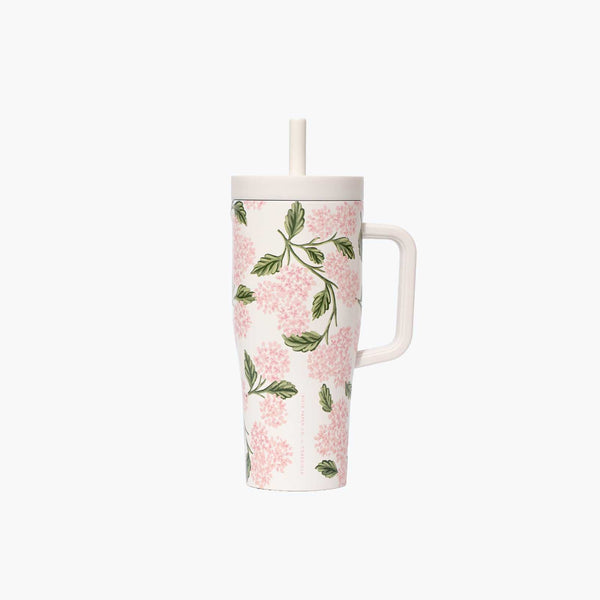
Botanical illustration turned into things you actually use.

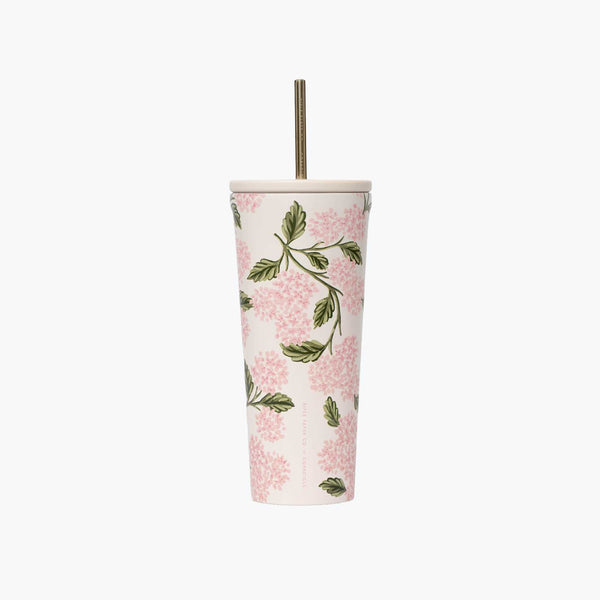
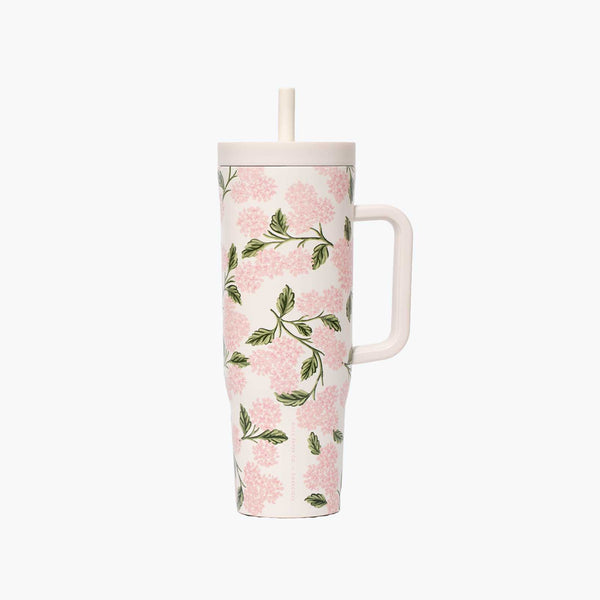
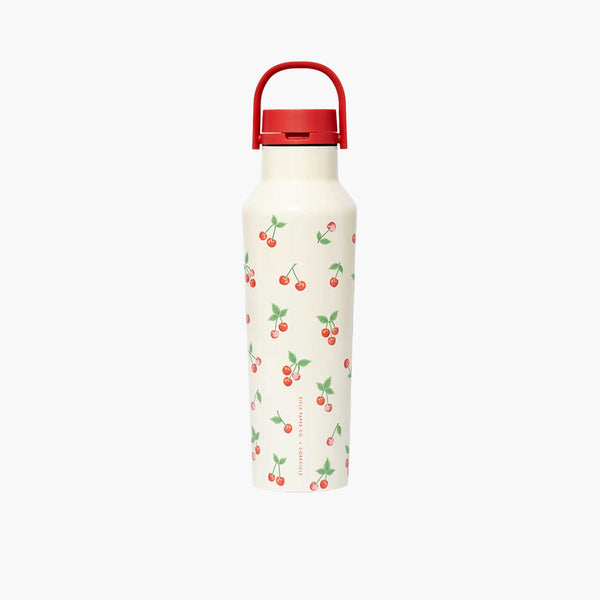
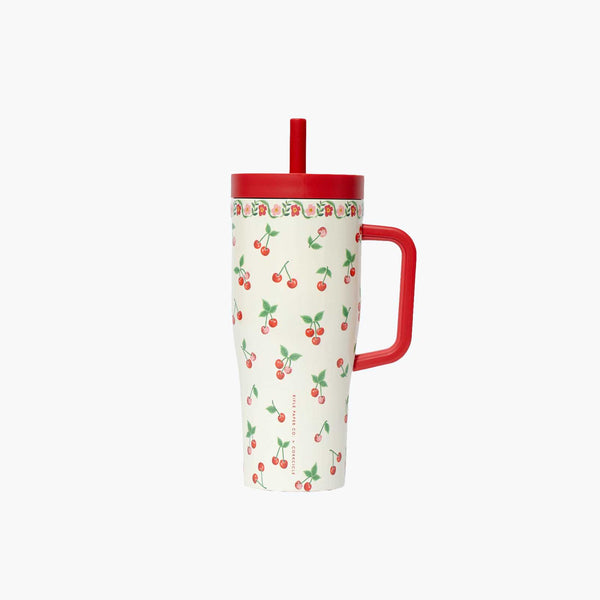
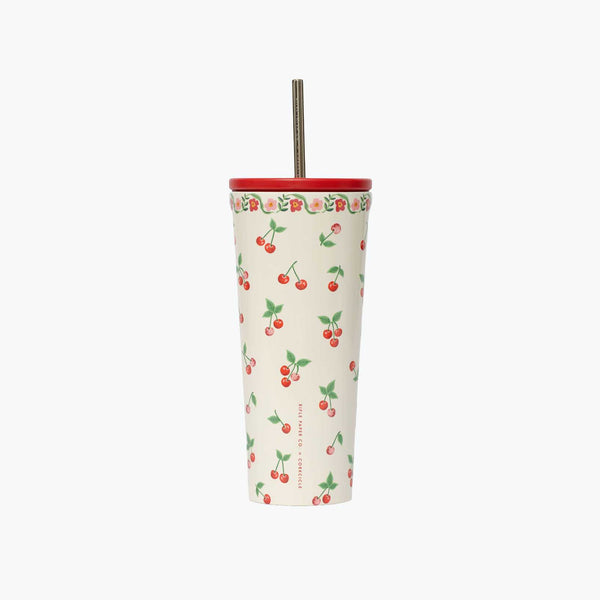
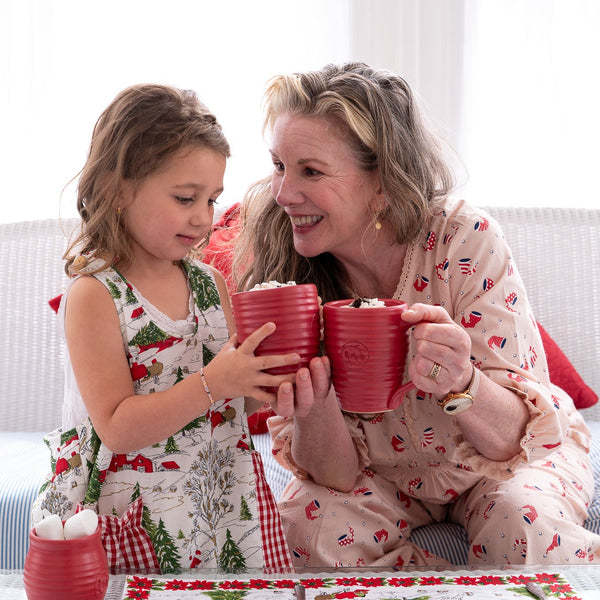
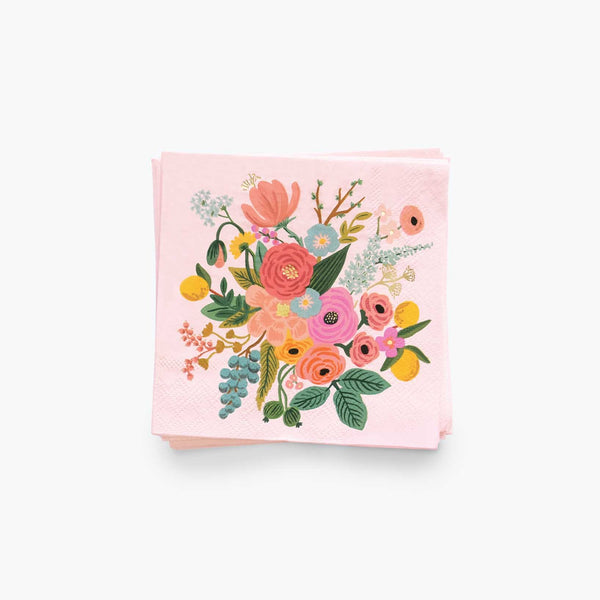
Anna Bond started Rifle Paper Co. in 2009 in Orlando, Florida, turning her hand-painted florals into stationery that looked nothing like anything else in the market. The home goods line came later: cotton napkins, kitchen towels, and mugs carrying the same illustrative quality as the cards. The rose gold foil details and gouache-style florals are recognizable globally, but they started as one person's particular visual obsession.
Enter Store

Hawkins New York

Home

Thoughtfully curated goods for cooking, serving, and slowing down.

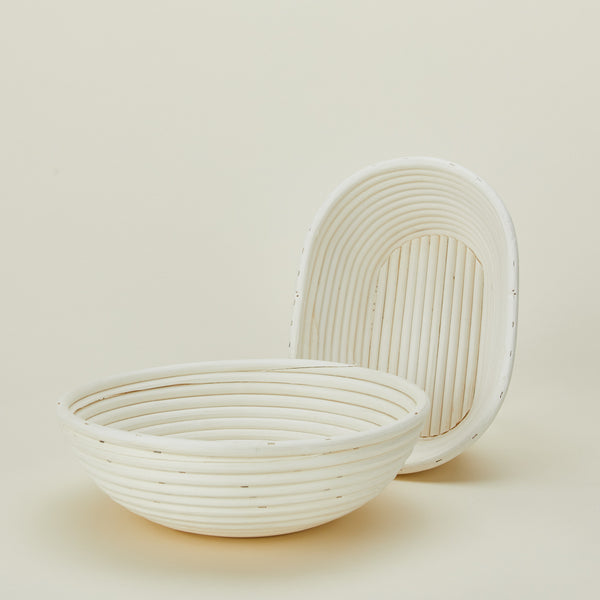
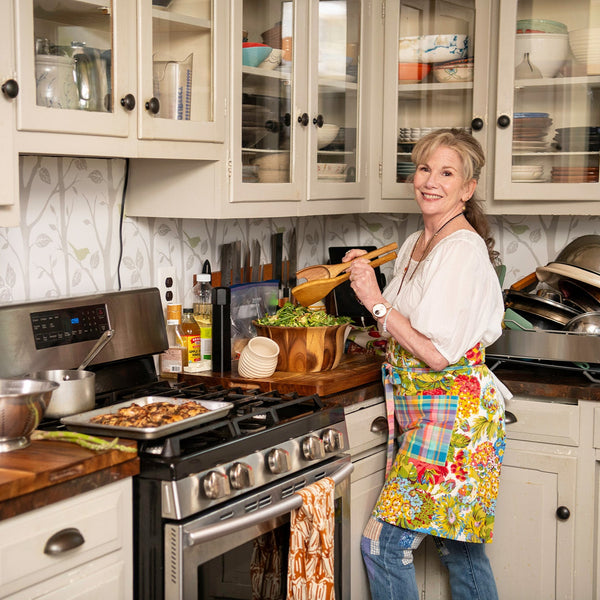
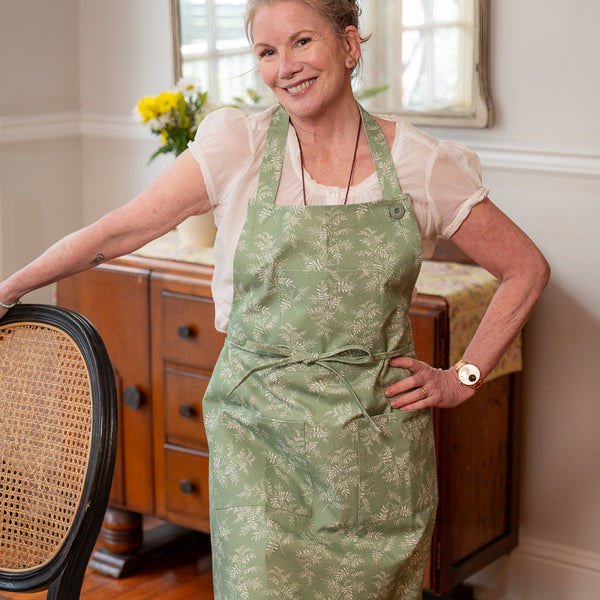
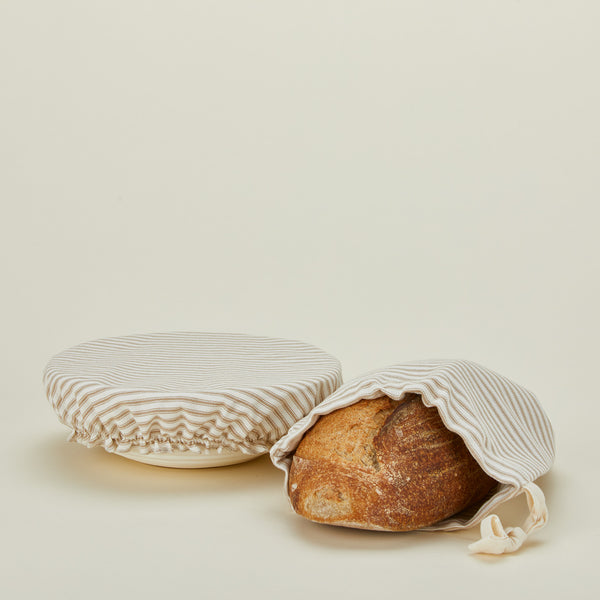
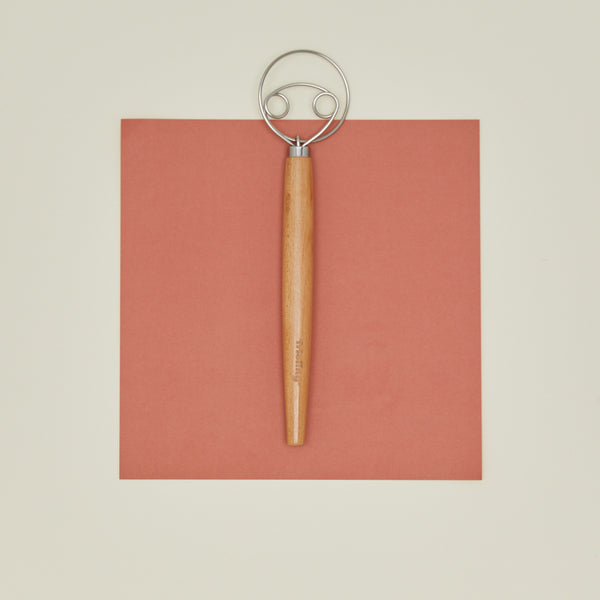
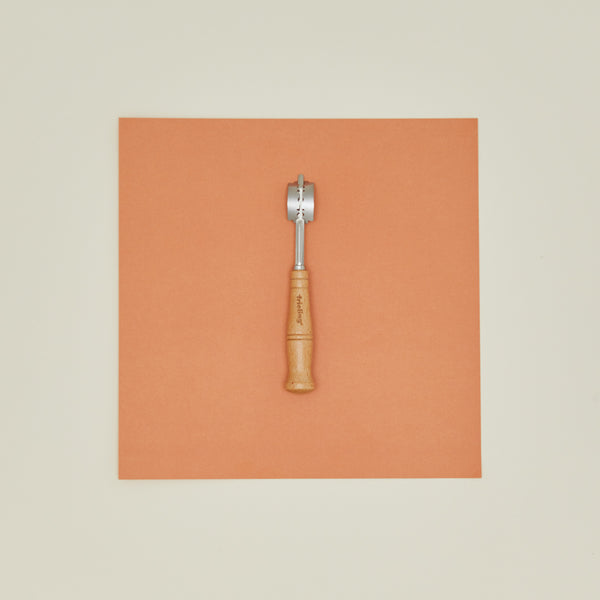
Hawkins New York started as a design shop with an eye for domestic objects that feel genuinely useful rather than decorative. The bread bags, bowl covers, and kitchen linens they carry are made in the US and Europe by small producers — the kind of objects that look better after two years of use than they did when new. The curation is tight and the aesthetic is warmly practical.

Enter Store

House of Hackney

Home

Maximalist British botanicals for people who commit to a print.

Founded in a East London townhouse in 2012 by Frieda Gormley and Javvy M Royle, House of Hackney set out to make wallpaper and textiles that William Morris would have recognised but that were undeniably contemporary. The Amaranthine and Limerence patterns are full-room commitments — repeating botanicals at scale. Their fabric and cushion range lets you start smaller. Everything is made in England.

Enter Store

McGee & Co.

Home

Traditional home goods with the warmth of a room that's actually lived in.

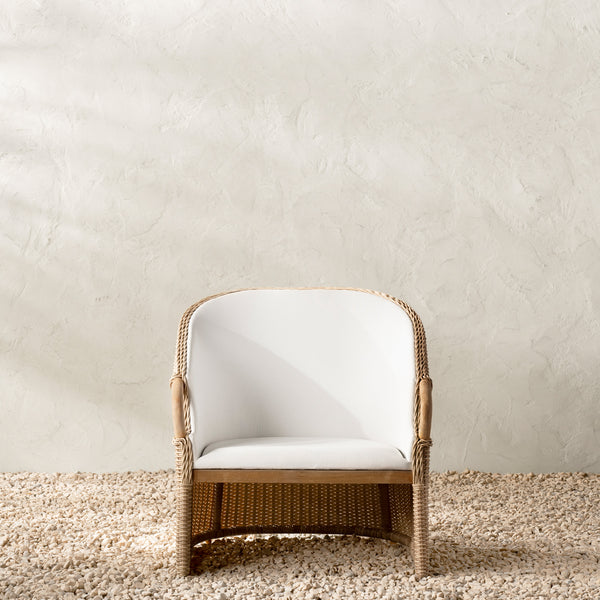
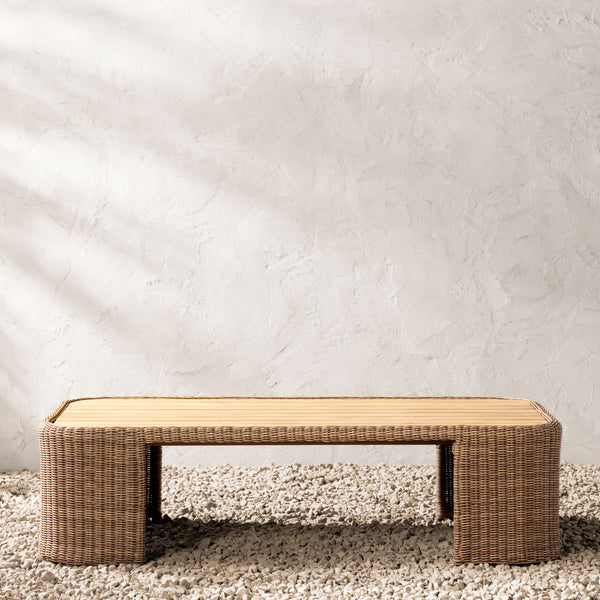
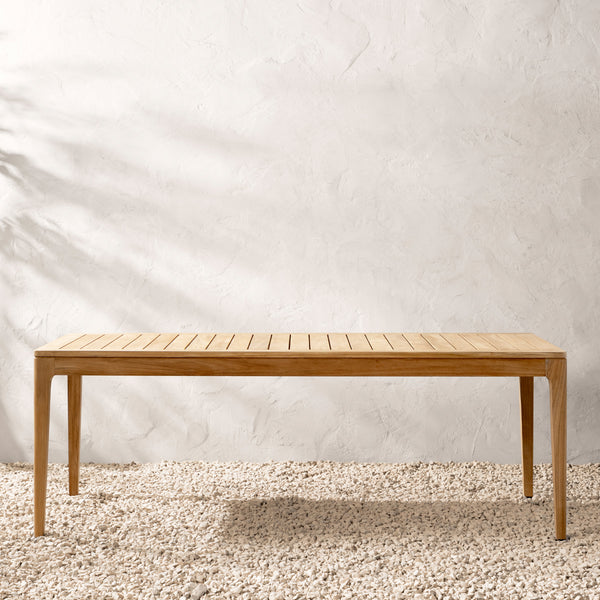
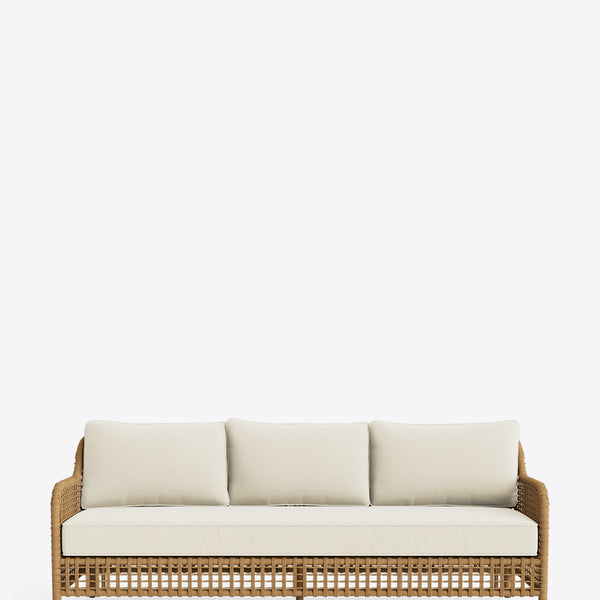
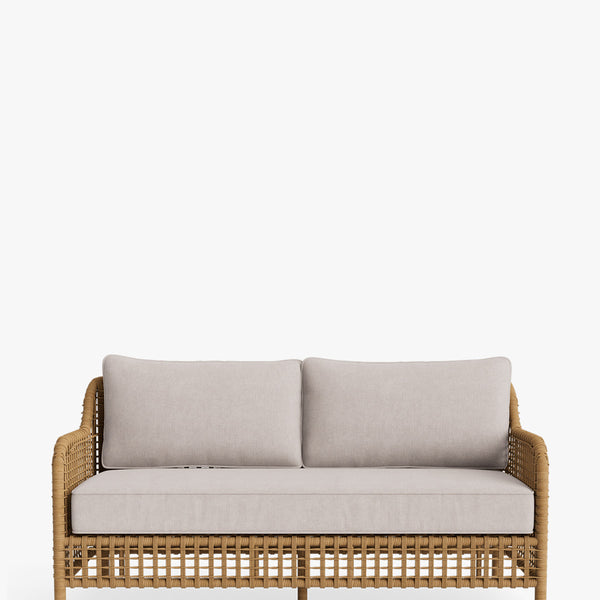
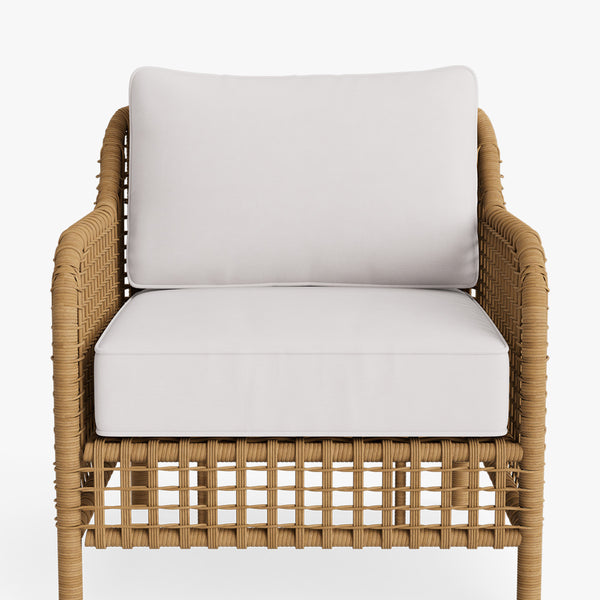
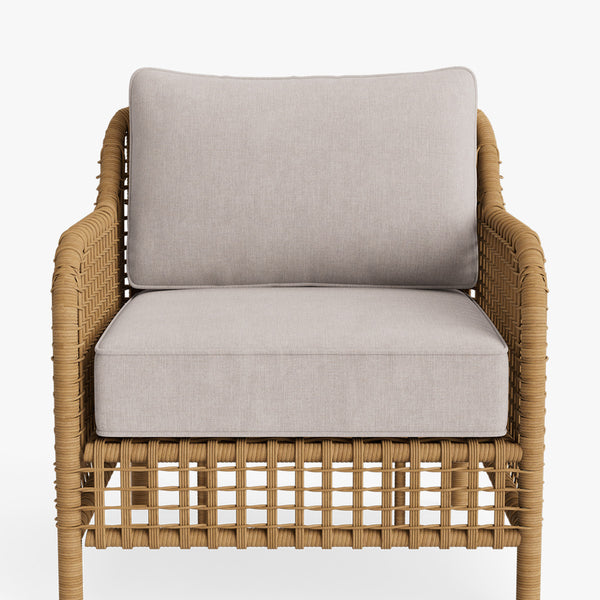
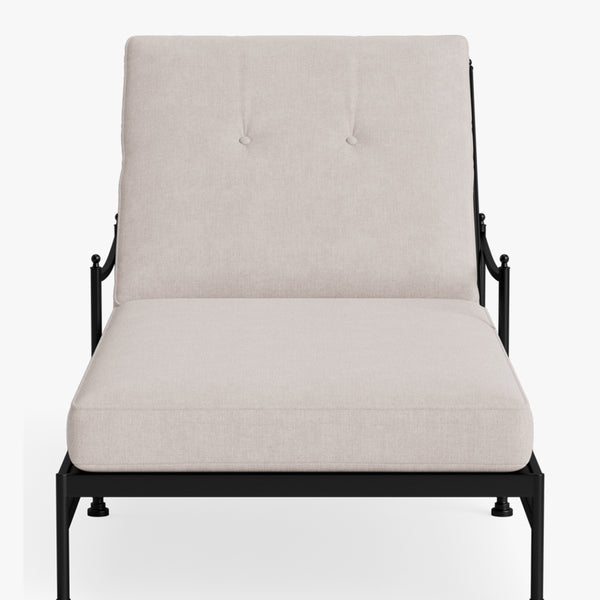
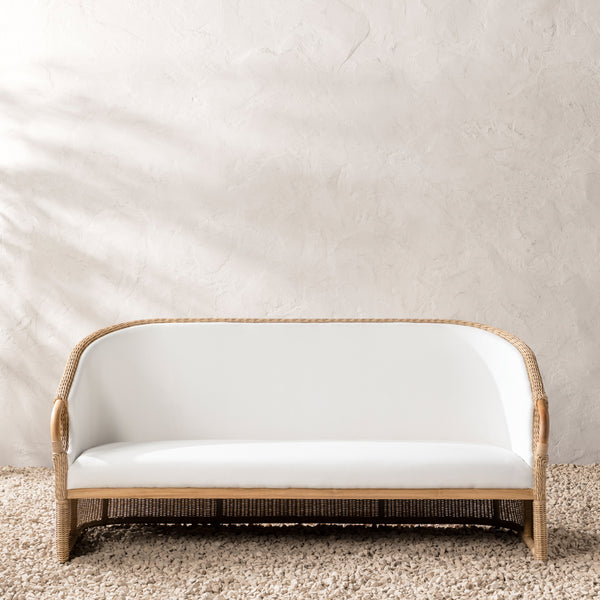
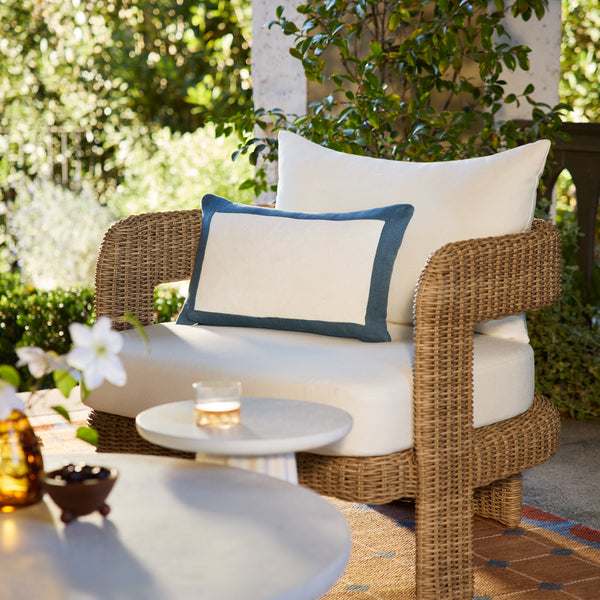
Shea McGee built a design studio and then a furniture and home goods brand in parallel, which means the products are tested against real interiors rather than designed in isolation. The cozy traditionalism — natural materials, muted palettes, plenty of texture — maps directly onto the cottagecore sensibility without being precious about it. The outdoor furniture is where the brand has recently done its most interesting work.
Enter Store

Lulu and Georgia

Home

Wool rugs and ceramics with a quiet botanical soul.

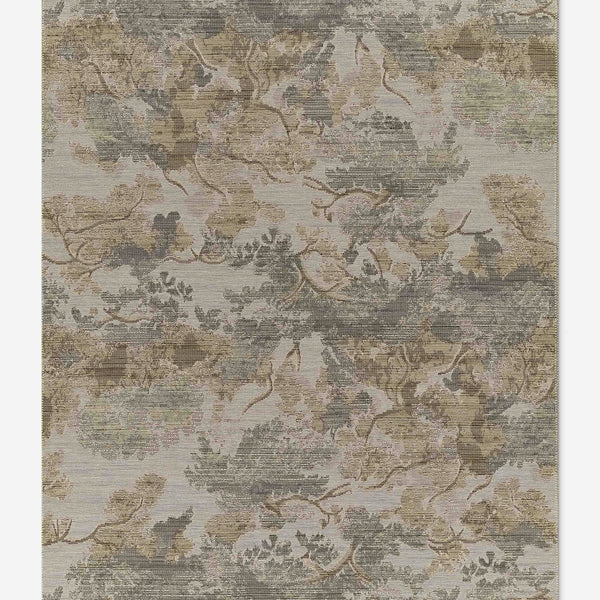
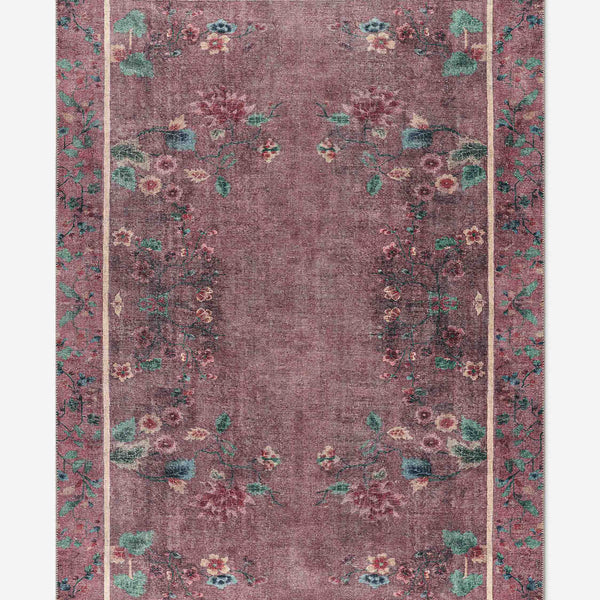
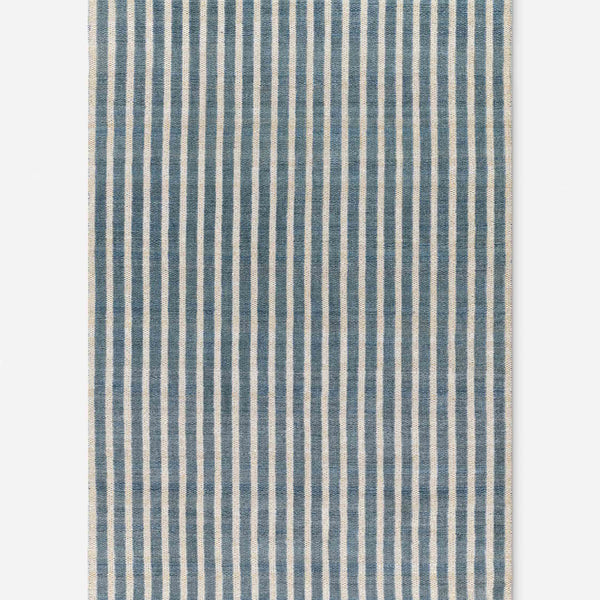
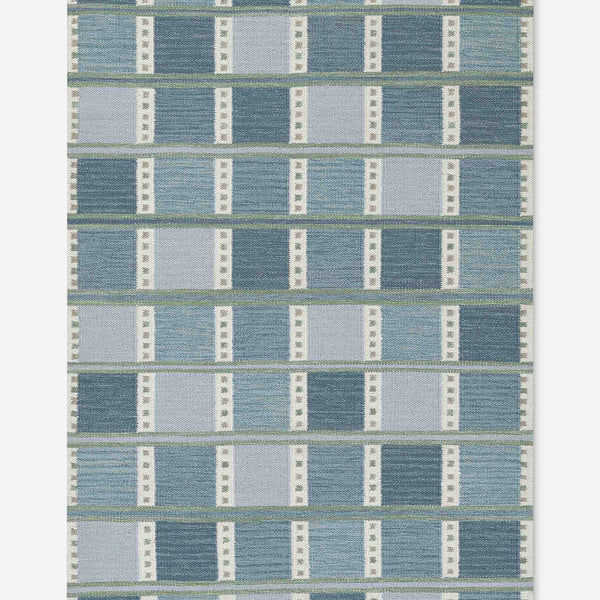
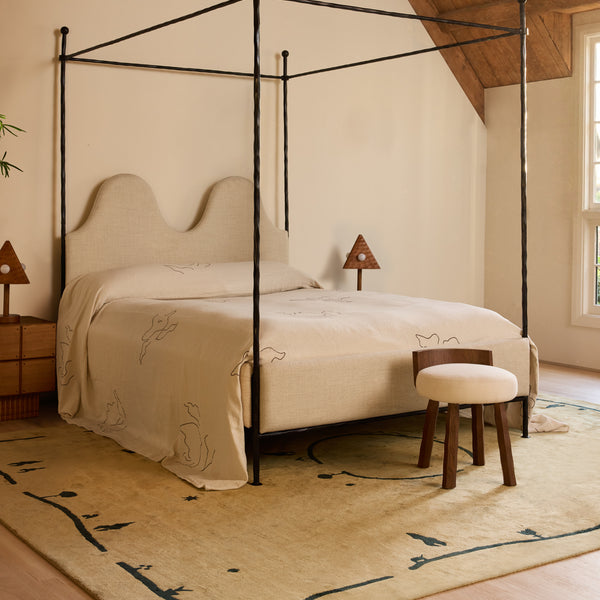
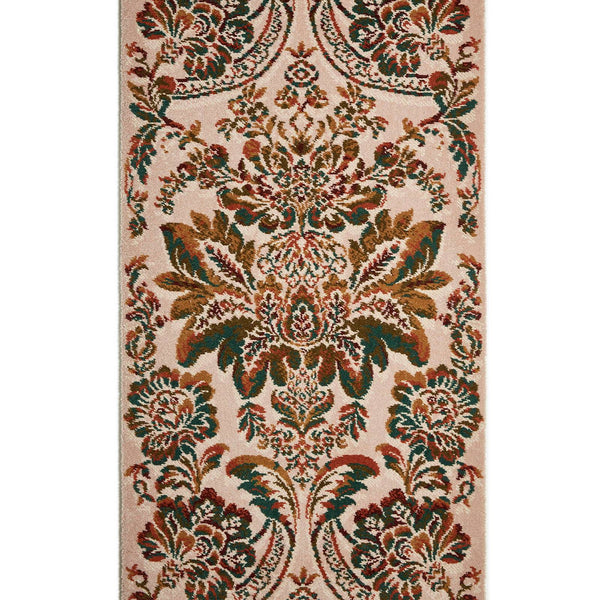
Lulu and Georgia started in 2012 as a way to bring the quality of interior design trade sourcing to consumers. The rug selection — particularly the wool-blend botanical designs — is where the brand earns its place in a cottagecore home: rich patterns, natural fibres, pieces that anchor a room without dominating it. The bedroom and living room collections have gotten more considered over time.

Enter Store

Modern Prairie

Home

Handcrafted home goods that take rural craft seriously.

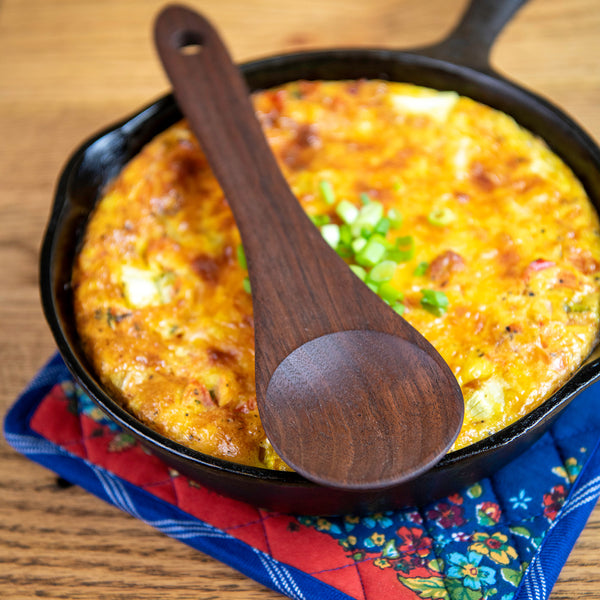
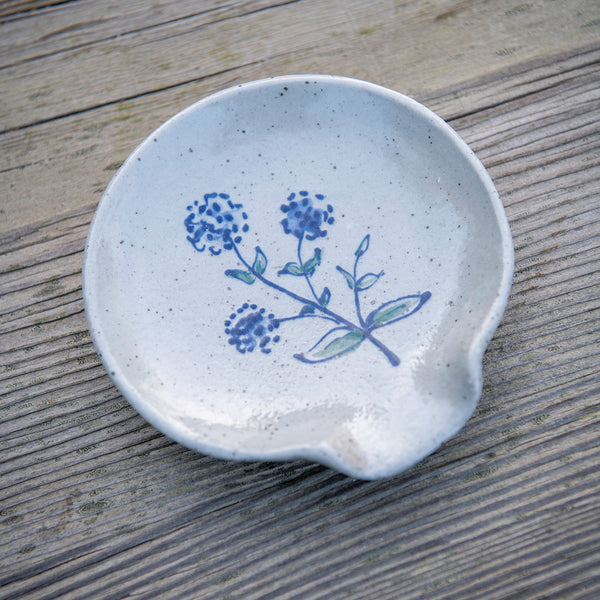
Modern Prairie makes hand-carved walnut kitchenware, ceramic pieces, and home objects that are unambiguously craft-first. The grain paddles, butter keepers, and serving boards are objects made to be used — not to sit on a shelf. The brand's cottagecore credentials are in the materiality: real walnut, real clay, visible tool marks. This is what small-batch domestic craft looks like when it's done right.

Enter Store

The Citizenry

Home

Artisan-made home goods from every corner of the world.

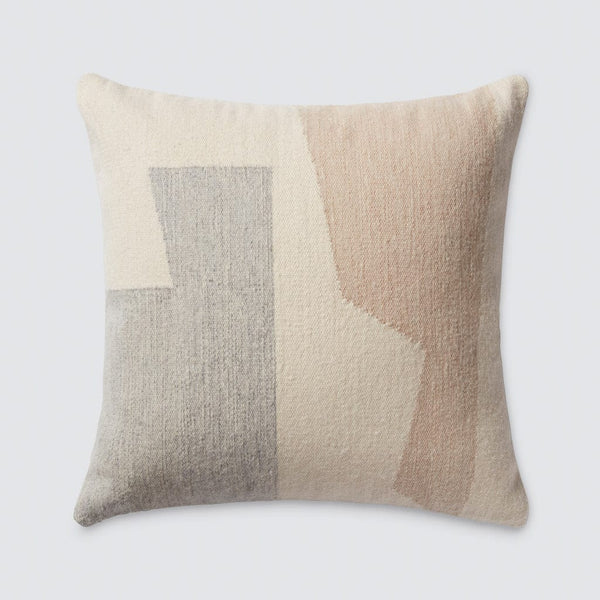
Founded in 2013 by Carly Nance and Rachel Bentley, The Citizenry partners directly with artisan communities in Morocco, Peru, India, and elsewhere to create home goods that carry the specificity of their making. A handwoven wool throw from the highlands of Peru. A hand-hammered brass bowl from a Jaipur workshop. The cottagecore connection is the insistence on handmade over mass-produced — and the visible quality that comes with it.

Enter Store

About This District

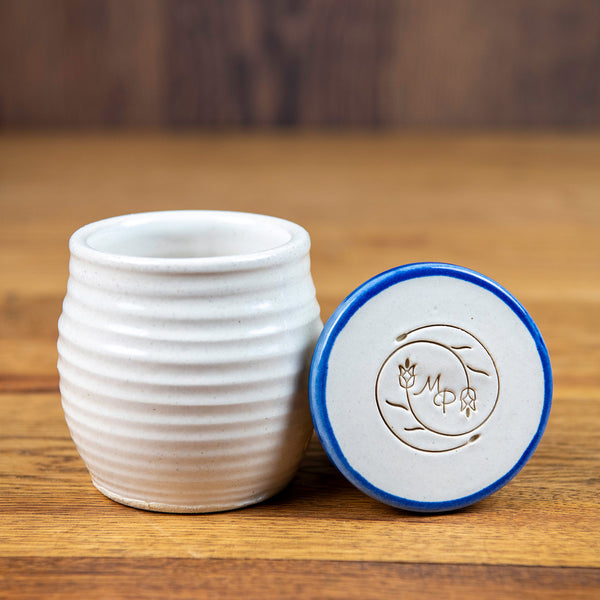
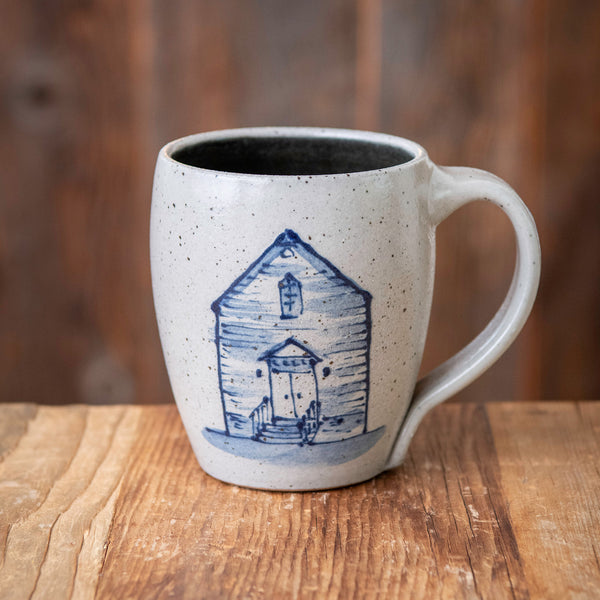
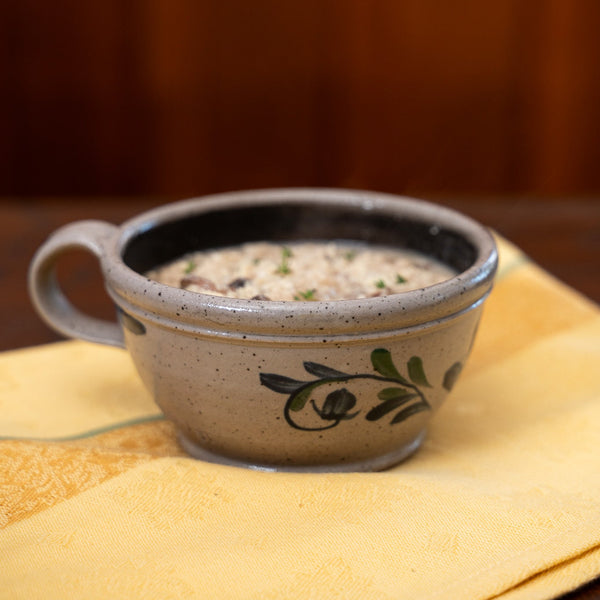
Shopping for cottagecore home decor brands is different from buying into a trend — the best pieces here are things you'll still love in fifteen years because they were never really about a trend to begin with. The aesthetic draws from a long tradition of nature-forward British and American country design: William Morris's botanical repeats, Shaker utility, the Arts and Crafts movement's insistence that handmade objects carry meaning. When building a room with a cottagecore sensibility, start with textiles. Linen is the foundational fabric — it wrinkles beautifully, softens with age, and looks good in every light. Look for brands that source natural-dyed or undyed linen rather than digitally printed synthetic blends. From there, layer in ceramics with an organic quality: slight variations in glaze, hand-formed rims, visible throwing marks. These are the pieces that make a shelf feel lived-in. Botanical prints work best when they're specific. A generic 'floral pattern' reads flat; a hand-illustrated rose hip or blackthorn illustration reads as something studied and loved. Rifle Paper Co. has built an entire brand around Anna Bond's botanical illustration style — it's recognisable, but for good reason. House of Hackney takes that sensibility to wallpaper-scale, which is committed in the best possible way. For cottagecore home decor, the restraint principle matters: a room full of cottagecore pieces looks themed; a room with a few considered ones looks like someone actually lives there.