Mint Districts Fashion

Dopamine Dressing Brands Worth Knowing

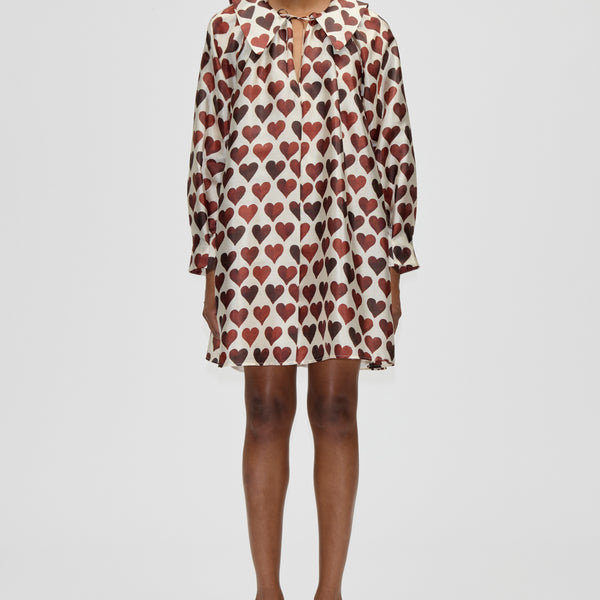
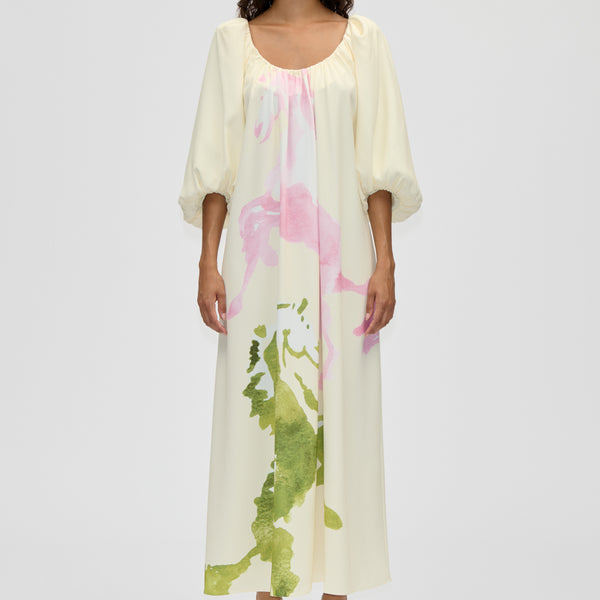
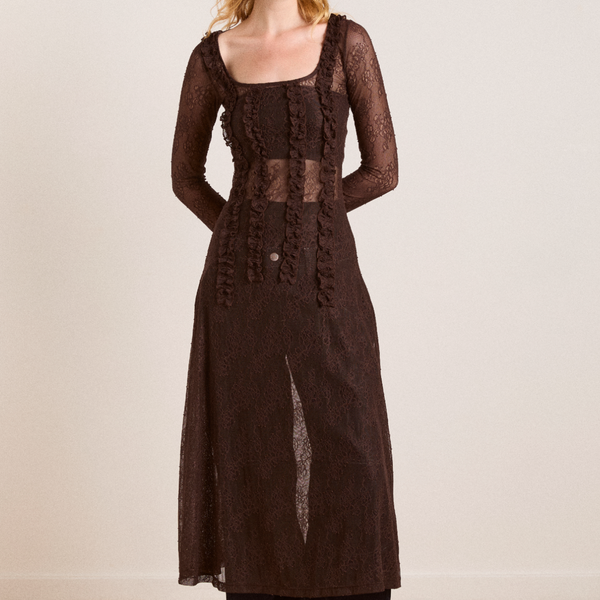
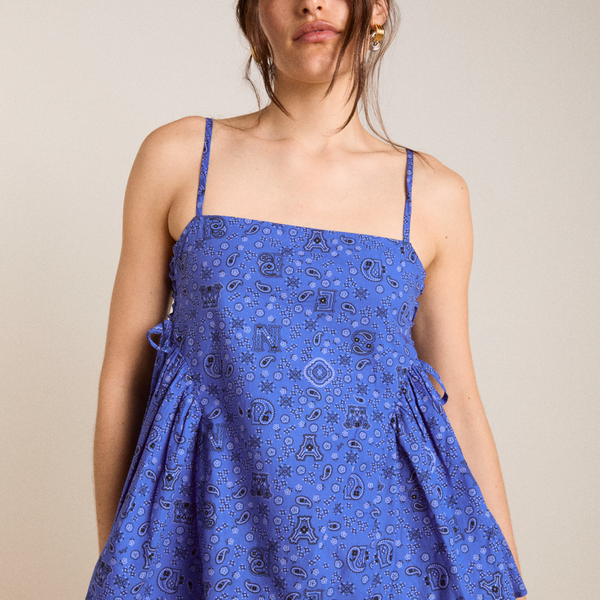
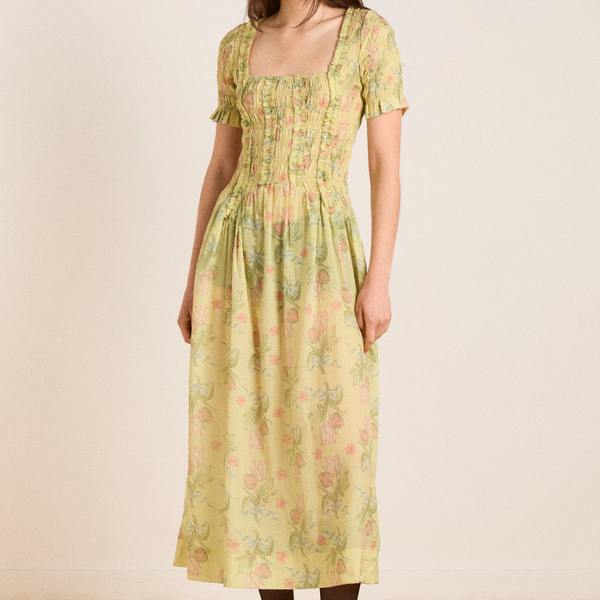
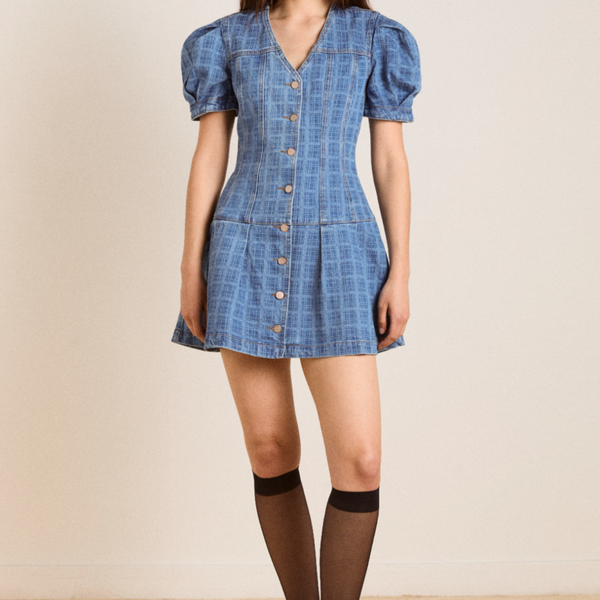
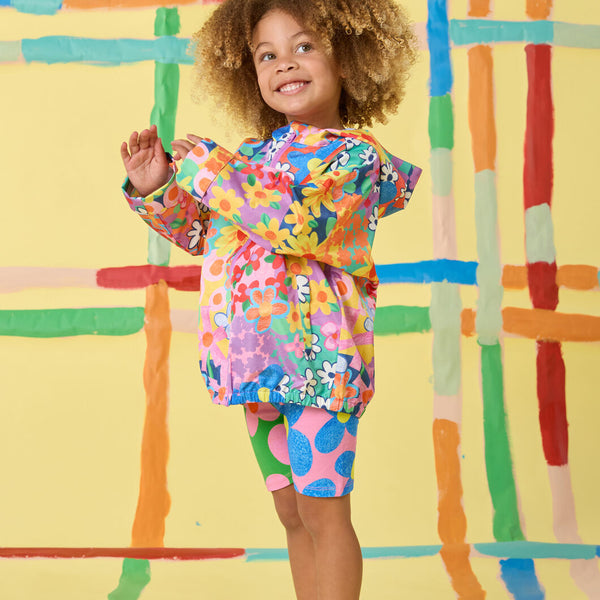
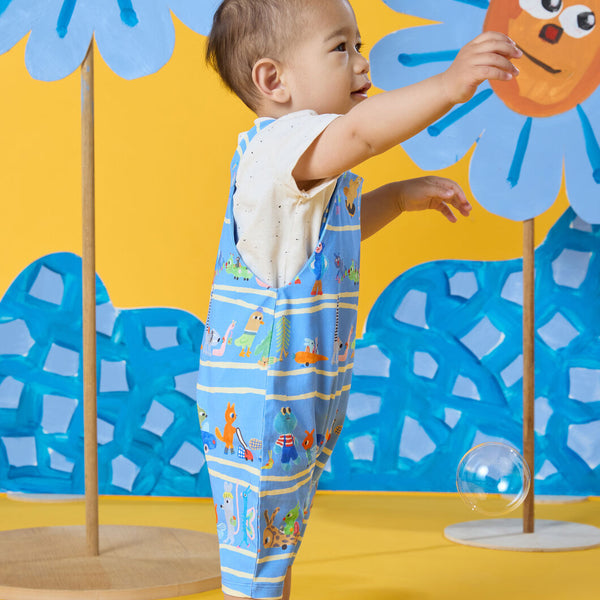
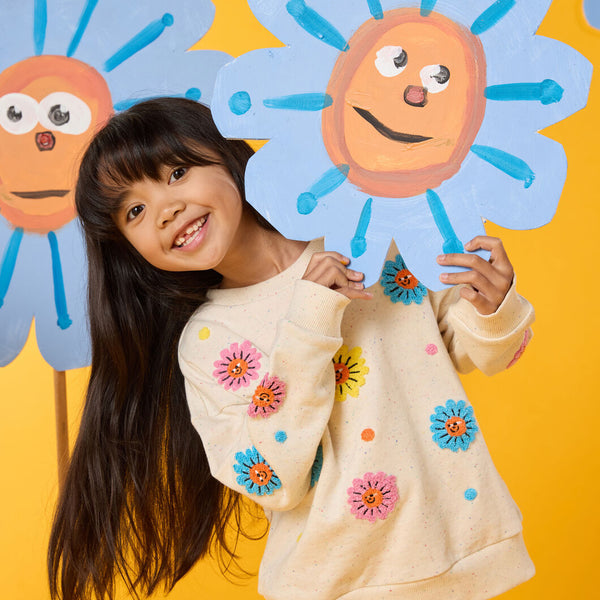
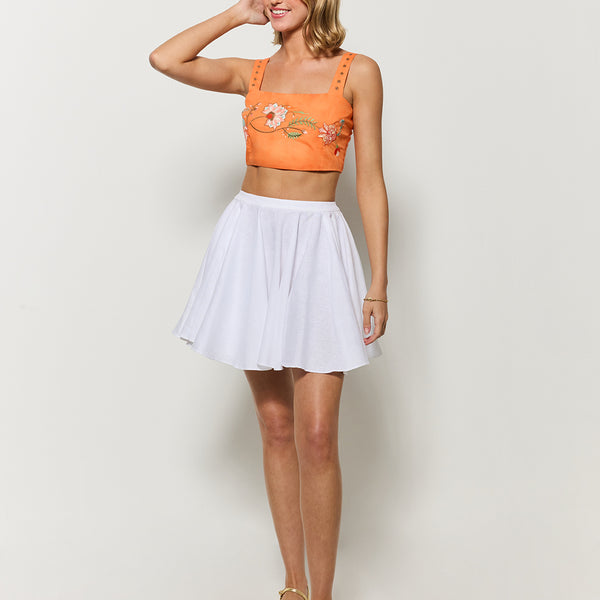
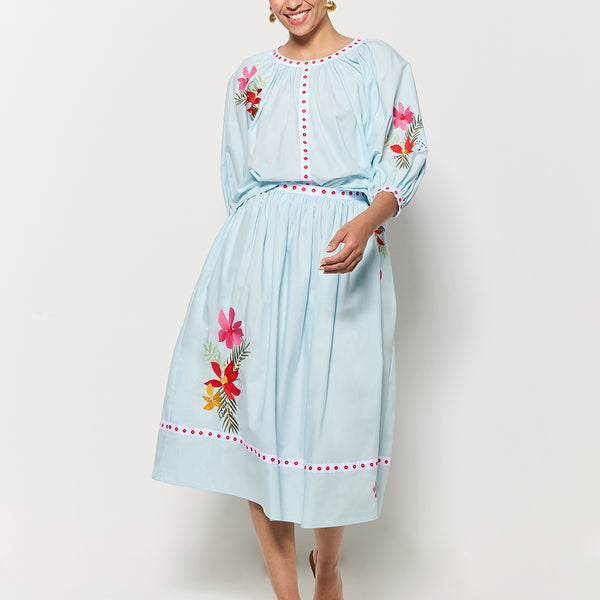
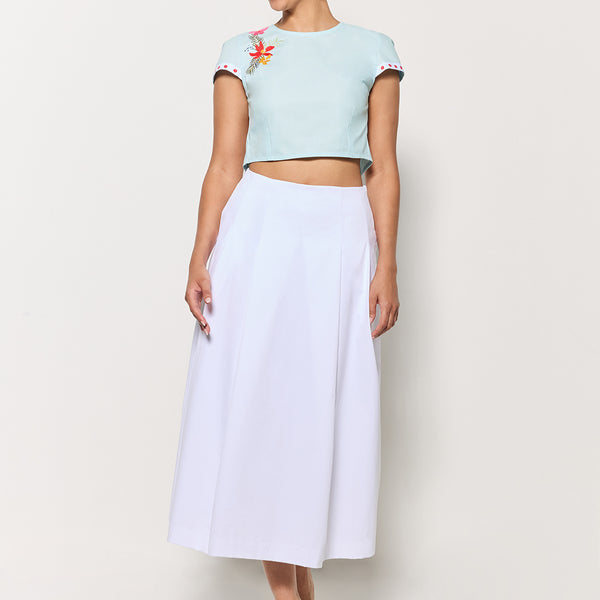
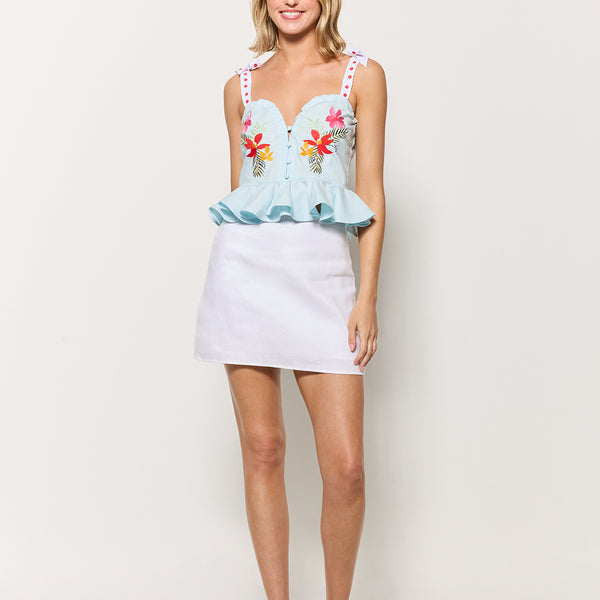
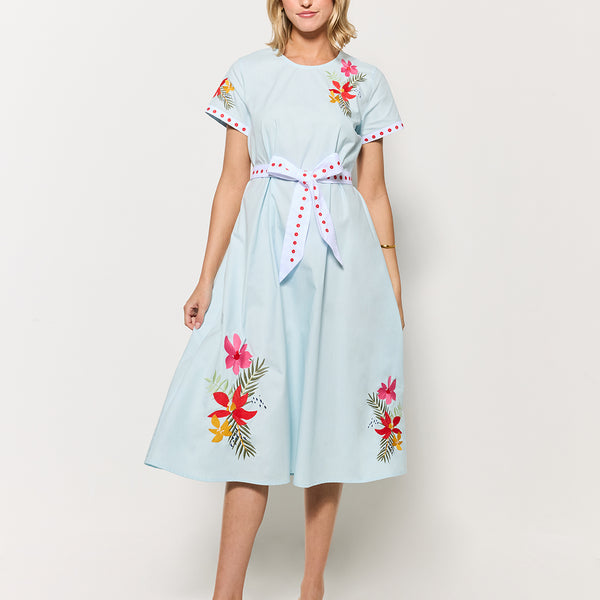
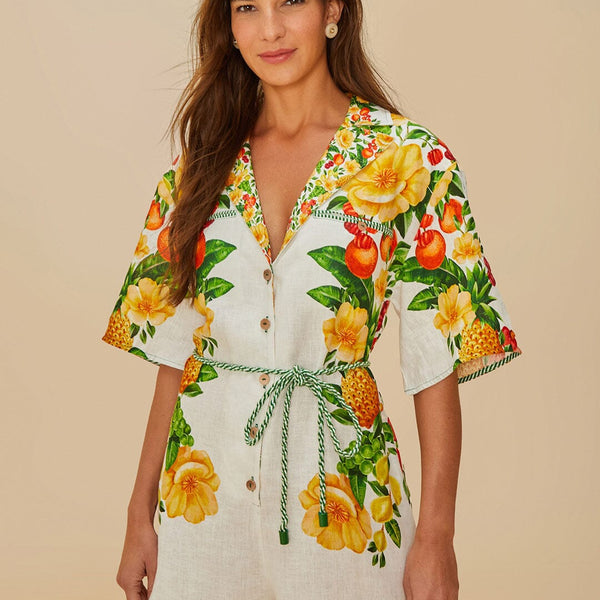
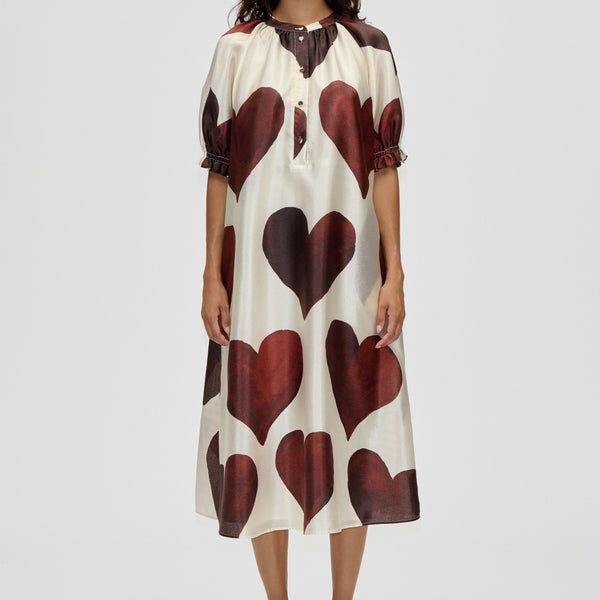
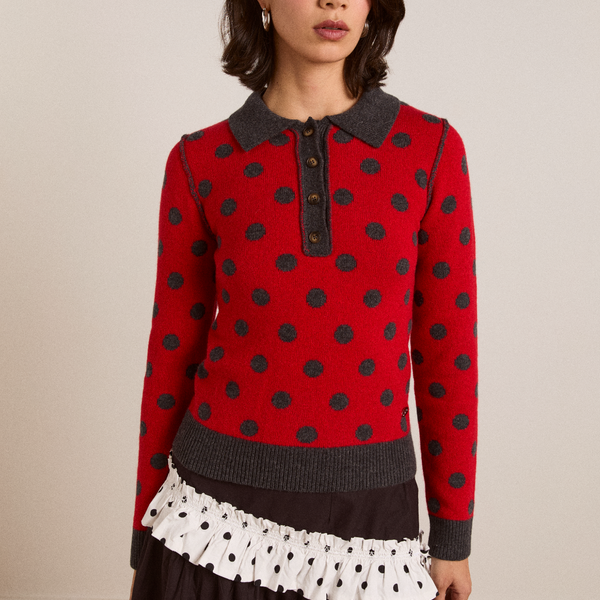
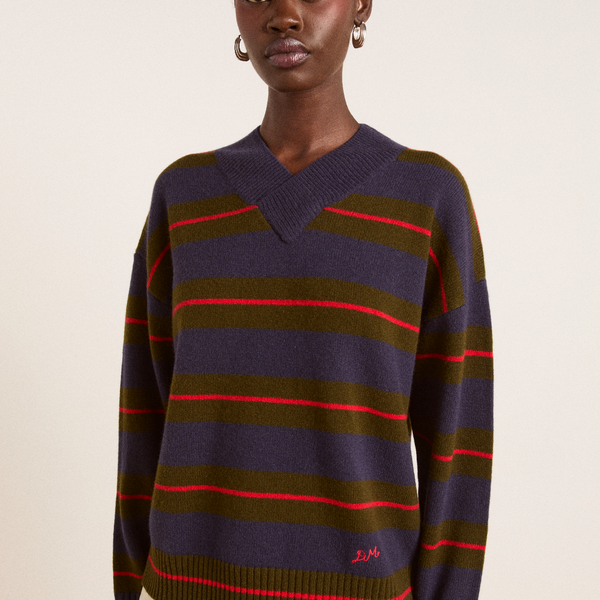
Dopamine dressing is not a trend — it's a declaration. The moment you put on a cobalt blue midi covered in tropical flowers or a silk dress printed with artichokes and polka dots, something shifts. Your posture changes. Someone on the bus tells you they love your outfit. The brands in this district are true believers: not the department store version of 'fun,' not a sad floral from a fast fashion site, but labels with a genuine, irreplaceable point of view on color, print, and the pure joy of getting dressed. The opposite of quiet luxury. The antidote to greige.

Stine Goya

Fashion

Copenhagen prints that pioneer color, individuality, and joyful maximalism.

Danish designer Stine Goya founded her eponymous label in 2006, making her debut at Copenhagen Fashion Week in 2007 after graduating from Central Saint Martins. She's credited with pioneering the Copenhagen color-and-print aesthetic that the rest of the fashion world now chases: think oversized poppies on silk, geometric flowers in electric chartreuse and coral, textures that beg to be touched. The brand works with Danish artists and is built around a sustainability-forward production model — empowering prints, not disposable ones.
Enter Store

Damson Madder

Fashion

Colorful, quirky dresses from a small Camden studio that actually cares.
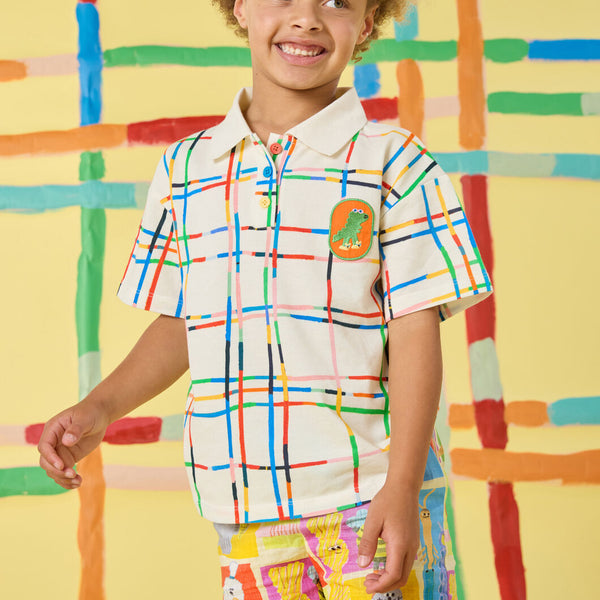
Named after the natural dyes the founders first experimented with — damson (plum) and madder (a flowering plant) — Damson Madder is a proudly female-led brand run from a studio in Camden, North London. Designer Abi Hill releases limited drops of 15–35 styles to minimize excess stock, using organic cotton and recycled fabrics throughout. The result is a cult following of women who love dopamine dressing but want it built on something real, not greenwashed.

Enter Store

Rixo

Fashion

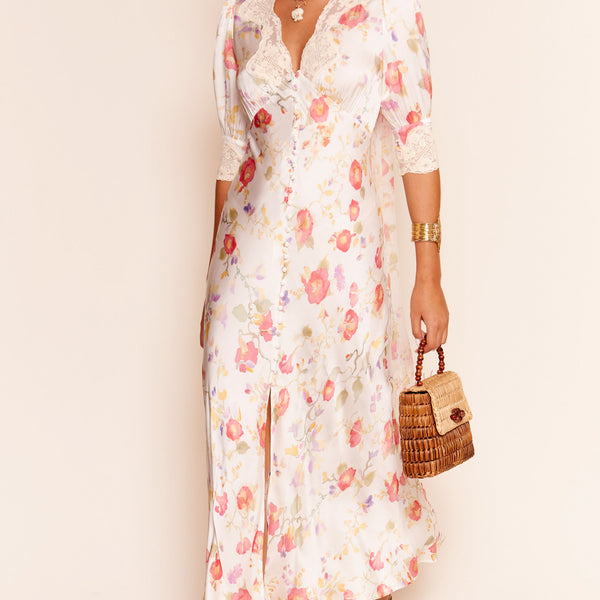
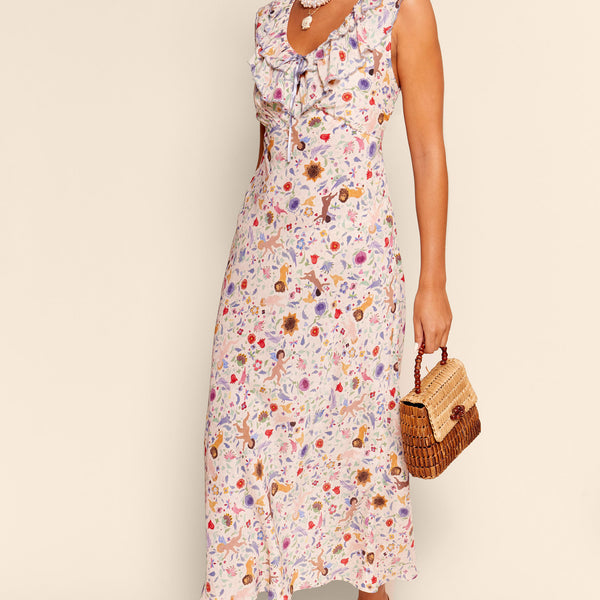
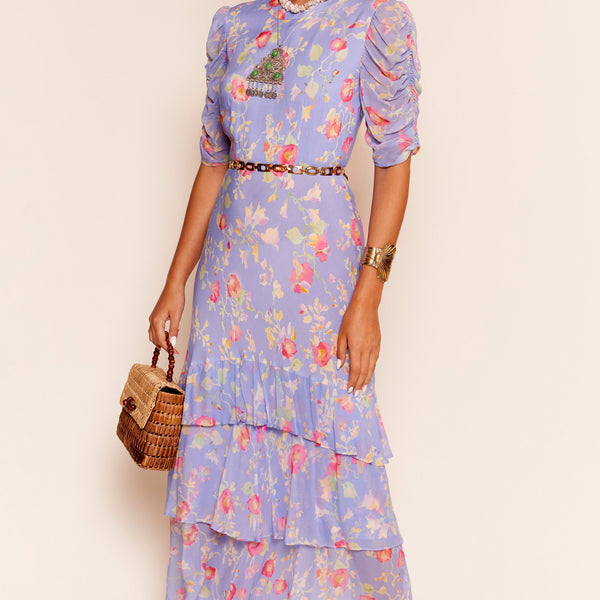
Hand-painted prints, vintage-inspired silhouettes, born from London best-friends.
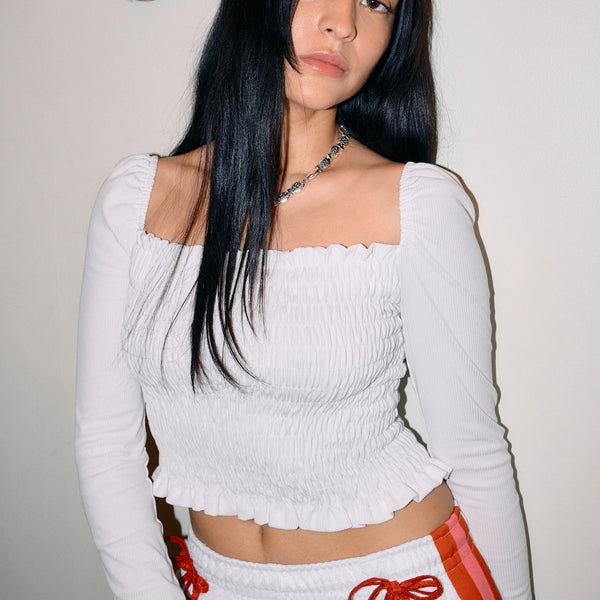
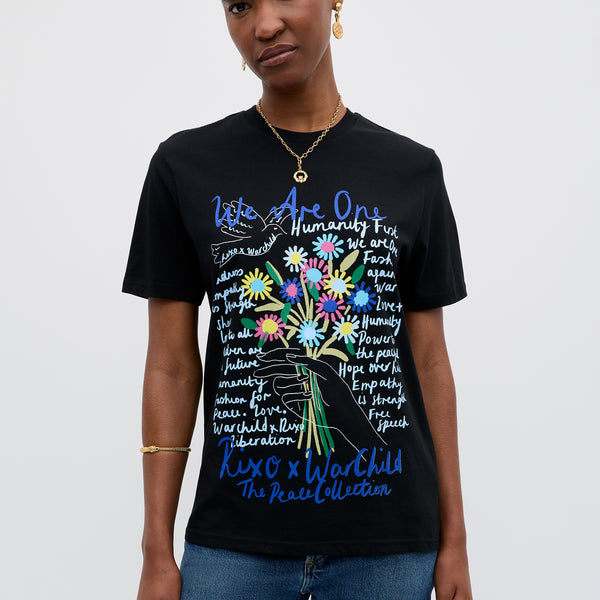
Founded by best friends Henrietta Rix and Orlagh McCloskey, Rixo began in 2015 with a shared obsession with vintage clothing and the belief that those shapes and fabrics should be reinterpreted for how women actually live today. Orlagh creates all original prints by hand in their London HQ — a detail that explains why Rixo prints feel genuinely different from anything generated by a trend report. Ten years in, they remain independent and consistently the most-photographed brand at Copenhagen and London Fashion Weeks.
Enter Store

Farm Rio

Fashion

Brazilian color, tropical prints, and the carioca spirit since 1997.

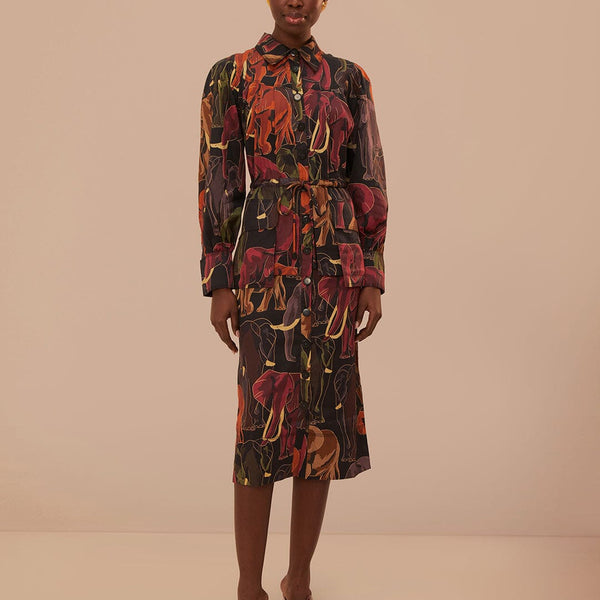
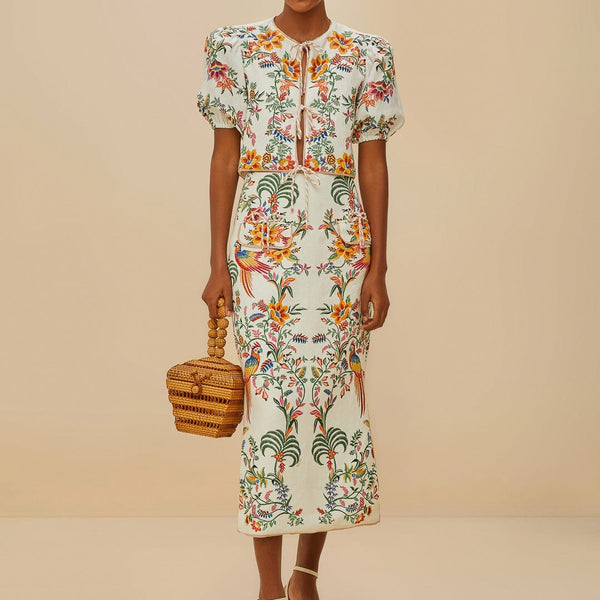
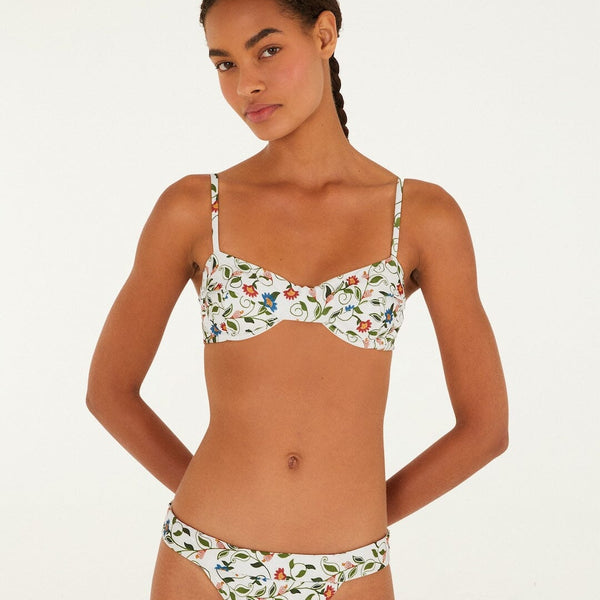
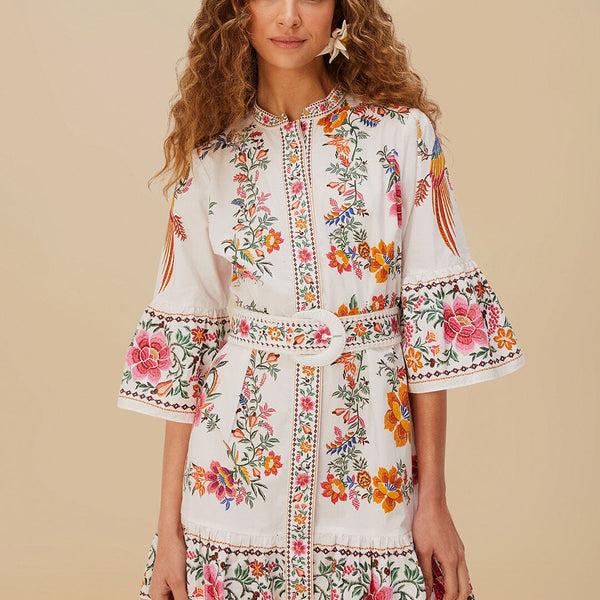
Co-founders Kátia Barros and Marcello Bastos started FARM in 1997 selling colorful bodysuits at a local fashion market in Rio de Janeiro — recovering from a failed previous venture with nothing but some bright fabric and an instinct. What grew from that market stall is Brazil's most beloved fashion brand: lush floral prints, hand-drawn motifs, shades of mango and cerulean and hibiscus that feel genuinely lifted from the Carioca landscape. They work with local Brazilian designers and have remained committed to responsible production as they've scaled internationally.

Enter Store

Gorman

Fashion

Australian fashion icon built on artist collabs, bold prints, and local color.

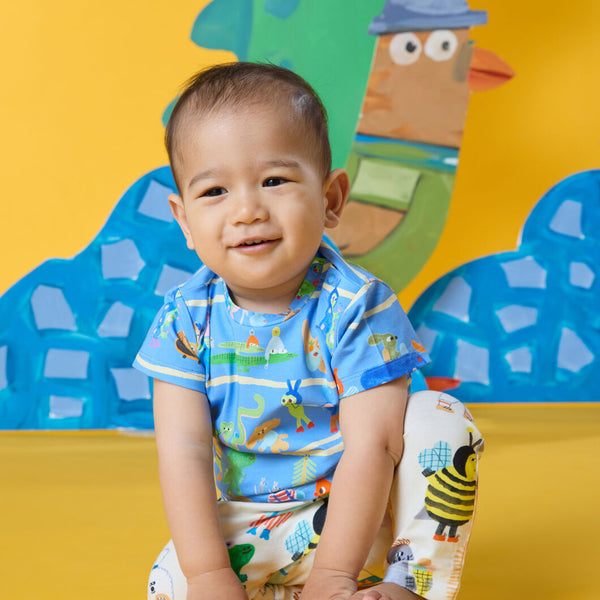
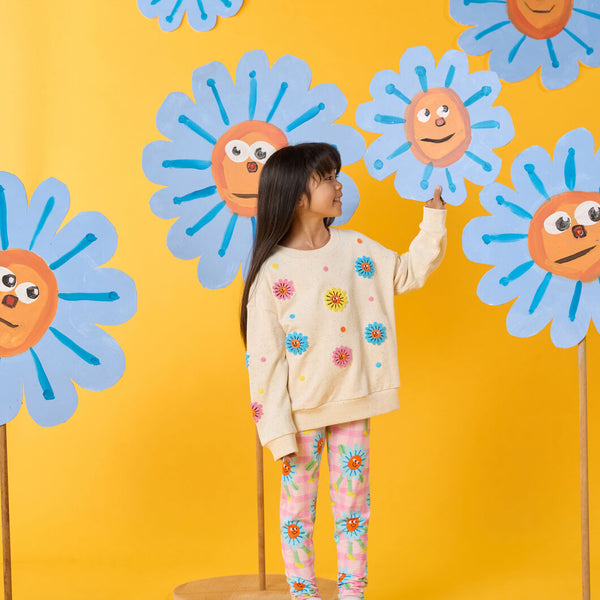
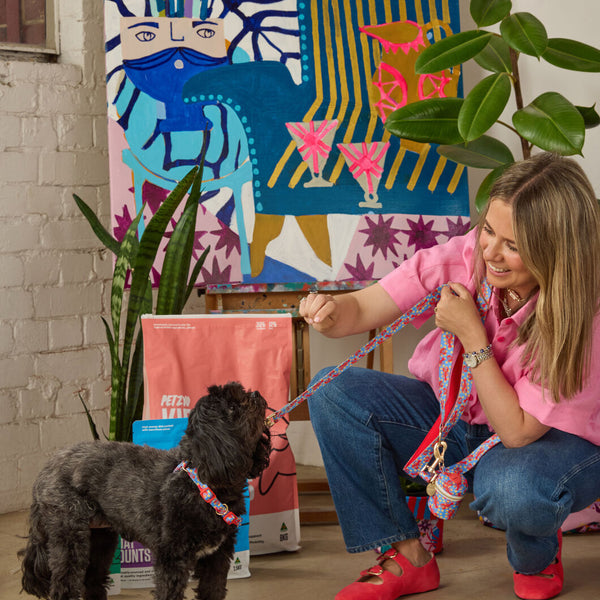
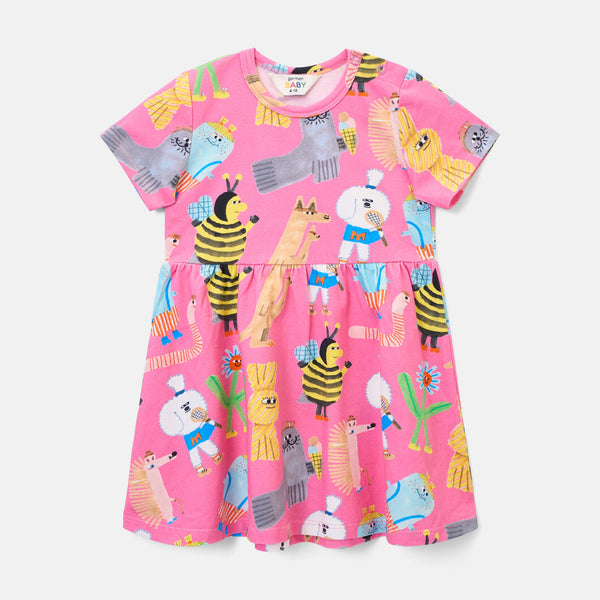
Founded by Lisa Gorman in Melbourne in 1999, Gorman built its identity around exclusive artist collaborations and prints that feel more like wearable art than fashion product. Lisa launched the brand at a boutique in Prahran before building it into a national icon with over 50 stores. The brand's ongoing artist partnership program — where every season features print collections designed by specific visual artists — keeps Gorman's output genuinely varied and collector-driven.

Enter Store

Lisa Says Gah

Fashion

San Francisco indie boutique celebrating female designers and joyful dressing.

Lisa Bühler launched Lisa Says Gah in 2014 as an anti-fast-fashion shop — an online boutique dedicated to independent female designers making small-batch, ethical clothing. The name captures the feeling exactly: that involuntary exclamation when you see something that genuinely delights you. What started as a curated shop expanded into Lisa Says Gah's own in-house collections, which lean heavily into color, texture, and the kind of playful embellishment the brand's community actively seeks out.

Enter Store

Fanm Mon

Fashion

Haitian heritage, handcrafted embroidery, and unapologetically celebratory color.

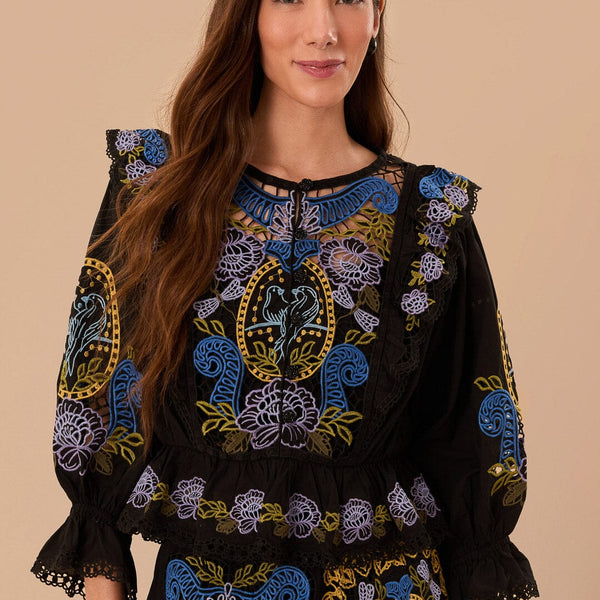
Launched in 2013 by Haiti-born designer Sophia Demirtas as an ode to Haitian couture and heritage, Fanm Mon (Haitian Creole for 'mountain woman') produces colorful, heavily embroidered pieces that are handcrafted using artisanal techniques. Sophia started by making jewelry as a new mother in a new country, unable to find the pieces she wanted — the brand evolved from there into a luxury ready-to-wear label that treats embroidery and color as a form of cultural storytelling.

Enter Store

Rachel Comey

Fashion

New York-designed clothes with a designer's eye for print and structure.

Rachel Comey has been designing out of New York since 2001, building a devoted following for her approach to color and print that is sophisticated without being safe — Italian jacquards, unexpected texture combinations, silhouettes that have a distinct cocoon-ish femininity. Her brand exists in interesting tension with dopamine dressing: not maximalist for its own sake, but genuinely committed to garments that create a feeling. The print-focused pieces in her seasonal collections are consistently among the most distinctive in contemporary American fashion.

Enter Store

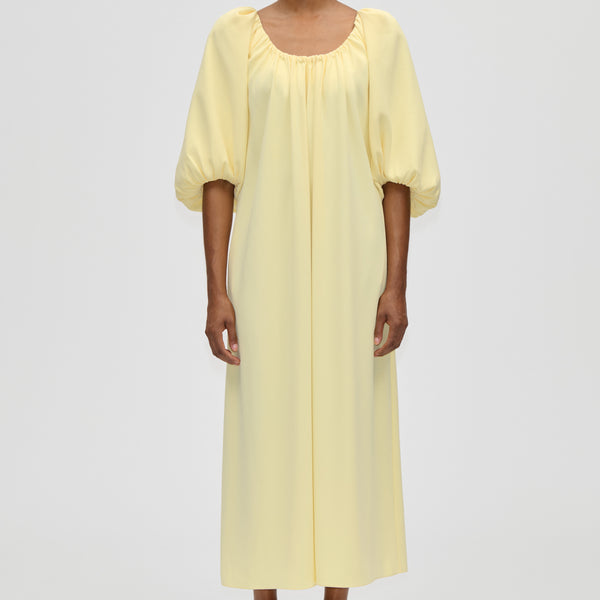
About This District

Shopping for dopamine dressing brands means rethinking what a piece is actually for. The question isn't 'can I wear this to the office' — it's 'will this make me feel something?' That said, there's real craft behind the best of this category, and knowing what to look for separates the genuine article from the imitations. Start with print provenance: the best dopamine dressing brands either commission original artwork or work with in-house designers who treat print as the main event. Rixo co-founder Orlagh McCloskey paints prints by hand in their London studio. Stine Goya collaborates with Danish artists season after season. Prints matter because they're the most labor-intensive element of any garment — and the detail that distinguishes the dress from the one. Next, look at silhouette. The best pieces in this space pair bold print with considered structure — puff sleeves, defined waists, pleated midi lengths that have a point. Bold print is not an excuse for poor tailoring; avoid anything that hides sloppy construction behind pattern. Finally, think fabric. Farm Rio works with responsible linen and cotton; Damson Madder uses organic cotton and recycled materials. Natural and low-impact fibers hold color better, move more beautifully, and photograph like nothing else. When in doubt, buy for the print. If it makes you genuinely happy just to look at it hanging in your closet, that's the point. The dopamine is working.