Mint Districts Fashion

Boutique Running Apparel Brands Like Tracksmith Worth Wearing

The running world split in two about a decade ago. On one side: Nike, Adidas, the mass-market machines. On the other: a wave of independent labels that decided running gear could look as good as it performs. Tracksmith drew the blueprint — understated, built around interval-training culture — but it is hardly the only act worth knowing. From Paris to Brooklyn to Copenhagen, boutique running brands have made serious technical gear for runners who care about the whole package: fabric engineering, design language, and the communities they are built around. These are the labels pushing the category further than it used to go.

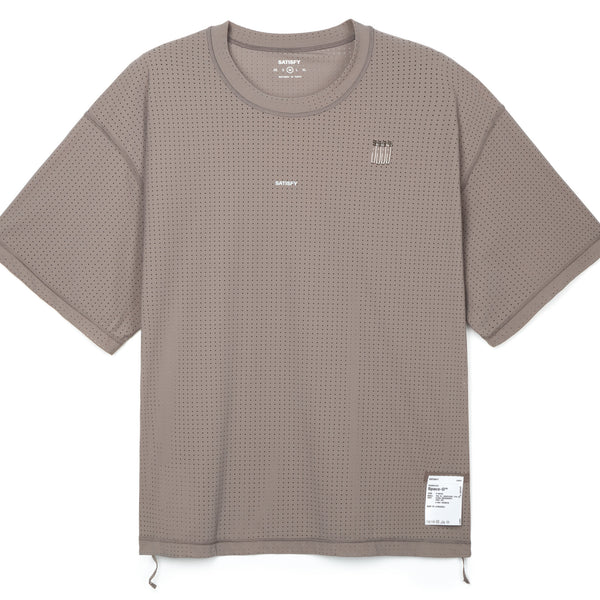
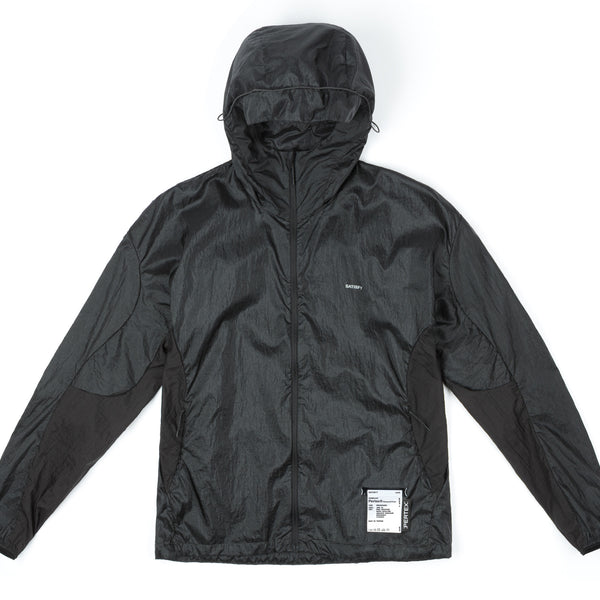
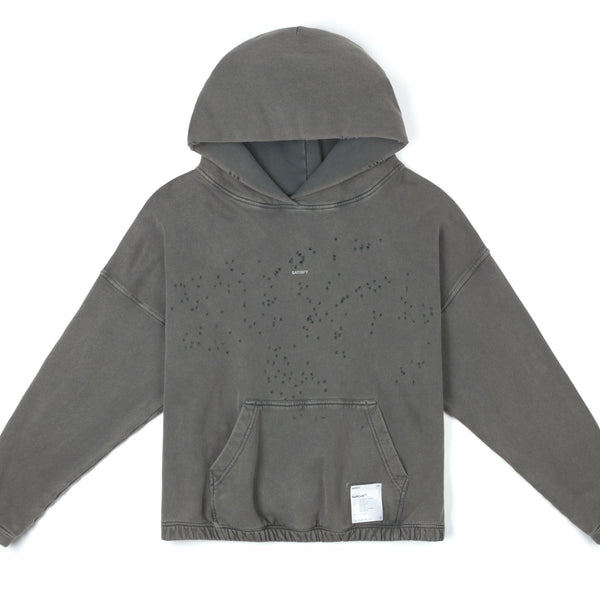
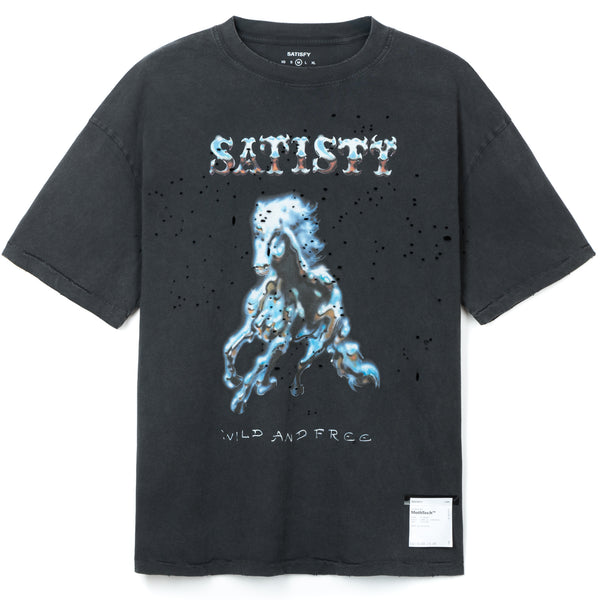
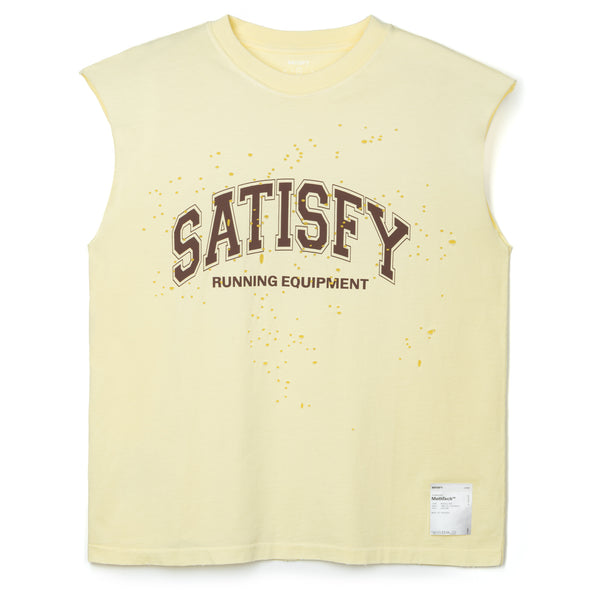
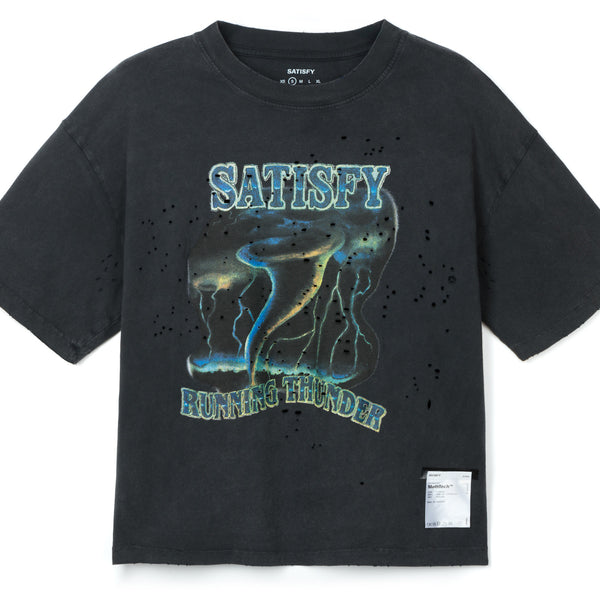
Satisfy Running

Fashion

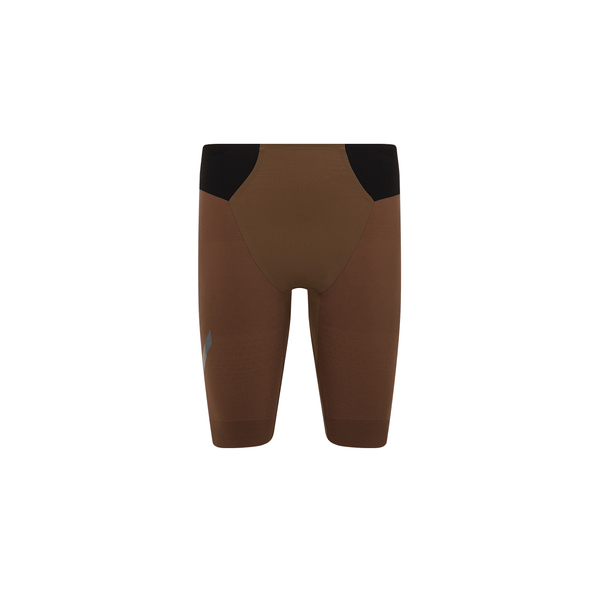
Parisian ultra-running gear built at the intersection of trail and rave.

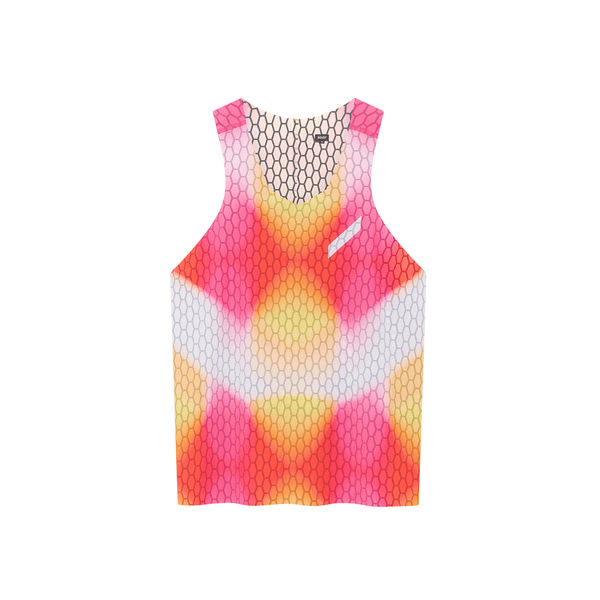
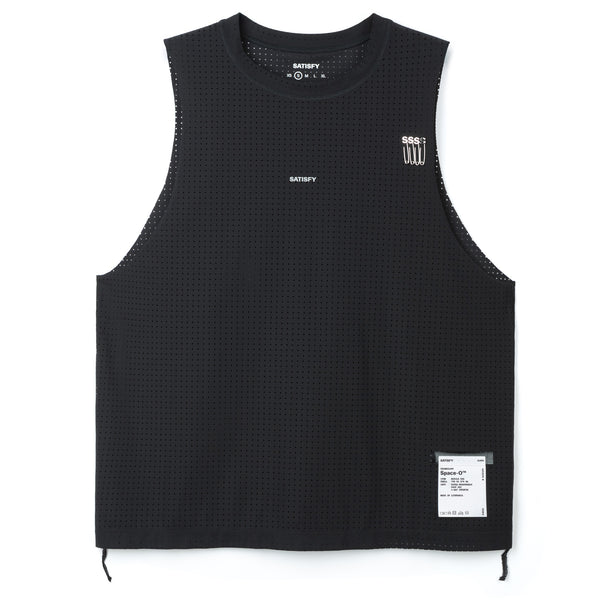
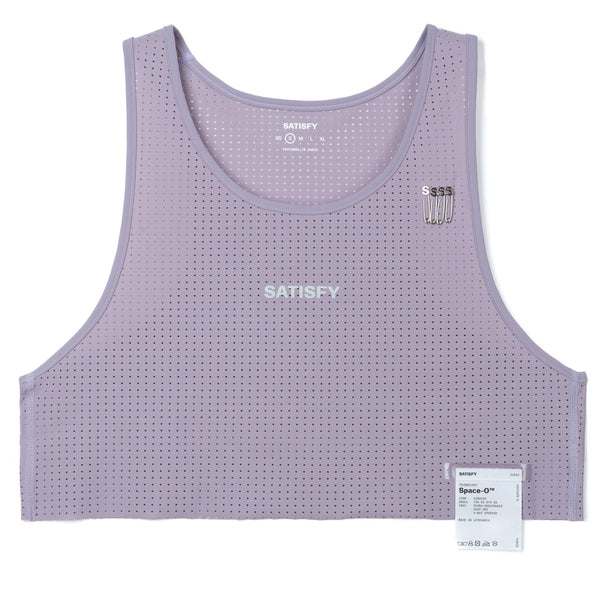
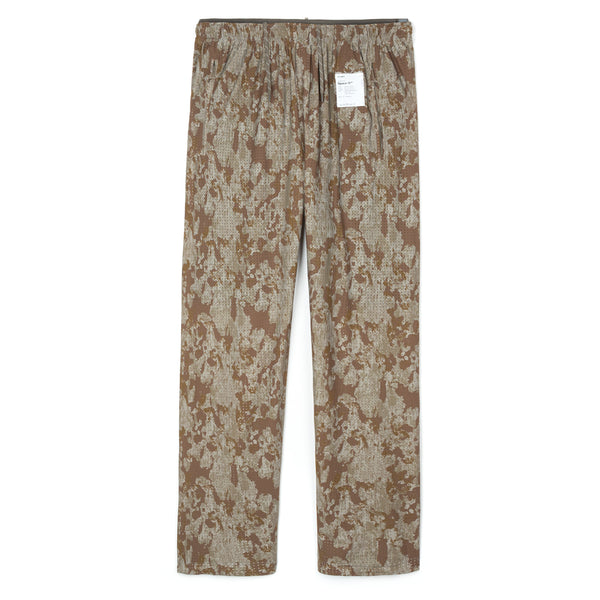
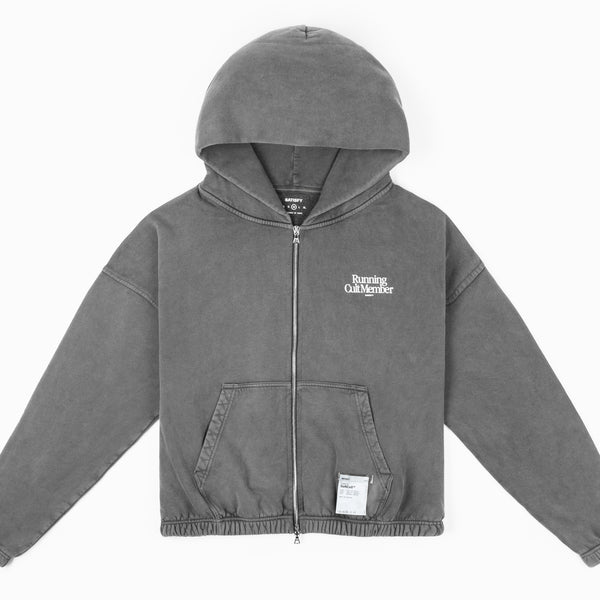
Founded in Paris by Brice Partouche in 2015, Satisfy emerged from the overlap between distance running and rave culture — two pursuits that share more than they let on. Its proprietary CommaToe™ and AMT™ fabrics are unlike anything the major brands produce: ultralight, anti-gravity textiles engineered to move at race pace like a second skin. The brand's in-house magazine, Possessed, made clear from day one that this was about running as a subculture, not a lifestyle brand.
Enter Store

District Vision

Fashion

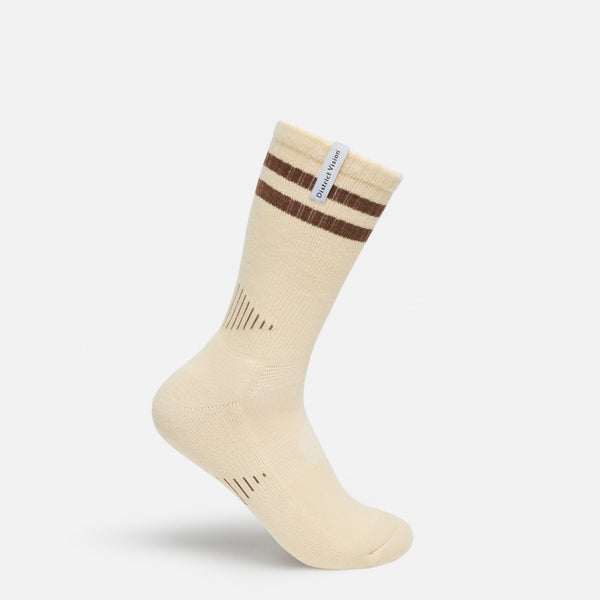
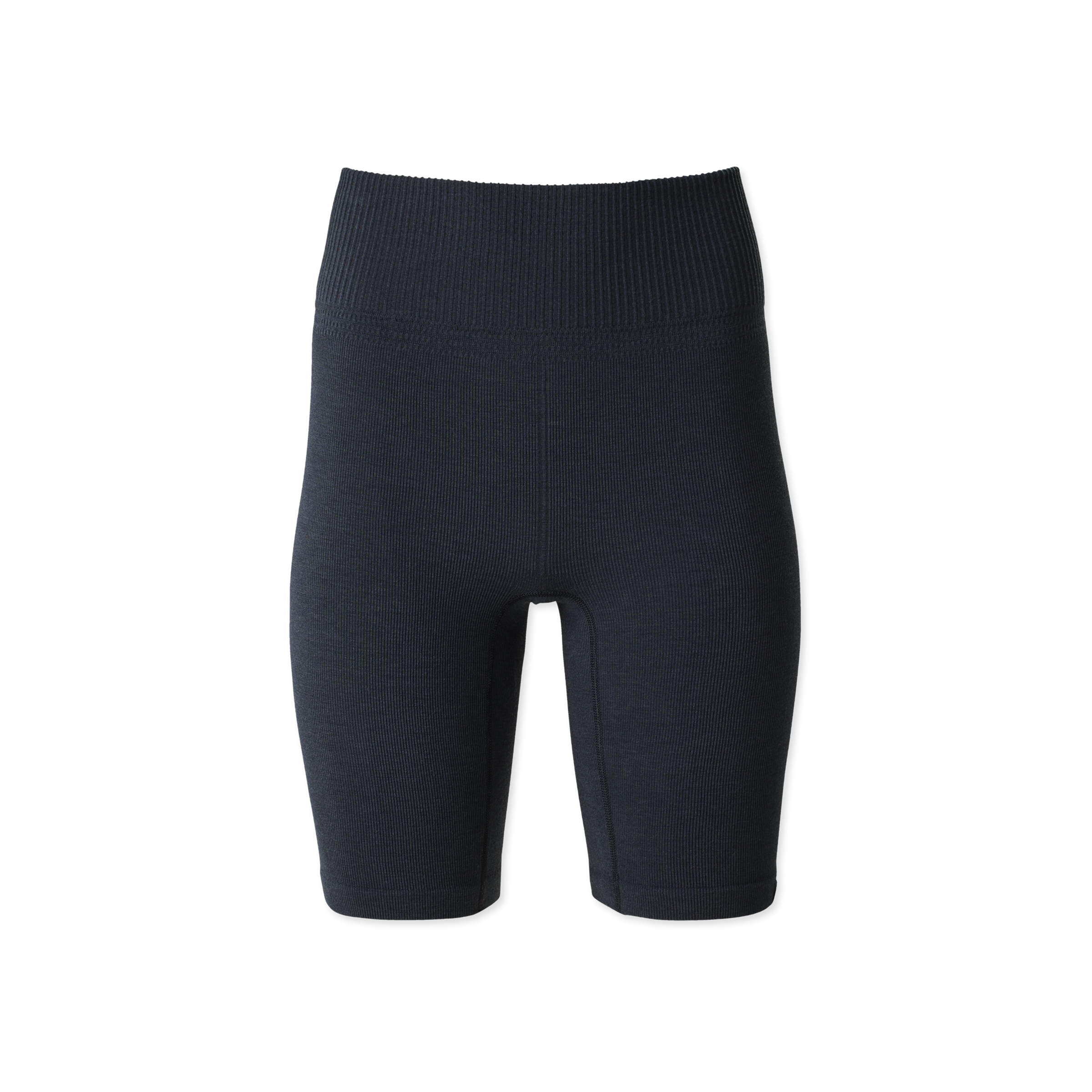
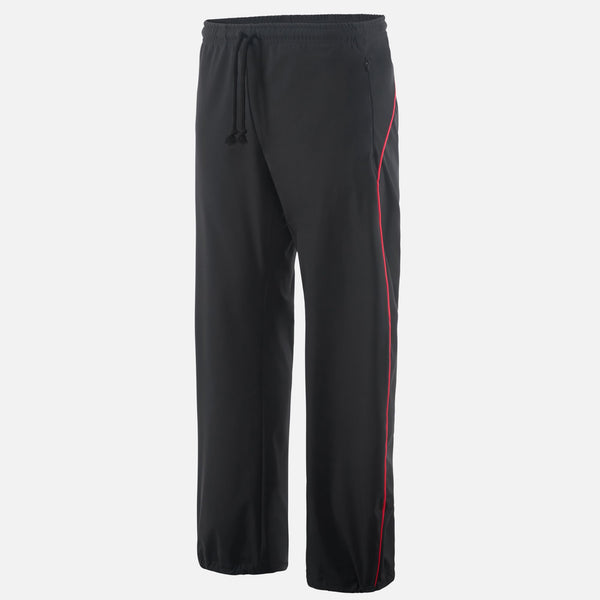
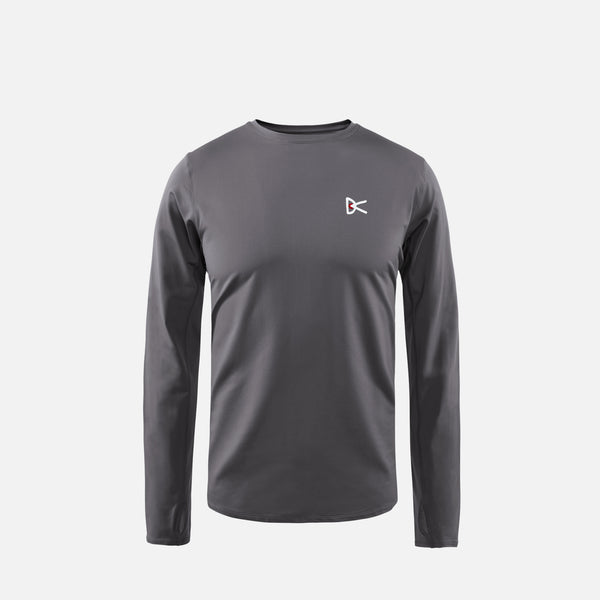
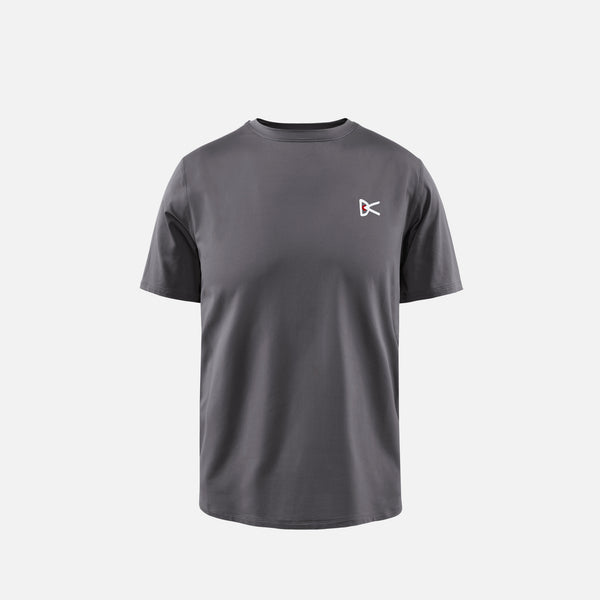
Minimal running kit for runners who treat every mile as meditation.
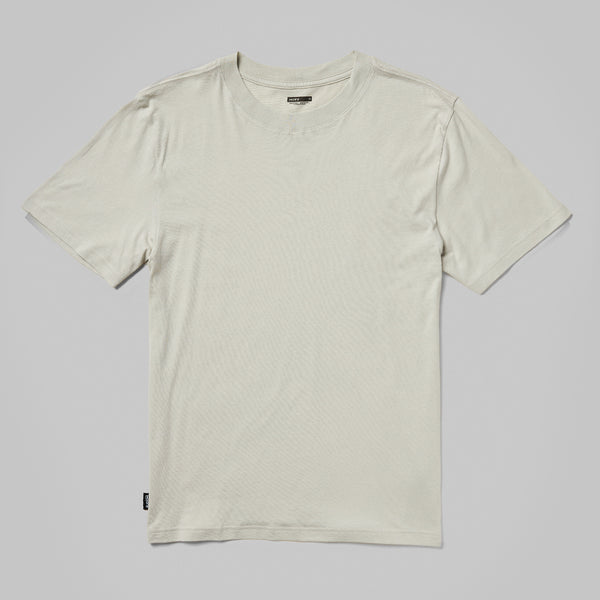
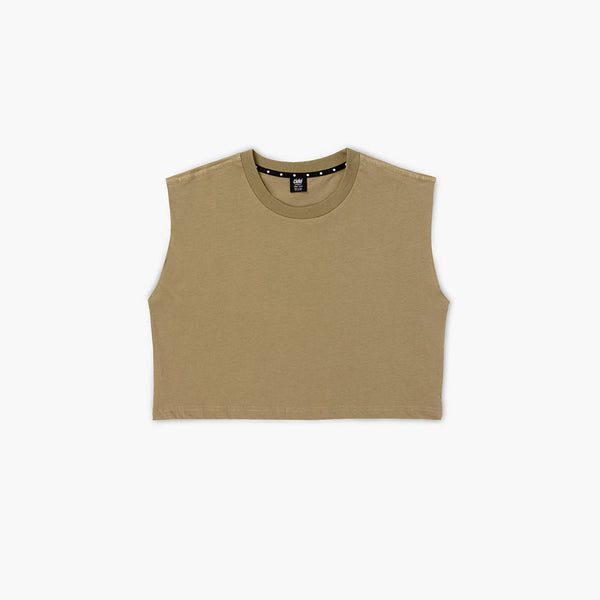
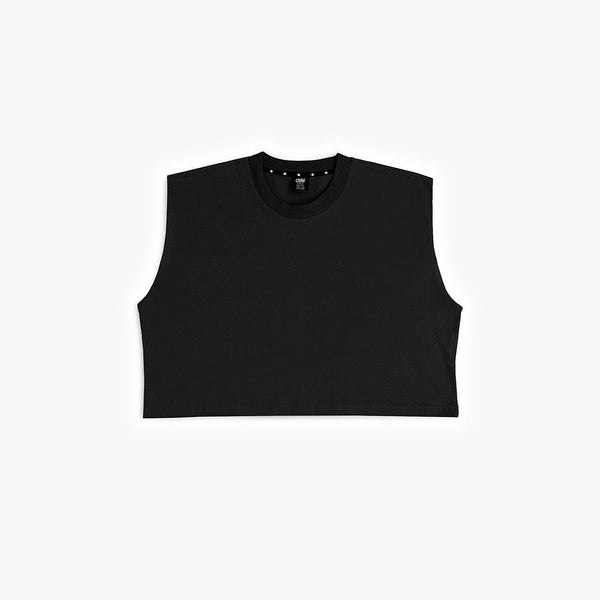
Tom Daly and Nicholas Rombauts founded District Vision in New York in 2015 around a central conviction: running is a meditative practice, not just exercise. The aesthetic is rigorously minimal — no loud logos, no performance theater — and the technical construction matches that restraint. Every piece is designed to disappear into the run, which paradoxically makes the gear deeply distinctive on any road or track.

Enter Store

Rabbit

Fashion

Female-founded California running apparel cut for women who actually run.

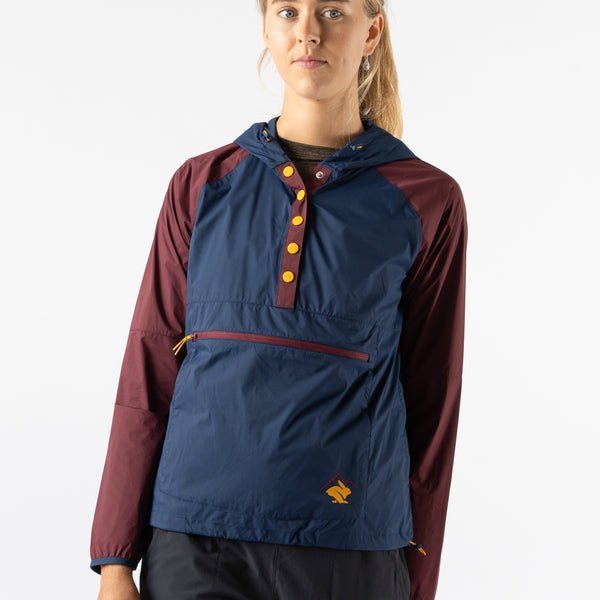
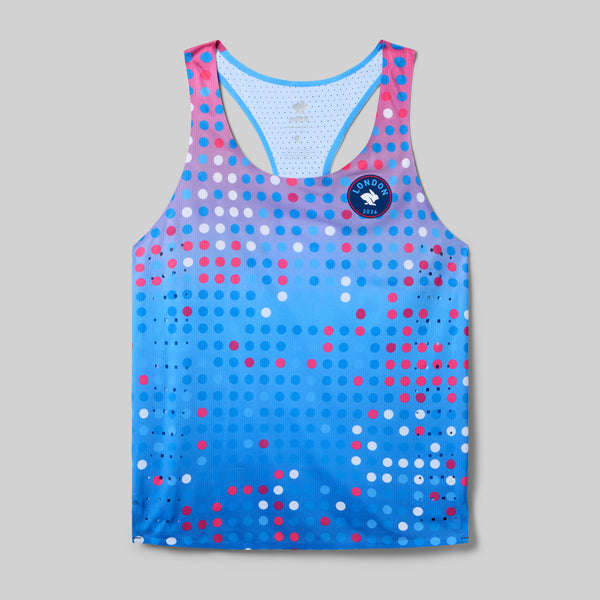
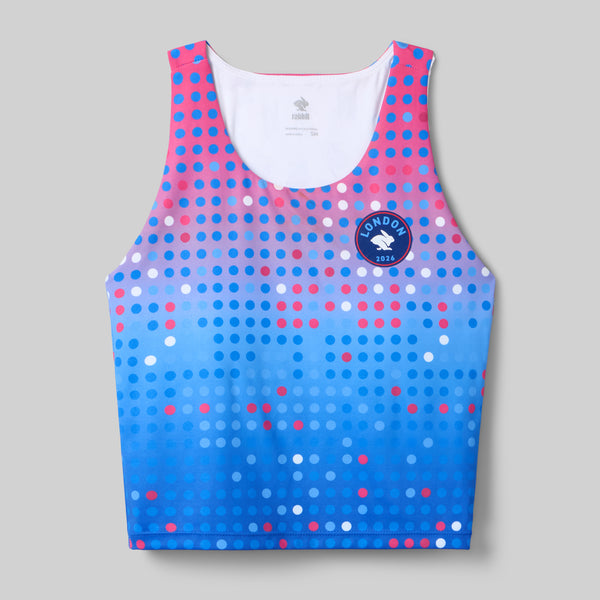
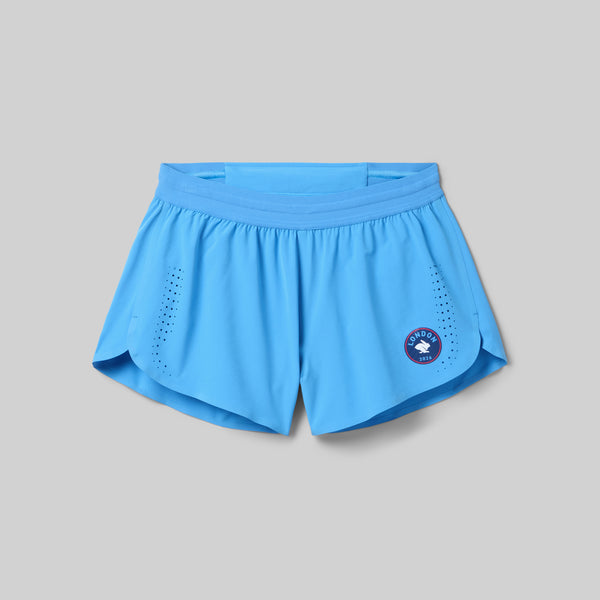
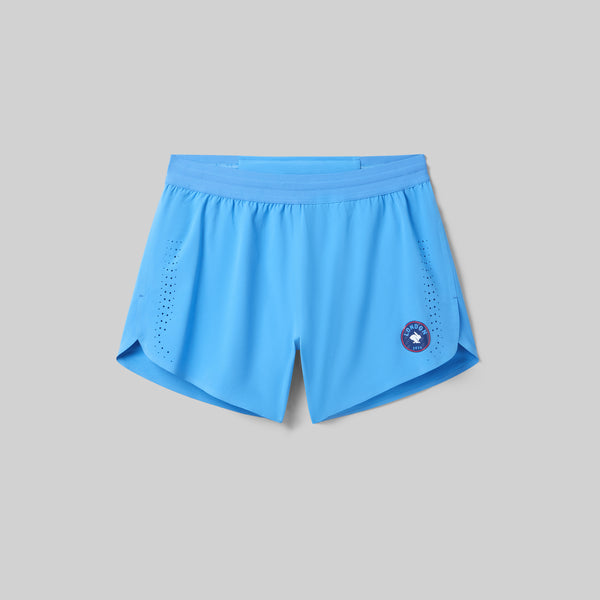
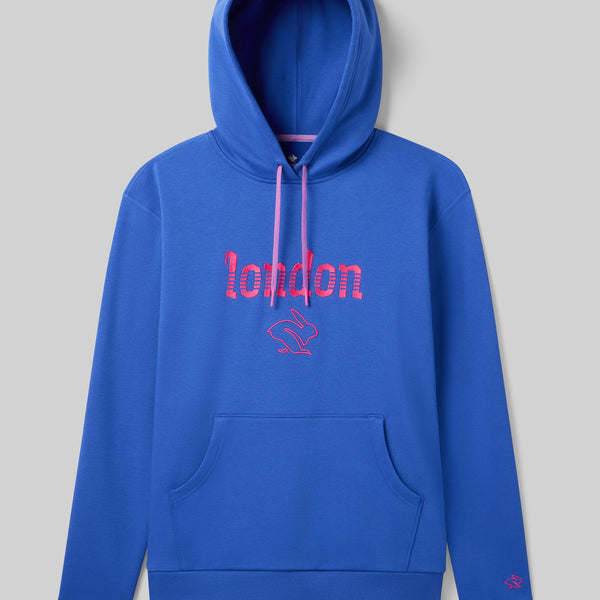
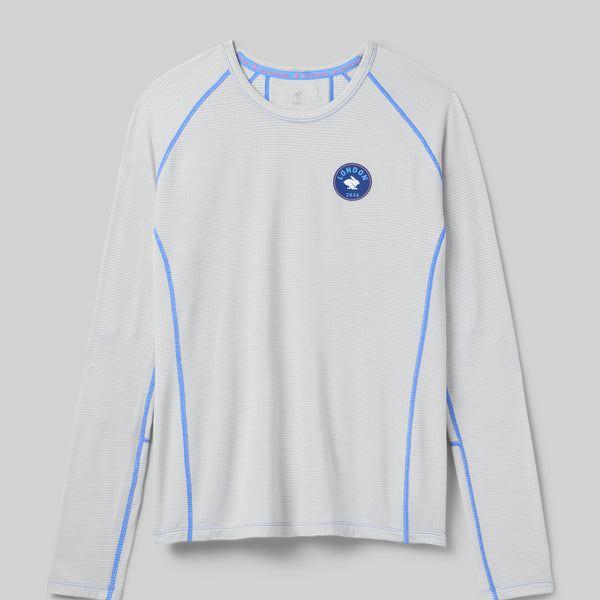
Monica DeVreese and Jill Deering launched Rabbit in 2014 in Santa Barbara after years of running in gear designed by men for men. The result was a brand engineered specifically around women's running bodies — proportional cuts, smart pocket placement, and California-bright colorways that do not apologize for being joyful. Rabbit sponsors one of the largest ambassador rosters in boutique running, spanning elite athletes and recreational runners alike.

Enter Store

Janji

Fashion

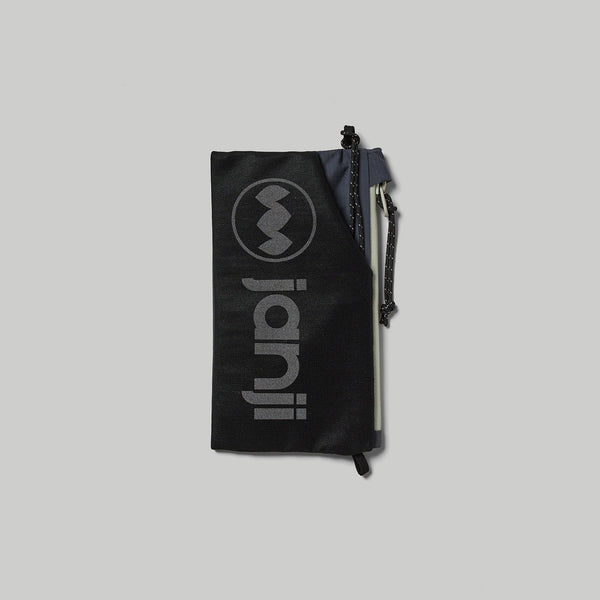
Clean performance running gear that funds global clean water access.

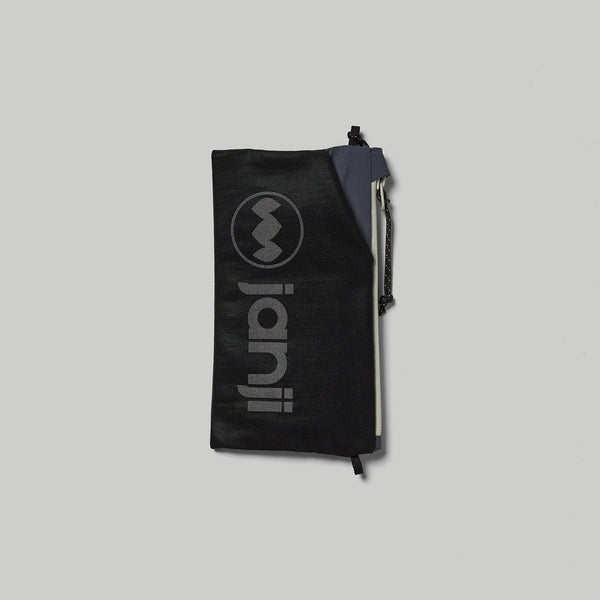
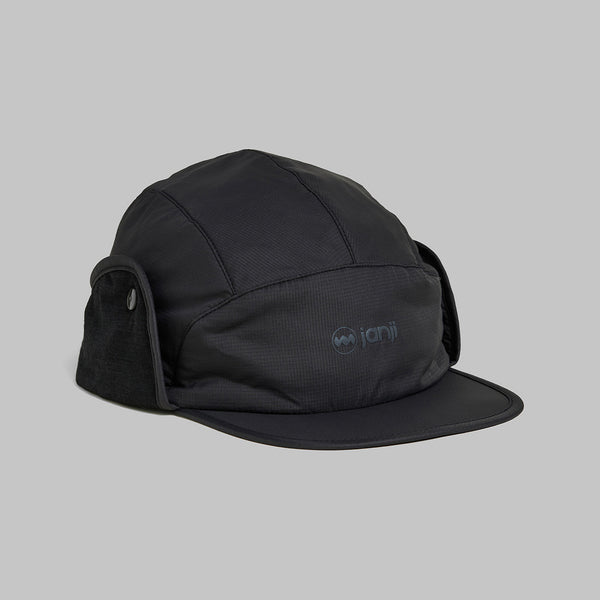
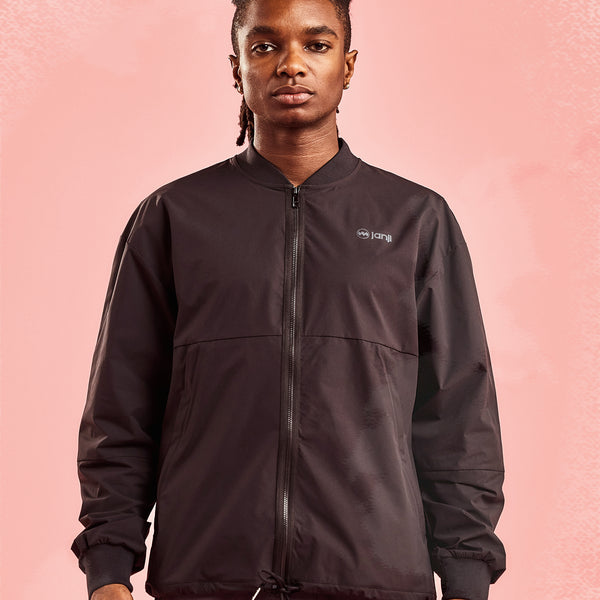
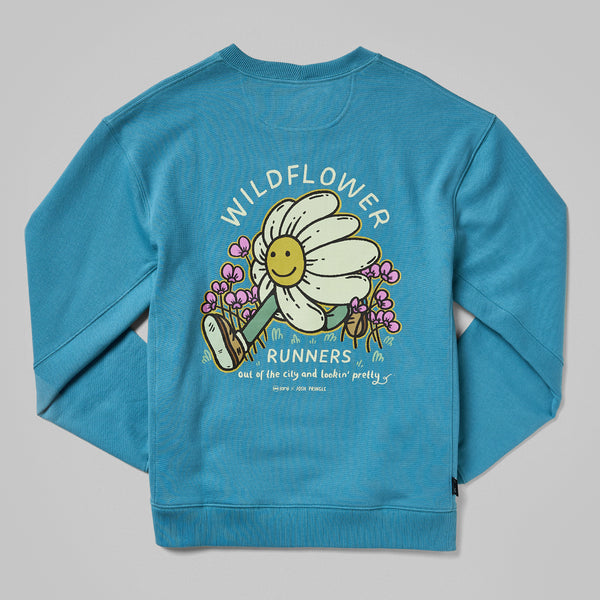
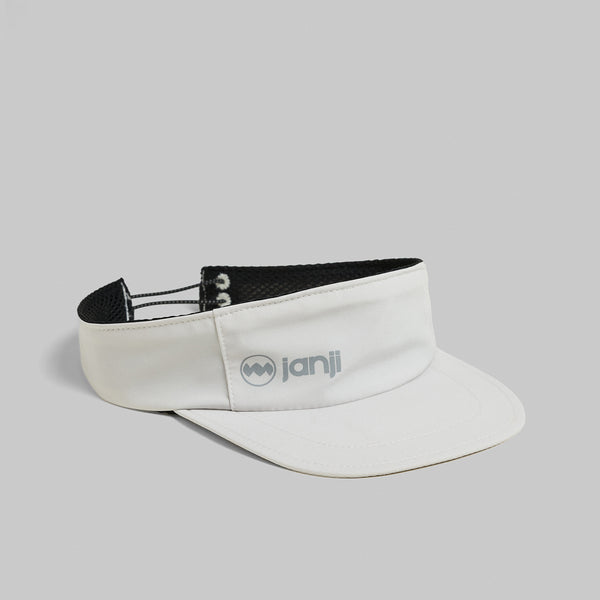
Mike Burnstein and Dave Spandorfer started Janji in Boston in 2012 on the premise that running gear could connect athletes to the countries that inspire each collection — with a percentage of every sale funding clean water projects. The gear itself is technically strong and deliberately restrained: built for runners who want versatile, high-performance kit without the graphic overload that defines most of the industry.

Enter Store

Bandit Running

Fashion

NYC running culture translated into meticulous, community-built performance gear.

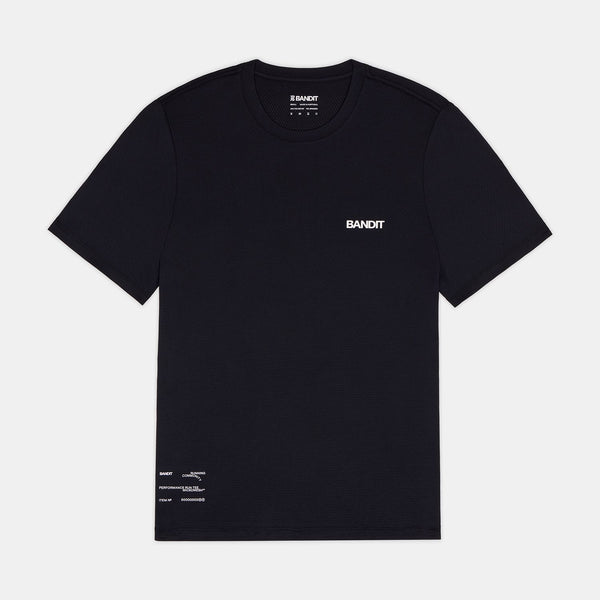
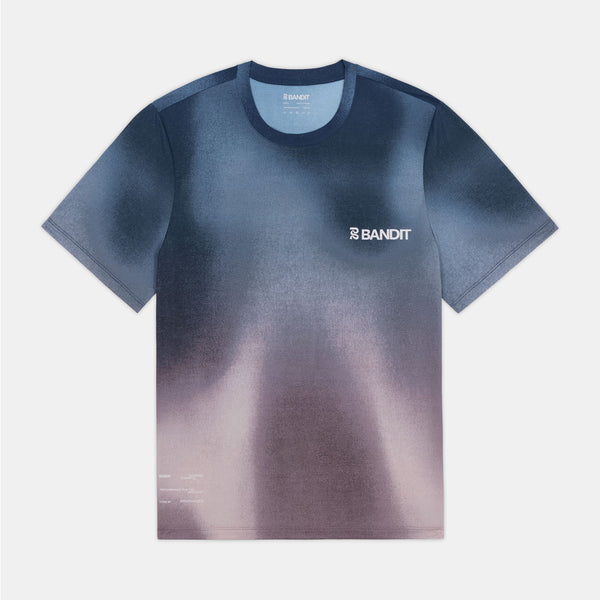
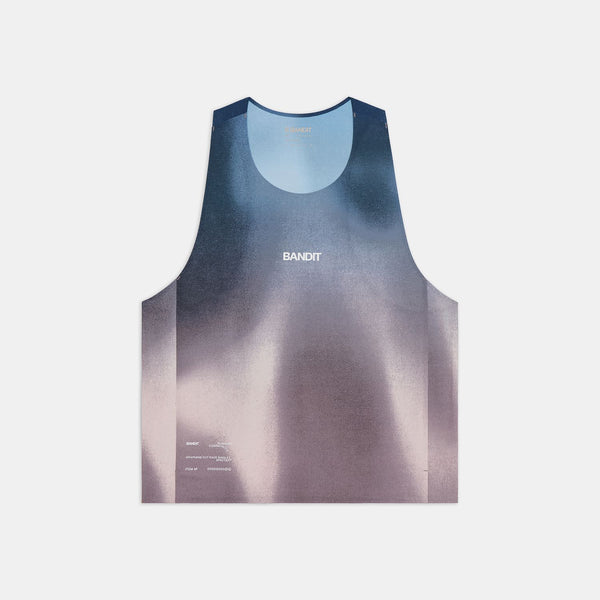
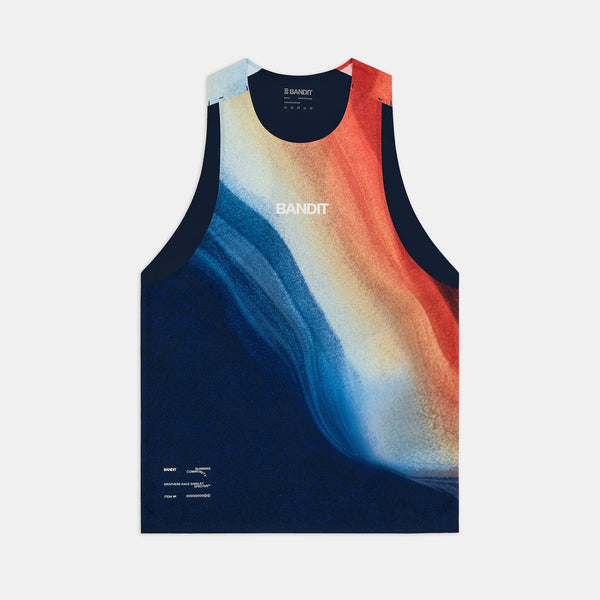
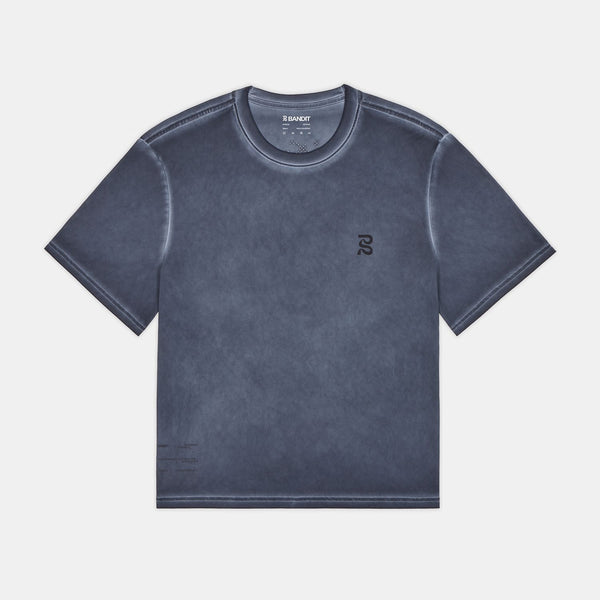
Nick West, Tim West, and Ardith Singh founded Bandit in Brooklyn in 2020 — built from the ground up by and for the New York running community. The Micromesh™ run tee became a near-instant cult piece, and the brand's street-running aesthetic (drop-centric, community-obsessed, graphic-forward) has made it one of the fastest-growing independent running labels in North America.

Enter Store

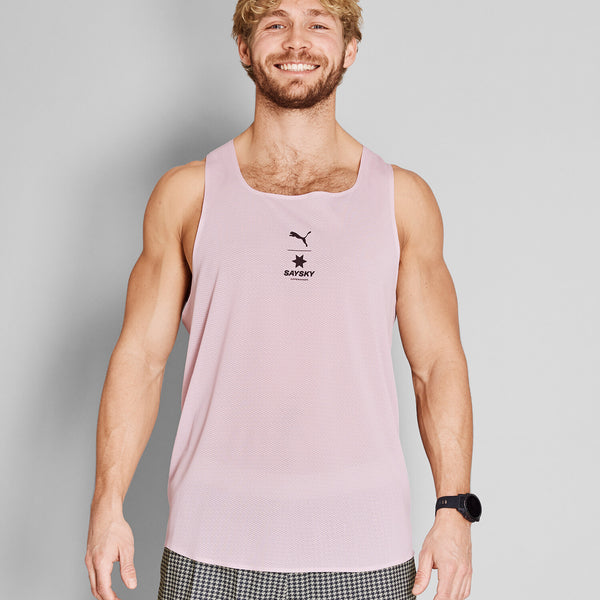
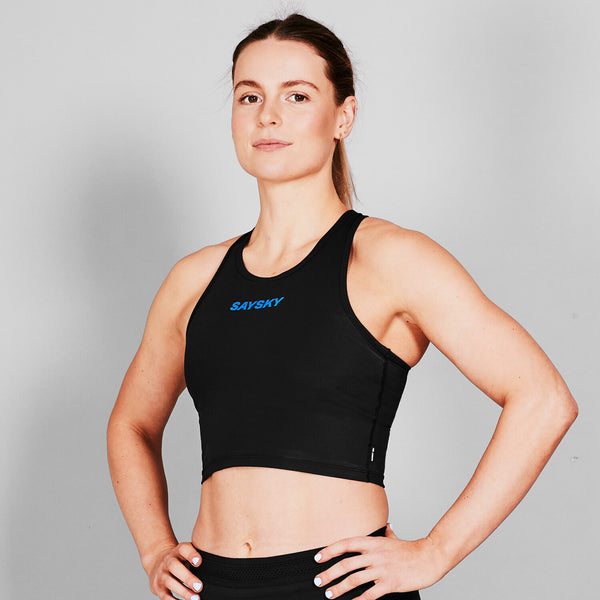
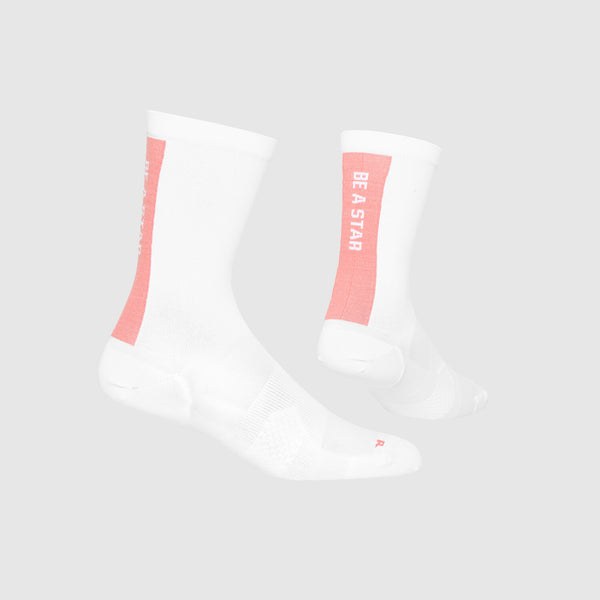
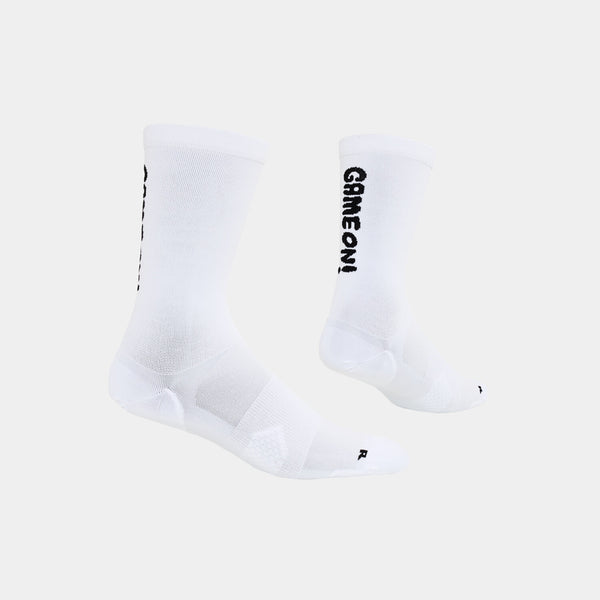
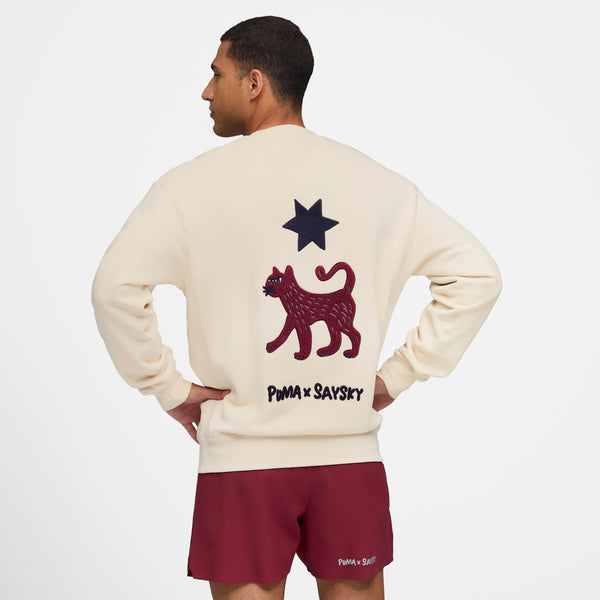
Saysky

Fashion

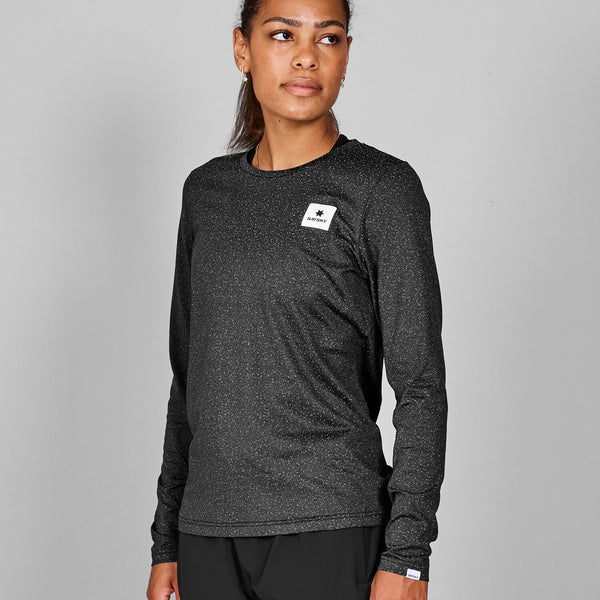
Copenhagen-designed running gear with graphic precision and interval-tested fabrics.

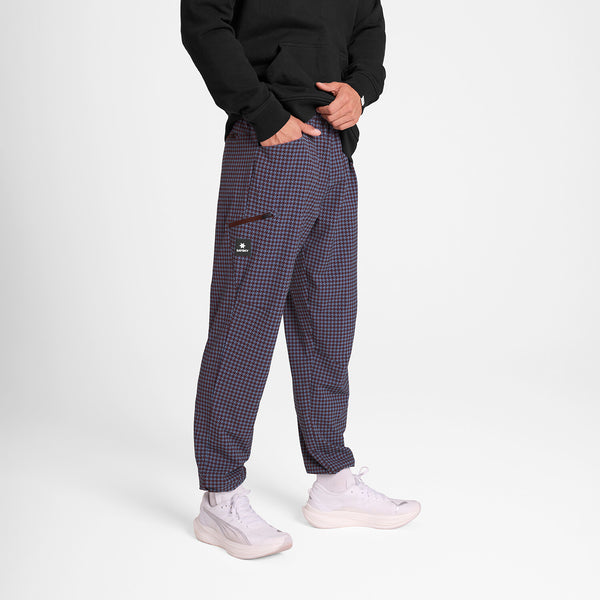
Founded in Copenhagen in 2013, Saysky was built on the belief that running apparel could be technically excellent and visually interesting without visual chaos. The graphic-heavy collections draw from Danish design culture — structured, intentional, never arbitrary — and the fabrics are engineered around high-intensity training rather than recreational jogging. One of the most aesthetically distinctive running brands in the world, and consistently underrated outside Europe.

Enter Store

Ciele Athletics

Fashion

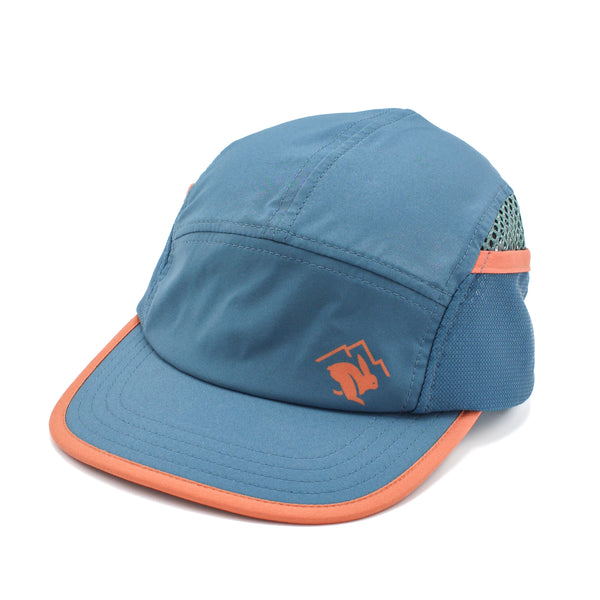
Montreal-born running hats and apparel built around shared running culture.

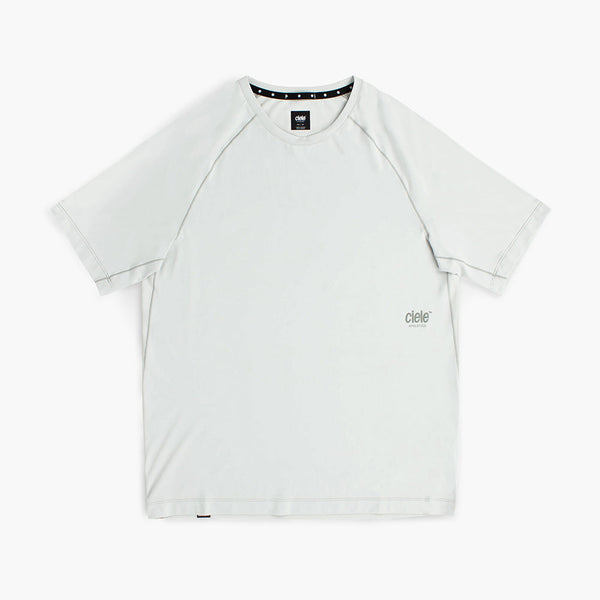
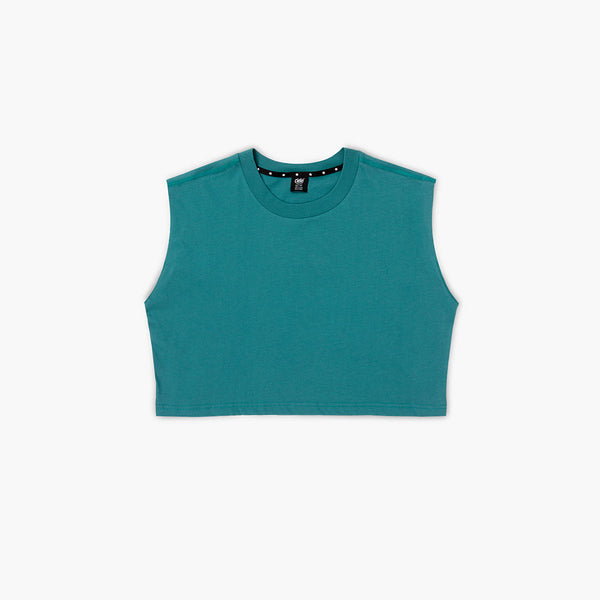
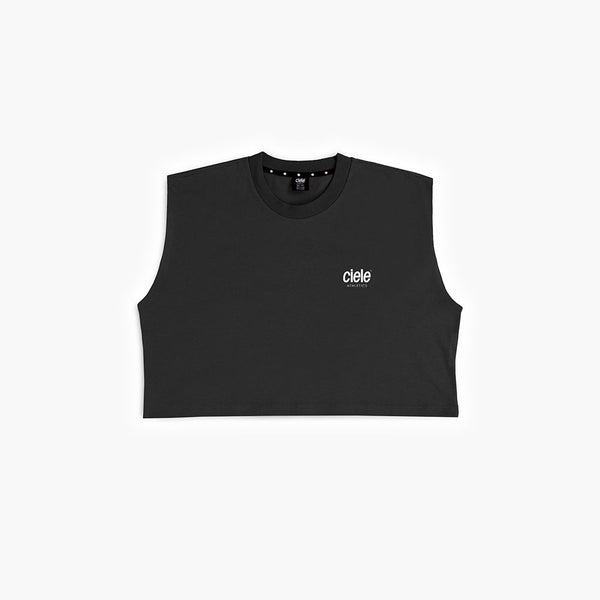
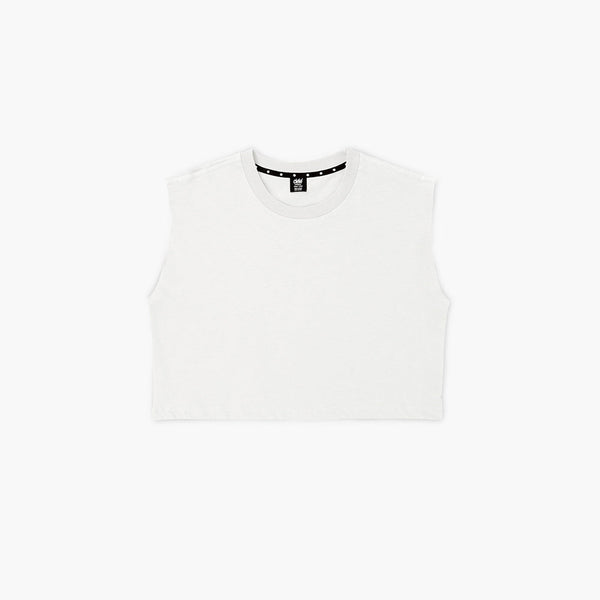
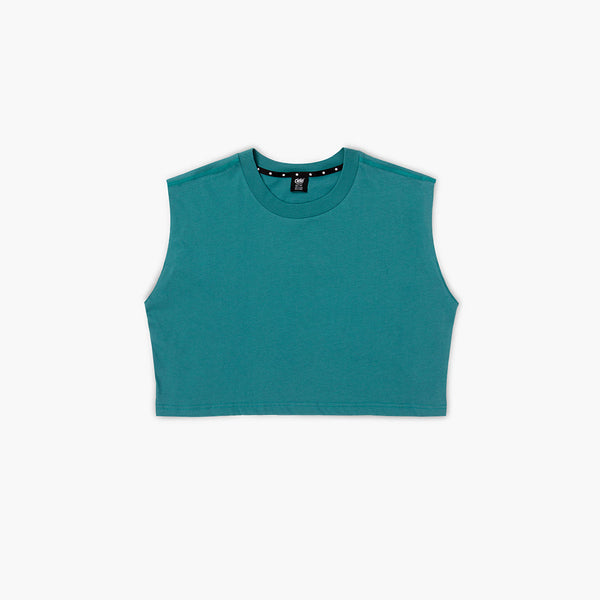
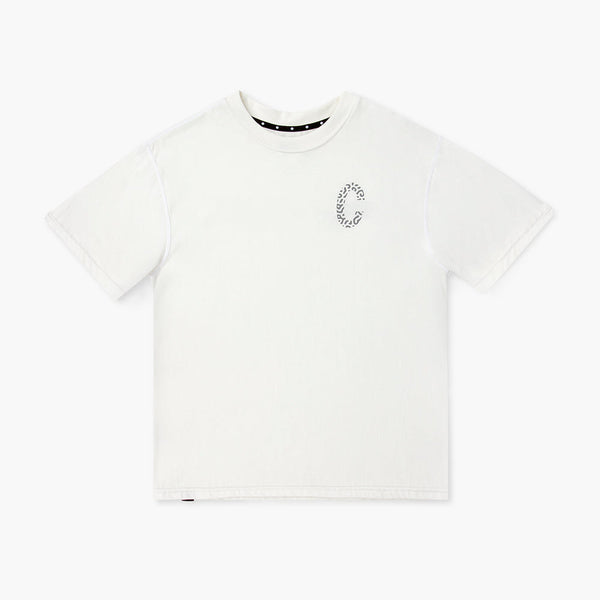
Ciele launched in Montreal in 2014 with a deceptively specific premise: the running world deserved better technical hats. The GOCap became a marathon-course staple within a few years — worn by elites and recreational runners across every major race — and the brand's apparel expansion carried the same design-forward, logo-minimal philosophy. Ciele's identity is rooted in running as a shared human experience, and the brand actively funds community running initiatives globally.

Enter Store

SOAR Running

Fashion

UK-engineered running kit built for people who take pace seriously.

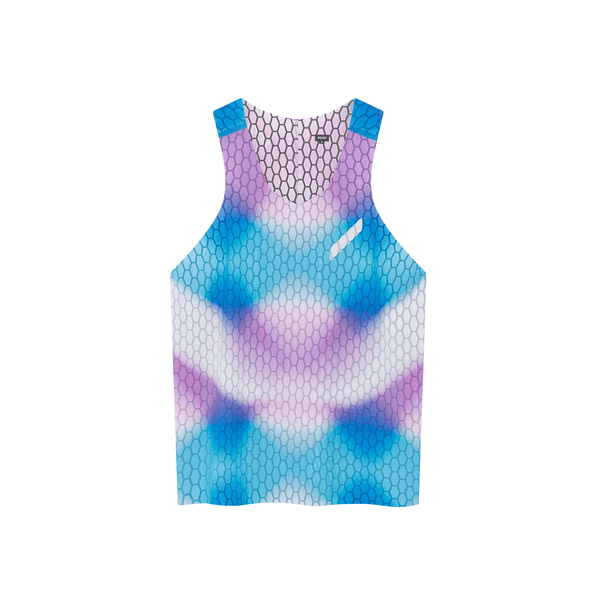
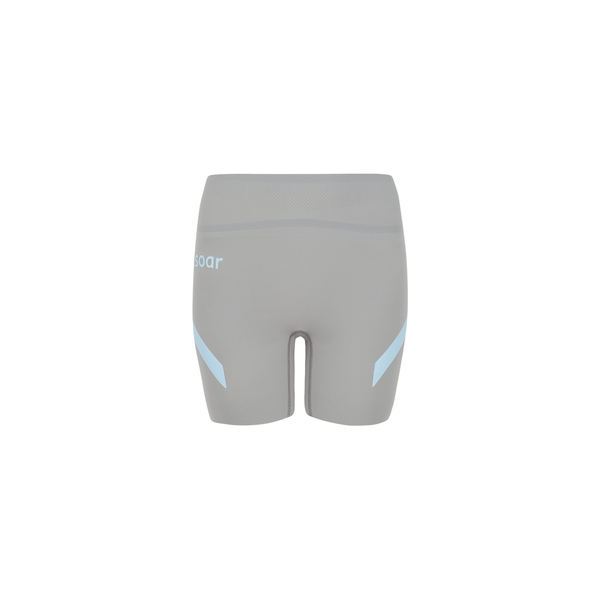
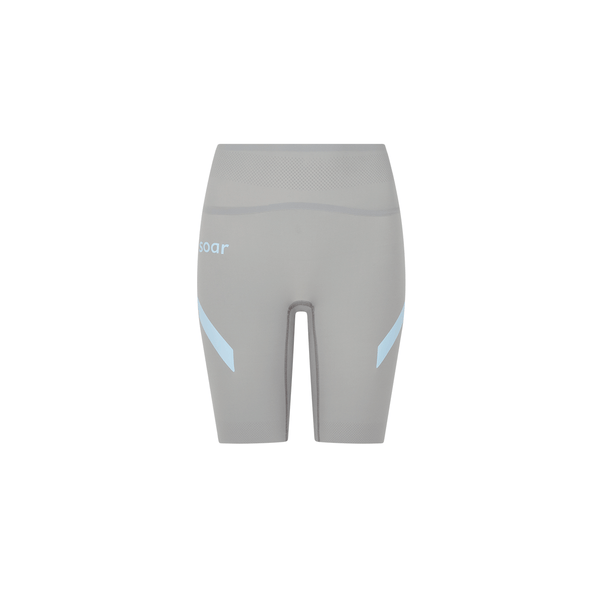
Founded in London in 2015 by designer and DJ Tim Soar, SOAR came from fashion rather than sports science — and the technical output is extraordinary because of it. The brand makes some of the most advanced running apparel available, including a graphene-infused racing vest engineered for optimal core-body temperature regulation at pace. SOAR's aesthetic is quintessentially British: precise, understated, and deeply serious about the craft of running.

Enter Store

About This District

Shopping boutique running apparel brands like Tracksmith comes down to four things: fabric innovation, design restraint, fit philosophy, and community ethos. Fabric is where the best independent labels separate themselves. Satisfy builds proprietary CommaToe™ and AMT™ textiles that feel unlike anything in mainstream running. Saysky engineers its Piqué and mesh blends specifically around interval training and marathon-pace movement. If a brand cannot tell you exactly what makes their fabric different, it probably does not. Design language is how you identify the serious labels. District Vision's minimalist palette is built around running as a meditative practice. Bandit channels NYC street-running culture into every drop. Ciele started with hats — because it believed running culture deserved better headwear — and its apparel line carries that same coherent identity. Look for brands whose full range tells a consistent visual story. Fit matters more in boutique running than anywhere else. These brands cut for people who actually run: Rabbit is explicitly female-founded and sized around women's running bodies. SOAR designs gender-specific kits around biomechanical differences rather than generic blocks. Check sizing guides carefully — boutique fits diverge significantly from mass-market. Community is the final signal. Janji funds clean water projects in the countries that inspire each collection. Ciele actively supports running initiatives worldwide. Bandit was literally started by NYC running community members. That direct relationship with real runners makes the gear better — feedback loops that Nike will never have. Expect to spend – on key pieces. Start with one hero item per brand — that is always where design and fabric technology converge.