Mint Districts Beauty

The Best Biodynamic Skincare Brands Beyond Certified Organic

Biodynamic farming is stricter than organic and harder to certify: it treats the farm as a living system, plants and harvests according to lunar cycles, and prohibits all synthetic inputs — not just pesticides, but also conventional compost and irrigation methods. Less than 1% of global farmland is Demeter certified. The skincare brands here have gone further than the organic label, sourcing from these rare farms or building their own biodynamic agricultural partnerships. The premise is that better-farmed ingredients make better skincare — and the evidence is accumulating.

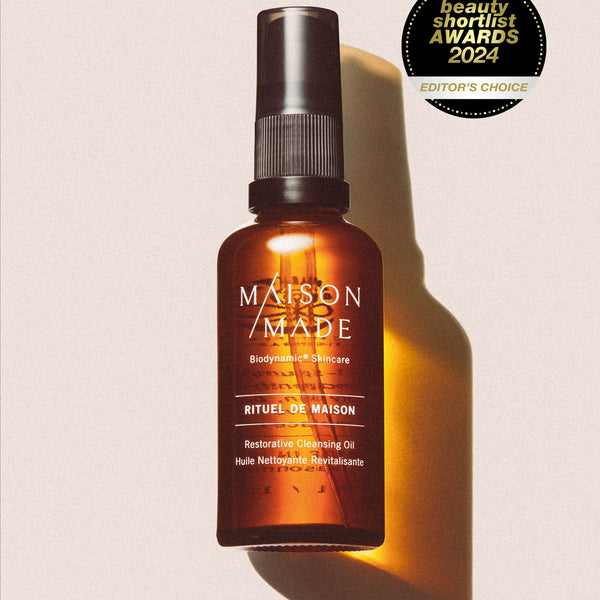
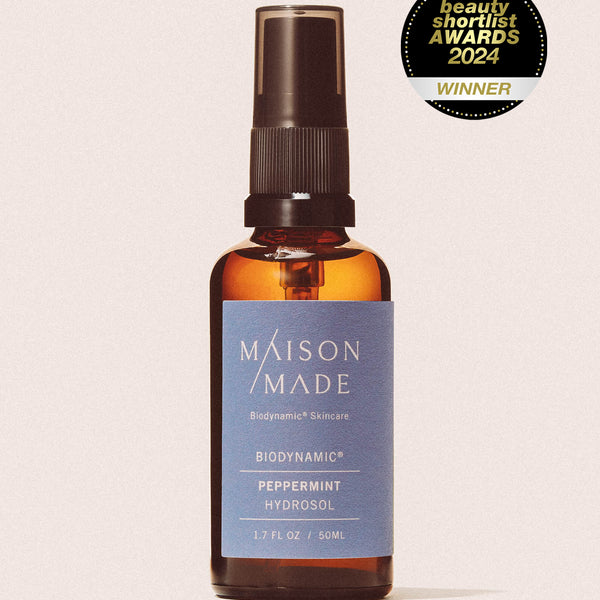
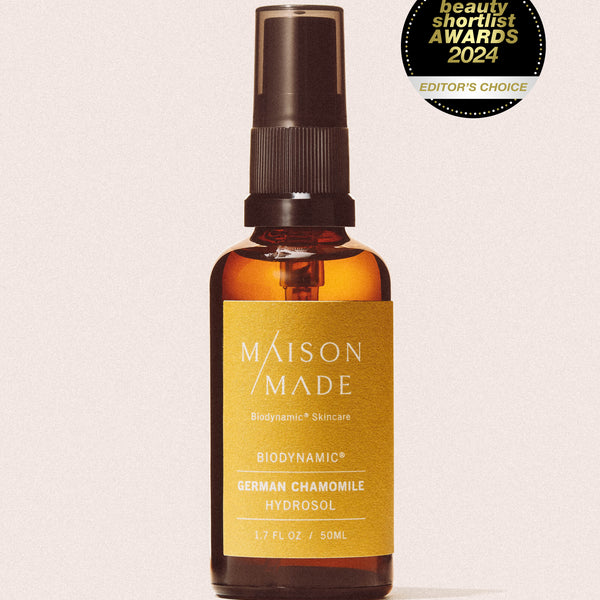
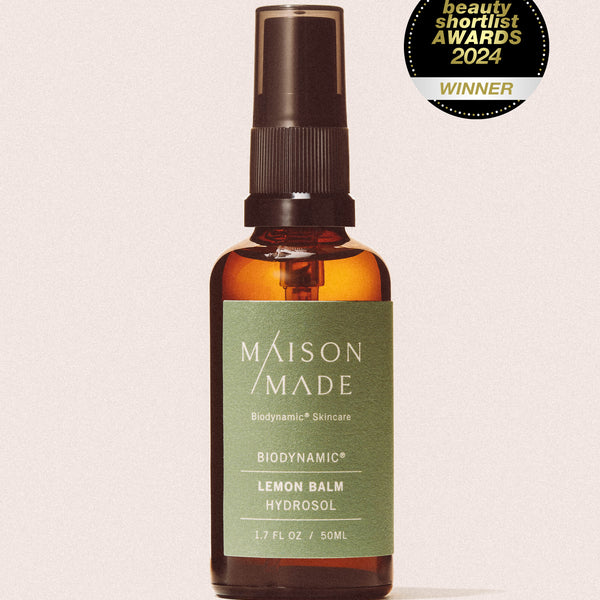
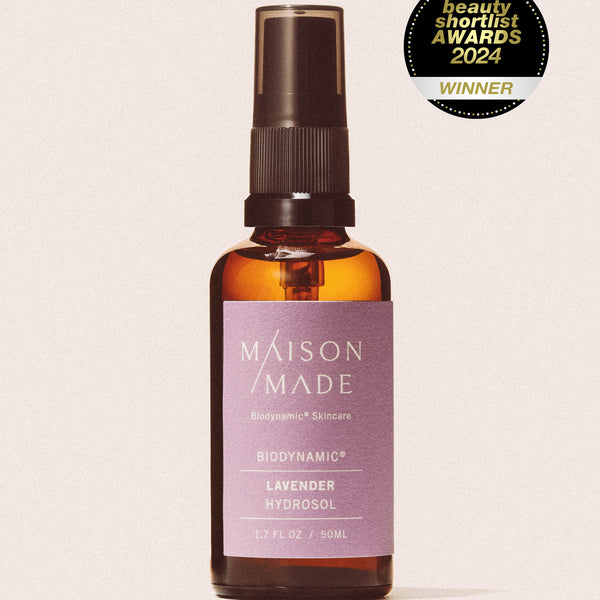
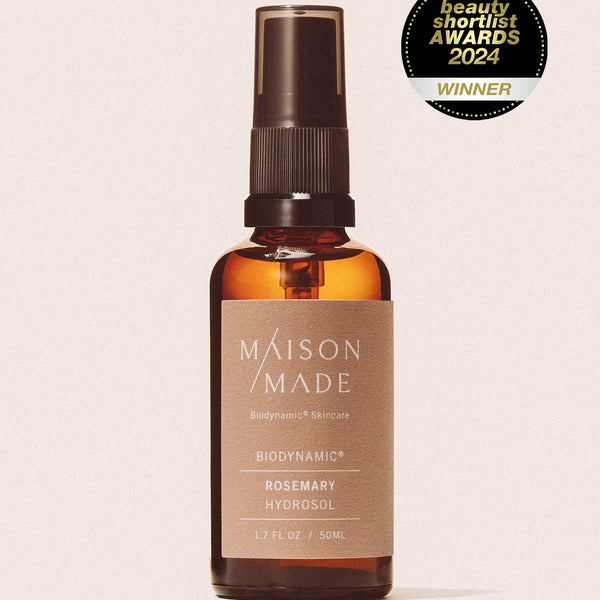
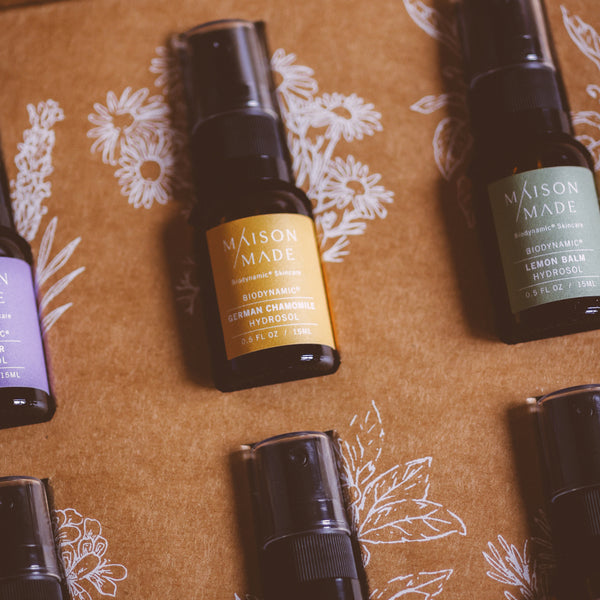
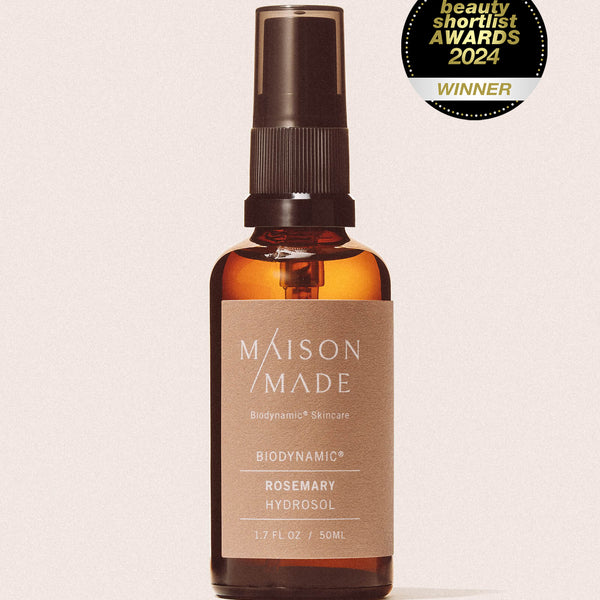
Maison/Made

Beauty

The first Demeter-certified biodynamic skincare brand in the United States.

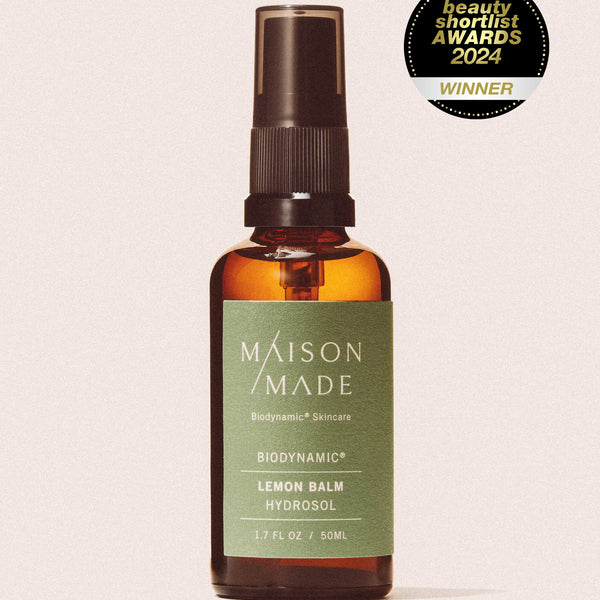
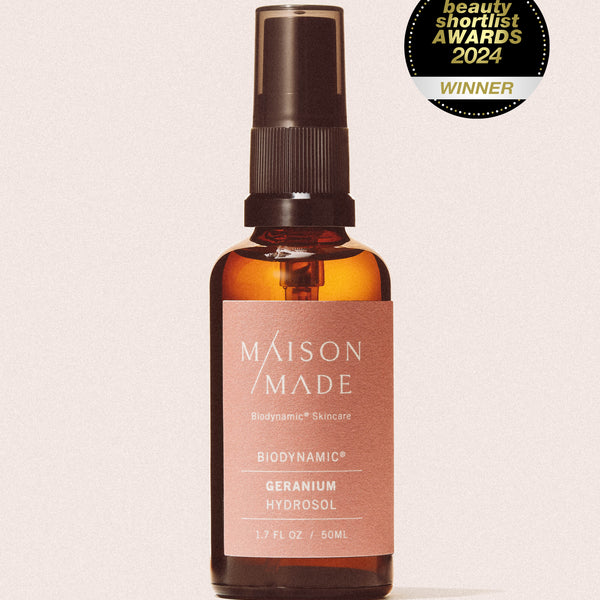
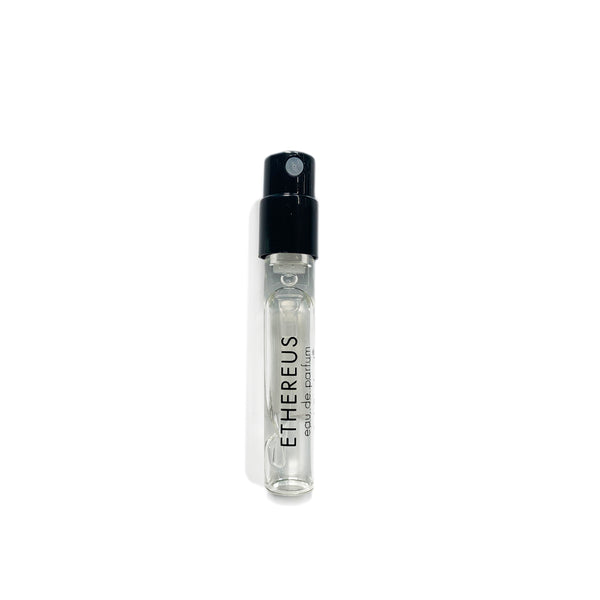
Maison/Made holds the distinction of being the first skincare brand in the US to earn Demeter Biodynamic® certification — the highest standard for ingredient farming practice available. The Lemon Balm Hydrosol and the botanical concentrates in the Maison Collection are sourced from certified biodynamic partners and formulated in small batches. The brand publishes its certification and farming partnerships openly, which makes it the most verifiable biodynamic skincare brand on this list.
Enter Store

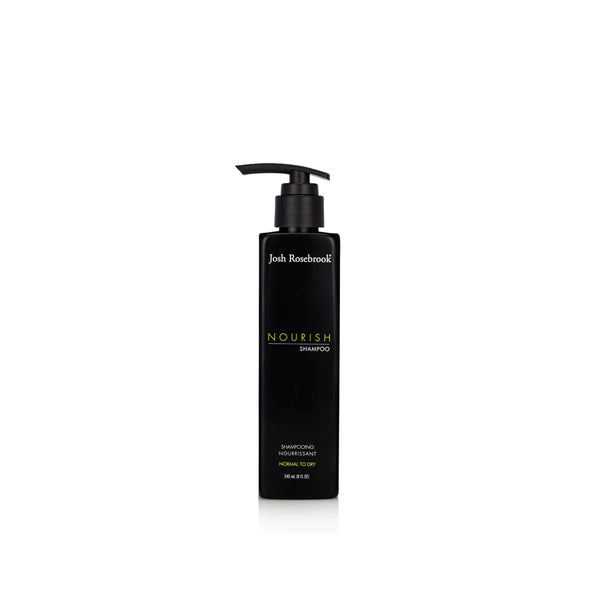
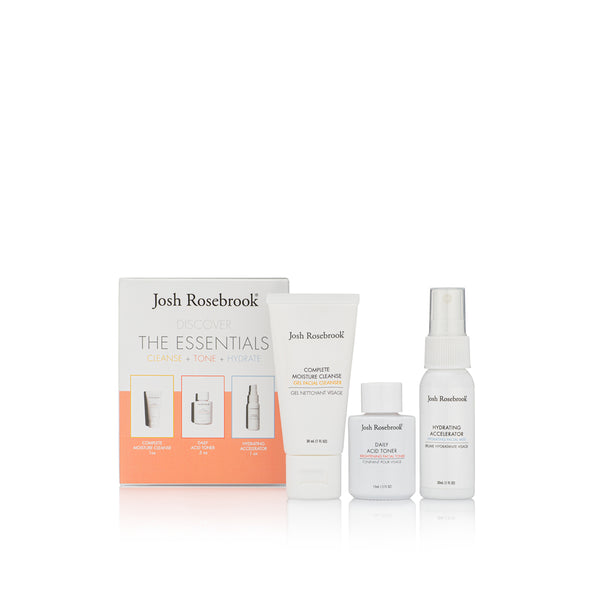
Josh Rosebrook

Beauty

Dense botanical concentrates that treat skin and hair as one living system.

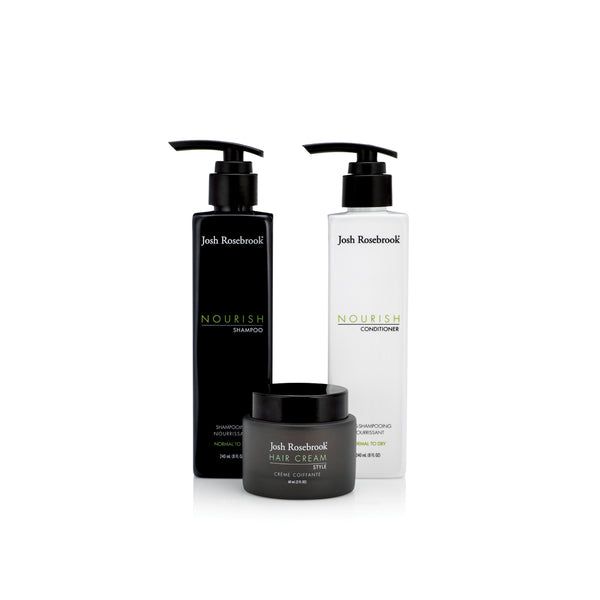
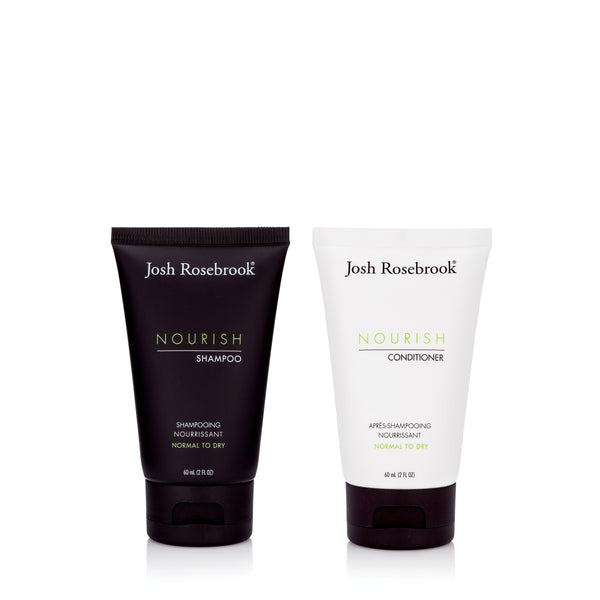
Josh Rosebrook spent years formulating clean beauty products before launching his own brand, and the depth of botanical knowledge shows. The Nourish Hair Cream and the face concentrate oils are formulated from whole-plant extracts at higher concentrations than most natural brands attempt. The sourcing emphasises biodynamic and wildcrafted ingredients, particularly the adaptogenic and nervine herbs that appear across the skincare and hair care lines.

Enter Store

True Botanicals

Beauty

Certified non-toxic skincare with regenerative sourcing behind every ingredient.

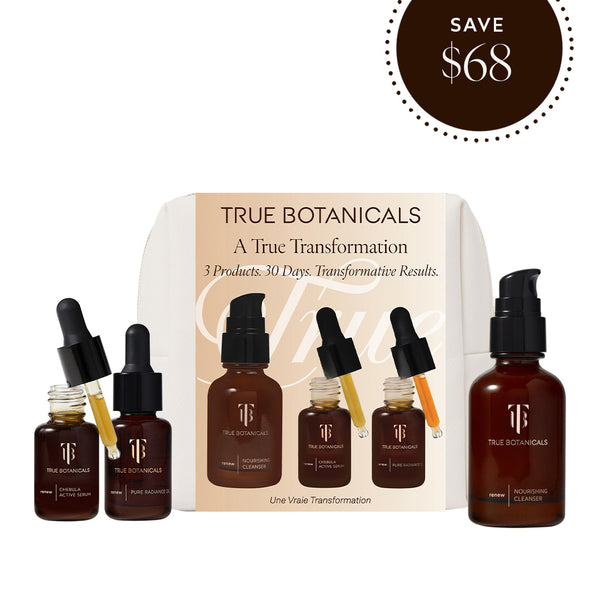
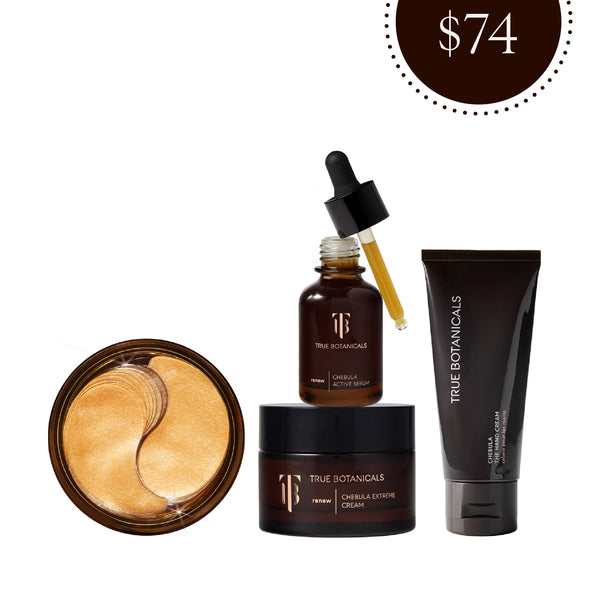
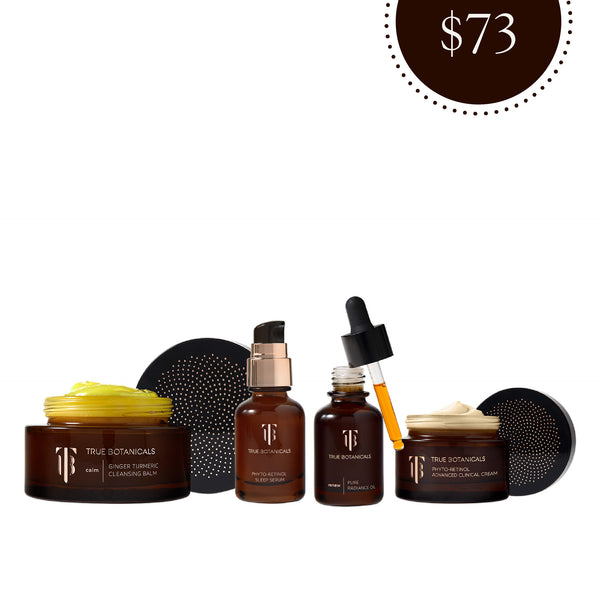
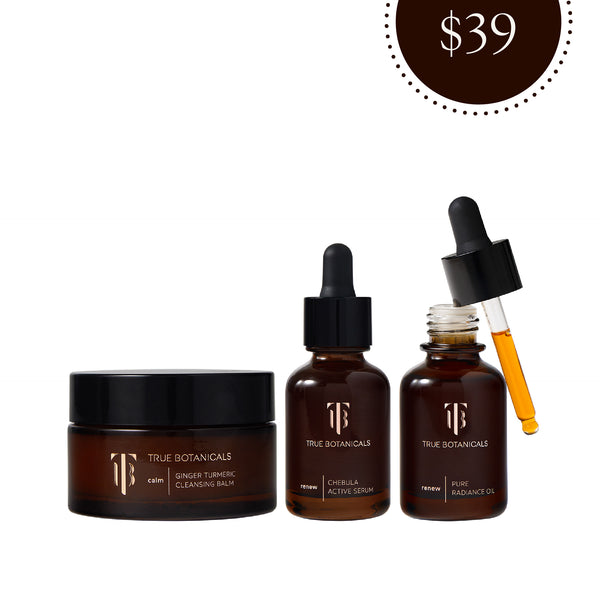
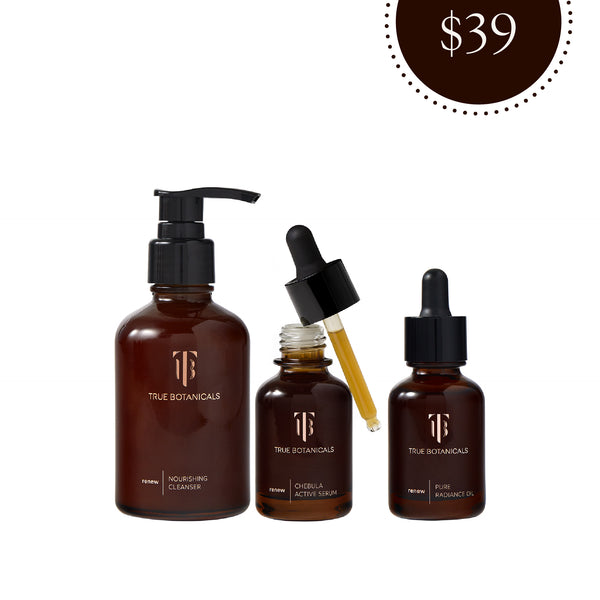
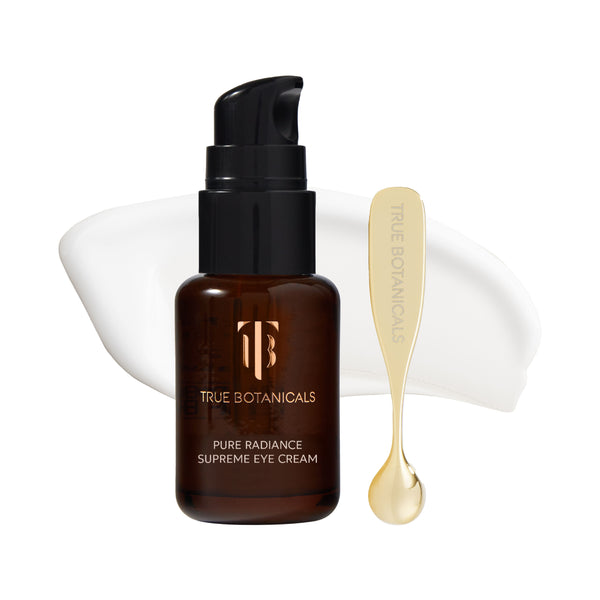
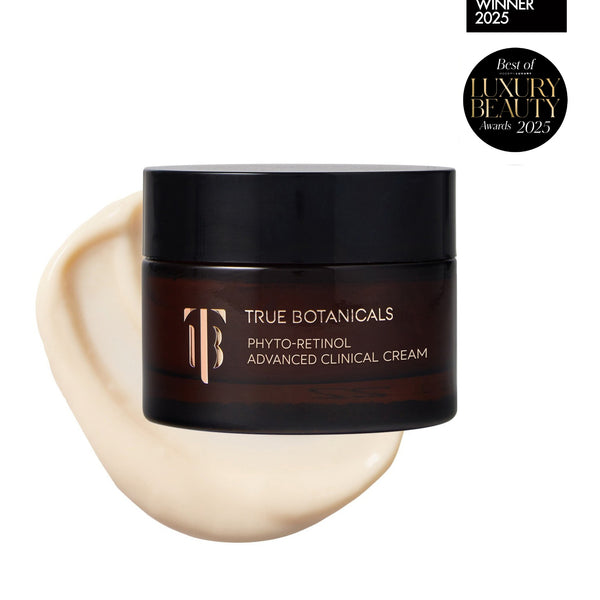
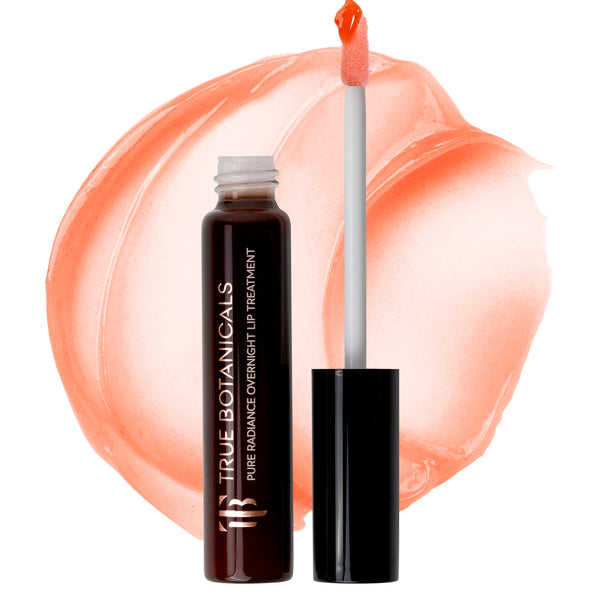
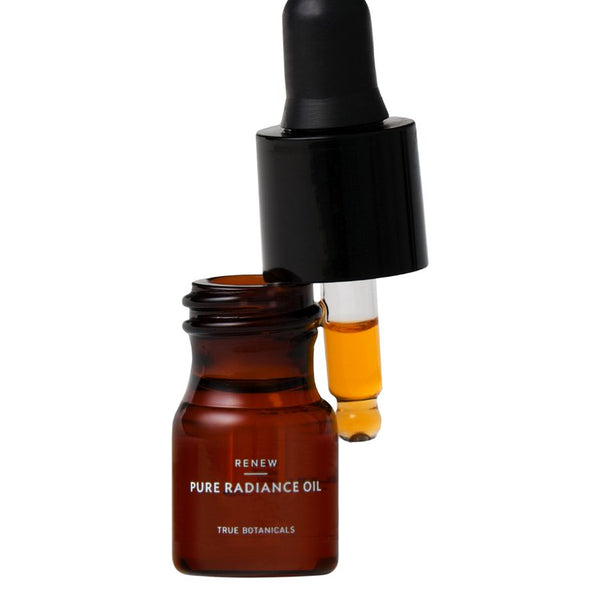
True Botanicals built their reputation on the Renew Pure Radiance Oil — a face oil that became a cult product in clean beauty partly because of how it performed and partly because of how transparently the brand documented its sourcing. The brand is MADE SAFE certified and sources from organic and biodynamic farms where available. The full skincare range addresses specific skin concerns without the synthetic actives most clinical brands rely on.

Enter Store

One Love Organics

Beauty

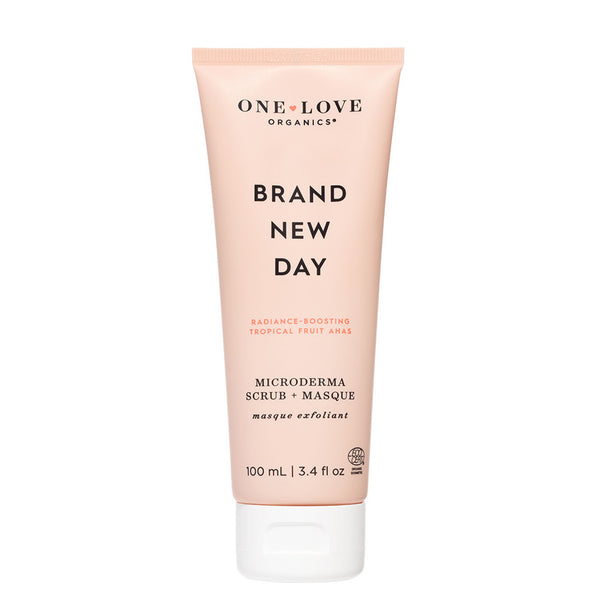
USDA-certified organic skincare built around botanical actives that actually work.

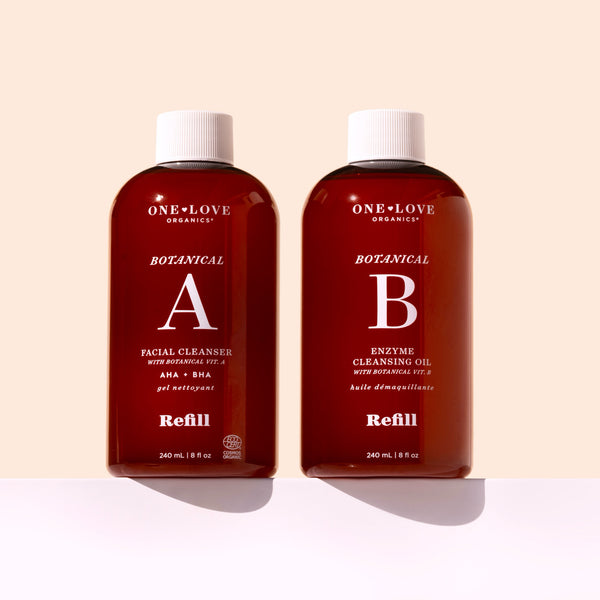
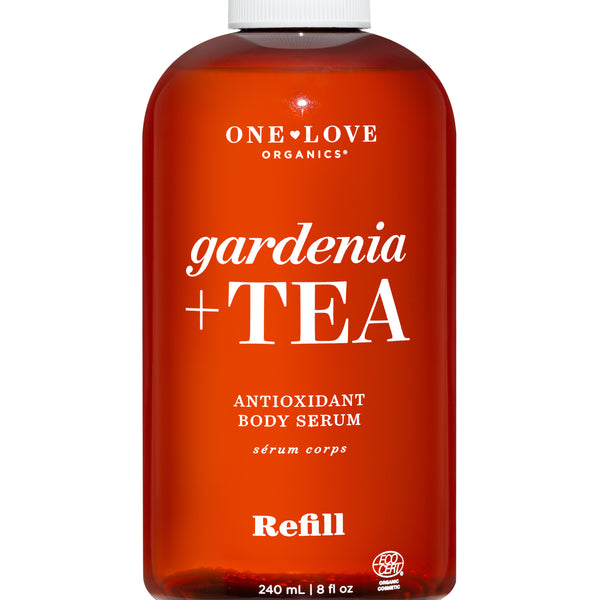
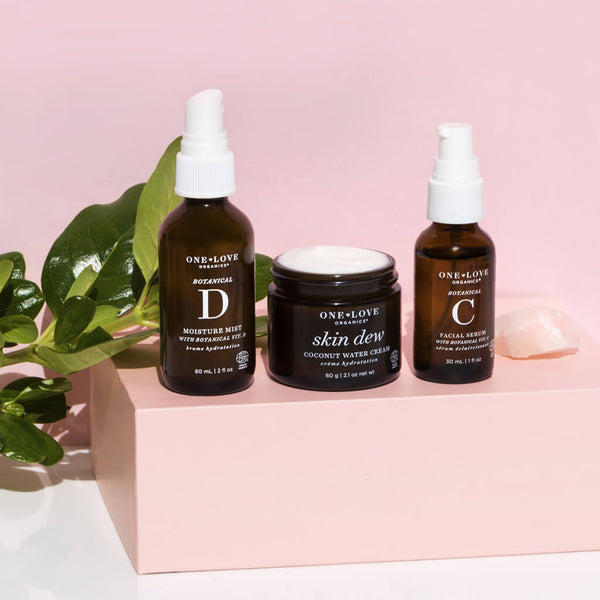
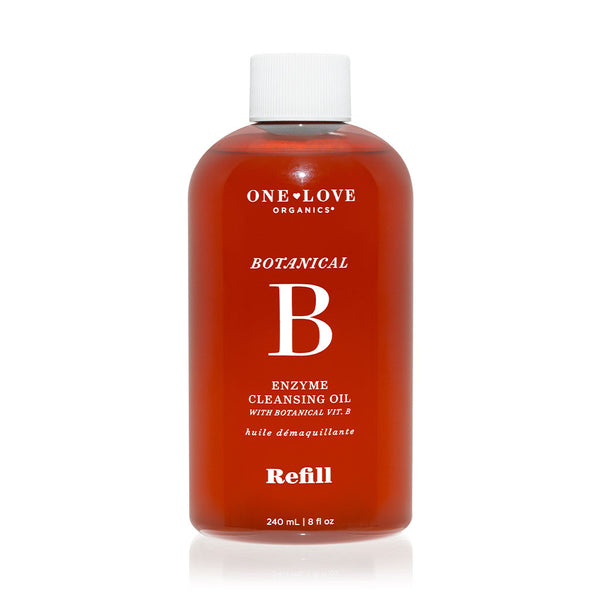
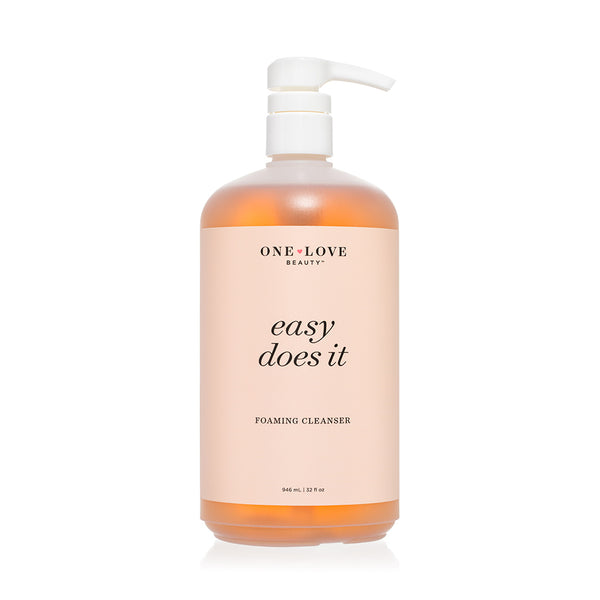
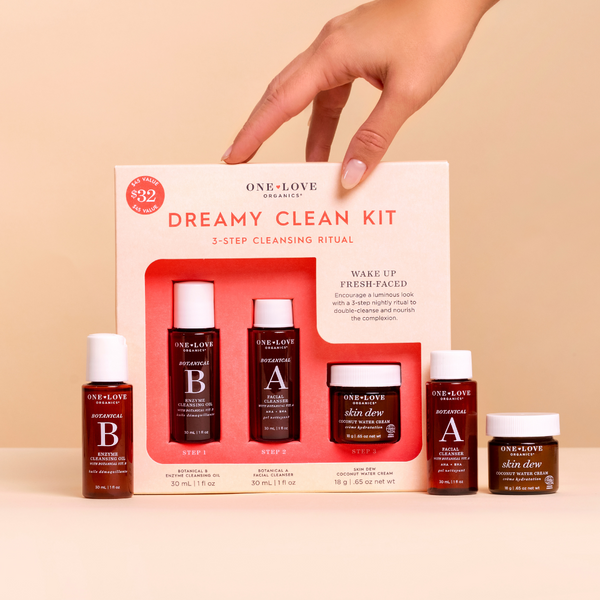
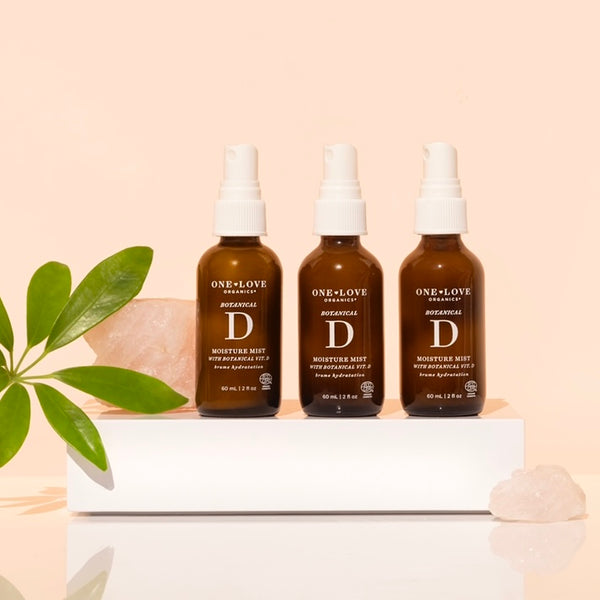
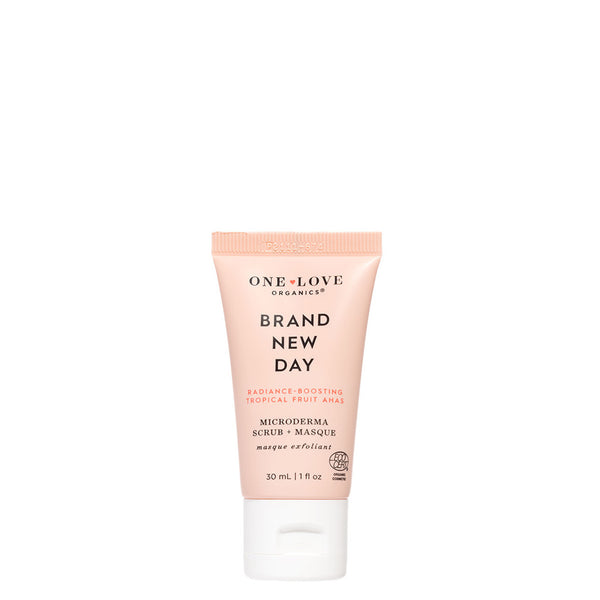
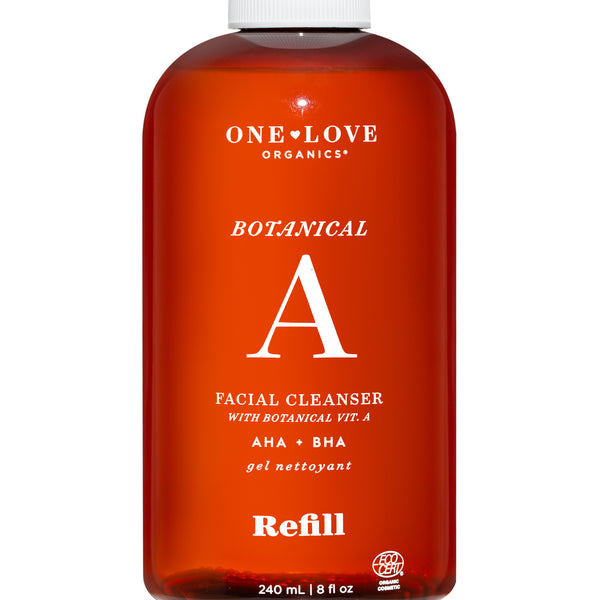
One Love Organics holds USDA Organic certification across its product range — a stricter standard than most 'natural' beauty brands achieve. The Botanical A Facial Cleanser uses AHA and BHA actives derived from plant sources, a formulation approach that bridges the gap between clean beauty and clinical efficacy. The refill program on the cleanser reduces packaging waste without compromising the formula.

Enter Store

Odacité

Beauty

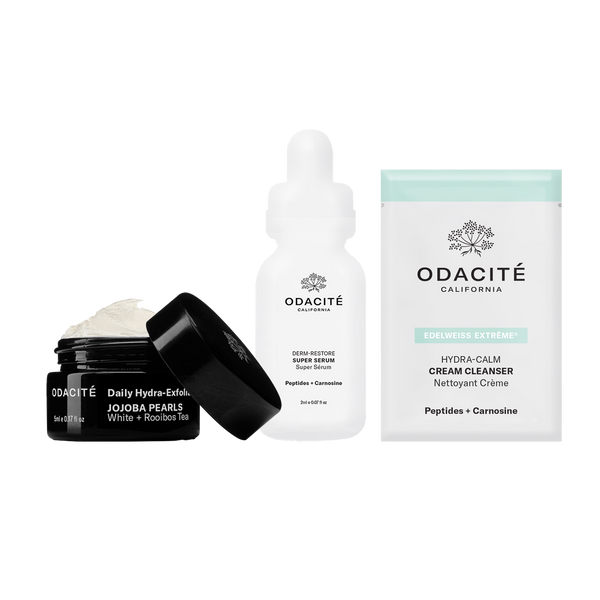
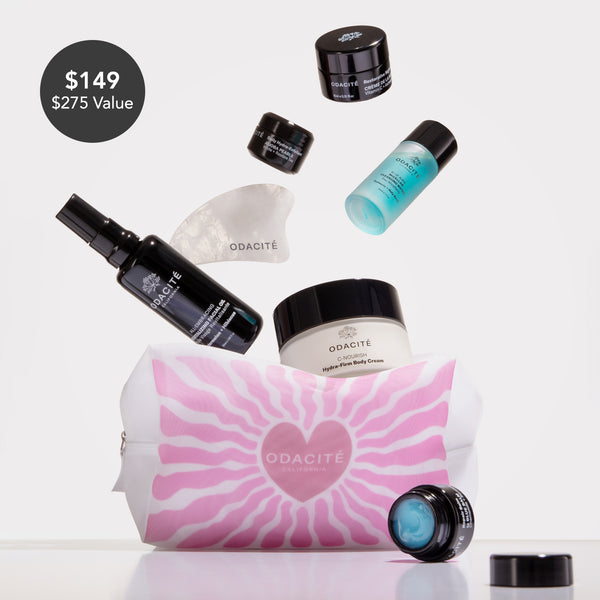
French-inspired skincare serums built from biodynamic and organic botanicals.

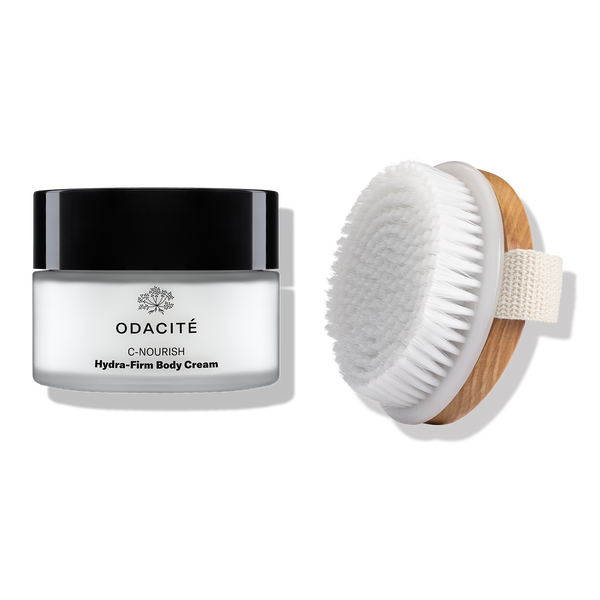
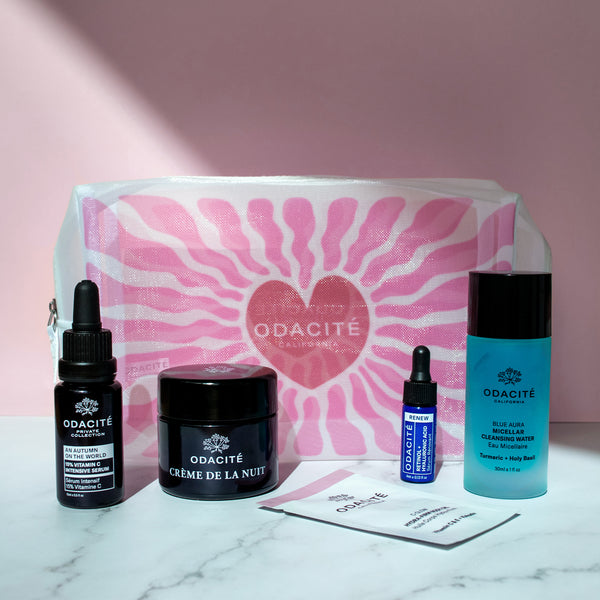
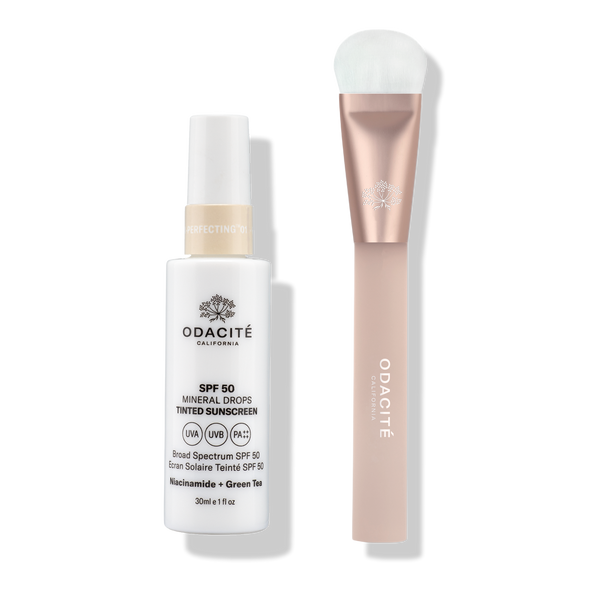
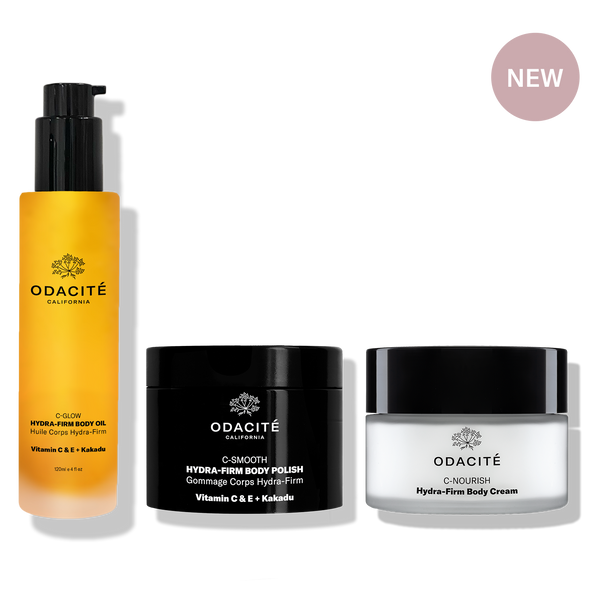
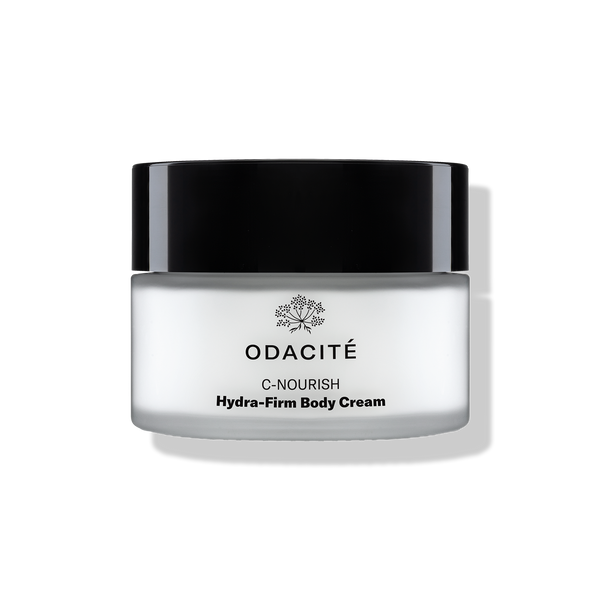
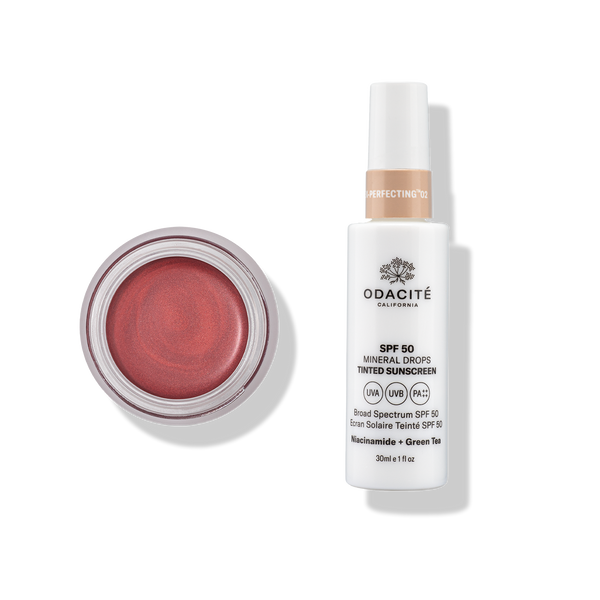
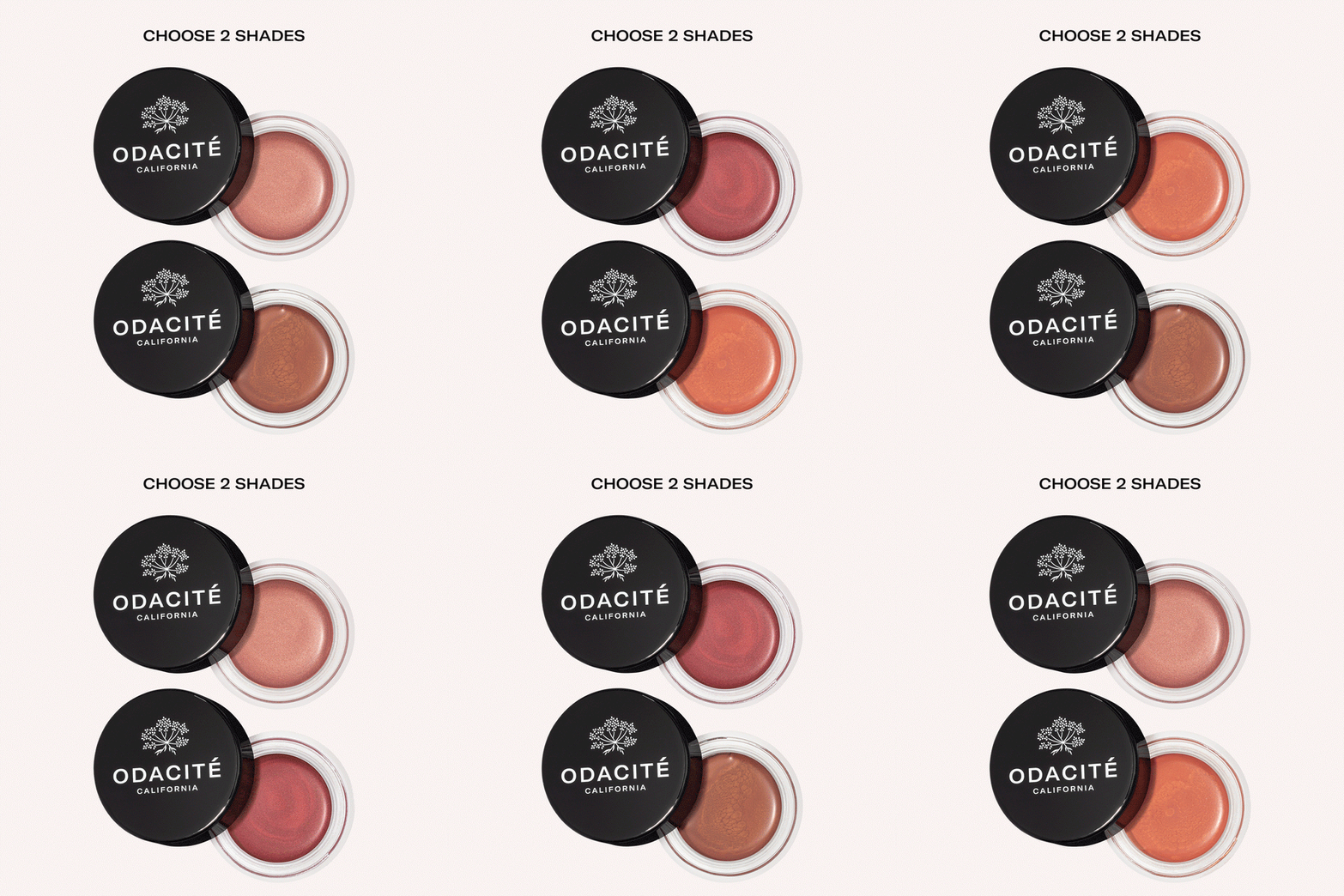
Valérie Grandury founded Odacité in Los Angeles after a cancer diagnosis prompted her to rethink her relationship with what she put on her skin. The result is a modular serum system — targeted botanical concentrates designed to be customised per skin concern — built primarily from biodynamic and organic plant oils and extracts. The French approach to skincare (fewer products, better ingredients, higher concentration) is the philosophy behind every formula.

Enter Store

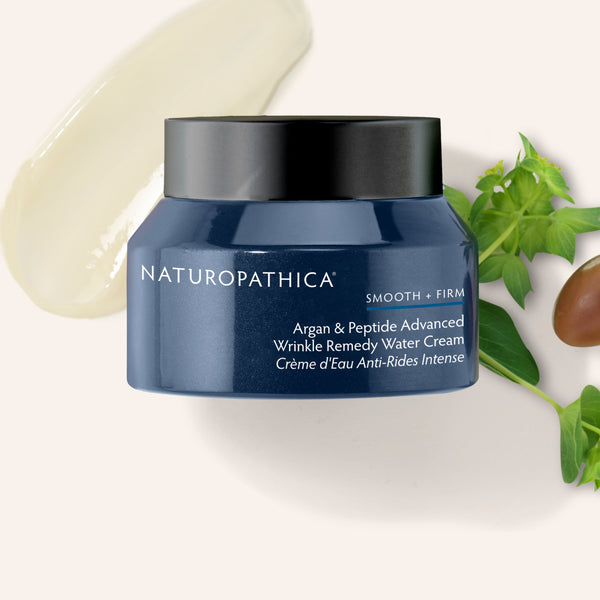
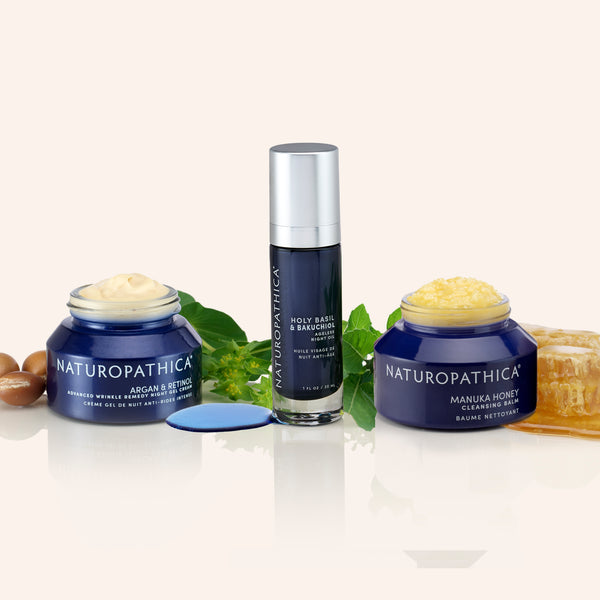
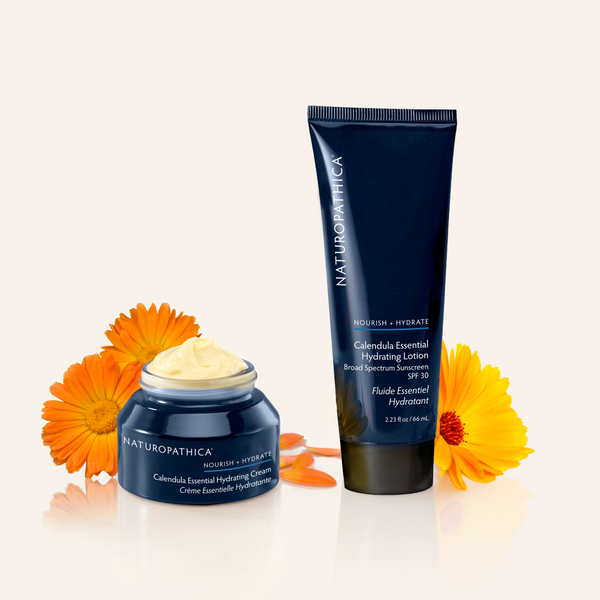
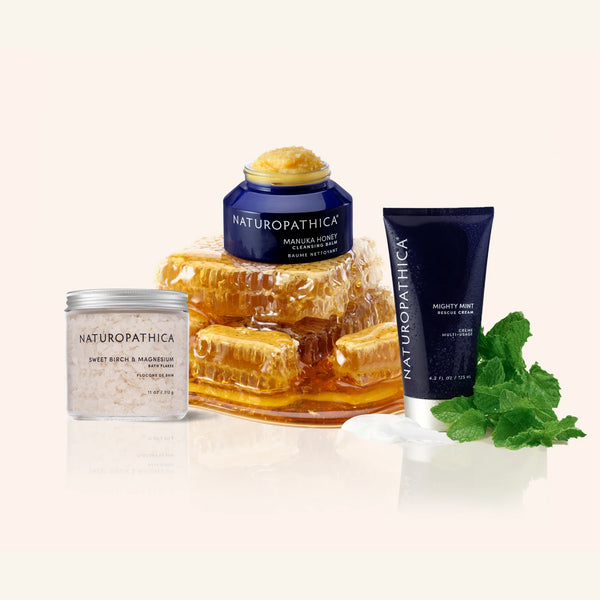
Naturopathica

Beauty

Adaptogen-forward botanical skincare rooted in naturopathic wellness philosophy.

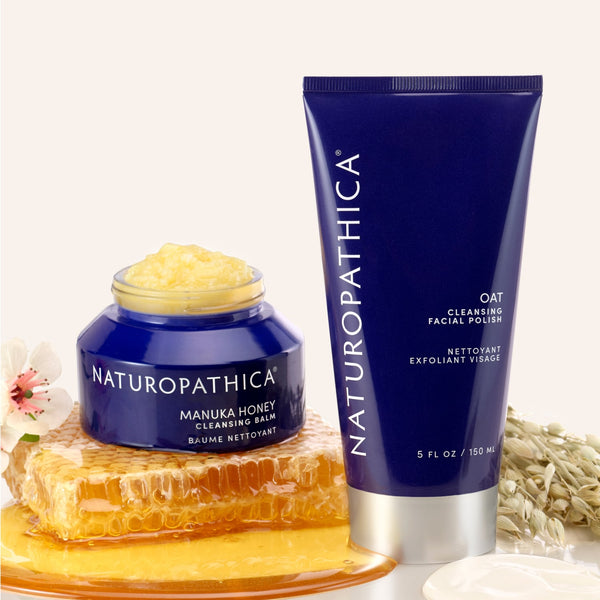
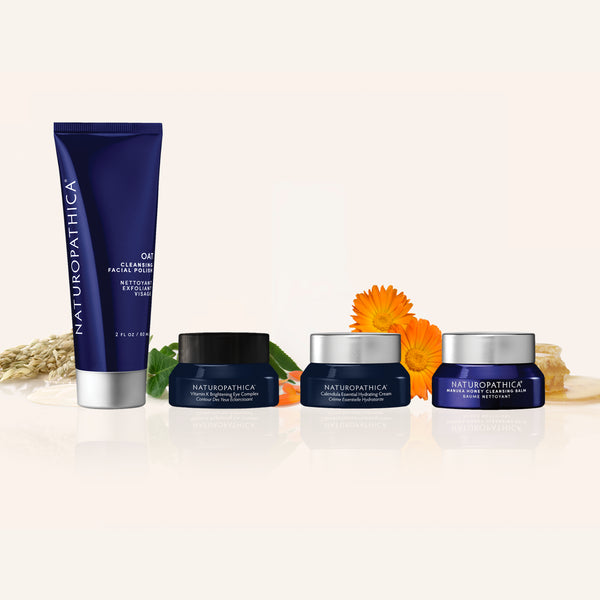
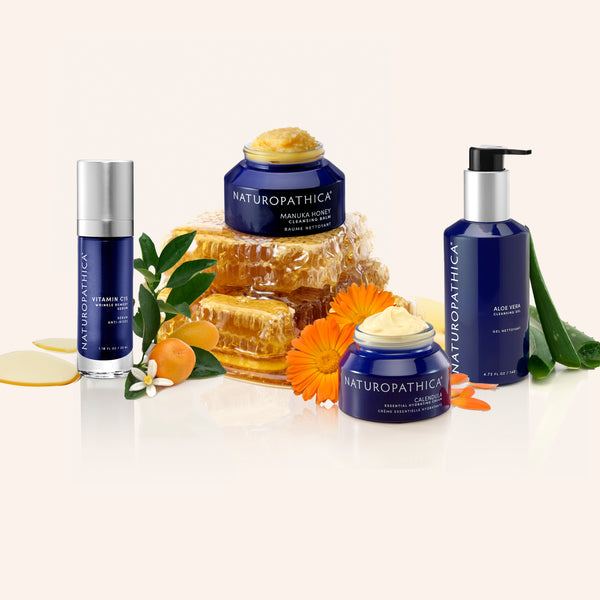
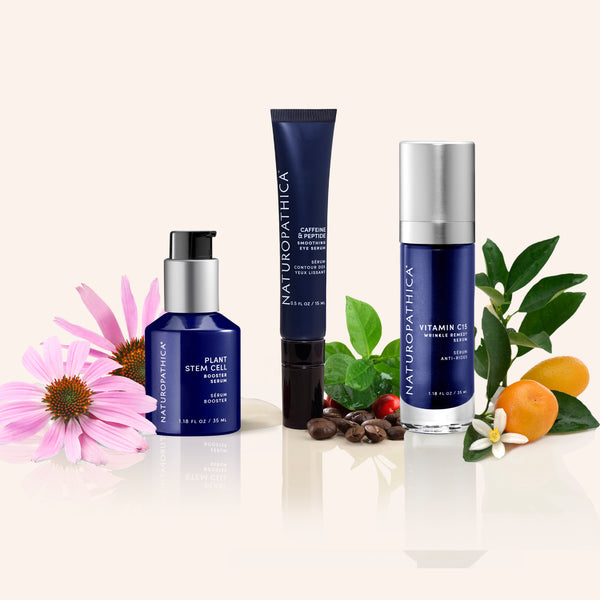
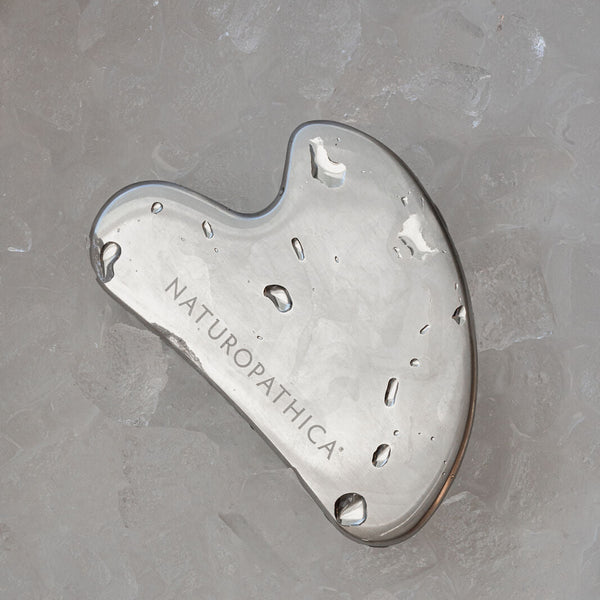
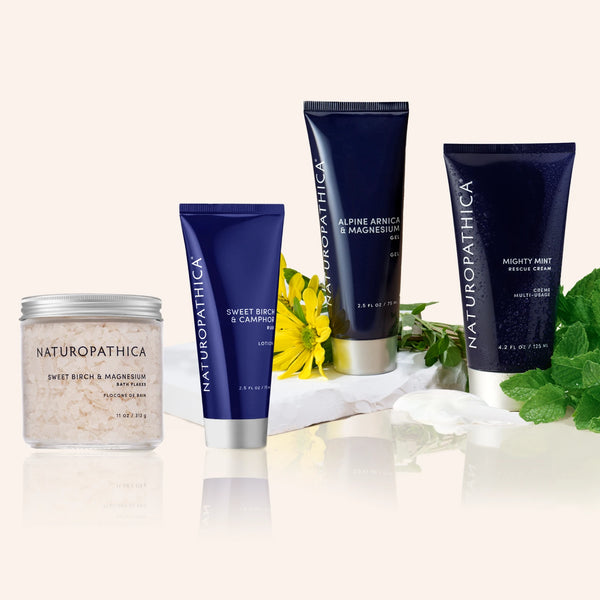
Naturopathica was founded in 1995 with a direct connection to naturopathic medicine — the brand's formulations are built around adaptogenic herbs, nervines, and traditional botanical medicine rather than conventional cosmetic chemistry. The Gua Sha and botanical serum pairings reflect a whole-system approach to skin health. Ingredients are sourced from organic and biodynamic farms in the Swiss Alps and Pacific Northwest.
Enter Store

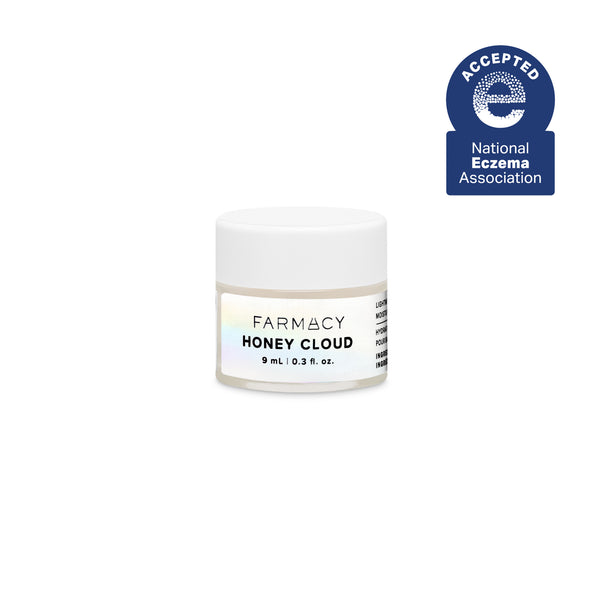
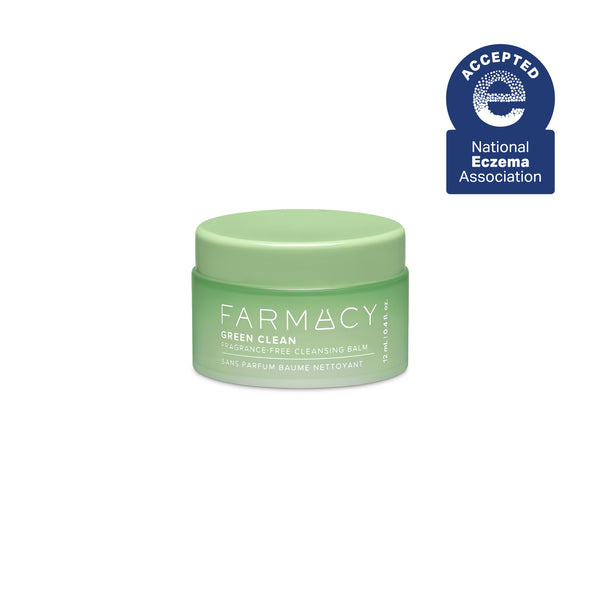
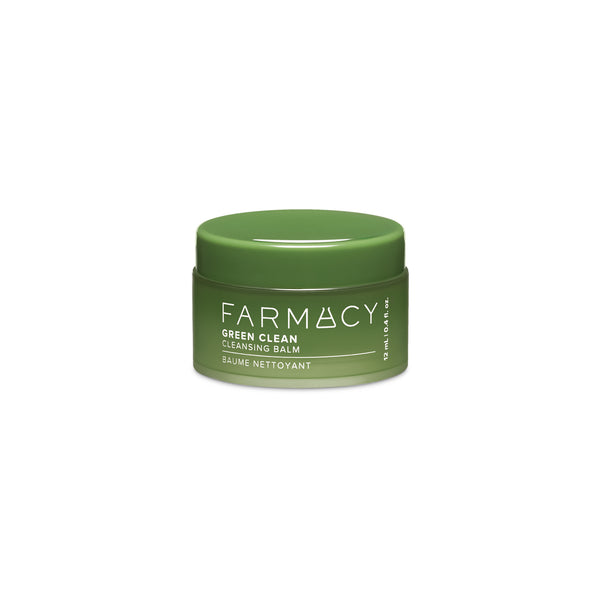
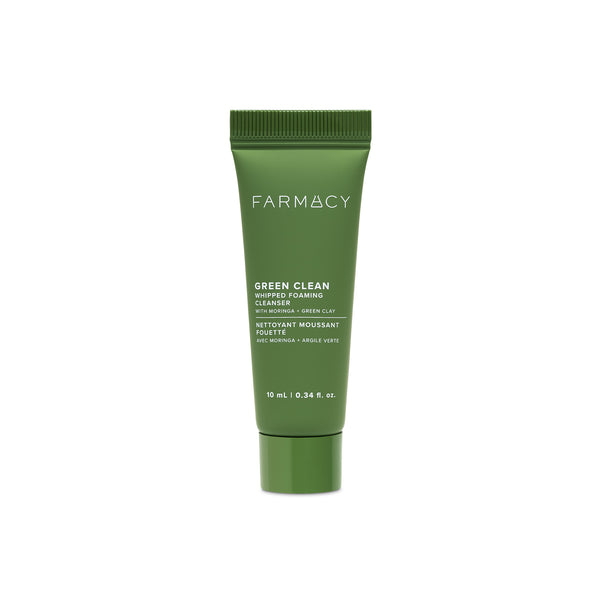
Farmacy Beauty

Beauty

Farm-to-face skincare grown at a dedicated partner greenhouse in upstate New York.

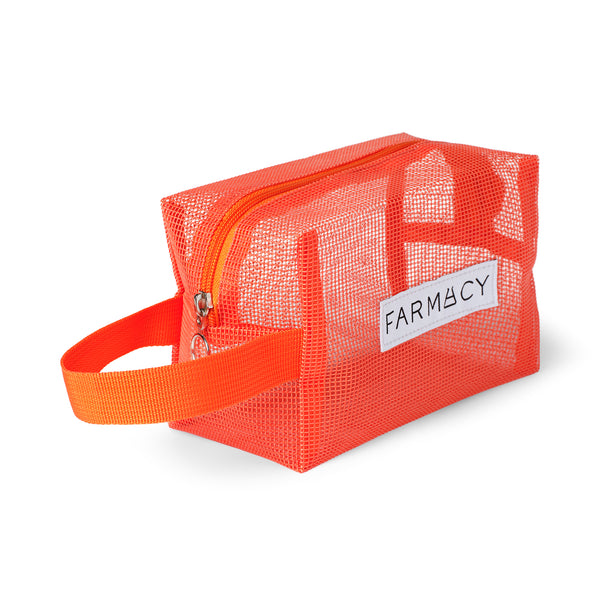
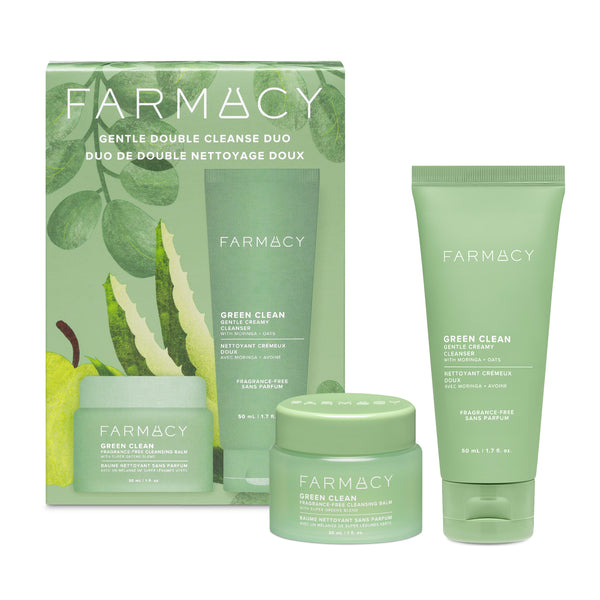
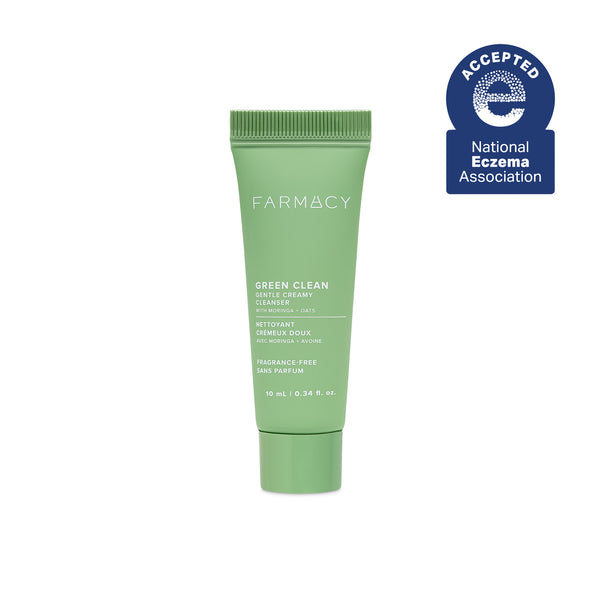
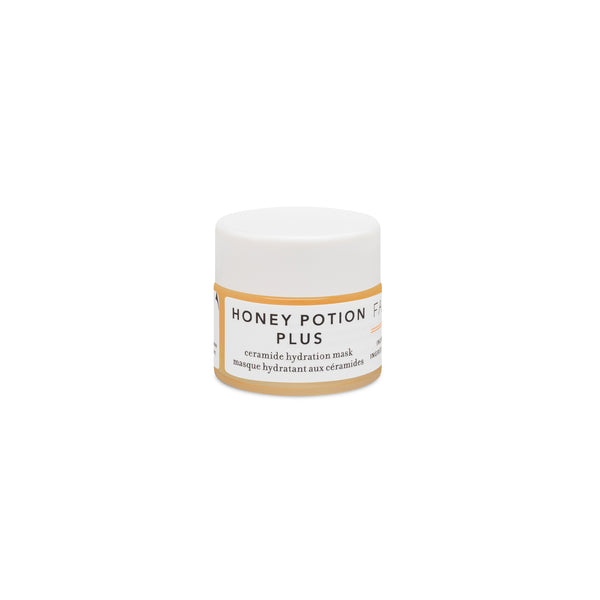
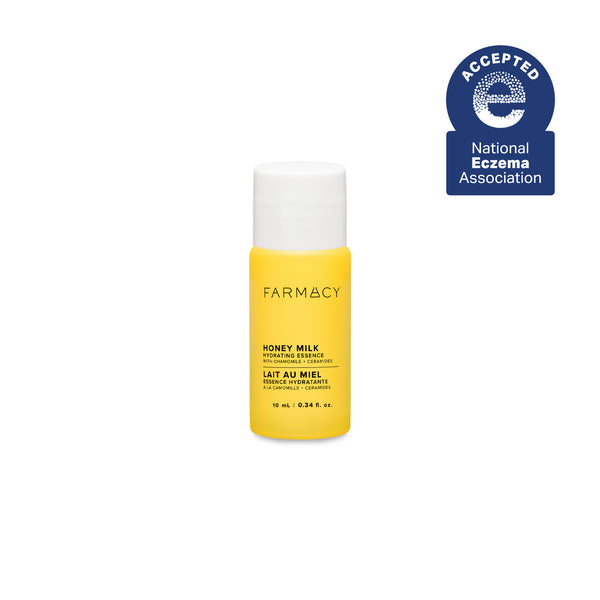
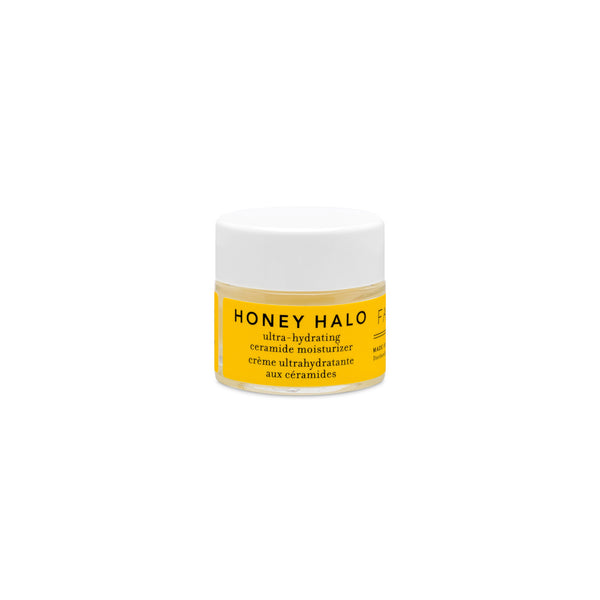
Farmacy grows key hero ingredients — including their signature Echinacea GreenEnvy cultivar — at a dedicated greenhouse in upstate New York, giving them direct traceability from plant to formula. The farm-to-face model is more literal here than it is for most 'natural' beauty brands: they can point to a specific field where a specific plant was grown for a specific product. The Bright On collection and the Honey Halo moisturiser both demonstrate what that supply chain access makes possible in formulation.
Enter Store

About This District

Biodynamic skincare brands are navigating a category that's not well understood even by beauty insiders. Biodynamic certification is issued by Demeter International and requires a minimum of two years of transition farming before any ingredients can be certified — it's a higher bar than USDA organic and a much higher bar than 'natural' or 'clean,' which have no regulated definition whatsoever. When you're shopping for biodynamic skincare, there are a few things worth looking for. First, ingredient transparency: biodynamic brands should be able to tell you which specific ingredients are biodynamically sourced and from which farms or cooperatives. Maison/Made is the most transparent example — they publish their Demeter certification and can point you to the farming partners behind specific botanicals. Second, formulation quality matters independently of the sourcing. Biodynamic sourcing is a process claim, not a performance claim — a poorly formulated product with biodynamic ingredients is still poorly formulated. The brands here have both: Josh Rosebrook's botanical concentrates, True Botanicals' Renew Radiance Oil, and Naturopathica's adaptogen-forward serums are all products that would be worth buying based on their formulations alone. For skin type matching: biodynamic brands tend toward richer, more oil-forward formulations because the farming philosophy lends itself to plant-oil and botanical-extract concentration. This makes them particularly effective for dry and sensitive skin types, though brands like Odacité have built a serum system flexible enough for combination skin. Start with a face oil or treatment serum — these are where the ingredient quality shows up most clearly.