Mint Districts Accessories

American-Made Leather Goods Brands That Actually Last

Most leather goods on the market are chrome-tanned overseas, assembled quickly, and priced to be replaced in two years. The brands in this district are the opposite: small studios in Virginia, Rhode Island, New Mexico, California, and Connecticut making wallets, bags, and belts from full-grain and vegetable-tanned leather that will outlast you if you let them. These aren't nostalgia plays — they're makers who understand that the right leather, tanned the right way, develops a patina over decades that no new product can replicate. Buy one thing well instead of three things cheaply.

Lotuff Leather

Accessories

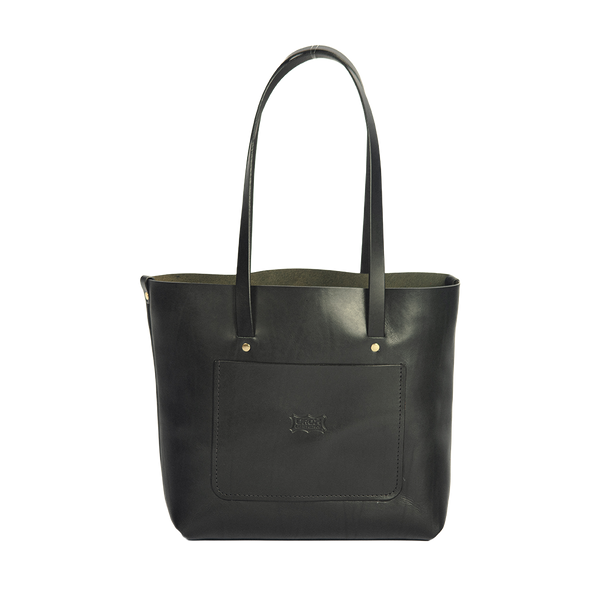
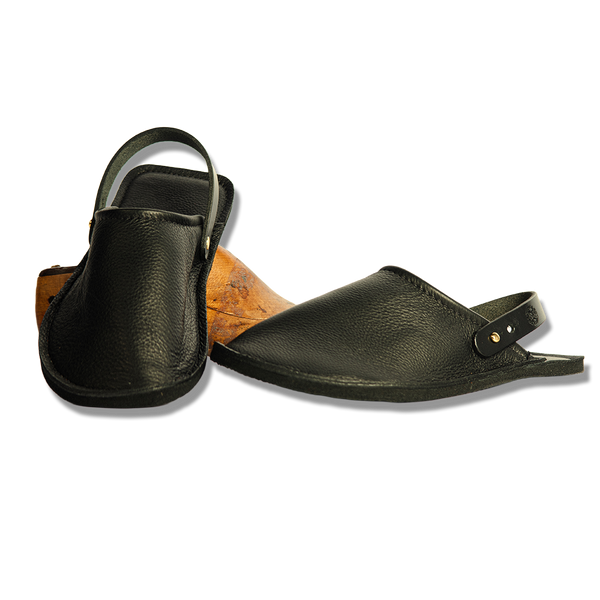
Providence, Rhode Island studio. Vegetable-tanned, full-grain, designed to age.

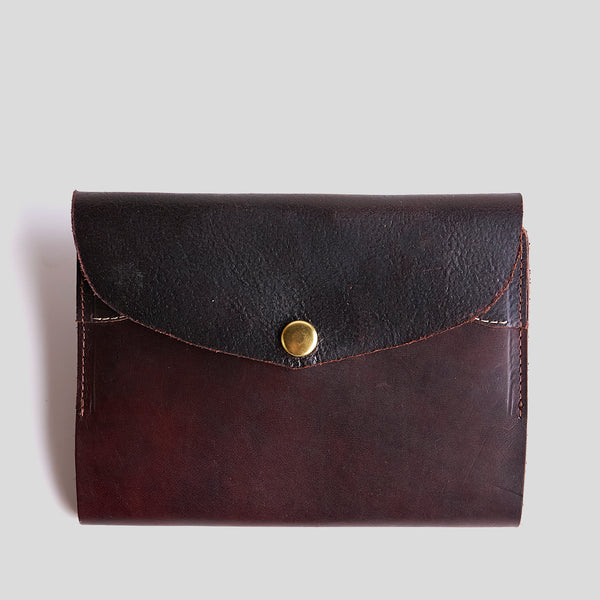
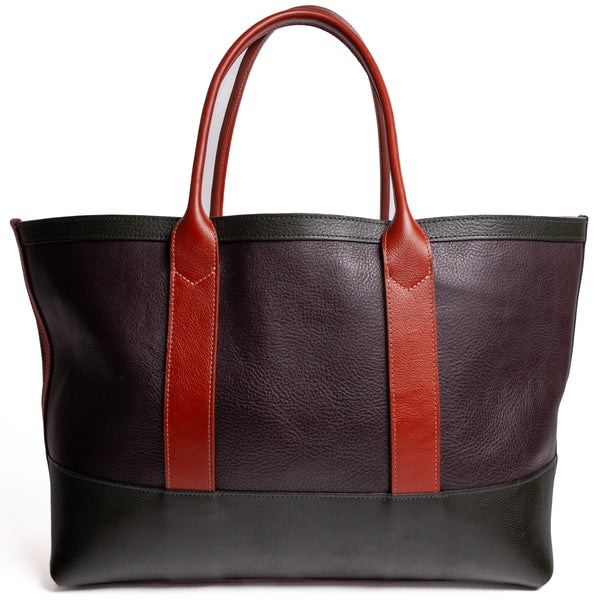
Matt Munoz and Christopher Briley founded Lotuff in Providence in 2010 with a straightforward brief: make leather goods that improve with age rather than degrading. Every piece is cut from vegetable-tanned full-grain leather sourced from Horween Leather in Chicago — the same tannery that supplies Red Wing Boots and Filson. The design language is minimal almost to the point of austerity, which is the right choice when the leather itself is the point.
Enter Store

Orox Leather

Accessories

Albuquerque leather studio. Made one piece at a time, in-house, by hand.

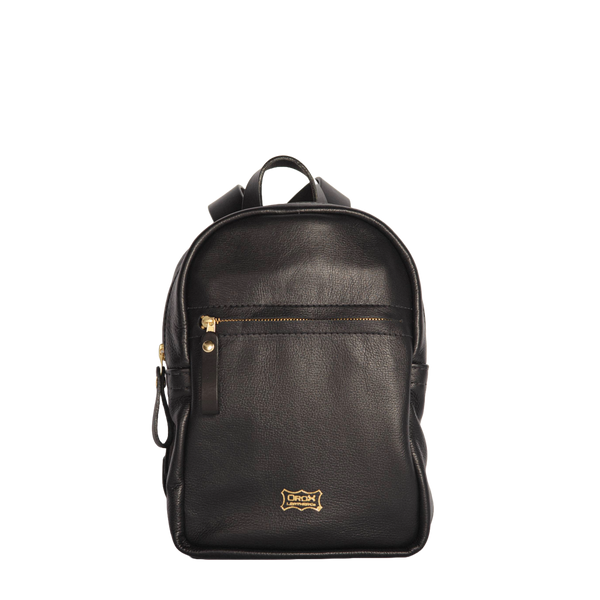
Christian Martinez started Orox Leather in Albuquerque, New Mexico as a working studio — not a brand that coordinates production elsewhere. Every bag, belt, and wallet is cut and assembled in the workshop. Orox uses vegetable-tanned and oil-tanned leathers depending on the piece, and offers custom sizing and color options direct from the maker. The result is gear built for use rather than display.

Enter Store

Brynn Capella

Accessories

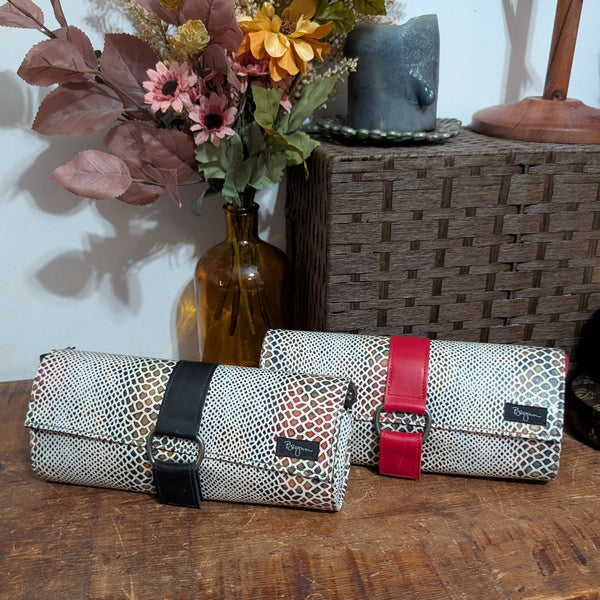
Women's leather handbags made in Milwaukee. Design-led, American-sewn.

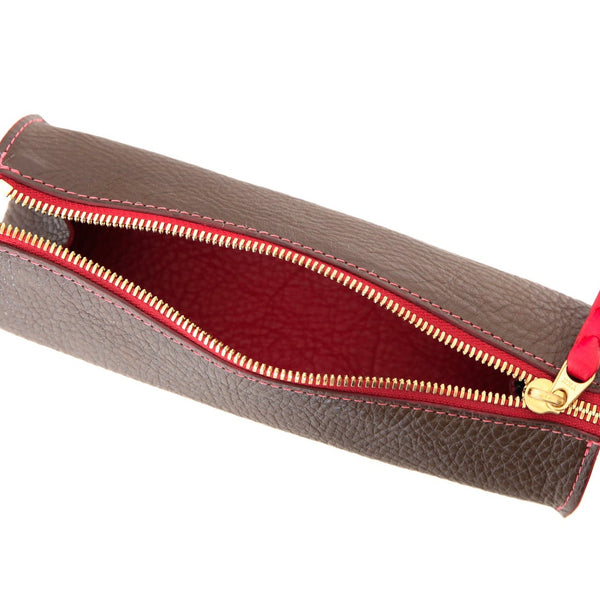
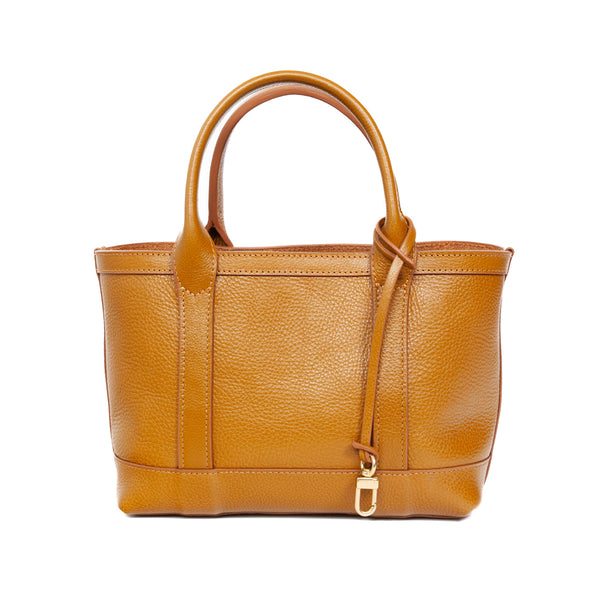
Anne Capella launched Brynn Capella in Chicago in 2016 with a clear premise: beautifully designed women's handbags, made in the US, at prices that weren't insulting. Production happens in Milwaukee, using full-grain Italian leather alongside American-tanned hides. The designs prioritize everyday functionality — structured totes and crossbodies with interior pockets that make sense — over seasonal trend-chasing.

Enter Store

WaterField Designs

Accessories

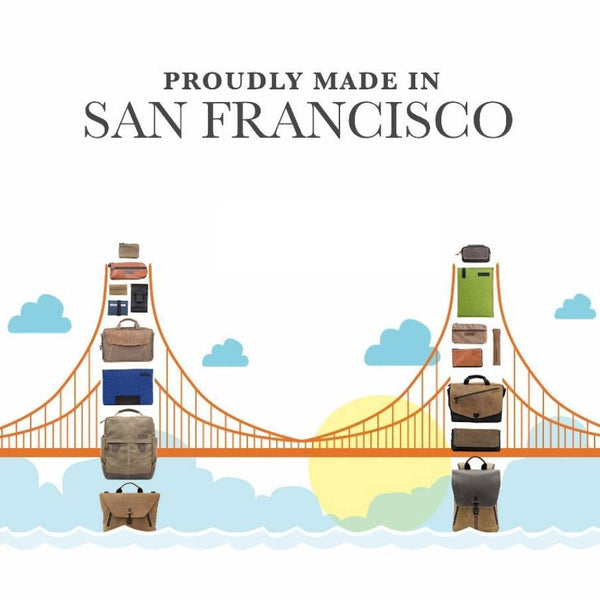
San Francisco bags built for carrying everything. Cut and sewn in their SF shop since 2000.

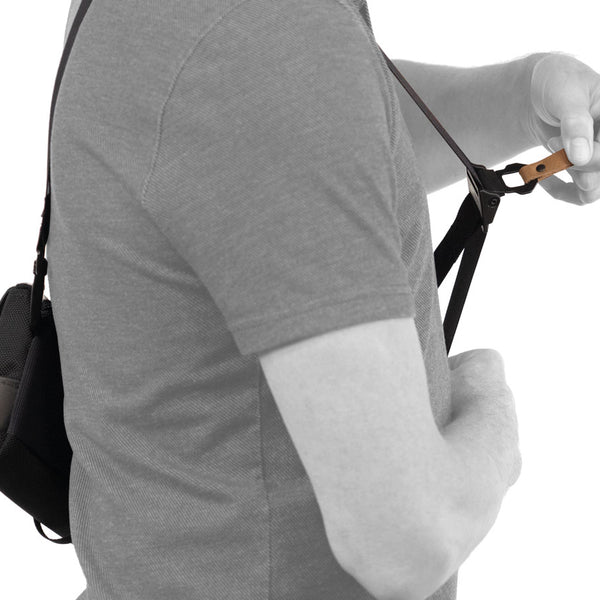
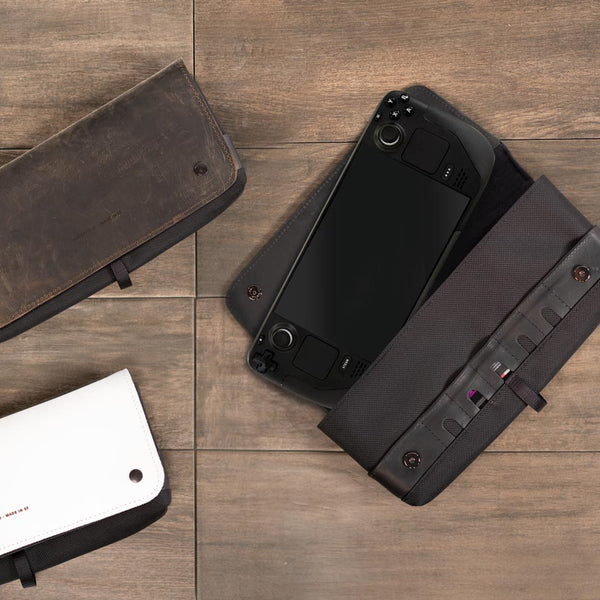
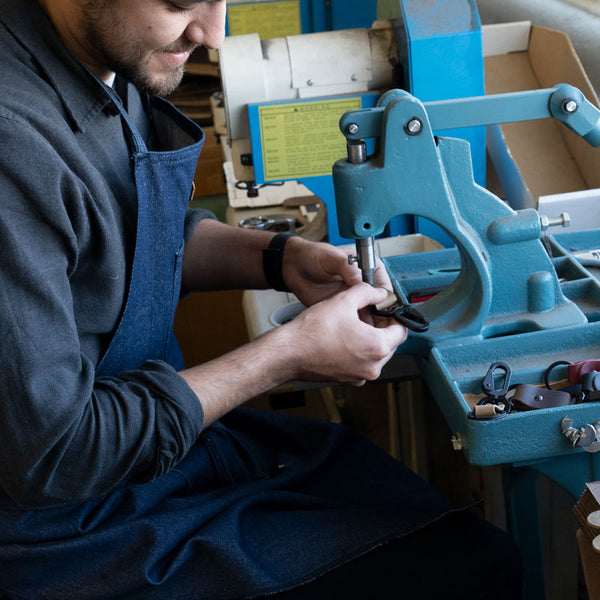
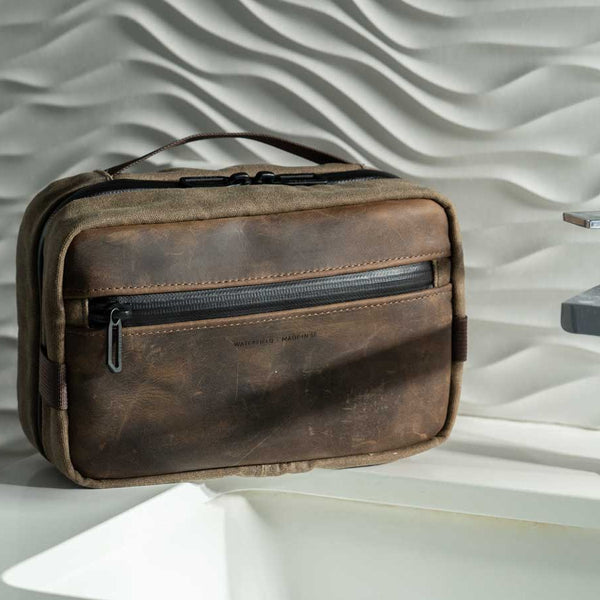
Gary Waterfield started making bags in San Francisco in 2000, initially designing sleeves for the original PowerBook. Twenty-five years later, WaterField still cuts and sews everything in their SF shop. Their bags combine full-grain leather with ballistic nylon — leather handles, zip pulls, and panel reinforcements on a technical nylon body. An honest approach: use leather where you want longevity and feel, and technical materials where you want weatherproofing.

Enter Store

Ghurka

Accessories

Connecticut leather goods since 1975. Heirloom construction, combination-tanned Vintage Leather.

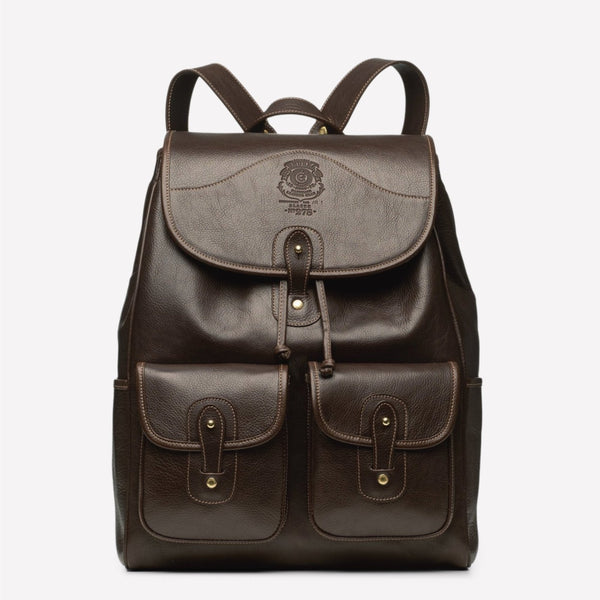
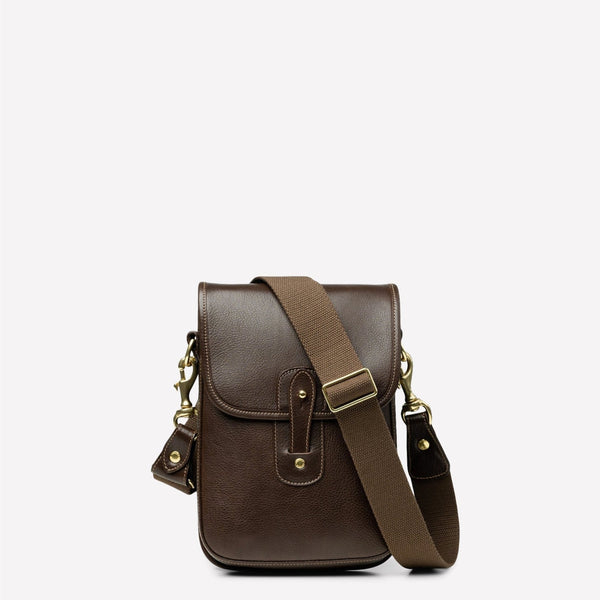
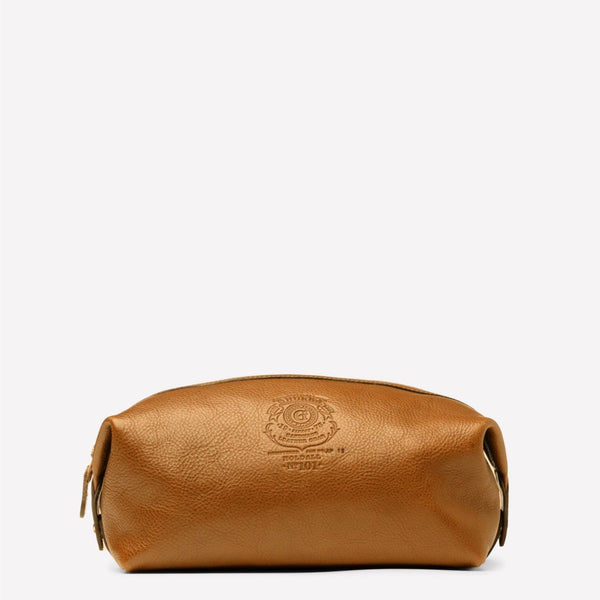
Marley Hodgson started Ghurka in 1975 in Norwalk, Connecticut, after noticing that the leather goods market had drifted toward fashion at the expense of function. The brand's Vintage Leather — a combination-tanned hide that develops a rich walnut patina over years — is the defining material. Ghurka pieces are designed to be passed down: saddle-stitched, reinforced at stress points, with hardware that doesn't bend in two years.

Enter Store

Meanwhile Back on the Farm

Accessories

Lynchburg, Virginia bags from Martexin waxed canvas and full-grain leather. Practical, lasting.

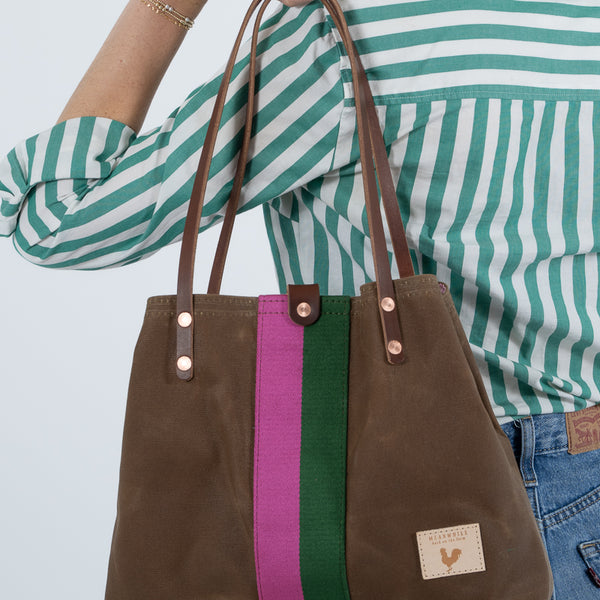
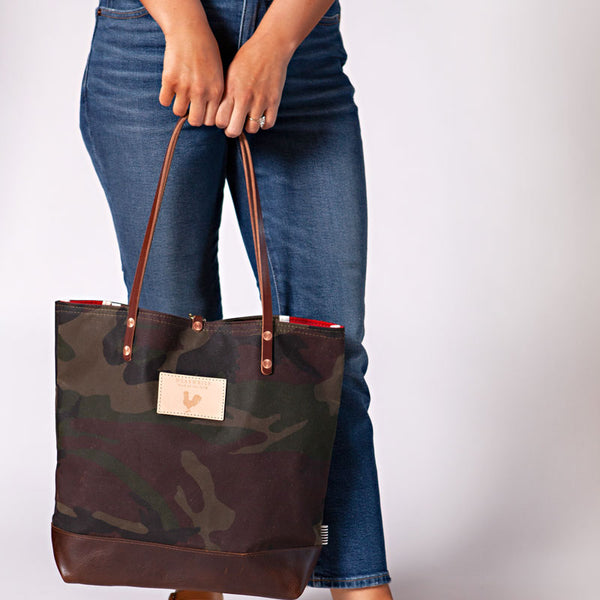
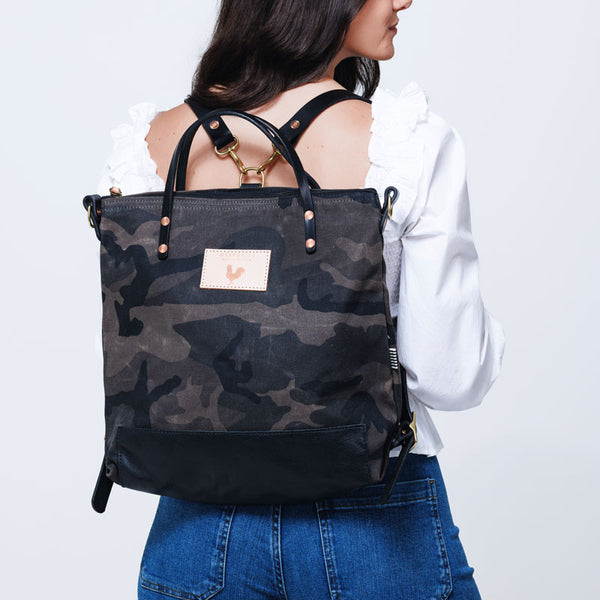
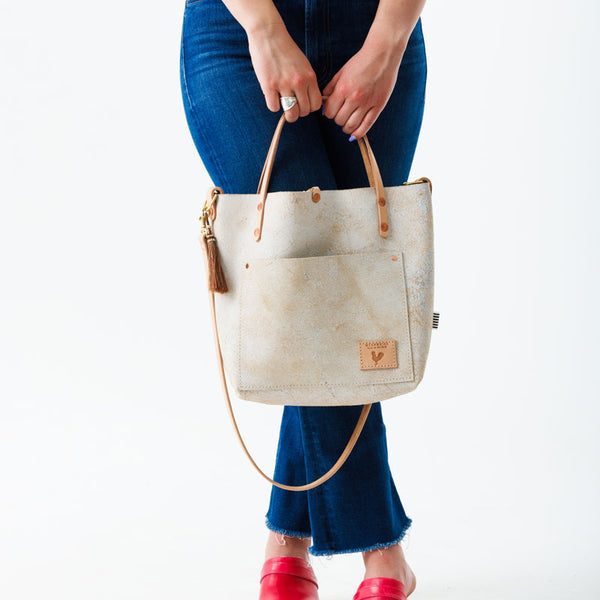
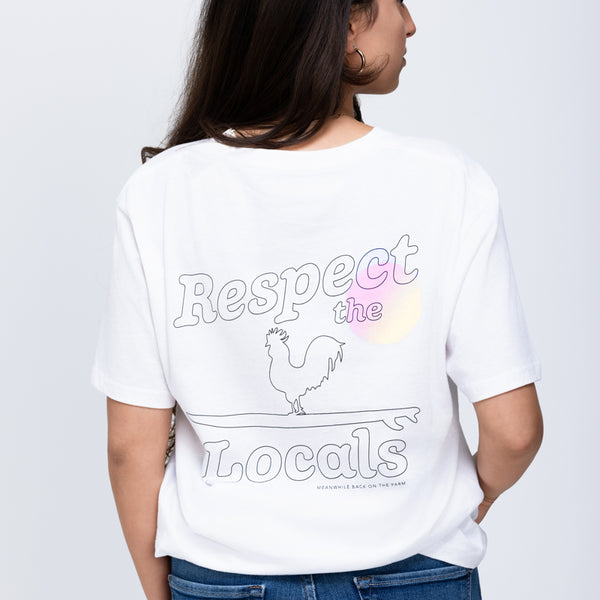
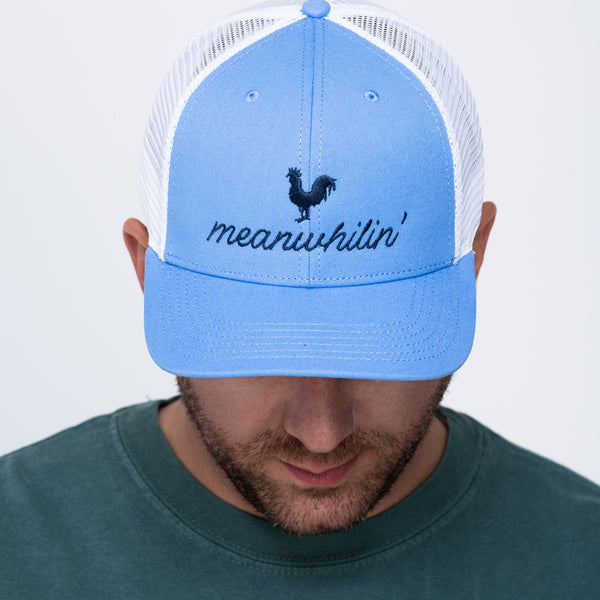
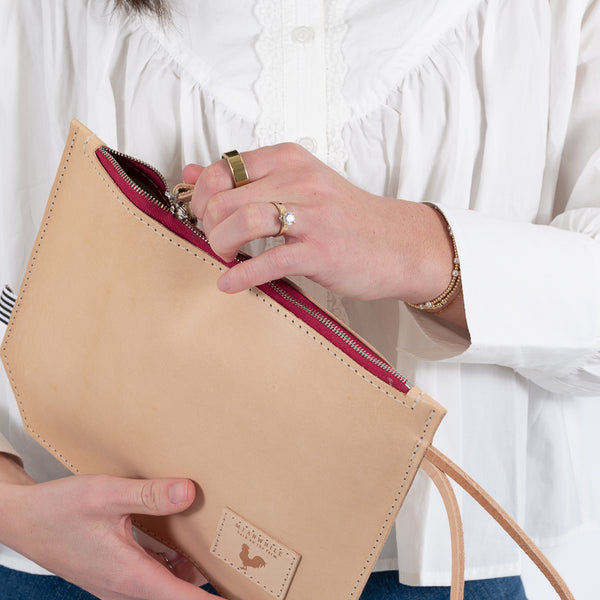
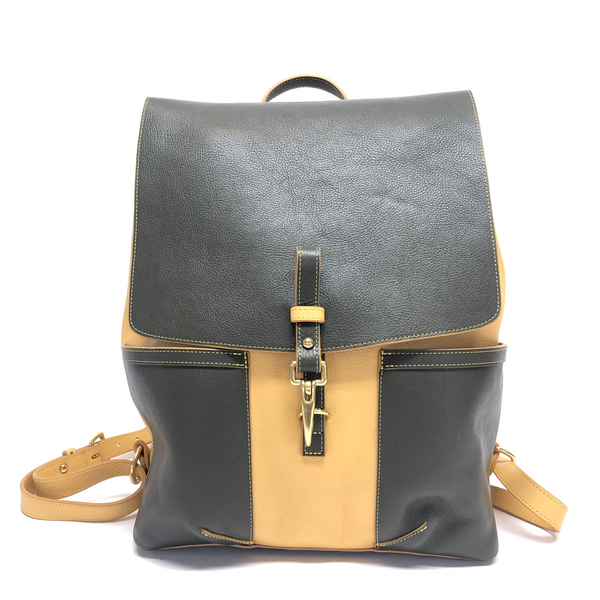
Made in Lynchburg, Virginia, Meanwhile Back on the Farm makes totes, backpacks, and crossbody bags from Martexin Original Wax canvas — the same American-made waxed canvas used by Filson — with full-grain leather handles, straps, and reinforcements. Each bag is assembled by hand. The aesthetic is working utilitarian: not fashionable in a trend-driven way, but deeply considered for the kind of person who needs a bag to do something.

Enter Store

Coronado Leather

Accessories

San Diego leather studio. Full-grain duffels and briefcases built for decades, not seasons.

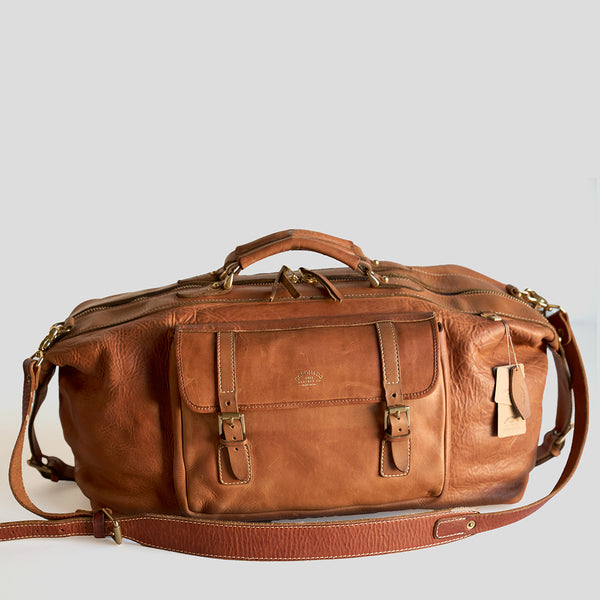
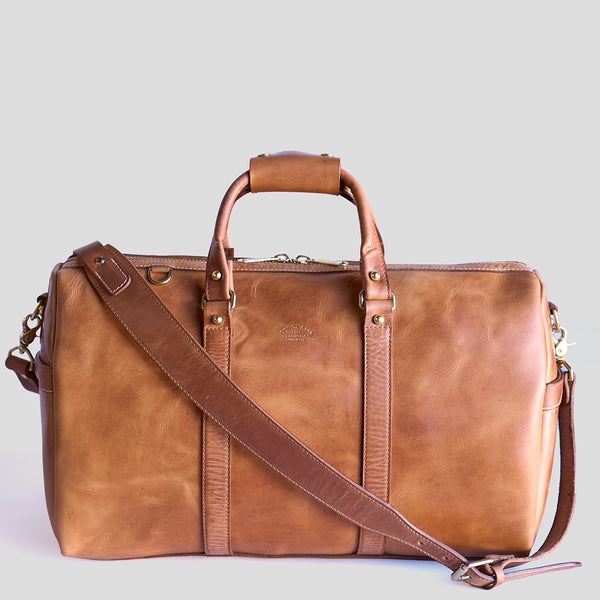
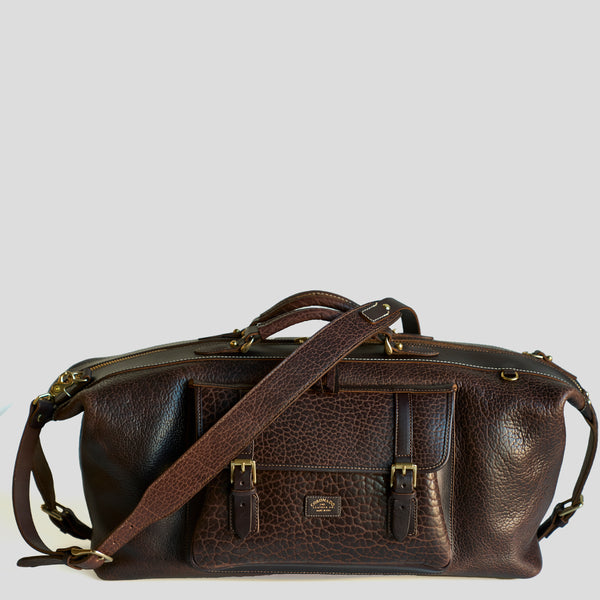
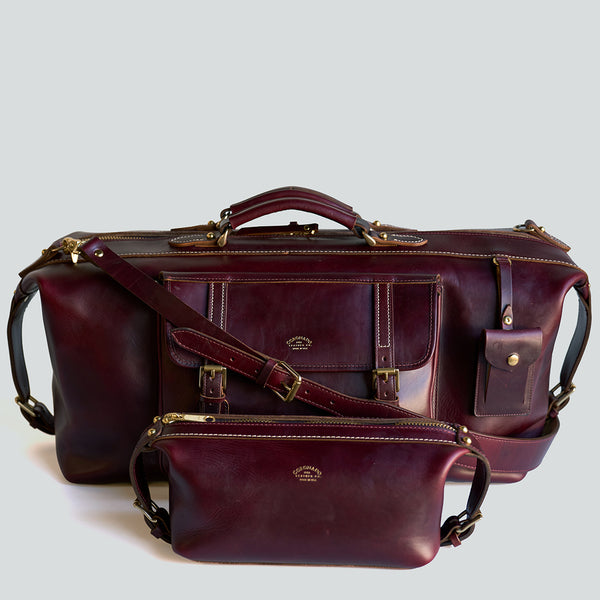
Coronado Leather works out of San Diego, California, making duffels, briefcases, and travel bags from full-grain leather sourced from US and Italian tanneries. Their CEO duffel and weekender pieces use the structured construction of traditional luggage makers — steel hardware, reinforced corners, bridle leather handles — with a West Coast directness to the design. No monogramming, no branding, no noise.

Enter Store

About This District

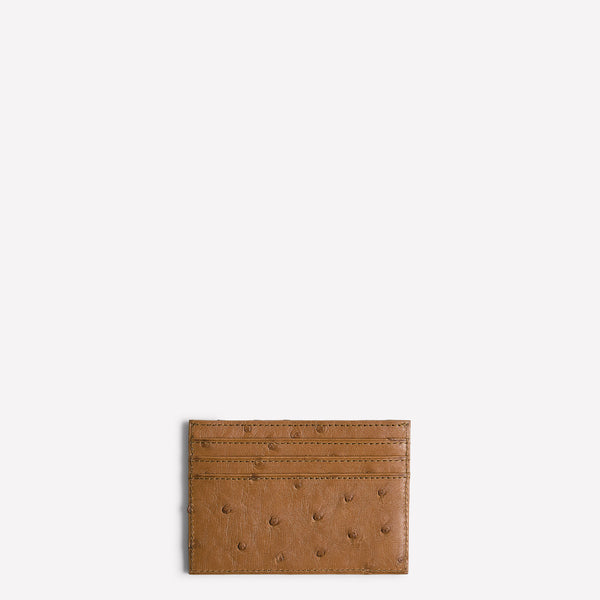
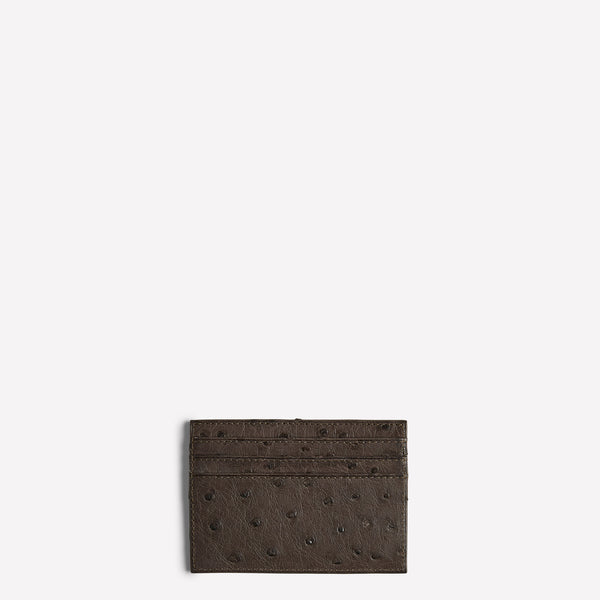
Understanding leather quality starts with the tanning method, not the marketing language. Full-grain leather uses the entire surface of the hide, including the natural grain structure — it scars, creases, and develops patina that's specific to how you use it. Top-grain leather has been sanded to remove that natural grain and covered with a uniform finish — it looks consistent but loses the character that makes leather interesting long-term. 'Genuine leather' is a marketing term that often means the lowest grade of hide, sometimes from scraps. If a brand doesn't tell you what kind of leather they use, that's the answer. Vegetable tanning is the older, slower method of processing hides — it uses tannin from tree bark and takes weeks rather than hours, producing leather that's stiffer initially but has superior structural integrity and ages more beautifully than chrome-tanned equivalents. Chrome tanning is faster and produces softer leather immediately, but doesn't develop the same patina. The best American leather goods brands are explicit about which method they use. For wallets and card holders, look for leather that's been skived — thinned at the edges — to avoid bulk without compromising durability. For bags, pay attention to stitching: saddle-stitching by hand (two needles, one thread) is stronger than machine stitching because a broken stitch doesn't cause the entire seam to unravel. These are the construction details that separate a $300 wallet that lasts 20 years from a $60 one that doesn't.